Most people underestimate how quickly mold can develop after water damage, often within just 24 to 48 hours. To effectively combat this issue, you’ll need to take immediate action, such as cleanup, as well as careful monitoring and preventive measures. Understanding the specific steps to mitigate mold growth is essential. What you do next can make all the difference in maintaining a healthy living environment and avoiding costly repairs.
Key Takeaways
- Act quickly by assessing water damage, stopping leaks, and removing standing water within 24 to 48 hours to mitigate mold growth.
- Use pumps, wet vacuums, and dehumidifiers to extract water and maintain low humidity levels for effective drying.
- Regularly monitor moisture levels and ensure proper ventilation to prevent mold from thriving in damp environments.
- Employ protective gear when removing mold and consider professional help for extensive infestations or health concerns.
- Educate your family on mold prevention practices, signs of growth, and the importance of routine home maintenance.
Immediate Steps to Take After Water Exposure
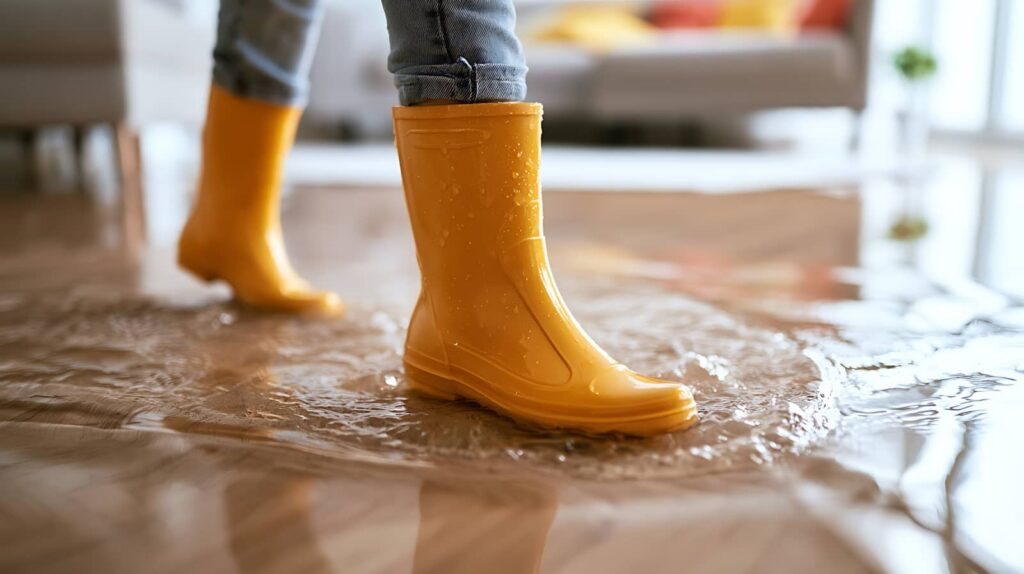
After water exposure, act quickly to minimize mold growth. Start with an emergency checklist to ensure you don’t overlook critical steps.
First, perform a quick assessment of the affected area. Identify the source of the water and stop it if possible.
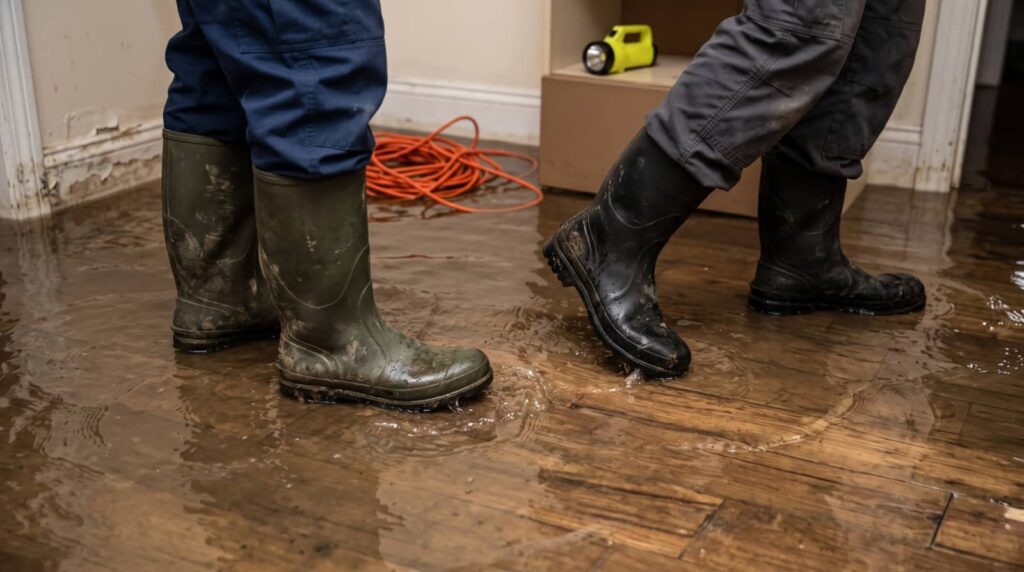
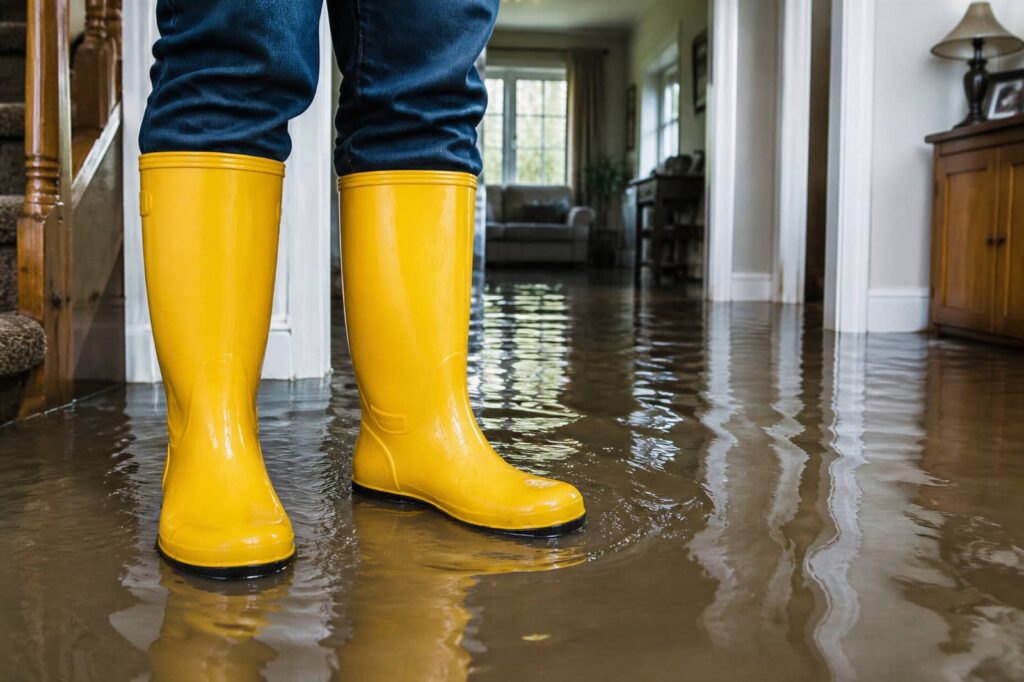
Next, remove any standing water using mops or towels, as this will greatly reduce moisture levels.
Focus on drying out materials like carpets and furniture within 24 to 48 hours, as mold thrives in damp conditions.
Ensure proper ventilation by opening windows and using fans.
If you notice any dampness, take immediate action.
Effective Techniques for Water Removal and Drying
To effectively remove water and facilitate drying, you need a strategic approach that prioritizes efficiency. Start with water extraction using pumps and wet vacuums to eliminate standing water.
Follow up with effective drying techniques, focusing on moisture control through dehumidification methods. Utilize high-capacity dehumidifiers to reduce humidity levels quickly. Ascertain air circulation by using fans to promote surface drying and expedite the drying process.
Regularly monitor moisture levels to prevent further water damage. During flood cleanup, be mindful of equipment usage; select tools that suit your specific situation.
Understanding Mold Growth After Water Damage
Understanding the dynamics of mold growth is crucial, especially when you’ve dealt with water damage. Mold thrives in environments with ample moisture sources, such as damp walls or flooded areas.
Once water is present, mold spores can rapidly enter their lifecycle, beginning with germination and leading to colonization. This process usually occurs within 24 to 48 hours, making prompt action essential.
The mold lifecycle can be impacted by temperature and humidity levels, which further complicate remediation efforts. Recognizing these factors helps you take control, preventing mold from establishing itself in your space.
Top Mold Remediation Products for Effective Results
When tackling mold issues, choosing the right products is vital for effective removal.
You’ll find a range of essential mold removal solutions, as well as eco-friendly options that prioritize safety.
Understanding these products can greatly enhance your remediation efforts.
Essential Mold Removal Solutions
Tackling mold effectively requires the right tools and products at your disposal. Start by selecting proven mold removal methods, such as hydrogen peroxide or vinegar, which can neutralize spores without harsh chemicals.
For larger infestations, commercial mold removers can be invaluable; look for those that specifically target mold while being safe for indoor use. Don’t forget to wear protective gear—gloves and masks—during application.
To enhance your efforts, implement preventive measures like dehumidifiers, which reduce moisture, or sealants that protect porous surfaces. Regularly inspect areas prone to dampness, ensuring you catch any issues early.
Eco-Friendly Remediation Products
After exploring effective mold removal methods, it’s important to evaluate eco-friendly remediation products that deliver results without compromising your health or the environment.
Eco-friendly cleaners, such as vinegar and baking soda, offer a safe alternative to harsh chemicals. You can also consider biodegradable solutions that break down naturally, minimizing environmental impact.
Natural fungicides, like tea tree oil, effectively inhibit mold growth without toxic residues. Additionally, implementing green sealing techniques can help prevent future infestations, ensuring your space remains protected.
By choosing these sustainable options, you combat mold effectively and contribute to a healthier living environment for you and those around you.
Embracing these products fosters a sense of community responsibility and environmental stewardship.
How Proper Ventilation and Humidity Control Prevent Mold
Proper ventilation and humidity control are essential in preventing mold growth, as they create an environment that discourages moisture accumulation.
Installing efficient ventilation systems helps circulate air, reducing stagnant areas where mold thrives. These systems should be strategically placed in high-moisture areas like bathrooms and kitchens.
Additionally, using humidity monitors allows you to keep track of indoor moisture levels, ideally maintaining them below 60%. When humidity spikes, take immediate action by using dehumidifiers or increasing ventilation.
How to Find Hidden Mold in Your Home
How can you uncover hidden mold lurking in your home? Start with a thorough home assessment, checking areas prone to moisture sources like bathrooms and basements.
Use inspection tools such as moisture meters and infrared cameras to detect dampness behind walls and under floors.
Look for visual signs like discoloration or peeling paint, which may indicate hidden mold growth.
Pay attention to air quality; musty odors can signal a problem.
Employ effective detection methods, including mold test kits, if necessary.
Once identified, apply appropriate remediation techniques to address the issue.
Addressing hidden mold improves your home’s air quality and fosters a healthier living environment for you and your loved ones.
When to Call Professional Mold Remediation Services?
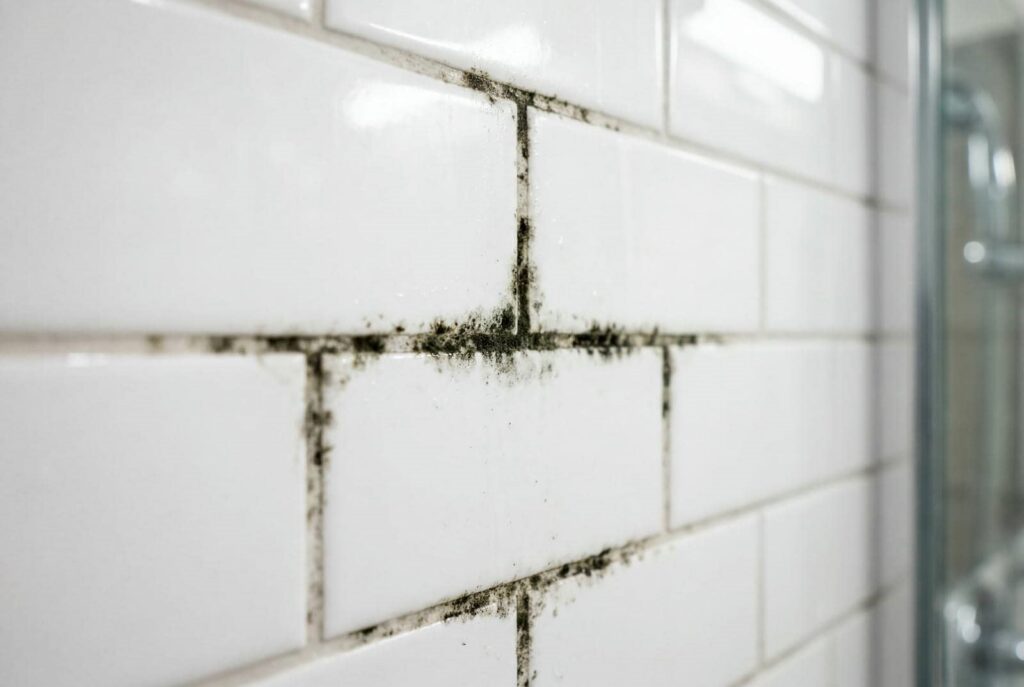
If you notice signs of mold growth, such as dark spots or a musty smell, it’s time to take action.
Extensive water damage can create an environment ripe for mold, making professional help essential.
Additionally, if you or others experience health symptoms like respiratory issues, don’t hesitate to call in experts to address the problem effectively.
Signs of Mold Growth
Noticing signs of mold growth in your home can be unsettling, but recognizing these indicators early is essential for effective remediation.
Pay attention to musty odors, which often signal mold presence. Look for visible patches, especially in damp areas like bathrooms and basements.
Common mold types include black mold, which can be particularly harmful, and other varieties like Aspergillus or Cladosporium.
Use mold identification techniques, such as inspecting surfaces or checking for water stains, to assess the situation.
If you spot persistent mold or experience respiratory issues, it’s time to call professional mold remediation services.
Addressing mold promptly protects your home and safeguards your family’s health, ensuring a safe and welcoming environment.
Extensive Water Damage
When extensive water damage occurs, it’s essential to act swiftly to prevent mold growth from taking hold. Different mold types thrive in damp environments, and moisture sources can be varied, including leaks, flooding, or high humidity.
If you notice significant water damage affecting large areas, don’t hesitate to call professional mold remediation services. They possess the expertise to identify hidden moisture sources and effectively remove affected materials.
Attempting to manage extensive mold issues on your own may lead to more serious health risks and structural damage. Remember, addressing the problem early ensures a healthier environment and a sense of belonging within your home.
Trust the professionals to restore your space safely and effectively.
Health Symptoms Experienced
Mold exposure can lead to a range of health symptoms that vary in severity, making it vital to recognize when professional remediation services are necessary.
If you experience mold allergies, such as sneezing or itchy eyes, it’s a clear sign of trouble. Respiratory issues, including persistent coughing or wheezing, can indicate that mold is affecting your lungs.
Skin irritations may arise, leading to rashes or irritation. Fatigue symptoms and cognitive effects, like memory issues, can also surface as your immune response struggles.
Additionally, sinus problems or digestive discomfort might emerge, signaling that mold exposure has taken a toll on your health.
If these symptoms persist, seeking professional help is critical to ensure a safe living environment.
Long-Term Strategies for Mold Prevention in Homes
To effectively safeguard your home against mold, implementing long-term strategies is vital.
Start by using mold-resistant materials in areas prone to moisture, like bathrooms and kitchens. These materials provide a durable barrier against mold growth, helping to maintain a healthier environment.
Regular routine inspections are essential; check for leaks, damp spots, and any signs of mold. Address these issues promptly to prevent escalation.
Ensure proper ventilation throughout your home, especially in high-humidity areas. Using dehumidifiers can also help control moisture levels.
Finally, educate your family about mold prevention practices, fostering a sense of shared responsibility.
Frequently Asked Questions
Can Mold Grow in Air Conditioning Systems After Water Damage?
Yes, mold can grow in air conditioning systems after water damage. Regular AC maintenance and mold prevention measures are essential to keep your system clean and prevent mold from thriving in damp environments.
How Quickly Does Mold Start to Develop After Water Exposure?
Mold can start developing within 24 to 48 hours after water exposure. Factors like humidity and temperature greatly influence this mold growth timeline, so addressing moisture promptly is essential to prevent extensive damage.
Is All Mold Harmful to Health?
Not all mold types are harmful to health, but some can cause respiratory issues and allergic reactions. It’s essential to identify the specific mold present to assess potential health effects and take appropriate action.
Can I Paint Over Mold Without Proper Remediation?
You can’t just slap paint over mold like it’s a magic fix! Proper surface preparation and mold prevention are essential. Ignoring this only leads to bigger problems down the line. Don’t risk your health or home!
What Are the Signs of Mold Allergies in Individuals?
You might experience mold symptoms like sneezing, a runny nose, itchy eyes, or skin rashes. Allergy reactions can vary, so pay attention to how your body responds in mold-prone environments to ensure your well-being.
Recap
In the battle against mold, swift action is your strongest weapon. By understanding the steps to take after water damage and implementing effective drying techniques, you can safeguard your home from this unwelcome invader. Think of your living space as a fortress; with proper ventilation, humidity control, and regular inspections, you can fortify its defenses. Remember, prevention is key—stay vigilant, and your home can remain a healthy sanctuary for you and your family.