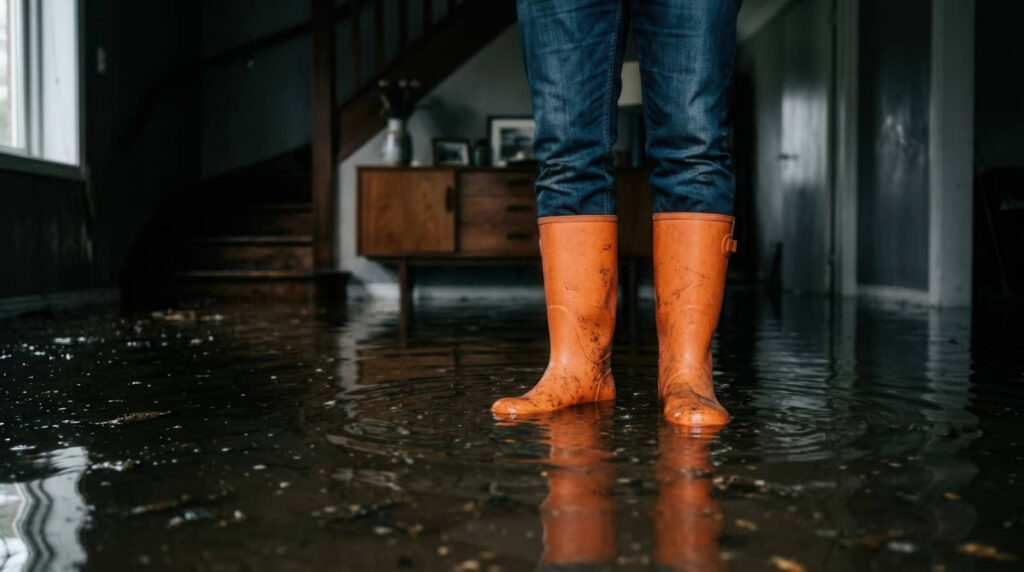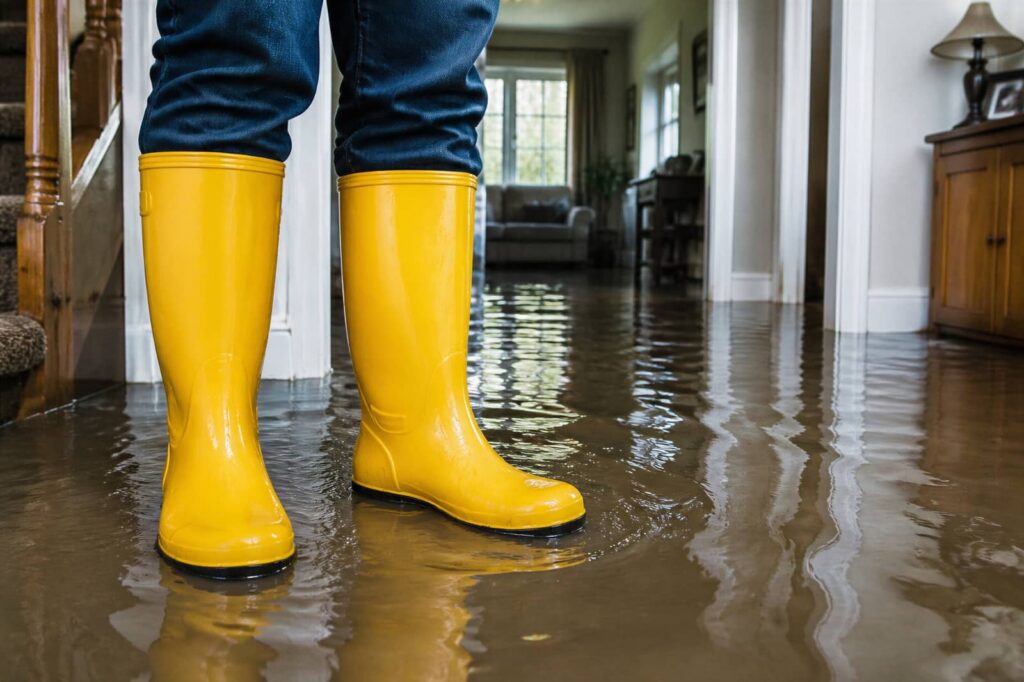
Does fast flood cleanup really protect your property, or does it only buy time? When you act quickly, you limit water spread, stop moisture from reaching subfloors and wall cavities, and reduce the chance of mold taking hold. Fast drying also helps keep repair costs down and preserves structural materials. The real difference often shows up in the hidden damage you can’t see yet.
Key Takeaways
- Fast flood cleanup limits water absorption, reducing damage to drywall, wood, insulation, and flooring.
- Quick drying helps prevent mold growth, which can begin within 24 to 48 hours.
- Immediate water removal reduces structural warping, swelling, and long-term rot.
- Rapid cleanup protects belongings and lowers overall repair costs.
- Professional response improves moisture detection, contamination control, and recovery speed.
Why Does Fast Flood Cleanup Matter?
Fast flood cleanup matters because the longer water sits, the more damage it causes to building materials, contents, and indoor air quality.
You protect your home’s structure, reduce repair scope, and keep your family’s environment healthier when you act quickly. Fast action also helps you preserve belongings that matter to your household and avoid avoidable losses.
By following flood prevention strategies, you can limit future exposure, and by using emergency response tips, you can make smart decisions under pressure.
You’re not handling this alone; a coordinated response from you and trained professionals can restore control faster.
When you respond promptly, you give your property the best chance for recovery and help your community stay resilient after flooding.
How Water Damage Spreads in Hours
Within hours, water soaks into drywall, wood, insulation, and flooring, so you need to act before materials lose integrity.
If moisture stays trapped, mold can begin forming quickly and spread into hidden spaces, raising both cleanup costs and health risks.
You’ll also face structural weakening as swelling, warping, and rot reduce the strength of building components, but prompt drying and removal can limit the damage.
Rapid Material Absorption
Even after standing water is removed, moisture can keep moving quickly through porous materials like drywall, insulation, carpet, and wood, so the damage often spreads faster than it looks.
You’re dealing with different material types, each with distinct absorption rates, so a surface that feels dry may still hold water deep inside. That hidden moisture can weaken structure, swell panels, and stain finishes if you wait.
Fast extraction, targeted drying, and controlled airflow help stop that progression and keep your recovery on track. When you act quickly, you protect more of what you own and make cleanup feel manageable.
You’re not facing this alone; a coordinated response helps your space return to normal sooner, with fewer repairs and less disruption.
Mold Growth Timeline
Once moisture lingers in porous materials, mold can start developing surprisingly fast, sometimes in as little as 24 to 48 hours. You’re not facing a mystery; you’re dealing with a predictable timeline.
As water stays trapped, mold spores settle, feed on damp surfaces, and multiply quickly in hidden cavities, behind trim, and under flooring. That’s why fast flood cleanup matters so much.
When you act early, you interrupt growth before it becomes harder to control and harder to live with. Practical prevention strategies include removing standing water, increasing airflow, and drying materials with professional-grade equipment.
When you move quickly, you protect your space and stay ahead of the problem with the support of a team that understands what you’re going through.
Structural Weakening Risks
Water doesn’t just lead to mold; it can also start weakening your structure fast. When floodwater soaks drywall, framing, and subfloors, it adds weight, swells materials, and reduces load-bearing strength.
You may notice doors sticking, floors sagging, or cracks widening as foundation integrity declines. Moisture can also corrode fasteners and soften wood fibers, letting damage spread in hours instead of days.
That’s why you need prompt drying and structural assessments from trained professionals who understand how water moves through a building. Acting quickly helps you protect your home, your safety, and the people who belong inside it.
With the right response, you can stop hidden damage early, restore stability, and move forward with confidence.
What Emergency Water Removal Stops
Emergency water removal stops flood damage from spreading by pulling standing water out of the affected area quickly, which helps protect flooring, drywall, insulation, and structural materials.
You also reduce the risk of lingering moisture that can trigger corrosion, warping, and odor buildup.
With proven water extraction techniques, your crew can target hidden pockets of water before they migrate into cavities or under finishes.
That fast emergency response gives you a better path to stabilization and keeps your property from slipping into more complex repairs.
You’re not dealing with this alone; a coordinated team helps you regain control, protect your space, and move forward with confidence.
When you act early, you stop small losses from becoming broader, costlier problems.
How Flood Cleanup Protects Floors and Walls
Flood cleanup protects floors and walls by removing moisture before it can soak into subfloors, baseboards, drywall, and framing. You’re helping your property stay stable, safe, and ready for faster recovery.
Rapid extraction and drying support floor restoration and wall preservation by limiting swelling, warping, and finish separation.
You reduce trapped water in seams and joints with targeted extraction.
You speed surface drying with controlled airflow and dehumidification.
You verify moisture levels so hidden damp spots don’t linger.
When you act quickly, you give your space a better chance to recover with less disruption. You’re not just cleaning up; you’re protecting the structure your home depends on.
Why Mold Grows After Cleanup Delays
When cleanup is delayed, moisture stays in porous materials long enough for mold spores to activate and spread across drywall, insulation, wood framing, and carpet backing.
You’re seeing moisture retention create the exact conditions mold needs: low airflow, trapped water, and warm indoor surfaces.
Once spores sense that environment, they colonize fast and can move through your property before you notice visible growth.
That’s why you shouldn’t wait for damp materials to “dry on their own.” You belong with owners who act early, inspect thoroughly, and remove wet contents quickly.
Prompt cleanup helps you isolate affected areas, reduce indoor contamination, and keep your home stable.
The sooner you respond, the easier it’s to stay ahead of hidden growth and protect your space.
How Fast Drying Reduces Repair Costs
Fast drying limits how long water can keep damaging building materials, which helps you avoid larger repair bills. You reduce moisture retention in drywall, flooring, and framing before they weaken or swell.
Your cleanup team can use drying techniques that target hidden pockets, so you don’t pay later for warped surfaces or failed finishes.
- Air movement: Fans speed evaporation and shorten exposure time.
- Dehumidification: Lower humidity helps materials release trapped water faster.
- Monitoring: Meter readings confirm progress and prevent needless replacement.
When you act quickly, you protect the structure your household depends on and keep repairs focused on the actual damage. That means less labor, fewer material losses, and a smoother return to normal.
When Should You Call Flood Cleanup Pros?
If water has soaked drywall, insulation, flooring, or framing, you should call flood cleanup pros right away so they can assess the damage and start controlled drying before mold and structural problems spread.
You’ll get a fast flood assessment that checks moisture levels, contamination, and hidden cavities, so you know what’s salvageable and what needs removal.
Professionals use extraction, air movement, dehumidification, and thermal monitoring to stabilize your space. They also provide damage evaluation for insurance records, which can simplify your claim and reduce delays.
If the water came from a sewer backup, storm surge, or burst pipe, don’t wait for surfaces to “dry out.”
You’re not handling this alone; you’re bringing in a team that helps protect your home and your peace of mind.
Frequently Asked Questions
How Soon Should I Move Furniture After Flooding?
Move your furniture as soon as it’s safe to enter, ideally within hours. You’ll improve furniture protection, speed flood recovery, and reduce staining, swelling, and mold. Use helpers, gloves, and lift items onto dry blocks.
Can Floodwater Damage Electrical Systems Overnight?
Yes—like a dark tide creeping through wires, floodwater can damage your electrical systems overnight. You’ll face hidden floodwater effects and electrical hazards, so switch off power, stay away, and call a licensed electrician fast.
What Personal Items Can Be Saved After a Flood?
You can save photos, documents, hard-sealed keepsakes, and some furniture, especially items with sentimental value. Act quickly, separate salvageable items, and follow restoration tips: clean, dry, sanitize, and consult professionals for delicate belongings.
Does Insurance Require Immediate Cleanup After Water Damage?
Yes, your insurance policies often expect prompt action, and cleanup timelines matter. Like a rising tide you can’t ignore, you should start drying, documenting, and contacting your insurer quickly to protect coverage and peace of mind.
Can Hidden Moisture Remain After Visible Drying?
Yes, you can still have hidden moisture after surfaces look dry. You should use moisture detection tools to find trapped water early, prevent long term effects, and keep your home safe, dry, and comfortable.
Recap
Fast flood cleanup protects your property because water doesn’t wait, and neither should you. The faster you remove standing water and dry hidden moisture, the less time damage has to spread through floors, walls, and structural materials. Quick action also helps stop mold before it starts and keeps repair costs from rising. If you can’t fully dry the area yourself, call flood cleanup pros right away so you can protect your home with confidence.