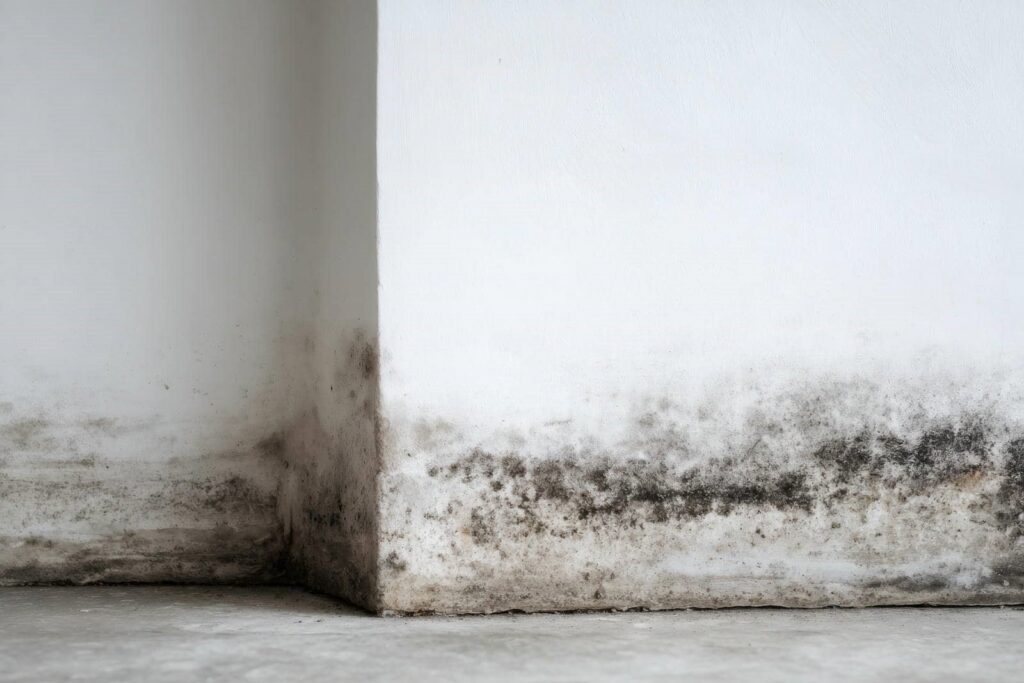
Mold is like a silent intruder, creeping in where moisture lingers. To effectively prevent its growth, you must act swiftly after any water exposure and manage humidity levels meticulously. Understanding the causes of mold and utilizing mold-resistant products can fortify your home against this unwelcome guest. But when should you seek professional help? Exploring these mold prevention strategies can help you safeguard your space and maintain a healthy environment.
Key Takeaways
- Quickly address any water damage by drying affected areas within 24-48 hours to prevent mold growth.
- Maintain indoor humidity levels below 60% using dehumidifiers and proper ventilation.
- Use mold-resistant materials and paints during renovations to inhibit mold development.
- Regularly inspect for leaks and ensure proper drainage around your home.
- Seek professional help for mold issues, especially if growth exceeds 10 square feet or if health concerns arise.
Key Steps to Prevent Mold After Water Exposure
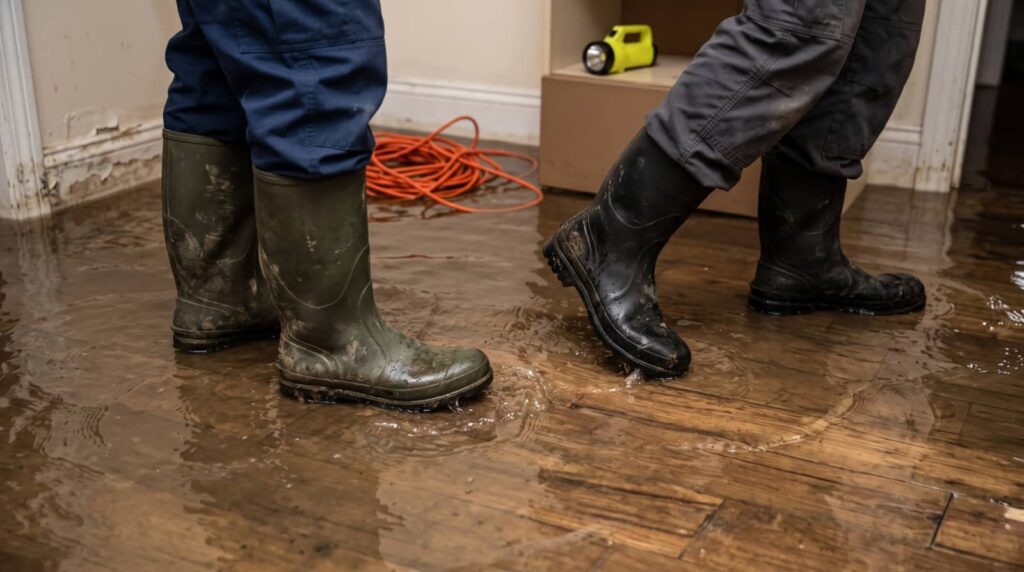
To effectively prevent mold after water exposure, you must act swiftly and strategically. First, assess the extent of the water damage; timely identification is essential.
Within 24-48 hours, dry affected areas using fans, dehumidifiers, and natural ventilation. Remove wet materials, like carpets and drywall, as they can harbor mold growth.
Clean surfaces with a mixture of water and detergent, ensuring you reach all nooks where moisture lingers. After cleaning, monitor humidity levels, keeping them below 60% to discourage mold proliferation.
Regularly inspect areas prone to dampness, such as basements and bathrooms. By following these steps, you’ll foster a healthier environment, minimizing the risk of mold and its associated health issues.
Your proactive approach creates a sense of belonging in a safe space.
What Causes Mold After Water Damage?
Mold thrives in environments where moisture, warmth, and organic materials intersect, making water damage a prime breeding ground.
When evaluating water damage, you’ll notice that mold growth factors such as temperature and humidity can escalate rapidly. After a leak or flooding, if surfaces remain wet for more than 24 to 48 hours, mold can start to develop. This is especially true in areas that contain porous materials like drywall and wood, which provide nutrients for mold.
Additionally, inadequate ventilation can trap humidity, creating an ideal environment for spores to multiply.
How to Control Humidity and Keep Your Space Dry
While keeping your space dry might seem challenging, effective humidity control is essential for preventing mold growth. Start by using dehumidifiers to maintain indoor humidity levels below 60%. This not only reduces moisture but also enhances comfort.
Additionally, consider installing moisture barriers in areas prone to dampness, like basements and crawl spaces. These barriers prevent external moisture from seeping in, creating a drier environment.
Regularly check for leaks in plumbing and roofs, as even small amounts of water can lead to significant humidity increases.
Finally, ensure proper ventilation in areas like bathrooms and kitchens to disperse moisture from daily activities. By proactively managing humidity, you create a welcoming, mold-free space for yourself and your loved ones.
Select Mold-Resistant Products for Your Home
Selecting mold-resistant products for your home can greatly reduce the risk of mold growth, especially in moisture-prone areas. Start by choosing mold-resistant paints for your walls and ceilings. These paints contain antimicrobial agents that inhibit mold development, ensuring a healthier living environment.
Additionally, installing moisture barriers in areas like basements can effectively block water vapor from seeping in, further preventing mold issues. Look for products specifically designed to withstand high humidity levels.
When Should You Call in the Pros for Mold Help?
How can you tell when it’s time to call in professionals for mold help? If you notice mold growth over 10 square feet, it’s a clear signal to seek mold inspection services.
Small patches might seem manageable, but underlying issues could escalate quickly. Additionally, if you experience persistent musty odors or health concerns like respiratory issues, professional remediation is crucial.
Mold can spread rapidly, and trained experts can identify hidden sources and ensure thorough removal. Don’t forget that DIY methods often fall short, risking your health and home.
Trusting professionals restores your environment and gives you peace of mind. Prioritize your well-being by recognizing when it’s time to reach out for expert assistance.
Frequently Asked Questions
Can Indoor Plants Contribute to Mold Growth?
Yes, indoor plants can contribute to mold growth. You should focus on plant selection, utilize proper watering techniques, maintain humidity control, and manage soil effectively to minimize mold risks and keep your indoor environment healthy.
What Are the Signs of Hidden Mold?
You might notice a musty odor or unexplained water stains. Hidden mold symptoms, like persistent respiratory issues, signal trouble. Employ mold detection techniques, like moisture meters, to uncover what’s lurking beneath your walls. Trust your instincts.
How Often Should I Check for Mold?
You should conduct mold inspections at least twice a year, ideally during seasonal checks. Regular assessments help you identify potential issues early, ensuring a healthier environment and reducing the risk of mold growth in your home.
Are There Specific Mold-Resistant Paints Available?
Yes, there are mold-resistant coatings available. When you apply these specialized paints, you actively reduce moisture buildup, creating an environment less hospitable to mold. This simple step can protect your home and enhance your comfort.
How Does HVAC Maintenance Affect Mold Prevention?
Regular HVAC maintenance keeps your filters clean and ensures effective humidity control, greatly reducing mold risks. By managing airflow and moisture levels, you create a healthier environment, fostering comfort and belonging for everyone in your space.
Final Thoughts
By implementing these mold prevention strategies, you’re not just protecting your property; you’re safeguarding your health and peace of mind. Isn’t it worth a few proactive steps to ensure a mold-free environment? Remember, the key lies in prompt action and vigilance—address water damage quickly, control humidity, and choose the right materials. Don’t wait for mold to take hold; take charge now, and you’ll create a safer, healthier space for yourself and your loved ones.