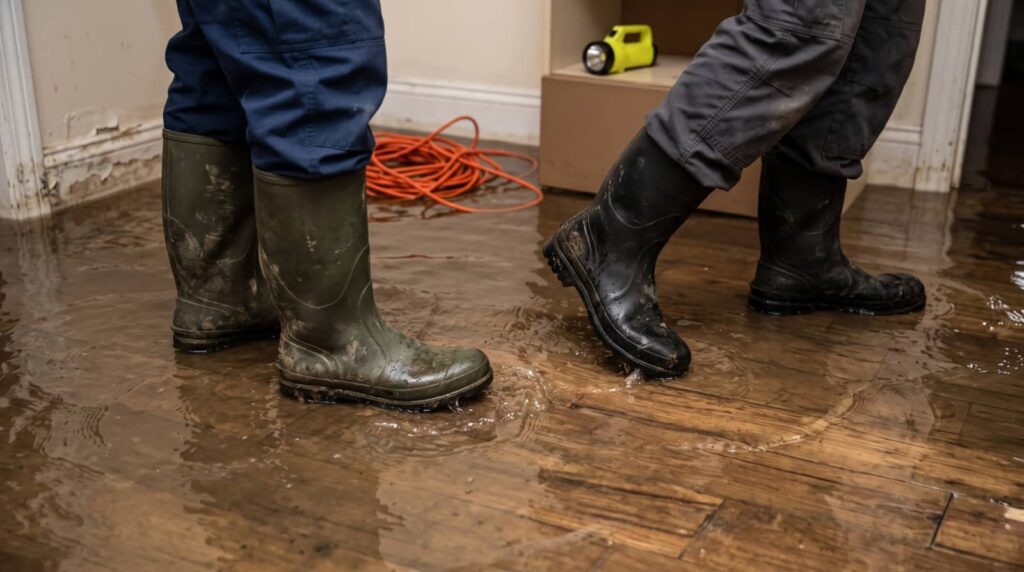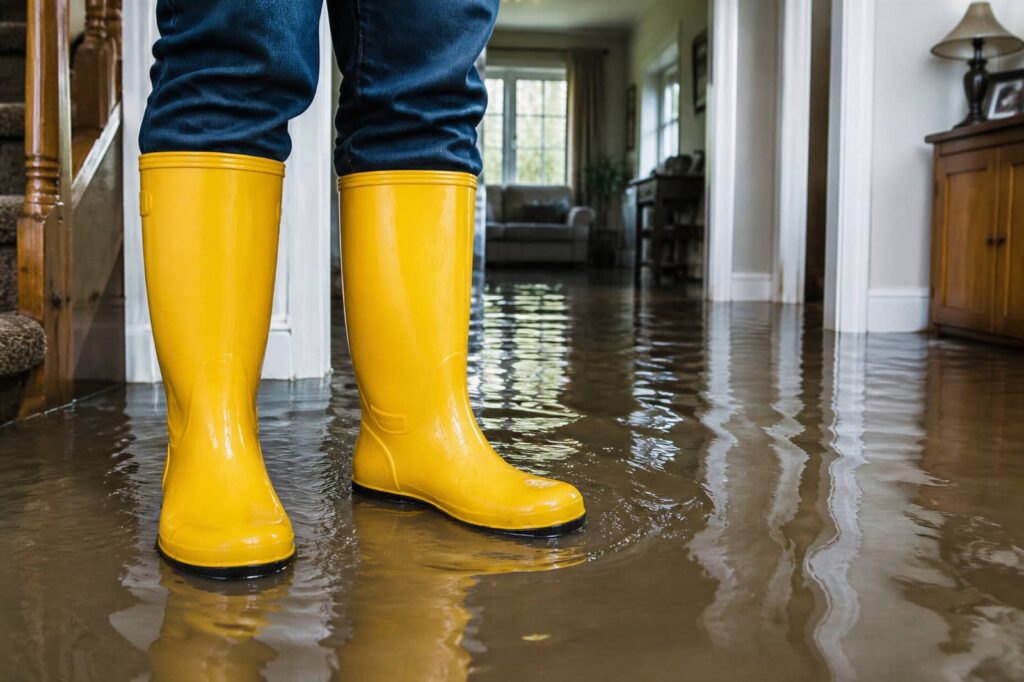
If your basement floods, you need to act fast and safely. Basement Water Extraction starts by cutting power if it can be done safely, identifying the water source, and choosing the right extraction tool for the job. A wet/dry vac may work for small amounts of water, while a submersible pump can handle deeper flooding. Once the standing water is removed, take out soaked materials, dry hidden moisture, and stop mold before it has a chance to develop. The next steps matter more than you might think.
Key Takeaways
- Shut off power, stop the water source, and wear protective gear before entering the flooded basement.
- Inspect and document damage, focusing on walls, floors, insulation, and hidden moisture pockets.
- Use the right extraction tool, such as a wet/dry vacuum, carpet extractor, or submersible pump.
- Remove soaked carpets and debris quickly, then dry all surfaces thoroughly with fans and moisture meters.
- Control humidity below 60% and disinfect affected areas with approved antimicrobial products after drying.
Stop Basement Water and Stay Safe
Before you start extracting water from your basement, shut off the power to the affected area and identify the source of the flooding, because safety comes first and water can hide electrical hazards.
Then, stop incoming water by closing the main supply if a pipe has burst, or by directing surface runoff away from entry points. You can place towels, sandbags, or temporary barriers at door thresholds and wall seams to slow spread.
If seepage keeps returning, check whether your drainage systems are blocked and whether your waterproofing solutions need maintenance.
Work with gloves, boots, and a grounded flashlight so you stay protected while you assess the area.
When you take these steps, you join other homeowners who handle basement water quickly, calmly, and safely.
Inspect Basement Water Damage
Once you’ve stopped the water and made the area safe, inspect the basement for damage so you can judge how much drying and repair work you’ll need.
Trace the water source and note where moisture concentrated first, because that pattern helps you understand how far it spread.
Check walls, floor joints, insulation, stored items, and any visible framing for staining, swelling, or soft spots.
Take photos and record measurements for a clear damage assessment.
If you spot sagging drywall, warped trim, or damp carpeting, mark those areas for follow-up.
A careful inspection helps you stay organized and confident, and it gives your team the same accurate picture.
The sooner you document conditions, the easier it’ll be to plan the next steps.
Choose the Right Extraction Tools
Choose extraction tools based on the amount of standing water, the surface type, and how fast you need the area to dry.
For shallow water, use a wet/dry vacuum on sealed concrete or tile; it gives you controlled extraction and protects finishes.
For carpeting, choose a carpet extractor with strong suction and a clean water path.
If you’re facing water on uneven or porous surfaces, pair a squeegee with absorbent pads for tighter control.
Your tool selection should match the material, access, and contamination level, because the wrong tool can leave moisture behind.
Good extraction methods also reduce strain on you and help your basement team stay coordinated.
Keep hoses, filters, and tanks ready so you can work cleanly, efficiently, and with confidence.
Pump Out Basement Water Fast
When standing water starts rising fast, you need to pump it out immediately with a submersible or utility pump sized for the depth and flow rate.
Place the discharge hose outside and away from your foundation, so water doesn’t cycle back in. If you’ve got a working sump pump, verify that it’s operating and not clogged.
Use a generator only if it’s safely positioned outdoors and protected from moisture. Keep electrical cords dry, and never wade into water near live circuits.
As the level drops, monitor cracks, wall seepage, and your drainage systems, because fast pumping can reveal new inflow points.
You’re taking control quickly, and that matters: decisive pumping limits pressure on walls, reduces saturation, and helps your home recover sooner.
Remove Wet Carpets and Debris
Once you’ve pumped out the standing water, you should remove soaked carpets right away to prevent further moisture retention and mold growth.
Clear loose debris from the floor, including padding, drywall fragments, and contaminated items, so you can inspect the surface safely.
If flooring is exposed underneath, protect it with ventilation and drying measures to limit warping, staining, and secondary damage.
Remove Soaked Carpets
Lift the soaked carpet as soon as the area is safe to access, because wet carpet holds water, slows drying, and can trap debris and contaminants against the subfloor.
You should begin carpet removal at a corner, cut it into manageable sections if needed, and roll each piece inward so the wet face stays contained.
Wear gloves and use a mask if the water came from a questionable source. Move the sections outside or into a lined disposal area, and keep the exposed pad or tack strips from staying saturated.
Good cleaning techniques start now: inspect the backing, seams, and edges for damage that could affect drying.
If the carpet smells foul, delaminates, or remains heavy after lifting, replace it so your basement team can dry the space faster.
Clear Loose Debris
After you’ve removed the soaked carpet, clear out any loose debris so the basement can dry more evenly and cleanup stays controlled.
You should collect cardboard, fabric scraps, insulation pieces, and small broken items before they trap moisture or block airflow. Use sturdy gloves, a mask, and sealed bags so you can sort debris removal without spreading contamination.
Move from the perimeter toward the center, checking behind stored items and along wall edges where waste often settles. Keep walk paths open so your team can work safely and stay coordinated.
If you find porous debris that stayed wet for hours, treat it as part of debris cleanup and remove it promptly. This keeps the space organized, reduces odors, and helps everyone on site feel confident in the restoration process.
Protect Flooring Underneath
Now that the loose debris is gone, you can protect the flooring underneath by removing wet carpets, padding, and any trapped materials before they hold moisture against the subfloor.
Lift each section carefully, and cut away saturated padding that can’t dry fast enough. Check seams, tack strips, and edges for hidden water, then use a wet vacuum to pull residual moisture from the surface.
If you have water resistant flooring, still inspect joints and connections, because water can migrate underneath. Place removed materials outside for safe disposal, and keep the area open for airflow.
If the floor assembly includes moisture barriers, confirm they’re intact and not trapped beneath debris. You’re helping your space dry faster, reducing odor, mold risk, and long-term damage.
Dry Walls, Floors, and Hidden Moisture
Once the standing water is gone, you need to dry the basement thoroughly to prevent mold, odor, and hidden structural damage. Aim fans at walls and floors, and run a dehumidifier to pull moisture from the air.
If you’ve got wall insulation or moisture barriers, check them for trapped dampness; wet layers can hold water against framing and slow drying. Lift baseboards, if possible, so air can reach the lower wall edge.
Use a moisture meter on concrete, drywall, and wood to confirm safe readings, not just a dry surface. Don’t seal anything until every material reads dry.
You’re not just fixing a room—you’re restoring a space your household can trust again, with each surface dried to its proper level.
Prevent Mold After Basement Water Extraction
After basement water extraction, you should dry all surfaces completely to stop mold from taking hold.
Keep air moving with fans and dehumidifiers so moisture doesn’t linger in hidden areas.
Then disinfect affected surfaces with an appropriate antimicrobial solution to reduce contamination and limit regrowth.
Dry Surfaces Fully
Dry every surface completely to stop mold from taking hold after basement water extraction. You should verify that floors, baseboards, framing, and stored items feel dry before you restore them.
Use suitable drying techniques such as microfiber wiping, towel blotting, and controlled heat for damp materials that can tolerate it. Check hidden seams, corners, and underlayment, since trapped moisture often lingers there.
Apply fan placement strategies that aim airflow across wet surfaces, not at one spot, so you dry evenly and avoid missed pockets. Test with a moisture meter when possible; numbers give you a clear target.
When you and your crew finish, remove any remaining damp cardboard or fabric, because porous items can keep feeding mold even after the visible water is gone.
Improve Air Circulation
Improve air circulation immediately so moisture can’t settle into basement materials and trigger mold growth. You should open windows only when outdoor air is drier than indoor air, then run fans to create crossflow across floors, walls, and corners.
Aim one fan toward an exit and another to pull stagnant air out of low areas. If you’ve got ventilation systems, switch them on and verify they’re exhausting damp air, not recirculating it.
Use airflow techniques that move air behind stored items and along baseboards, because hidden pockets hold moisture longest. Keep doors open between rooms so air can travel freely.
Check humidity with a meter and keep it below 60%. When you manage circulation well, you protect your space and help everyone feel confident your basement’s drying process is working.
Disinfect Affected Areas
Once you’ve removed standing water and reduced humidity, disinfect all affected surfaces to stop mold spores from taking hold. You’ll protect your space and everyone who relies on it by cleaning walls, floors, trim, and stored items with a proven antimicrobial solution.
Focus on disinfecting surfaces that stayed wet for more than 24 hours, because porous materials can trap contamination. If you’re using bleach, mix it correctly, apply it with good ventilation, and never combine it with ammonia or other cleaners.
Scrub visible residue first, then let the disinfectant sit for the label’s contact time. Afterward, rinse nonporous areas and dry them completely. This careful routine helps your basement stay safe, stable, and ready for the next step.
Frequently Asked Questions
How Do I Know if Basement Water Is Contaminated?
You’ll know through water testing and contamination indicators: cloudy color, foul odor, sewage backflow, mold, or oily sheen. If you’re unsure, treat it as contaminated, avoid contact, and test immediately.
Can I Use a Shop Vacuum for Standing Basement Water?
Yes, you can use a shop vacuum for standing basement water, and it’ll feel like a mini flood-devouring beast. You’ll gain shop vacuum benefits for small jobs, but use safe water extraction techniques and empty it often.
Should I Shut off Electricity Before Entering the Flooded Basement?
Yes—you should shut off electricity before entering. You’ll reduce electrical hazards and follow critical safety precautions. If water may contact outlets or wiring, don’t enter until a qualified electrician confirms it’s safe for you.
How Long Should Basement Dehumidifiers Run After Extraction?
Run your basement dehumidifiers continuously for 48–72 hours after extraction, then adjust dehumidifier settings until moisture levels stabilize. You’ll dry materials faster, reduce mold risk, and feel confident your space is safe.
When Should I Call a Professional Water Extraction Company?
You should call a professional water extraction company when flood damage covers more than 10 square feet, or you smell mold; like a leaking ship, prompt water removal protects your basement and keeps you in the safe crew.
Summary
You’ve now got the blueprint for basement water extraction, so don’t let standing water turn your basement into a luxury spa for mold. Shut off power, inspect the damage, choose the right pump, and remove soaked materials fast. Then dry every surface, boost airflow, and disinfect like you mean it. Keep humidity under 60%, check for hidden moisture, and you’ll help your basement stay safe, dry, and far less dramatic.