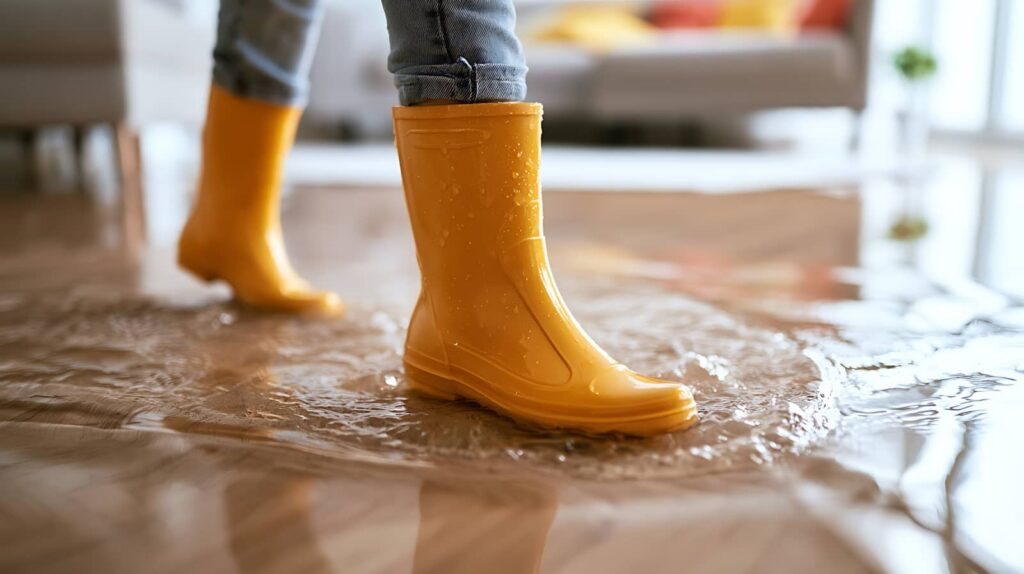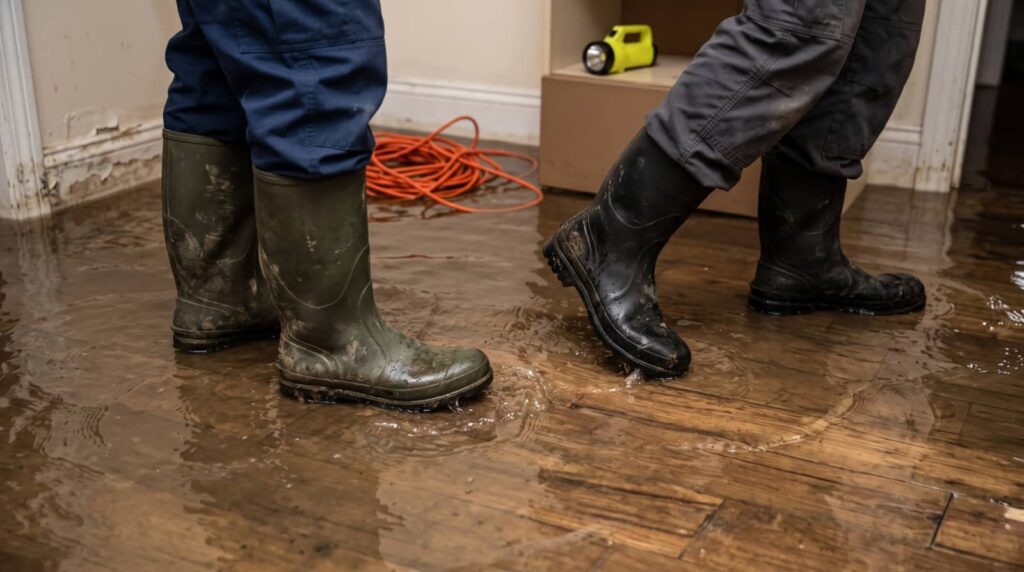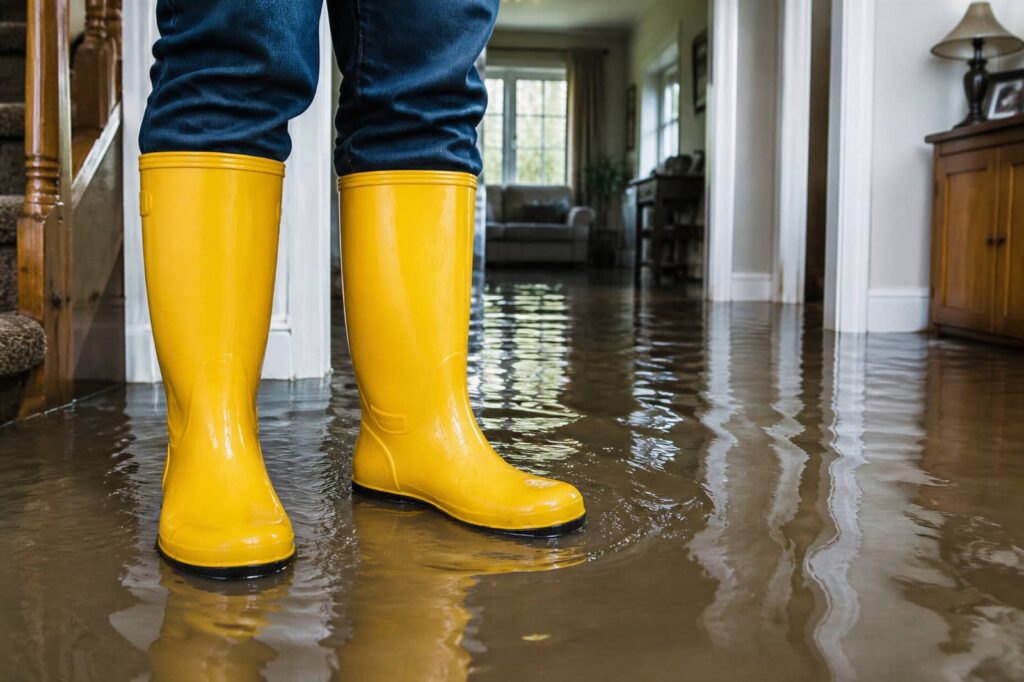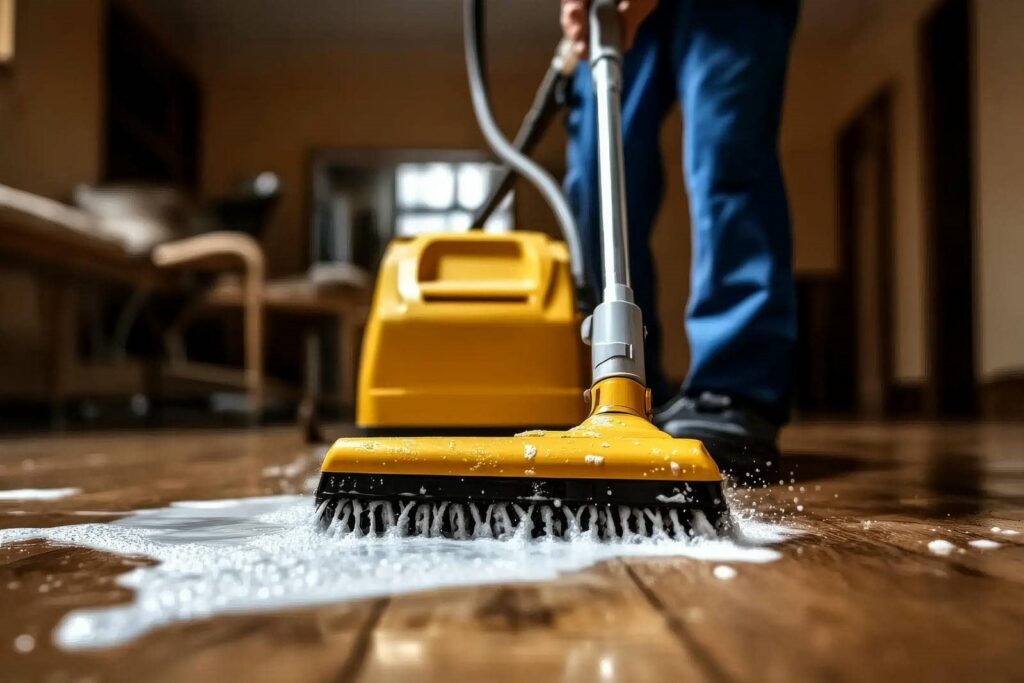
When faced with water damage, acting quickly is fundamental for your home’s safety. You’ll want to understand the importance of prompt water extraction and recognize early signs that could indicate trouble. Knowing the right equipment and when to seek professional help can make a significant difference. Plus, after extraction, there are critical steps to ensure your home remains safe. Let’s explore these essential tips to safeguard your space effectively.
Key Takeaways
- Act Quickly: Address water issues within 24 hours to prevent mold growth and structural damage.
- Use the Right Equipment: Employ portable pumps and industrial vacuums for efficient water removal.
- Inspect for Damage: Look for discoloration, warped surfaces, and odors to identify affected areas early.
- Consider Professional Help: Call experts for severe damage or uncertain water sources to ensure safety and effective extraction.
- Implement Post-Extraction Measures: Use fans, dehumidifiers, and perform mold inspections to prevent future issues.
Why Prompt Water Extraction Is Crucial for Your Home’s Safety
When water damage occurs, acting quickly is essential to safeguard your home and health. Immediate water extraction helps prevent further deterioration, such as structural weaknesses and costly repairs.
It’s important for flood prevention; the longer you wait, the more extensive the damage becomes. Rapidly removing water protects your property and minimizes the risk of mold growth, which can pose serious health hazards.
Mold can start developing within 24 to 48 hours, making urgency critical. By prioritizing prompt extraction, you ensure a safer living environment for you and your loved ones.
Don’t let water damage compromise your home; take action now to maintain its integrity and your family’s well-being.
Early Signs of Water Damage to Watch For
How can you spot water damage before it escalates? Recognizing early signs can save you from costly repairs and health issues.
Here are four indicators to watch for:
Discoloration: Look for yellow or brown stains on walls and ceilings, which might indicate hidden leaks.
Warped surfaces: Floors or walls that appear warped can signal moisture accumulation.
Musty odors: A persistent, damp smell often points to mold growth, even if you can’t see it.
Peeling paint or wallpaper: This could indicate water infiltration behind surfaces.
Best Equipment for Water Extraction
To effectively tackle water extraction, investing in the right equipment is essential, as it can greatly reduce damage and restoration time.
Portable pumps are a must-have; they allow you to quickly remove standing water from affected areas, making them ideal for both small and large spaces.
For thorough cleaning, industrial vacuums come into play. They’re designed to handle water and debris, ensuring that your environment is left dry and safe.
When choosing your tools, consider the scale of the job and the specific needs of your space.
Having the right equipment speeds up the process while minimizing long-term damage, helping you protect your investment and create a welcoming environment once again.
When to Call Professionals for Water Extraction?
Even with the right equipment, some water extraction situations demand professional intervention.
You should consider calling experts if:
Severe Water Damage: If water has flooded multiple rooms or structural elements are compromised, immediate emergency response is essential.
Uncertain Source: When you can’t identify the source of the water, professionals can conduct a thorough damage assessment to prevent ongoing issues.
Mold Risk: If water remains for more than 24 hours, it poses a serious mold risk that requires specialized skills to mitigate.
Health Hazards: Contaminated water, such as sewage backups, necessitates professional handling for your safety.
Steps to Keep Your Home Safe After Water Extraction
Once the water extraction process is complete, it’s essential to take immediate steps to secure your home remains safe and protected from further damage.
Start by thoroughly drying all affected areas; use fans and dehumidifiers to enhance moisture control.
Inspect your home for any signs of mold or mildew, and address these issues promptly.
To prevent future flooding, make sure your gutters and downspouts are clear, directing water away from your foundation.
Seal any cracks in your walls or floors to reduce water intrusion risks.
Additionally, consider installing a sump pump if you’re in a flood-prone area.
Frequently Asked Questions
How Can I Prevent Water Damage in the First Place?
To prevent water damage, you should implement preventive measures like regular maintenance of plumbing and roofs. Inspect for leaks, clean gutters, and ensure proper drainage to protect your home and belongings from potential issues.
What Types of Water Cause the Most Damage?
Flood water, sewage backup, storm damage, and appliance leaks are the most destructive. Each type carries unique risks, making swift action essential to protect your home and belongings from irreversible harm and costly repairs.
Are DIY Water Extraction Methods Effective?
DIY water extraction methods can be effective if you use the right techniques and tools. However, their effectiveness often depends on the severity of the water damage and your experience with these extraction techniques.
How Long Does It Take to Dry Out a Home?
It usually takes 3 to 5 days to dry out a home, depending on moisture control and drying equipment used. Properly managing these factors accelerates the process, ensuring a safer, healthier living environment for you.
What Insurance Coverage Is Available for Water Damage?
When unexpected storms dampen your dreams, flood insurance and mold coverage can be your safety net. These policies help protect your home’s heart, ensuring you’re supported during recovery from water damage’s unwelcome embrace.
Recap
In the race against water damage, swift action is your best ally. By staying alert to early signs, using the right equipment, and knowing when to call in the pros, you can protect your home and peace of mind. Remember, after the storm, it’s not just about extraction; it’s about ensuring a safe environment for you and your loved ones. With diligence and care, you can turn the tide on water damage, keeping your home safe and sound.