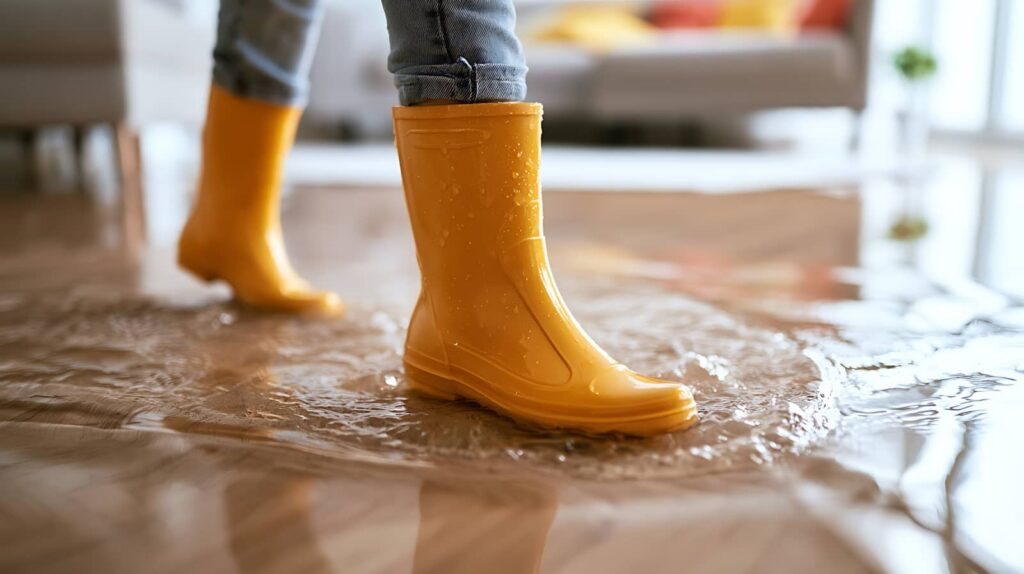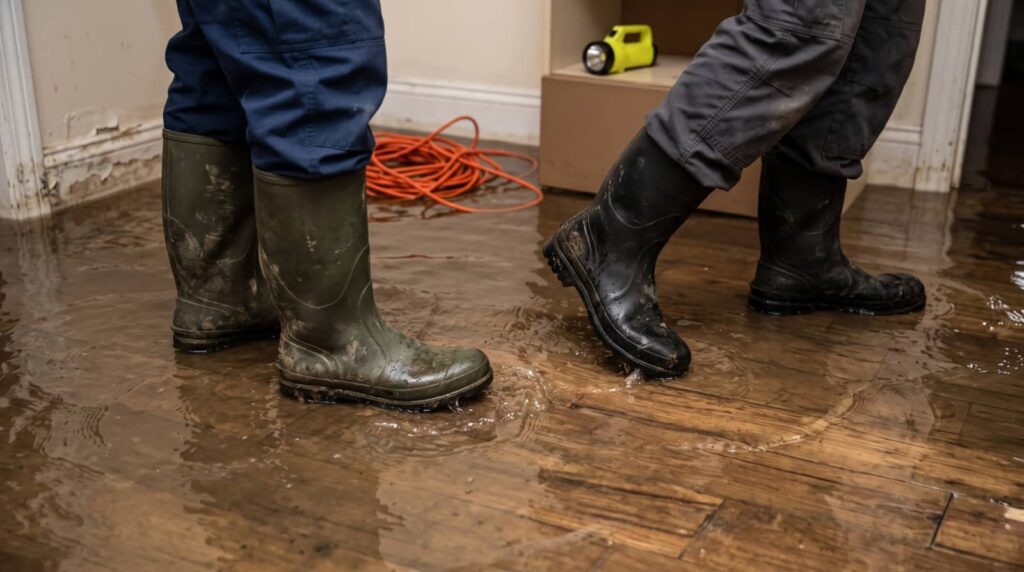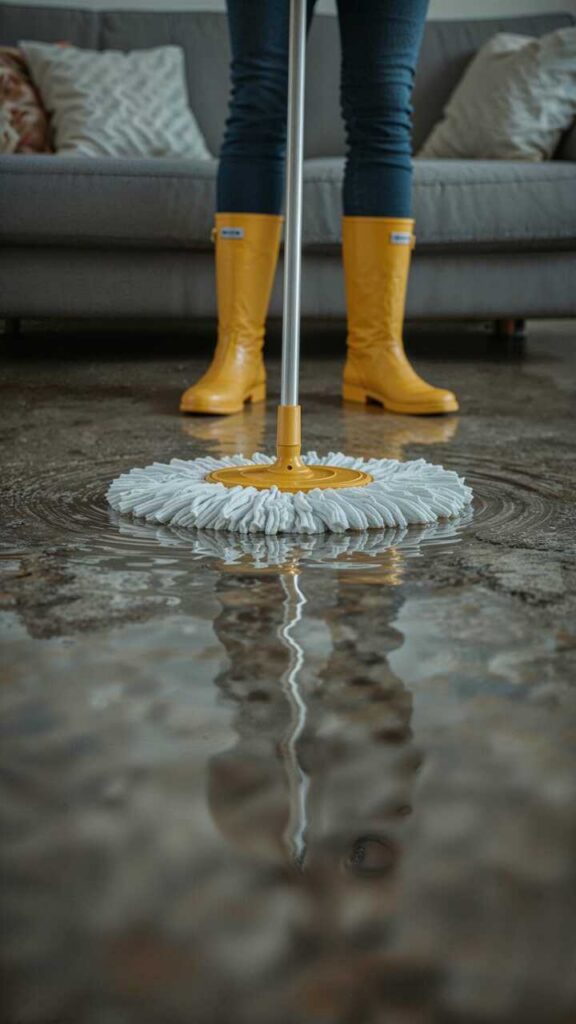
Imagine a sudden storm flooding your basement, leaving you with a mess and potential mold issues. You might think professional help is your only option, but there are budget-friendly techniques that can effectively tackle water extraction. From using a wet/dry vacuum to simple household items, you can manage the situation without breaking the bank. Understanding these methods can save you time and money, so let’s explore how to handle water damage efficiently.
Key Takeaways
- Use a wet/dry vacuum for quick and effective emergency water extraction at a low cost.
- Employ absorbent materials like towels to soak up excess water efficiently.
- Create a budget-friendly cleaning solution with vinegar and baking soda to prevent mold.
- Utilize fans to expedite drying in affected areas, minimizing long-term damage.
- Conduct regular inspections of gutters and drainage systems to preemptively address potential water issues.
Common Causes of Water Damage in Properties
Water damage can creep up on you, often due to a variety of common causes that many property owners overlook.
Flood sources like heavy rains or melting snow can lead to stormwater runoff that seeps into your property.
Plumbing leaks are another sneaky culprit, with hidden pipes potentially causing extensive damage over time.
Roof damage, whether from age or severe weather, can also allow water to enter your home.
Additionally, appliance failures, such as a malfunctioning washing machine, contribute to unexpected flooding.
Groundwater intrusion and sewer backups pose serious risks, while foundation cracks can let water seep in unnoticed.
Staying vigilant about these issues can help you protect your property from costly water damage.
Understanding the Importance of Water Extraction Techniques
Effective water extraction techniques are vital for mitigating the damage caused by unexpected flooding. Without prompt action, water damage can escalate, affecting your property’s structural integrity and leading to costly repairs.
Understanding various extraction methods empowers you to make informed decisions during an emergency response. This knowledge aids in effective property maintenance and plays an important role in a cost analysis of potential damage.
Additionally, being educated about these techniques can minimize environmental impact and streamline insurance implications. As a homeowner, investing time in education about water extraction ensures you’re prepared, fostering a sense of belonging to a community that prioritizes safety and proactive measures in property management.
Affordable Tools for Water Extraction You’ll Love
When tackling water extraction, having the right tools can make all the difference. Consider budget tools that pack a punch in suction power while being portable solutions.
These tools facilitate efficient extraction methods and help with moisture control. Look for user reviews to ensure you’re selecting reliable options.
Regular tool maintenance is essential; it enhances longevity and efficiency. Incorporating efficiency tips, like using quick fixes for minor leaks, can save you time and effort.
Don’t forget safety precautions while operating your gear. By investing in affordable, effective tools, you’ll create a supportive environment for yourself and your property, making water extraction a manageable task.
You’ll feel empowered and connected to others facing similar challenges.
Effective DIY Water Extraction Techniques
While you might think professional help is the only option for water extraction, there are several DIY techniques that can save you time and money.
Start with simple water removal methods like using a wet/dry vacuum for quick emergency extraction. For DIY moisture control, absorbent materials like towels can help soak up excess water.
Remember to implement efficient drying strategies, such as placing fans in affected areas. You can also explore budget cleanup techniques like using a mixture of vinegar and baking soda for mold prevention.
Seasonal water precautions are essential in maintaining your property, so regularly check gutters and drainage systems.
These home repair solutions address immediate issues and support long-term property maintenance advice.
DIY vs. Professional Water Extraction: What’s Best for You?
When considering water extraction, cost and skill level are essential factors.
DIY methods can save you money, but they often require a certain level of expertise and time commitment.
On the other hand, hiring professionals ensures effective results but comes with a higher price tag—so what fits your situation best?
Cost Considerations for Extraction
Choosing between DIY water extraction and hiring a professional can greatly impact your budget and the effectiveness of the process. A thorough cost analysis is essential.
DIY methods may seem cheaper initially, but consider the long-term costs. If your extraction efficiency is low, you might end up spending more on repairs or additional equipment.
Professionals bring expertise, often ensuring faster, more effective results, which could save you money in the long run. Weigh the upfront costs against potential future expenses.
If you’re part of a community that values shared experiences, seek advice from neighbors who’ve faced similar situations.
Ultimately, understanding your specific needs and budget will guide you to the best decision for your property.
Skill Level Required for Techniques
Understanding the skill level required for water extraction techniques plays a significant role in your decision-making process. When considering DIY versus professional options, think about the skill levels needed for each technique.
DIY methods often require basic skills and minimal material requirements, allowing for quicker project timelines. However, you’ll need to assess safety precautions to avoid mishaps.
Professional services bring expertise, enhancing efficiency assessments but can be costlier. User experiences often highlight the benefits of training resources available for DIY enthusiasts.
Technique comparisons reveal that while DIY can be budget-friendly, professional help might save time and ensure thoroughness. Ultimately, weighing these factors will guide you to the best choice for your situation.
Budget-Friendly Water Extraction Products to Consider
When it comes to budget-friendly water extraction, several products can make a significant difference.
Affordable wet-dry vacuums and DIY water pumps offer effective solutions for immediate needs, while eco-friendly absorbent materials help manage moisture sustainably.
These options save you money and enhance your efficiency in tackling water-related issues.
Affordable Wet-Dry Vacuums
Suction Power: Look for models with high horsepower for efficient extraction.
Tank Capacity: A larger tank means fewer trips to empty.
Filtration System: Good filtration helps capture fine particles.
Portability: Lightweight designs make it easier to maneuver.
Attachments: Various tools enhance versatility for different tasks.
Investing in a quality wet-dry vacuum ensures you’re prepared for any water-related mishap, making it a smart addition to your home maintenance arsenal.
DIY Water Pumps
If you’re looking for ways to effectively manage water extraction on a budget, DIY water pumps offer a practical solution.
These portable water solutions can be tailored to fit your specific needs, making them both versatile and cost-effective. You can create a simple water pump using materials like PVC pipes and an electric motor, ensuring it’s energy efficient and easy to operate.
Many DIY designs are available online, allowing you to choose one that matches your skill level. By building your own pump, you save money and gain a deeper understanding of the mechanics involved.
This knowledge can empower you to tackle future water issues confidently, fostering a sense of community and self-reliance.
Eco-Friendly Absorbent Materials
While traditional water extraction methods often rely on mechanical systems, eco-friendly absorbent materials present a sustainable and budget-friendly alternative.
By incorporating innovative solutions into your moisture management strategy, you help the environment and save money.
Consider these options for effective water extraction:
- Natural fibers: Such as hemp or cotton, provide excellent absorbency.
- Biodegradable options: Materials that break down naturally after use.
- Absorbent technology: Products designed specifically for high efficiency.
- Eco-friendly alternatives: Look for items that promote green cleaning practices.
- Sustainable materials: Use resources that minimize environmental impact.
These choices help you tackle water issues while fostering a sense of community and responsibility toward our planet.
Proactive Measures to Prevent Future Water Damage
To effectively prevent future water damage, it’s essential to adopt a proactive approach that includes regular inspections and maintenance of your property.
Start by ensuring your drainage systems are clear and functional. Implement moisture barriers in vulnerable areas and consider landscaping strategies that direct water away from your foundation.
Regular plumbing inspections can catch leaks early, while gutter maintenance will prevent overflow during heavy rains. Installing sump pumps can help manage excess water, and rainwater harvesting systems can reduce runoff.
Don’t overlook foundation sealing and ventilation improvements to minimize moisture buildup.
Finally, investing in flood insurance provides peace of mind against unforeseen events, making your property a safer, more secure place to live.
How to Evaluate Water Extraction Techniques
After implementing proactive measures to prevent water damage, evaluating the effectiveness of water extraction techniques becomes essential when facing an emergency.
To ensure you choose the right method, consider the following points in your technique comparison and effectiveness analysis:
Assess the speed of water removal.
Evaluate the drying capabilities of each technique.
Consider the cost-effectiveness of the methods used.
Investigate any potential damage caused by the extraction process.
Review user feedback and case studies for real-world insights.
Frequently Asked Questions
How Can I Identify Hidden Water Damage in My Property?
You can identify hidden water damage by checking for water stains on walls and ceilings. Use moisture meters to measure levels in suspicious areas, ensuring you catch potential issues before they escalate into larger problems.
What Are the Signs of Mold Growth After Water Exposure?
You’ll notice signs of mold growth, like musty odors, discoloration on walls, or increased humidity. To prevent mold, focus on humidity control and ensure proper ventilation in your property. Act quickly to protect your space.
How Long Does It Take for Water Damage to Occur?
Water damage can start within minutes to hours, depending on the severity. Conduct a property moisture assessment soon after exposure to minimize damage. Understanding the water damage timeline helps you take timely action and protect your home.
Can I Use a Regular Vacuum for Water Extraction?
You can’t use a regular vacuum for water extraction due to its limitations. Instead, consider water extraction alternatives like wet/dry vacuums or professional services to effectively manage water damage and protect your property.
What Safety Precautions Should I Take During Water Extraction?
When diving into water extraction, think of safety gear as your armor against lurking electrical hazards. Always wear rubber gloves, boots, and a mask. Disconnect power sources and ensure the area’s well-ventilated to protect yourself.
Review
In steering the waters of property management, embracing budget-friendly water extraction techniques can save you from sinking into costly repairs. By employing simple tools and proactive measures, you’re not just reacting to problems; you’re guiding your property toward a safer future. Remember, staying one step ahead of water damage means less stress and more peace of mind. So, roll up your sleeves and take charge—you’ve got this!