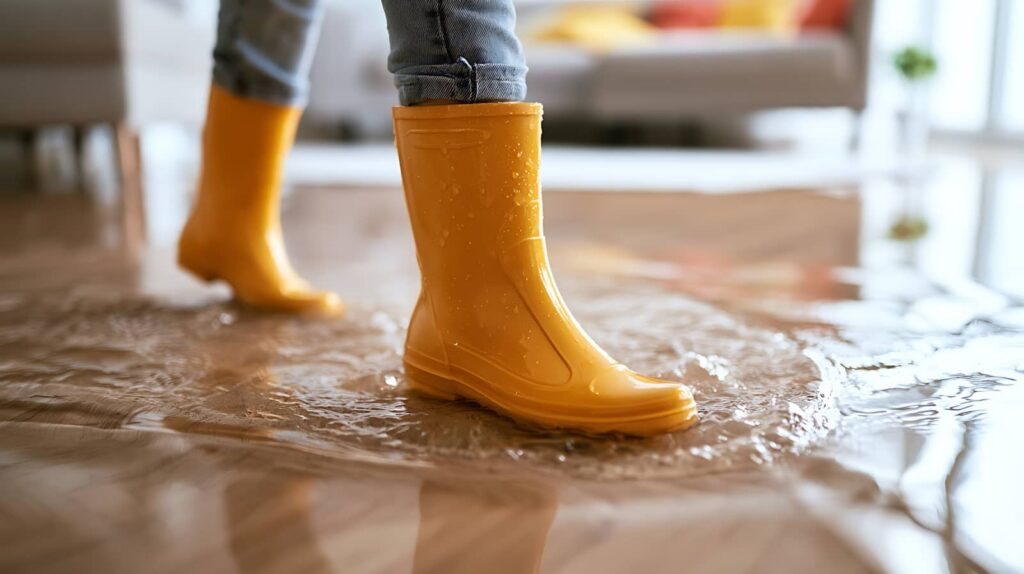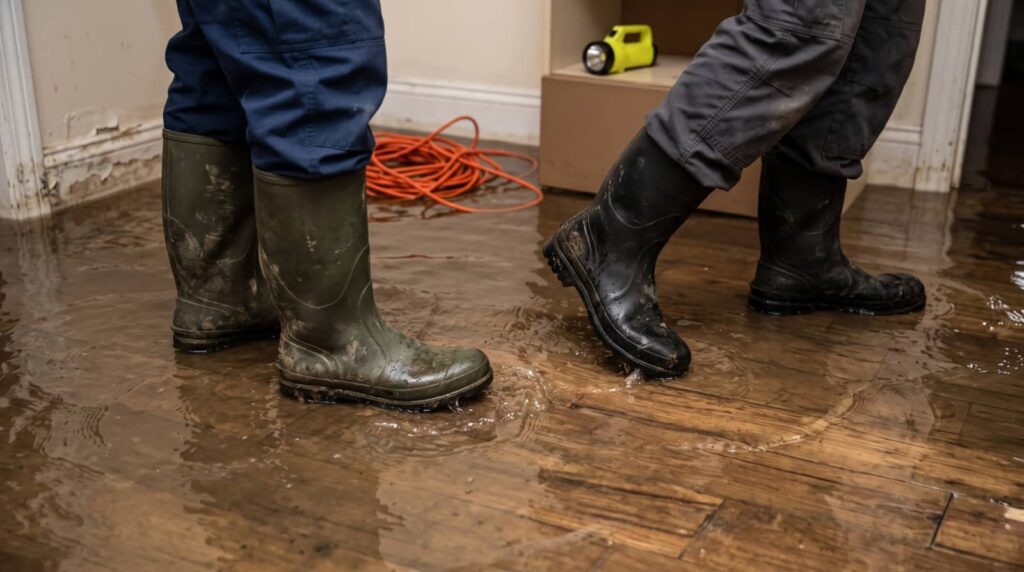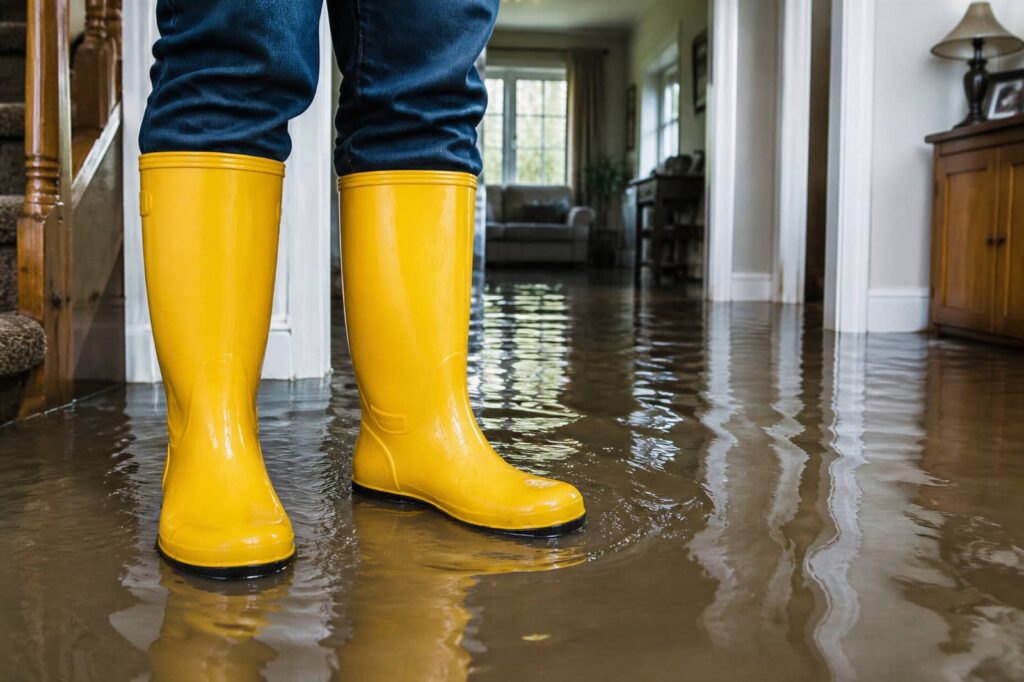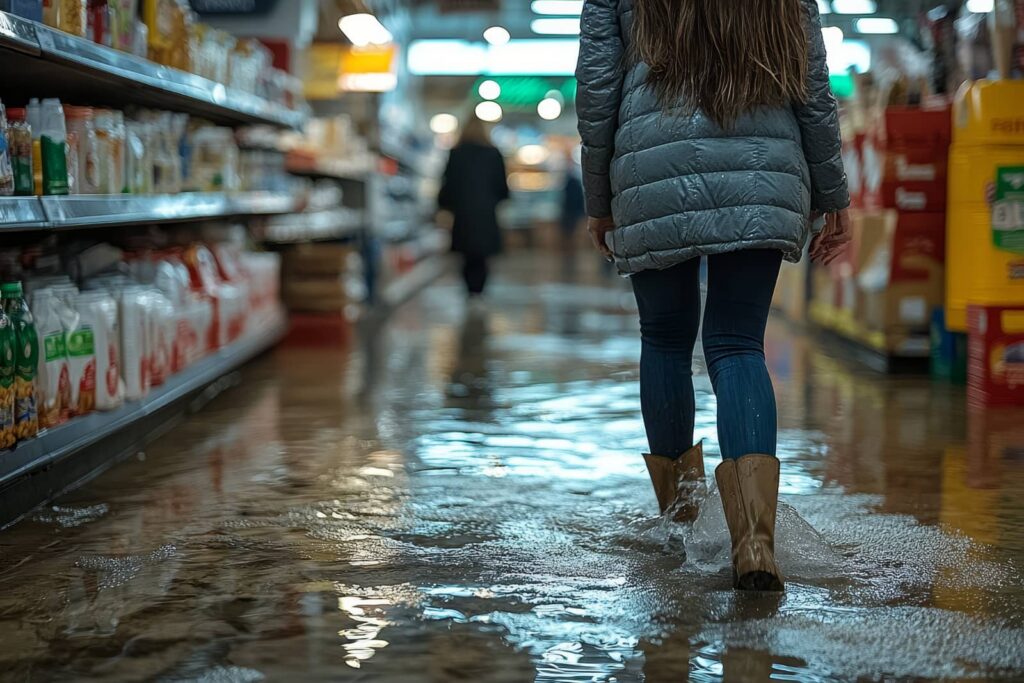
You see a floor turned into a shallow sheet of water, and every minute it sits, the damage spreads. Commercial water extraction services pull out standing water fast, reduce hidden moisture, and help you protect equipment, materials, and structural components. They also cut downtime and lower mold risk after a loss. If you’re dealing with an active water event, knowing when to act can change everything.
Key Takeaways
- Commercial water extraction quickly removes standing water, limiting structural damage and reducing cleanup complexity.
- Fast extraction lowers mold risk by preventing moisture from spreading into walls, flooring, and porous materials.
- It helps businesses resume operations sooner by shortening downtime and preserving usable equipment and contents.
- Professional extraction identifies hidden moisture, including water trapped under baseboards and in seams, for thorough remediation.
- Rapid water removal protects property integrity and creates a safer, drier environment for the next recovery steps.
What Commercial Water Extraction Does
Commercial water extraction removes standing water quickly to limit structural damage, reduce mold risk, and keep your business operational. You get an emergency response that targets water damage before it spreads into flooring, drywall, and equipment.
Technicians assess affected zones, identify hidden moisture, and use high-capacity pumps and vacuums to lower water levels fast. They also monitor conditions so you can make informed decisions without guesswork. This process helps you stay in control during a stressful event, and it shows you’re not handling the problem alone.
What Water Extraction Removes Quickly
Water extraction quickly removes standing water, pooled moisture, and saturated debris before they seep deeper into flooring, drywall, insulation, and equipment.
You also clear hidden water in seams, under baseboards, and inside porous materials where flood damage can spread fast. By targeting these wet zones early, you support moisture control and reduce the chance of further saturation in your building.
Your team can then inspect surfaces, measure remaining dampness, and focus on areas that still hold water. This practical step helps you protect shared workspaces and keep your property on a steadier path to recovery.
When you act quickly, you’re not handling the mess alone—you’re using a process designed to restore control and help your space feel safe again.
How Water Extraction Limits Downtime
By removing water fast, you cut the time it takes to stop damage, dry materials, and get your space back in use. You also protect operational efficiency by keeping disruptions contained and predictable, so your team can stay focused and confident.
You reduce the area affected by water damage.
You shorten cleanup tasks that stall work.
You preserve equipment, flooring, and contents for quicker reuse.
You support a smoother return to normal operations.
With the right extraction process, you don’t have to guess what comes next; you follow a clear recovery path.
That structure helps your business stay organized, connected, and ready to reopen with less strain on your people and your schedule.
Why Fast Water Removal Matters
When you remove standing water quickly, you limit how far it spreads and how much damage it can do to flooring, walls, equipment, and structural materials.
Fast action also supports a stronger emergency response, because you can assess conditions sooner and move teams into the right areas without delay.
In your space, every minute counts: moisture keeps migrating, adds weight, and creates unstable conditions that complicate cleanup.
Quick extraction helps with damage prevention by stopping water from reaching more surfaces and reducing the chance that small problems turn into larger recovery tasks.
You get a more controlled process, less disruption, and clearer next steps for your crew.
Acting fast doesn’t just solve the immediate issue; it helps you stay ahead of the problem and keep your operation steady.
How Water Extraction Protects Property
Professional water extraction helps protect your property by removing moisture before it can seep deeper into flooring, wall cavities, insulation, and structural materials. You’re reducing the chance that hidden water will weaken finishes or create costly secondary damage.
With quick action, you support flood prevention and keep your building’s components stable.
- Extract standing water to limit absorption.
- Reduce moisture loads in porous materials.
- Support property preservation by preserving load-bearing assemblies.
- Help your space return to a safer, drier condition.
When you choose professional extraction, you’re joining a practical approach that values control, efficiency, and long-term integrity.
That means fewer surprises, better material performance, and more confidence that your property’s core structure stays protected.
When to Call Commercial Restoration Pros
If water has reached flooring, wall cavities, electrical areas, or structural materials, you should call commercial restoration pros right away.
You need an emergency response team when leaks spread fast, odors appear, or materials feel damp after initial cleanup. These signs mean moisture may be trapped where you can’t safely dry it yourself.
Pros use meters, thermal imaging, and a damage assessment to find hidden saturation, then they extract water, stabilize conditions, and reduce the risk of mold and structural decline.
If your business needs to stay open and your crew needs confidence, bringing in specialists helps you recover with less disruption.
You’re not overreacting; you’re protecting your space, your people, and your next workday.
Frequently Asked Questions
How Are Commercial Water Extraction Costs Typically Calculated?
You’ll usually get a cost breakdown based on square footage, water depth, equipment, labor, and drying time. Service factors like access, contamination level, and emergency response can raise costs, but you’re still in control.
Does Water Extraction Help With Insurance Claim Documentation?
Yes, water extraction helps your insurance claim documentation like a lighthouse in fog. You’ll get dated photos, moisture readings, and service logs that support insurance processes and claim support, making your case clearer and stronger.
What Equipment Is Used for Large-Scale Water Extraction?
You’d use high-capacity submersible pumps, truck-mounted extractors, wet vacuums, and powerful air movers with dehumidifiers. Professional crews combine pumping techniques and drying equipment to remove water fast, limit damage, and reassure you throughout the process.
How Soon Should Extraction Begin After a Flood Event?
You should begin extraction within hours, not days; waiting won’t save money or reduce damage. In flood response, extraction urgency protects your property, speeds drying, and keeps your team confidently moving together.
Can Water Extraction Services Handle Hazardous Contamination?
Yes, you can rely on trained crews to manage hazardous materials and reduce contamination risks. They’ll assess, contain, extract, and disinfect using proper PPE and protocols, so you’re protected and your facility stays compliant.
Final Thoughts
When water hits your business, you need action, not delay. Commercial water extraction removes standing water, lifts hidden moisture, and helps protect floors, walls, and equipment before damage spreads. Why risk mold, downtime, and costly repairs when fast response can stop them early? By calling commercial restoration pros right away, you help safeguard your property, reduce disruption, and get back to work with confidence. Quick extraction isn’t just helpful—it’s essential.