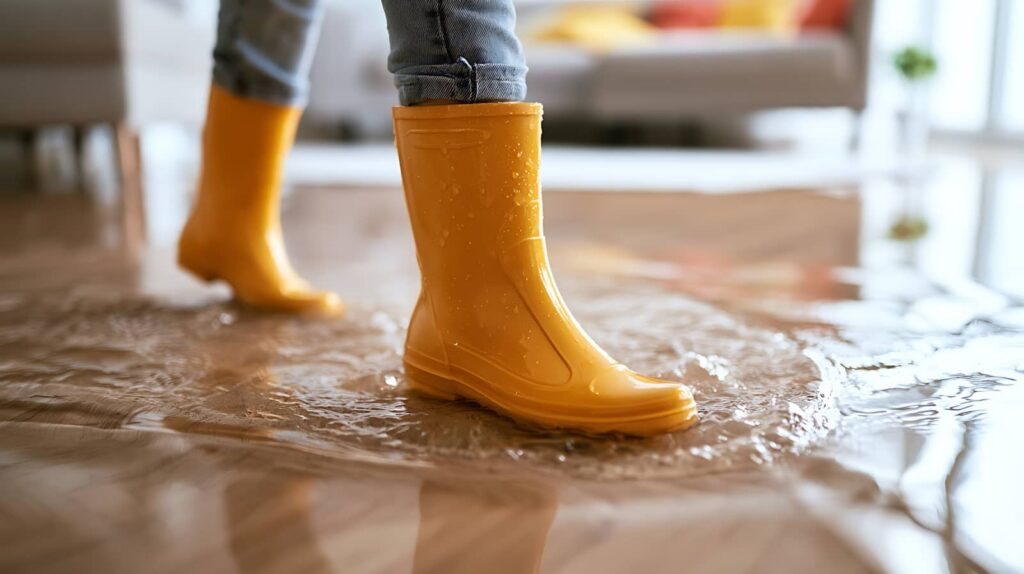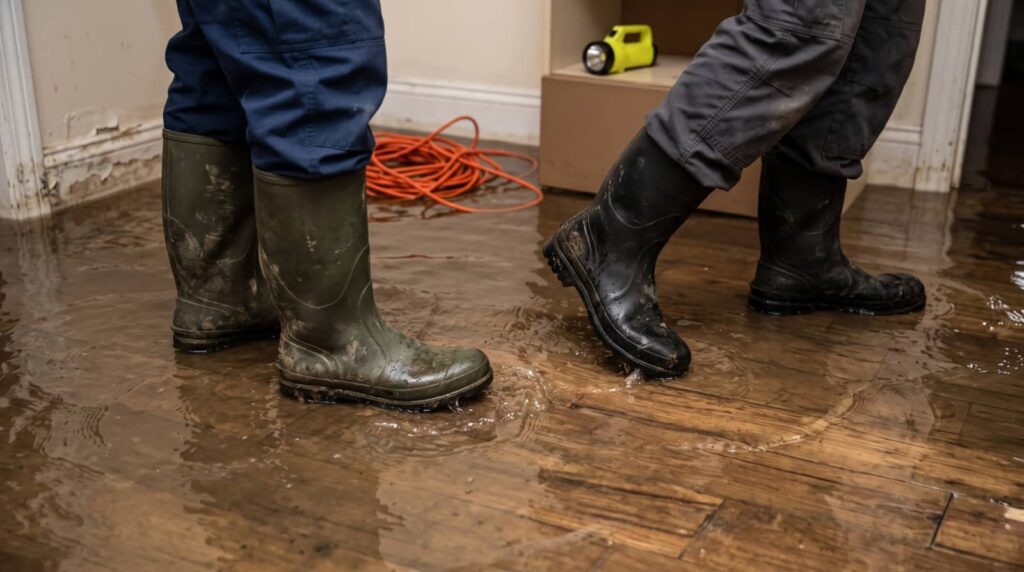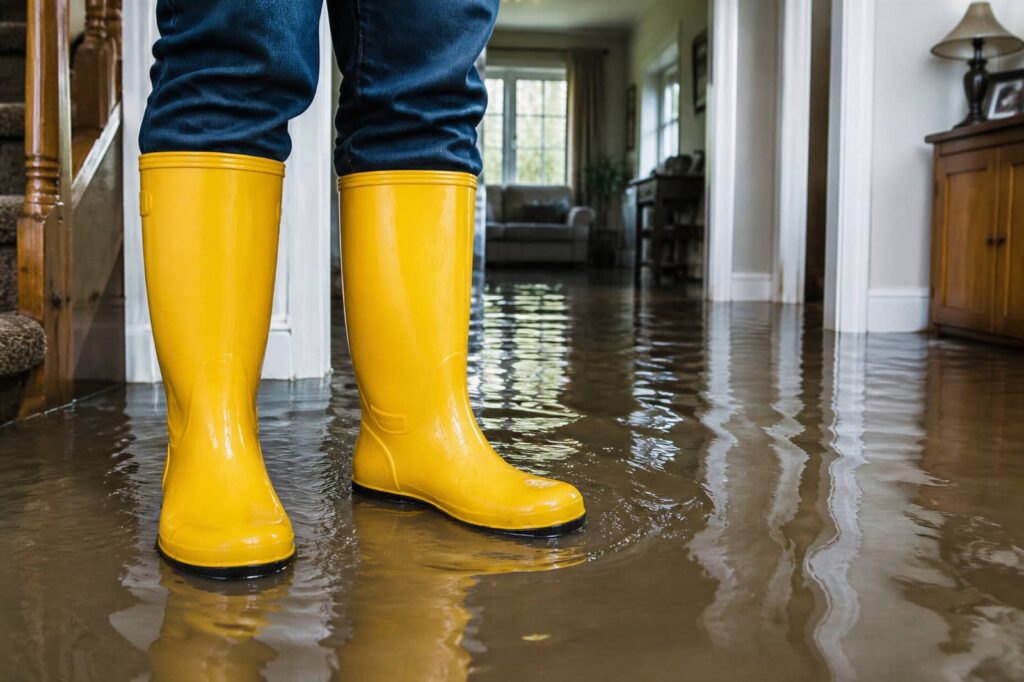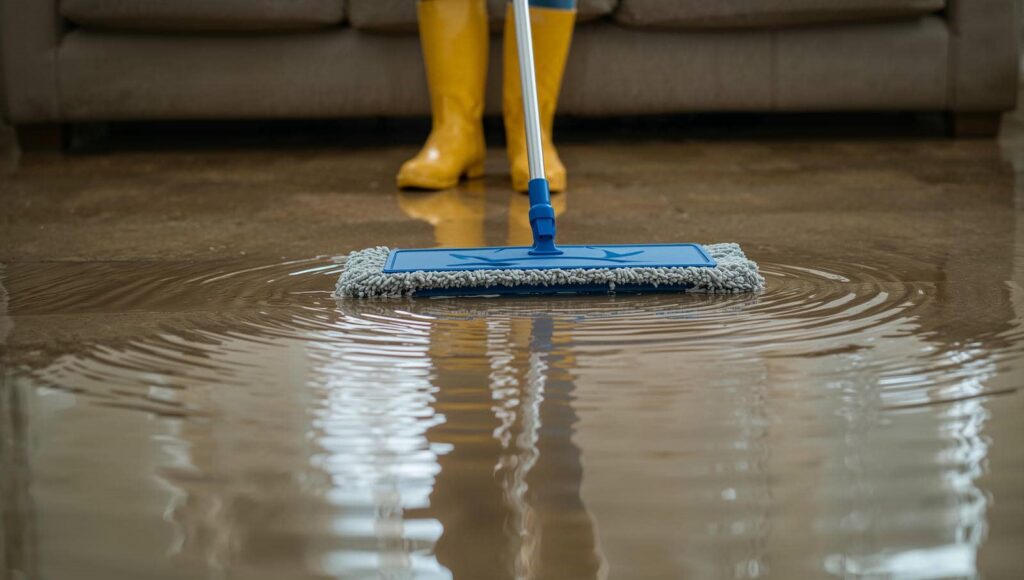
Addressing water damage quickly is essential to minimizing long-term impacts on your property. Fortunately, there are effective and affordable methods for water extraction that you can implement right away. Understanding these techniques can greatly protect your investment and ensure a safe living environment. Let’s explore the top three solutions you can use.
Key Takeaways
- DIY Techniques: Use a wet/dry vacuum for efficient removal of smaller water spills without professional help.
- Dehumidifiers: Employ dehumidifiers to extract moisture from the air and prevent mold growth effectively.
- Absorbent Materials: Utilize towels and mops to quickly soak up excess water, minimizing damage.
- Prompt Response: Address water damage immediately to reduce repair costs and preserve property value.
- Regular Maintenance: Conduct regular inspections and repairs to prevent future water intrusion and damage.
Quick Recovery: Top 3 Affordable Water Extraction Methods
When faced with water damage, quick recovery is essential, and knowing the most affordable extraction methods can save you time and money.
First, consider DIY techniques like using a wet/dry vacuum. This handy tool lets you tackle smaller spills effectively.
Next, explore equipment options such as dehumidifiers, which help remove moisture from the air and prevent mold growth.
Finally, absorbent materials like towels and mops can assist in soaking up excess water quickly.
By using these methods, you can efficiently address water damage without breaking the bank.
Stay proactive and make sure your property remains safe and dry, fostering a sense of community in your home environment.
How Water Damage Affects Property Value and Safety?
Although water damage may seem like a minor issue at first, it can greatly impact both property value and safety. Ignoring it can lead to significant consequences:
Property Depreciation: Even minor water damage can decrease your property’s market value, affecting resale potential.
Health Risks: Mold and mildew thrive in damp environments, posing serious health risks for you and your family.
Structural Integrity: Prolonged exposure to moisture can weaken walls and foundations, leading to costly repairs.
Addressing water damage promptly protects your investment and ensures a safe living environment.
Maintain Your Property After Water Extraction
After water extraction, it’s vital to implement maintenance strategies to prevent future damage and assure your property remains safe.
Start by focusing on moisture control; make certain that your property is well-ventilated and that any leaks are promptly repaired. Use dehumidifiers to maintain ideal humidity levels, which is essential for mold prevention.
Regularly inspect areas prone to dampness, such as basements and crawl spaces, for any signs of water intrusion. Also, clean gutters and downspouts to direct water away from your foundation.
Finally, consider applying mold-resistant paint and materials to further safeguard your home.
Frequently Asked Questions
How Do I Know if I Need Water Extraction Services?
You’ll need water extraction services if you notice water damage, persistent moisture, or mold growth. Document the damage for insurance claims, as timely action can prevent further complications and ensure your property stays safe.
What Are the Signs of Hidden Water Damage?
You’ll notice signs of hidden water damage through water stains, damp walls, mold growth, basement flooding, leaky pipes, and potential structural damage. Address these issues promptly to protect your home and maintain its integrity.
Can I Perform Water Extraction Myself?
Yes, you can perform water extraction yourself. Many homeowners opt for DIY techniques due to cost considerations. Just make certain you have the right tools and knowledge to avoid further damage and health risks.
How Long Does the Water Extraction Process Take?
The water extraction timeline can vary considerably. Factors affecting duration include the water volume, type of extraction method, and environmental conditions. Typically, it takes several hours to days to complete the process effectively.
What Equipment Is Commonly Used for Water Extraction?
Think of your toolkit as a lifeline. You’ll commonly use water pumps, extraction vacuums, moisture meters, and industrial dehumidifiers to efficiently tackle water extraction, ensuring a thorough and effective drying process for any property.
Conclusion
Tackling water damage quickly is essential for preserving your property’s value and safety. By using a wet/dry vacuum, dehumidifiers, and absorbent materials, you can effectively manage spills and moisture. Remember, a stitch in time saves nine; addressing issues promptly prevents bigger problems down the line. Stay proactive in your maintenance efforts, and you’ll protect your investment and ensure a healthier living environment for everyone involved.