Think of your business as a ship steering through stormy seas; without a solid plan, even a small leak can lead to significant damage. When faced with a water emergency, identifying and containing the source is your first step. Next, the right tools can make all the difference. Finally, effective emergency water extraction drying strategies are essential to prevent long-term issues. Understanding these techniques can be the key to safeguarding your operations and ensuring a swift recovery.
Key Takeaways
- Quickly identify and contain the water source to minimize damage and prioritize safety.
- Utilize high-capacity pumps and wet vacuums for effective water extraction.
- Deploy industrial dehumidifiers and air movers to expedite the drying process.
- Regularly monitor moisture levels and adjust strategies to ensure thorough drying.
- Foster a culture of preparedness by engaging staff in emergency response planning.
Identify and Contain the Water Source
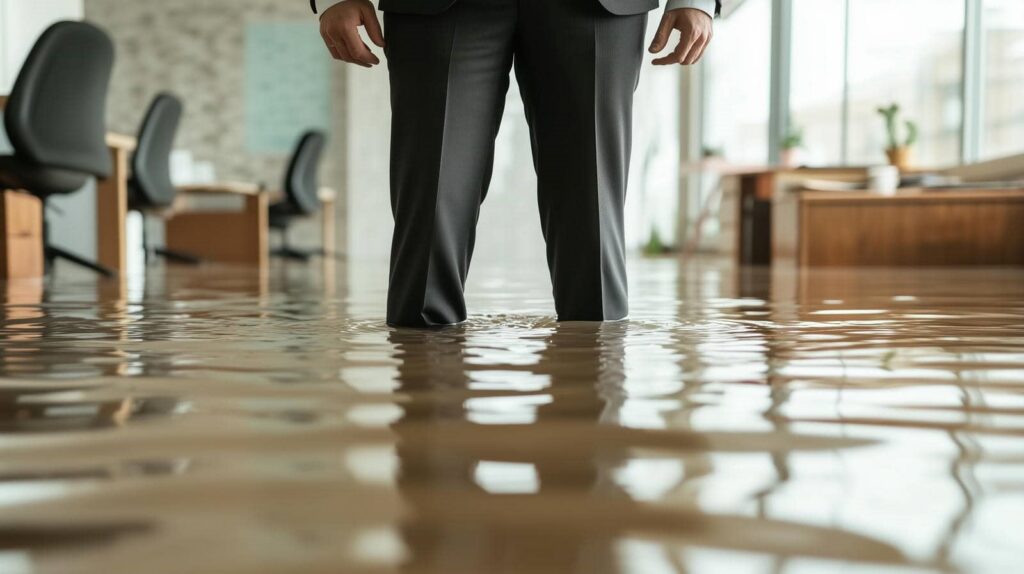
When you face a water emergency, the first step is to quickly identify and contain the source of the leak. Effective water source identification is essential; it allows you to determine whether the leak stems from pipes, appliances, or external factors.
Once you pinpoint the source, act swiftly to contain the water, using barriers or towels to minimize damage. Incorporating these actions into your emergency response planning ensures everyone knows their role, fostering a collective effort that strengthens your team’s resilience.
Communicate clearly with your staff, so they feel supported and informed. By prioritizing both identification and containment, you protect your business assets and create a culture of preparedness that brings everyone together.
Get the Right Tools for Water Extraction
Equip your business with the right tools for efficient water extraction to minimize damage and restore normalcy quickly. Investing in quality extraction equipment is essential for effective water removal.
Start with high-capacity pumps that can handle large volumes, ensuring rapid drainage. Wet vacuums are also vital for tackling residual moisture in carpets and hard surfaces.
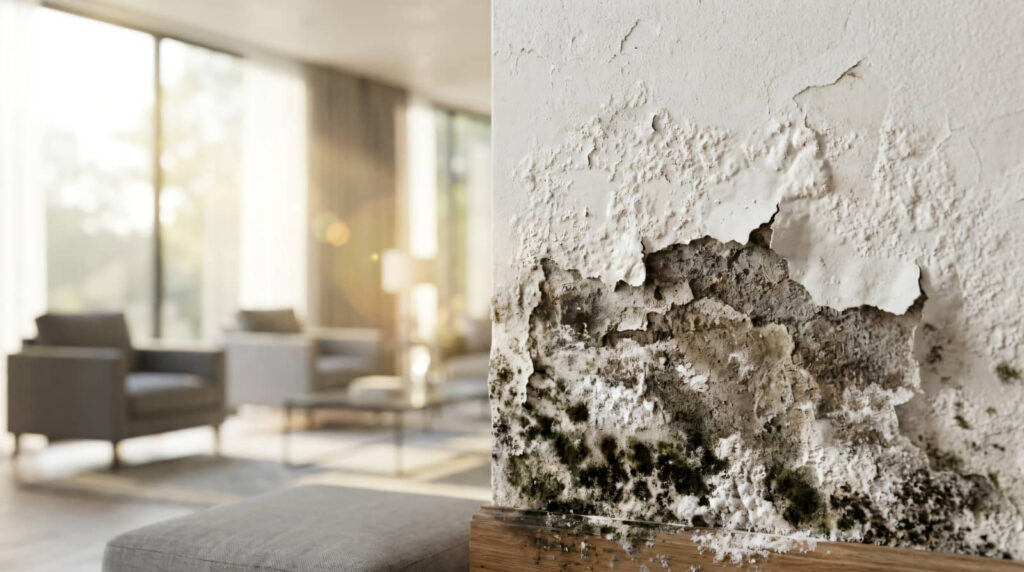
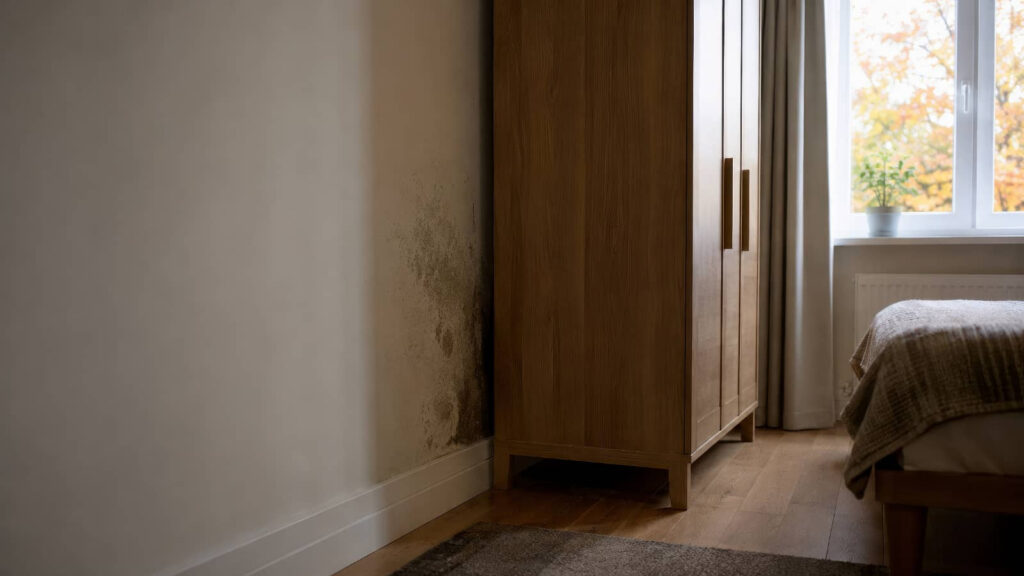
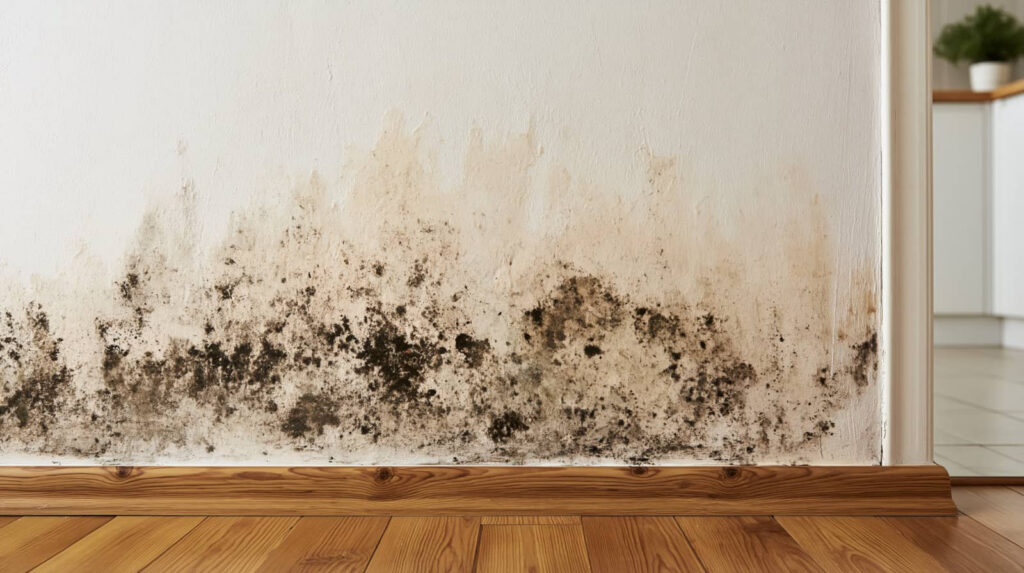
Consider dehumidifiers to speed up the drying process, preventing mold growth and structural damage. For smaller areas, portable extraction tools can be invaluable, allowing you to reach tight spots easily.
Don’t forget personal protective equipment, as safety should always be a priority. By selecting the right tools, you create a proactive approach that protects your assets and fosters a sense of community resilience.
Implement Effective Drying Strategies
Implementing effective drying strategies is vital for mitigating water damage and restoring your business environment swiftly.
Start with a thorough moisture assessment to identify affected areas and moisture levels. This step ensures you target your efforts where they’re needed most.
Next, deploy appropriate drying equipment, such as industrial dehumidifiers and air movers, to expedite the drying process. Position these tools strategically to maximize airflow and minimize stagnant moisture.
Monitor progress regularly, adjusting equipment placement as necessary to achieve ideal results. By staying proactive and attentive to changes, you’ll create a safer and more comfortable environment for your employees and customers.
With the right approach, you protect your assets and foster a sense of community and belonging within your business.
Frequently Asked Questions
How Can We Prevent Future Water Damage Incidents?
To prevent future water damage incidents, prioritize moisture control through regular inspections, proper drainage systems, and installing dehumidifiers. You’ll create a safer environment, ensuring your space remains welcoming and protected for everyone involved.
What Insurance Coverage Is Best for Water Damage?
Think of water damage policies as your business’s lifeline. You’ll want extensive commercial coverage that includes both sudden incidents and gradual wear, ensuring you’re protected from unexpected costs and keeping your operations running smoothly.
How Do We Assess Structural Damage After Water Exposure?
To assess structural damage after water exposure, conduct a thorough damage assessment using moisture detection tools. Inspect walls, floors, and ceilings for warping or mold. Document findings to guide repairs and ensure safety for everyone involved.
When Should We Call a Professional Water Extraction Service?
You should call a professional water extraction service immediately when you notice significant water damage, as effective extraction methods are essential for preventing mold growth and further structural issues. Timely action ensures a safer environment for everyone.
What Are the Health Risks Associated With Standing Water?
Standing water poses serious health risks. It fosters mold growth, leading to respiratory issues. Addressing these hazards quickly can safeguard your health and the environment effectively.
Wrap-Up
In emergencies, swift action is your best ally. By identifying and containing the leak, equipping yourself with the right tools, and implementing effective drying strategies, you create a fortress against water damage. Remember, every moment counts; like a stitch in time, your proactive measures can save your business from a deluge of losses. Stay prepared, adapt your strategies, and you’ll restore normalcy and fortify your operations against future storms.