When it comes to water damage repair for your business, pinpointing the extent of the damage is essential. You need to act quickly, employing effective methods to extract water and initiate drying. Understanding the right techniques can greatly impact your recovery process. Each step, from cleaning to preventative measures, plays an important role in minimizing future risks. What’s the best approach for ensuring your business is fully protected and ready for any water-related incident?
Key Takeaways
- Engage emergency response teams immediately to conduct water extraction and minimize damage effectively.
- Implement strategic airflow management and dehumidification to facilitate thorough drying of affected areas.
- Assess and document structural damage, consulting professionals for extensive repairs and using appropriate materials.
- Utilize moisture detection tools to monitor saturation levels and prevent mold growth throughout the restoration process.
- Research and select restoration services with proven track records and rapid response capabilities to ensure efficient recovery.
Assessing the Extent of Water Damage
When you discover water damage in your business, it’s imperative to assess the extent of the problem immediately, as this will dictate your repair strategy.
Start with water source identification; pinpointing the origin is essential for effective remediation. Look for visible leaks, stains, or mold growth, and consider potential hidden sources like plumbing or roofing issues.
Utilize damage assessment tools, such as moisture meters, to gauge saturation levels in walls and floors. Infrared cameras can reveal moisture trapped within structures, enhancing your understanding of the damage.
Document your findings meticulously, as this data will be critical for insurance claims and future prevention strategies.
Immediate Water Extraction Methods
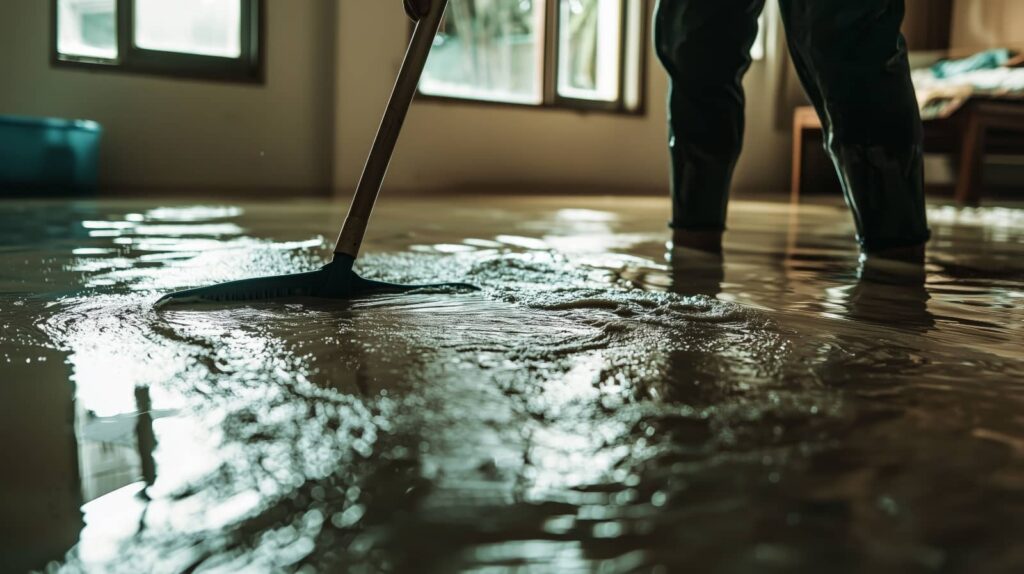
When water damage occurs, your first step is to engage an emergency response team that specializes in water extraction.
These professionals utilize portable extraction equipment to quickly remove standing water, minimizing further damage.
Emergency Response Teams
Although water damage can escalate rapidly, emergency response teams are equipped to act swiftly, employing immediate water extraction methods to mitigate the impact.
These teams undergo rigorous response training, ensuring they’re prepared for diverse scenarios. They evaluate the situation, prioritize safety, and implement emergency preparedness protocols to minimize damage.
Utilizing advanced techniques, they can quickly extract water, preventing secondary issues like mold growth and structural damage.
Their systematic approach includes monitoring moisture levels and evaluating damage to tailor effective strategies. By coordinating with business owners, these professionals foster a collaborative environment, instilling confidence in their ability to restore operations promptly.
In these critical moments, their expertise becomes invaluable, ensuring your business can recover efficiently and effectively.
Portable Extraction Equipment
Emergency response teams rely heavily on portable extraction equipment to facilitate immediate water removal from affected areas.
These machines offer significant portable extraction benefits, allowing you to minimize damage and reduce restoration time. High-capacity pumps and powerful wet vacuums efficiently extract standing water, ensuring that moisture levels drop quickly.
To maximize effectiveness, it’s essential to prioritize equipment maintenance. Regular checks on hoses, filters, and motor functions ensure peak performance during emergencies.
When you keep your equipment in top shape, you enhance your team’s ability to respond swiftly and effectively. By investing in quality portable extraction equipment and committing to proper maintenance, you’re not just protecting your business; you’re fostering a sense of reliability and community resilience among your team and clients.
Drying and Dehumidification Techniques
To effectively mitigate water damage, you’ll need to implement strategic airflow management to facilitate drying.
Selecting the right dehumidifiers is essential for removing excess moisture, while continuous monitoring of moisture levels ensures that your efforts are effective.
Airflow Management Strategies
Effective airflow management is essential when tackling water damage, as it greatly accelerates the drying process and minimizes moisture-related issues.
To optimize airflow in your space, consider these ventilation techniques:
Use Fans Strategically: Position high-velocity fans to create cross-ventilation, directing air towards damp areas.
Open Windows and Doors: Allow fresh air to circulate, enhancing airflow optimization and reducing humidity levels.
Remove Obstructions: Clear furniture and other obstructions from airflow paths to ensure efficient airflow.
Monitor Humidity Levels: Use hygrometers to assess moisture and adjust ventilation accordingly.
Dehumidifier Selection Tips
When choosing a dehumidifier for water damage repair, it’s crucial to contemplate the specific needs of your space and the severity of the moisture issue.
Start by evaluating the dehumidifier types available, such as refrigerant and desiccant models. Refrigerant dehumidifiers are ideal for warmer conditions, while desiccant units excel in cooler environments.
Examine their energy efficiency, as this will impact your operational costs. Look for units with high moisture removal capacities that can handle your specific volume of water damage.
Additionally, consider portability if you need to move the unit between areas. By selecting the right dehumidifier tailored to your situation, you’ll ensure effective moisture control and foster a safer environment for everyone in your business.
Monitoring Moisture Levels
After selecting the right dehumidifier, monitoring moisture levels becomes an essential step in ensuring thorough drying and effective moisture control.
This process involves using moisture sensors and humidity monitors to evaluate the environment consistently. Here are key techniques to follow:
Install moisture sensors in critical areas to track fluctuations in humidity levels.
Use humidity monitors to maintain ideal levels, ideally between 30% to 60%.
Regularly check readings to identify problem areas, allowing for timely adjustments.
Document data to establish patterns and improve future moisture management strategies.
Cleaning and Sanitizing Affected Areas
Once you’ve assessed the extent of the water damage, it’s essential to start cleaning and sanitizing the affected areas promptly.
Begin by removing any standing water using pumps or wet vacuums. This step is critical for preventing mold growth. Next, follow established sanitization protocols to ensure thorough cleaning. Use a combination of soap and water to remove dirt and debris, then apply an appropriate disinfectant. Focus on high-touch surfaces, as these are prone to contamination.
Ascertain that you adhere to the manufacturer’s guidelines for disinfectant applications, allowing sufficient contact time for effective results.
After sanitizing, ventilate the area well to promote drying and decrease humidity. Regularly monitor the area for moisture to prevent future issues.
Repairing Structural Damage
Although evaluating the extent of the structural damage might seem intimidating, addressing these issues is essential for restoring the integrity of your business premises.
You need to take a systematic approach to ensure that every aspect of the repair process is thoroughly managed. Here’s how to proceed:
Assessment: Inspect the damaged areas to identify structural weaknesses and potential hazards.
Documentation: Record all findings, including photographs and detailed notes, for future reference and insurance claims.
Selection of Repair Materials: Choose appropriate repair materials that match the original structure and maintain structural integrity.
Engagement of Professionals: If the damage is extensive, consult with structural engineers or contractors to execute repairs efficiently.
Preventative Measures for Future Incidents
Addressing structural damage is just the beginning; implementing preventative measures is key to safeguarding your business against future water-related incidents.
Start by investing in effective waterproofing solutions. These can include sealants and membranes that protect vulnerable areas of your building, preventing water infiltration and damage.
Next, evaluate your drainage systems. Properly functioning gutters and downspouts are essential in diverting water away from your foundation.
Regular inspections and maintenance can prevent blockages that lead to overflow and potential flooding.
Consider installing sump pumps in basements or lower levels to manage excess water effectively.
Additionally, make sure that landscaping slopes away from your building to promote drainage.
Working With Professional Restoration Services
How can you ensure that your business recovers efficiently from water damage?
Working with professional restoration services is key. By following best practices in service selection, you can secure a thorough recovery.
Here are four essential steps to take into account:
Research Credentials: Verify certifications and experience to ascertain that your chosen service meets industry standards.
Evaluate Response Time: Look for a service that operates 24/7, as immediate action is vital in minimizing damage.
Check Reviews: Read customer testimonials to gain insights into the service’s reliability and quality of work.
Discuss Procedures: Understand the restoration process, including drying techniques and equipment used, to ensure transparency.
Frequently Asked Questions
How Can I File an Insurance Claim for Water Damage?
To file an insurance claim for water damage, document the damage thoroughly, contact your insurer, and complete the necessary forms. Make certain you meet deadlines, providing all required evidence to support your claim effectively.
What Are the Signs of Mold Growth After Water Damage?
If you’ve experienced water damage, be alert: about 60% of homes develop mold within 24-48 hours. Look for discoloration, musty odors, or increased humidity. Regular mold inspections and effective prevention strategies can help you maintain a safe environment.
How Long Does Water Damage Restoration Typically Take?
Water damage restoration typically takes three to five days, depending on the extent of damage. The water damage timeline includes assessment, drying, and repairs, ensuring a thorough restoration process for your peace of mind and safety.
Can I Stay in My Business During the Repair Process?
You can’t stay in your business during repairs; it’s a recipe for chaos! Prioritize business continuity and employee safety instead. Relocating temporarily ensures a smooth restoration process without jeopardizing your team’s well-being or productivity.
What Types of Insurance Cover Water Damage Repairs?
Flood insurance and commercial property insurance often cover water damage repairs. Check your policy details carefully to make certain you’re protected against specific water-related incidents, like flooding or plumbing failures, which can vary greatly between plans.
Conclusion
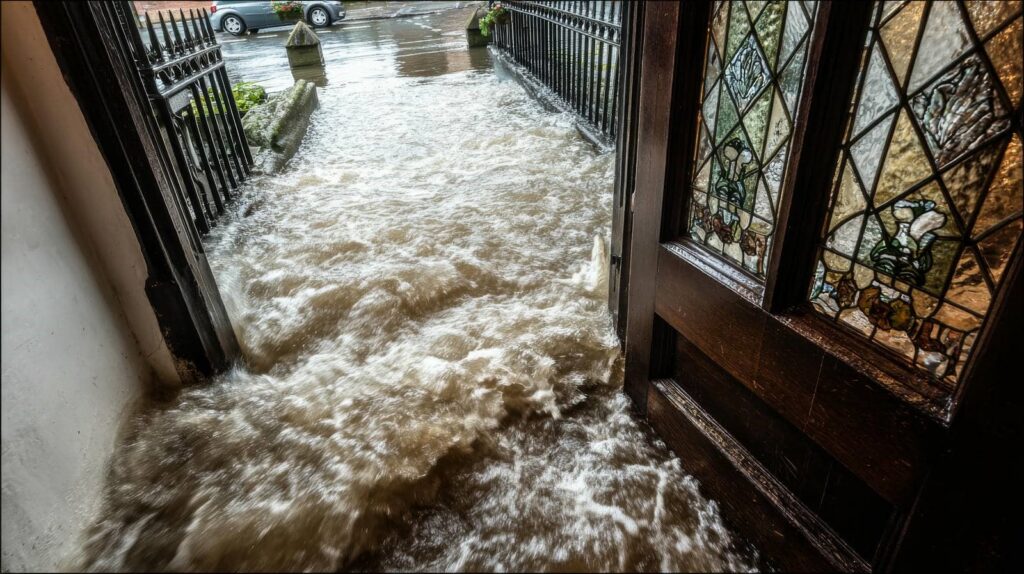
In the face of water damage, acting swiftly is vital. Imagine a sudden storm that floods your workspace; by using effective extraction and drying techniques, you can prevent mold and structural deterioration. Collaborating with experienced restoration professionals ensures you tackle repairs efficiently, safeguarding your business for the future. By implementing preventative measures, you create a fortress against future incidents. Remember, every minute counts—responding quickly minimizes damage and protects your investment and peace of mind.