Commercial Water Damage Cleanup is essential when water damage threatens your business and can spread quickly, creating major disruptions if not addressed promptly. You need to assess the situation quickly and act decisively to minimize damage. Selecting the right equipment is essential for effective water removal, along with implementing preventative measures to reduce future risks. Understanding these strategies can make the difference between a minor setback and a major disaster. The right steps can help guarantee a successful cleanup and a faster return to normal operations.
Key Takeaways
- Quickly identify the water source to address the issue and prevent further damage to the commercial property.
- Utilize high-powered pumps and industrial dehumidifiers for efficient water extraction and drying.
- Inspect all affected areas thoroughly for hidden moisture and potential mold growth.
- Implement preventative waterproofing measures to safeguard against future water damage.
- Foster collaboration among employees and neighbors for effective cleanup and recovery support.
How to Assess Water Damage Before You Clean Up?
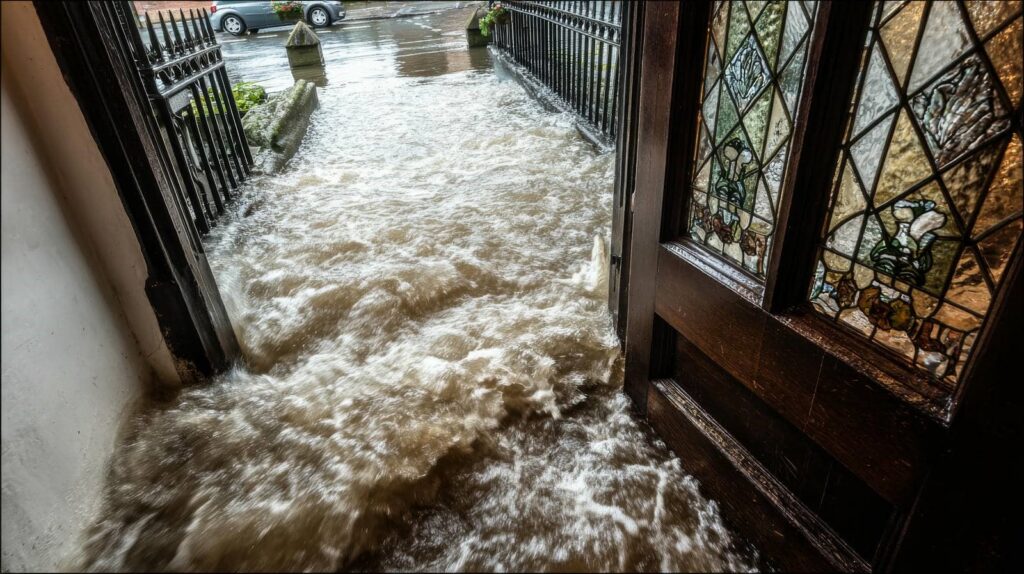
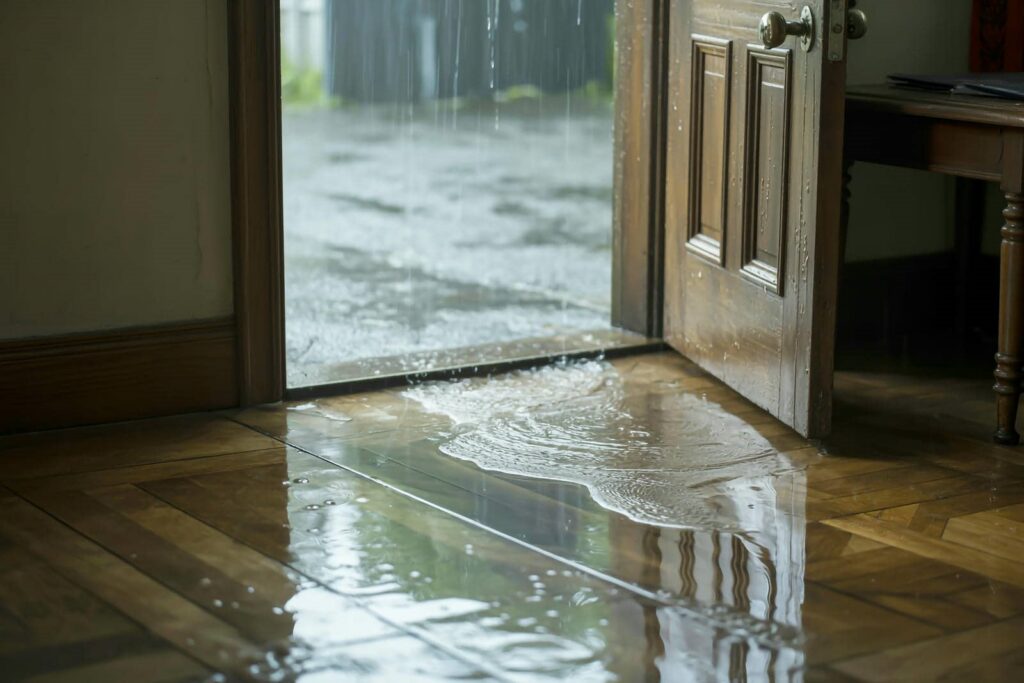
How can you effectively assess water damage before diving into cleanup? Start with water source identification; pinpoint where the water is coming from—be it a burst pipe, roof leak, or flooding. This step’s essential for determining how to approach the situation.
Next, conduct a damage severity evaluation. Inspect affected areas like walls, flooring, and furniture to gauge how deeply the water has penetrated. Look for discoloration, warping, or mold growth, which indicate the extent of the damage.
Document your findings and prioritize your response based on severity. By methodically identifying the source and evaluating the damage, you’ll set a solid foundation for an effective cleanup, ensuring your space returns to normal as quickly as possible.
Use the Right Equipment for Water Damage Removal
After evaluating the damage, the next step is to equip yourself with the right tools for effective water removal. Proper equipment guarantees efficient water extraction and thorough moisture detection, minimizing further damage.
Here are three essential tools you need:
- High-Powered Pump: This is essential for rapid water extraction, especially in flooded areas. Choose one that suits your specific needs.
- Moisture Meters: Use these to detect hidden moisture in walls and floors, helping you target areas that need extra attention.
- Industrial Dehumidifiers: They’re crucial for drying out spaces quickly and preventing mold growth.
Investing in the right equipment not only speeds up the cleanup process but also fosters a sense of belonging in a community focused on recovery and restoration.
Top Preventative Measures to Avoid Future Water Damage
While it’s impossible to predict every water-related incident, implementing preventative measures can markedly reduce the risk of future damage.
Start by investing in effective waterproofing techniques for your building’s foundation and walls. This not only safeguards against leaks but also enhances overall structural integrity.
Regular maintenance of your plumbing systems is essential; inspect for leaks and replace aging pipes promptly.
Additionally, consider advanced drainage solutions, like French drains or sump pumps, to manage excess water effectively.
Don’t overlook the importance of proper landscaping; guarantee that your property’s grading directs water away from the building.
Frequently Asked Questions
How Long Does the Water Damage Restoration Process Typically Take?
The restoration timeline typically spans from a few days to weeks, depending on the severity. Efficient drying techniques can expedite the process, ensuring your space returns to normal quickly while minimizing disruption for everyone involved.
What Are the Signs of Hidden Water Damage?
You’ll notice signs of hidden water damage through stained walls, warped floors, and musty odors. Use moisture detection tools to identify hidden leaks, ensuring you address issues promptly and maintain a safe, welcoming environment.
Can I File an Insurance Claim for Water Damage?
Yes, you can file an insurance claim for water damage if your policy includes coverage. Start the claim process by documenting the damage thoroughly and contacting your insurer to understand your specific coverage options.
How Do I Choose a Reliable Water Damage Restoration Company?
When choosing a reliable water damage restoration company, assess their reputation and check for service guarantees. Look for reviews like stars in the night sky, guiding you to trustworthy professionals who’ll restore your peace of mind.
What Health Risks Are Associated With Water Damage?
Water damage poses health risks like mold growth, which can trigger allergies and respiratory issues. Additionally, compromised structural integrity may lead to dangerous collapses. Act quickly to mitigate these hazards and guarantee a safe environment.
Review
In the world of commercial water damage cleanup, acting quickly can save you from a world of trouble. By evaluating the damage, using the right equipment, and taking preventative measures, you can effectively tackle any water-related issues. Remember, an ounce of prevention is worth a pound of cure. Stay proactive, and you’ll not only protect your property but also guarantee smooth business operations moving forward. Don’t let water woes dampen your success!