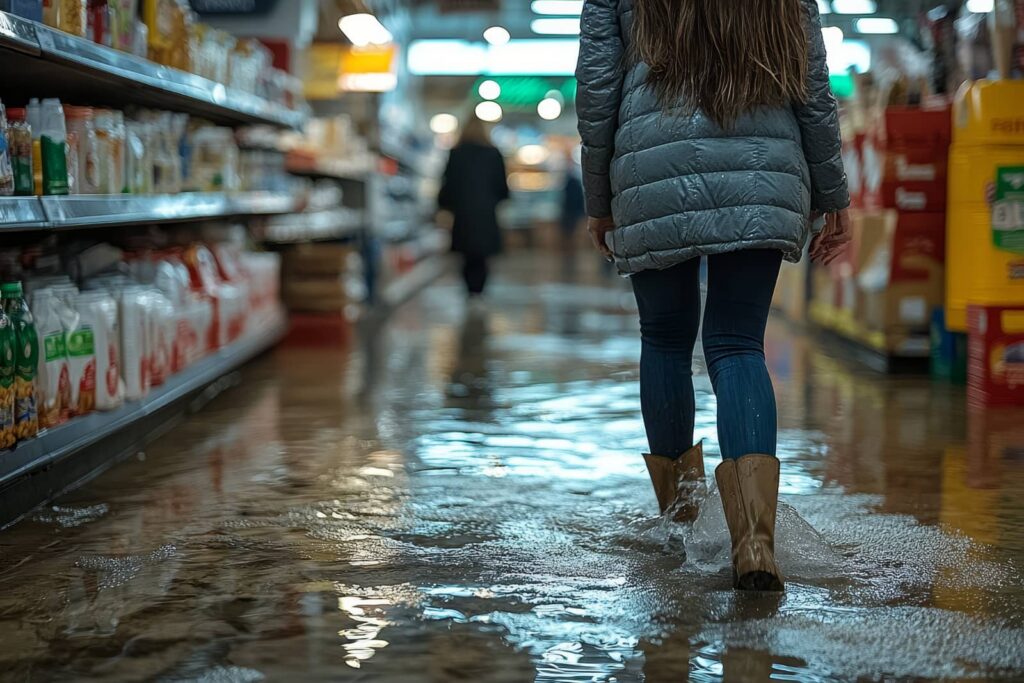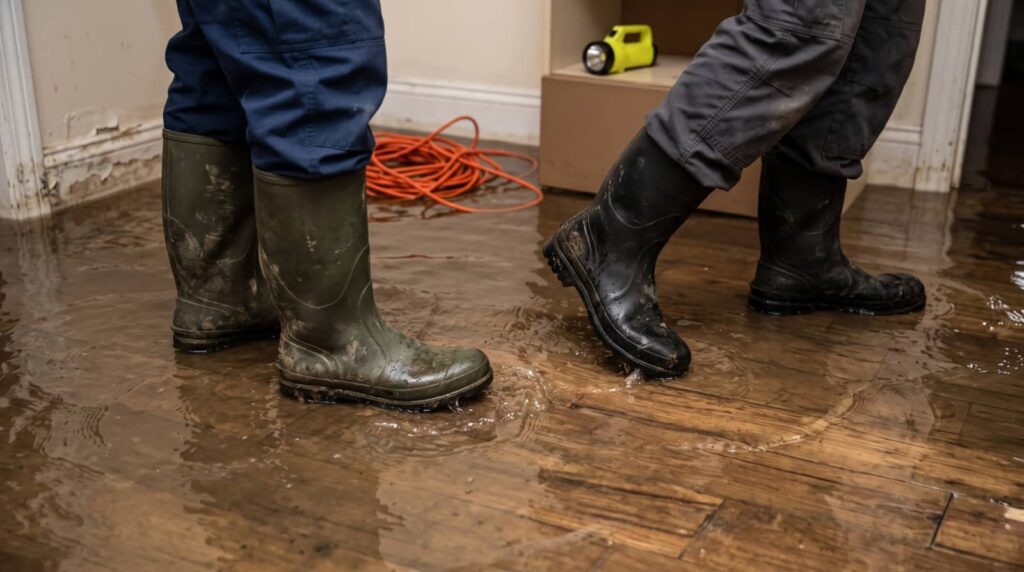
When faced with water damage, having the right tools can make all the difference. You need to act quickly, and knowing which equipment to use is essential for effective removal and drying. From submersible pumps to moisture meters, each tool plays a specific role in the recovery process. Understanding these tools can help you mitigate damage efficiently. But which ones should you prioritize? Let’s explore the top five emergency water removal tools you can’t afford to overlook.
Key Takeaways
Submersible Pump: Essential for quickly removing large volumes of water during flooding situations, minimizing damage and repair costs.
Wet/Dry Vacuum: Perfect for tackling smaller pools of water and residual moisture, making it a versatile tool for cleanup.
Moisture Meters: Effective for detecting hidden dampness in various materials, ensuring thorough drying and preventing mold growth.
Squeegee: Handy for efficiently removing water from hard surfaces, speeding up the drying process.
Fans/Dehumidifiers: Crucial for accelerating drying after water extraction, helping to restore affected areas quickly and effectively.
Why Quick Water Removal Tools Are Essential
When a water emergency strikes, having quick water removal tools at your disposal is essential. You can’t afford to wait, as water damage can escalate rapidly, leading to costly repairs and health risks.
Immediate action helps mitigate these risks and preserves your home’s integrity.
Familiarizing yourself with effective prevention methods is equally important. Understanding how to use tools like pumps and wet vacuums not only speeds up water removal but also minimizes damage.
You’ll feel empowered knowing you can tackle these situations head-on.
Top 5 Emergency Water Removal Tools You Need
Having the right tools at your fingertips can make all the difference in a water emergency. For effective water extraction, consider investing in a submersible pump. It quickly removes large volumes of water, making it essential for flood cleanup.
Next, a wet/dry vacuum is indispensable for tackling smaller pools and residual moisture. Don’t overlook moisture meters; they help identify hidden dampness, ensuring thorough drying.
For hard surfaces, a squeegee can expedite water removal, while fans or dehumidifiers can greatly speed up the drying process.
Together, these tools form a solid foundation for your emergency response kit, allowing you to tackle water emergencies confidently and efficiently, ensuring you and your community are prepared for the unexpected.
Effective Strategies for Using Water Removal Tools
To effectively use water removal tools, it’s crucial to prioritize your approach based on the severity of the situation.
Start by evaluating the area with moisture detection tools to pinpoint the most affected zones. Once you’ve identified these spots, employ suction techniques to maximize water extraction.
Use a combination of wet vacuums and pumps for larger volumes, ensuring you follow the manufacturer’s guidelines for peak performance.
After the initial removal, check for any residual moisture, as lingering dampness can lead to mold growth.
Maintain communication with your team throughout the process, sharing insights and techniques.
Choosing the Right Water Removal Equipment: What You Need to Know
Selecting the right water removal equipment can greatly impact the efficiency of your operation. Start by considering portable pumps, which offer versatility and ease of transport. They’re essential for quickly evacuating large volumes of water from affected areas.
Look for models with adjustable flow rates to match your specific needs.
Next, don’t underestimate the importance of moisture meters. These devices help you assess moisture levels in various materials, ensuring you’re not just moving water but effectively drying out your space.
When to Hire Professional Water Damage Restoration Services
When should you consider hiring professional water damage restoration services? If you’re facing extensive water damage, it’s wise to call in the experts.
When the water has affected multiple rooms or structural elements, DIY methods may not suffice. Professionals have specialized equipment and training to handle large-scale issues effectively.
Additionally, if you notice mold growth or persistent odors, it’s a clear sign that you need help. Quick action can greatly reduce the restoration timeline, preventing further damage.
Frequently Asked Questions
How Do I Prevent Water Damage Before It Happens?
To prevent water damage, ensure your drainage systems are clear and functional. Install moisture barriers in vulnerable areas. Regular maintenance and inspections can protect your space, keeping it safe and dry for you and your loved ones.
What Types of Water Damage Are Most Common?
You’ll often encounter water damage from flooding sources like burst pipes or heavy rains. This creates a perfect storm for mold growth, silently creeping in and wreaking havoc on your home’s structure and air quality.
Can I Use Household Items for Water Removal?
Yes, you can use household items for water removal. Common supplies like towels, buckets, and fans make effective DIY solutions. They help absorb moisture and promote airflow, making your recovery process faster and more efficient.
How Often Should I Test My Sump Pump?
You should test your sump pump at least once a season. Regular sump pump maintenance ensures it’s functioning properly. Following a consistent testing schedule helps prevent unexpected failures and keeps your home safe from water damage.
What Safety Precautions Should I Take During Water Removal?
When tackling water removal, prioritize your safety. Wear protective gear like gloves and boots, and ensure your workspace has proper ventilation. Stay aware of potential hazards to maintain water safety throughout the process.
Wrap-Up
In the face of water damage, having the right tools can be your lifeline. While it’s tempting to tackle everything yourself, remember that some situations may require a helping hand. By understanding your options and knowing when to call in the experts, you can ensure your space is restored with care. Ultimately, these tools protect your property while preserving the peace of mind that comes with a safe, dry environment.