If you’re facing water damage, understanding the top water damage restoration techniques can make a significant difference. From efficient water extraction to effective drying methods, each step plays an essential role in protecting your property. But how do you know which techniques are most effective for your specific situation? Exploring the details can help you safeguard your home and prevent future damage.
Key Takeaways
Assess Damage: Begin by evaluating the extent of water damage to identify hazards and determine appropriate restoration techniques and equipment needed.
Water Extraction: Utilize pumps and wet vacuums to efficiently remove standing water, ensuring thorough coverage of all affected areas during the extraction process.
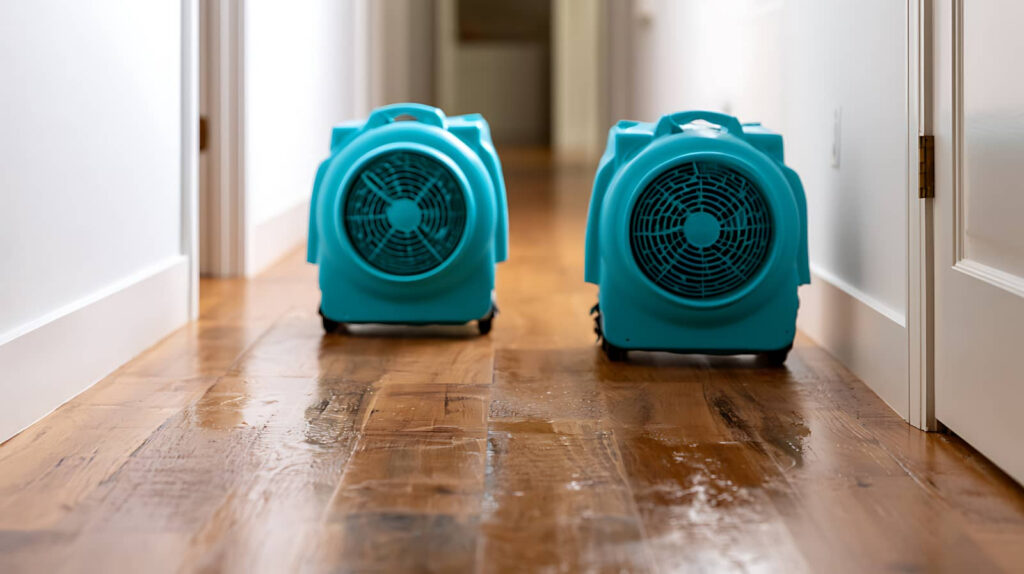
Drying Equipment: Deploy dehumidifiers and fans to eliminate moisture and prevent mold growth, maintaining indoor humidity levels below 60%.
Mold Prevention: Regularly inspect vulnerable areas for mold, using moisture meters to identify hidden dampness and ensuring proper ventilation in high-moisture zones.
Structural Repair: Reinforce or replace damaged materials to restore safety and integrity, addressing any underlying issues to prevent future water intrusion.
How to Restore Your Property After Water Damage
Restoring your property after water damage can feel overwhelming, but taking decisive steps can make the process manageable.
First, check your insurance coverage to understand your options. Keep emergency contacts handy for quick access to professionals.
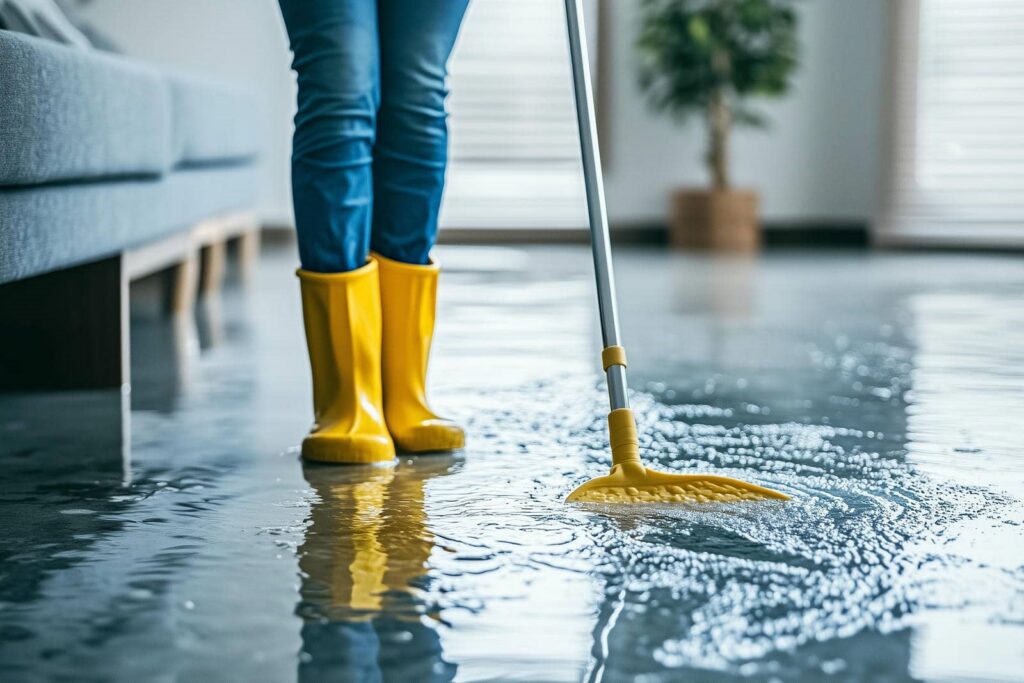
Begin with DIY tips for initial cleanup, gathering essential supplies like mops and buckets. Don’t forget drying equipment; it’s essential to eliminate moisture effectively.
Follow safety precautions by wearing protective gear to prevent hazards. Water testing is critical for ensuring safety and identifying contaminants.
Create a restoration timeline to keep yourself on track, breaking tasks into manageable parts. Each step, no matter how small, brings you closer to reclaiming your space and peace of mind.
You’re not alone in this journey.
Understanding Types and Causes of Water Damage
Understanding the types and causes of water damage is essential for effective restoration.
You might encounter issues from common sources like plumbing failures or severe weather, each presenting unique challenges.
Common Water Damage Sources
Water damage can stem from various sources, each presenting unique challenges for homeowners. Flood risks are a major concern, especially in heavy rain or storm-prone areas.
Plumbing issues, such as burst pipes or appliance leaks, frequently lead to significant water intrusion. Roof leaks can also allow moisture to seep in, causing structural damage over time.
Additionally, the weather’s impact can exacerbate these problems, particularly in regions prone to severe storms. Groundwater intrusion can compromise your foundation, while sewage backup poses health hazards along with structural risks.
Understanding these common sources helps you take preventive measures, ensuring your home remains a safe and welcoming space for you and your loved ones.
Types Of Water Damage
When faced with water damage, recognizing the specific types can greatly impact your restoration efforts.
Flood damage often overwhelms properties, while pipe leaks can lead to hidden issues over time.
Sewage backup poses serious health risks, and storm damage can wreak havoc during severe weather events.
Appliance failure, like a malfunctioning washing machine, can create unexpected pools of water.
Groundwater intrusion usually affects basements, while roof leaks can compromise your ceilings and walls.
You may also encounter condensation issues and humidity problems within your home.
Additionally, burst pipes can cause extensive damage, so it’s essential to identify these types quickly.
Understanding these causes helps you respond effectively, minimizing further damage and fostering a sense of safety in your space.
Why Quick Action Matters in Water Damage Restoration
When water damage strikes, acting quickly can be the key to preventing mold growth and minimizing structural damage.
Each hour that passes increases the risk of these issues, leading to more extensive repairs and costs.
Your prompt response protects your property and ensures a safer environment for everyone involved.
Preventing Mold Growth
Although water damage can be overwhelming, quick action is essential in preventing mold growth. By addressing the situation promptly, you can greatly reduce the risk of various mold types.
Here are key techniques to take into account:
Moisture Control: Use cleaning solutions that target moisture, ensuring surfaces are thoroughly dried.
Air Circulation: Implement ventilation techniques to increase airflow, which helps reduce humidity levels.
Humidity Monitoring: Regularly check humidity levels to maintain an environment that discourages mold growth.
Choosing the right material selection for your surfaces and applying proper surface treatments can further safeguard your space.
Minimizing Structural Damage
Taking swift action helps prevent mold growth and plays a vital role in minimizing structural damage after water intrusion.
When you address water issues quickly, you protect the structural integrity of your home. Water can weaken walls, floors, and foundations, leading to costly repairs.
An effective emergency response involves identifying the source of the water, stopping it, and initiating drying processes immediately. By removing excess moisture and using specialized equipment, you can markedly reduce the risk of long-term damage.
Remember, time is of the essence; the sooner you act, the better your chances of preserving your home.
In this way, you’re not just restoring a space; you’re safeguarding your sanctuary for yourself and your loved ones.
Step-by-Step Water Extraction Techniques
Begin by evaluating the extent of water damage to effectively plan your extraction process. Identifying the severity helps you choose appropriate water removal methods and extraction equipment.
Here’s a step-by-step approach:
Assess damage: Inspect affected areas to determine the volume of water and potential hazards.
Select equipment: Choose the right extraction tools, like pumps and wet vacuums, based on the water level.
Extract water: Use your equipment efficiently to remove standing water, ensuring you cover all areas thoroughly.
Best Practices for Drying Out Your Property
When it comes to drying out your property after water damage, following a structured approach can make all the difference.
Start by ensuring proper dehumidifier placement; position it in the most affected areas to maximize moisture extraction.
Next, enhance air circulation by using fans or opening windows, which helps to speed up the drying process.
Remember, consistent airflow reduces humidity levels, ensuring that damp spots dry out thoroughly.
Monitor the humidity levels regularly with a hygrometer to gauge your progress.
It’s essential to address any lingering moisture promptly to prevent further issues.
Mold Prevention Strategies After Water Damage
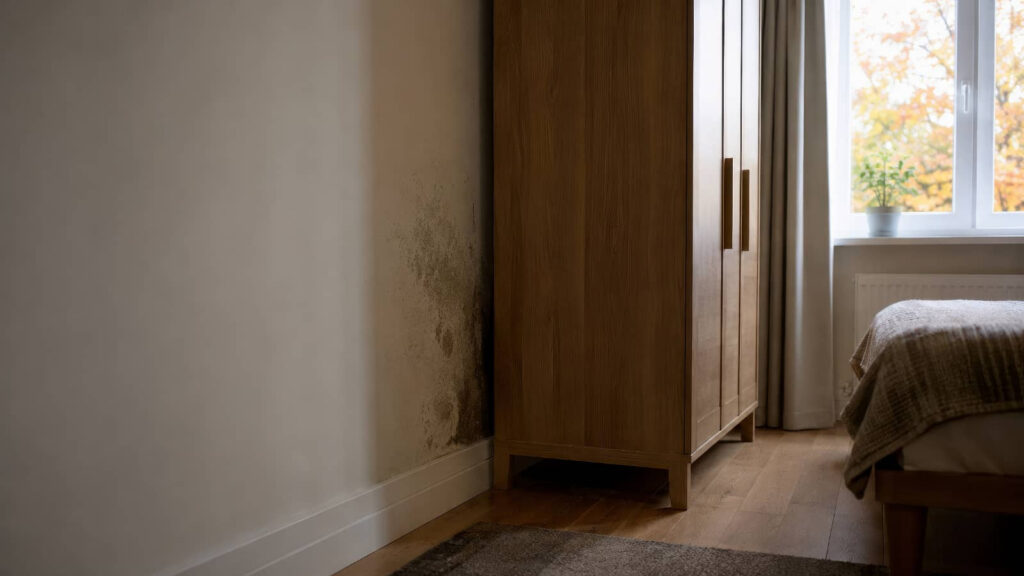
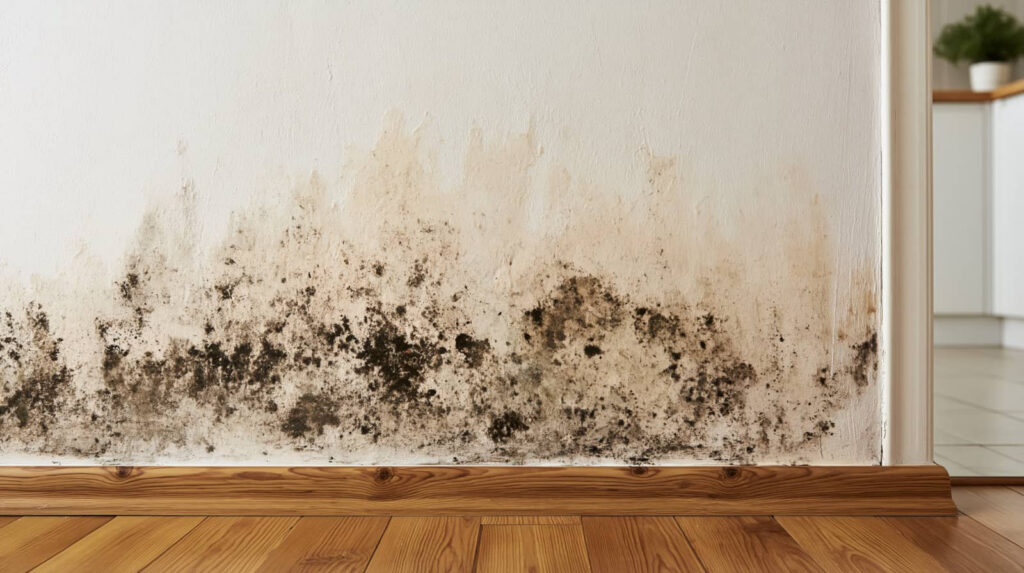
While dealing with the aftermath of water damage, it’s essential to implement mold prevention strategies to protect your home and health.
Mold can develop quickly, so acting fast is vital. Here are some effective strategies to take into account:
- Mold Inspection: Regularly check vulnerable areas like basements and attics for signs of mold growth.
Early detection can save you from extensive damage.
- Humidity Control: Keep indoor humidity levels below 60%.
Use dehumidifiers and air conditioners to manage moisture effectively.
- Ventilation: Ensure proper ventilation in high-moisture areas such as kitchens and bathrooms.
Open windows or use exhaust fans to promote air circulation.
How to Assess and Repair Structural Damage
After implementing mold prevention strategies, it’s time to focus on evaluating and repairing any structural damage caused by water.
Start by inspecting load-bearing walls, beams, and floors for signs of weakness or warping. You’ll want to assess the structural integrity of your home, ensuring everything remains safe and sound.
Use moisture meters to pinpoint hidden damp areas that may compromise stability.
For repair methods, consider reinforcing weakened structures with steel brackets or replacing damaged materials entirely.
Always prioritize safety; if you’re unsure about the extent of the damage, consult with a professional.
When to Call in the Professionals for Water Damage Restoration?
How can you determine if a water damage situation requires professional intervention? Recognizing water damage signs early can save you time and money.
If you notice any of the following, it’s time to call in the professionals for a thorough assessment:
Persistent moisture or mold: If you see mold growth or feel dampness despite your efforts, it’s essential to act quickly.
Extensive damage: If water has affected multiple rooms or structural elements, a professional’s expertise is critical.
Unpleasant odors: Musty smells often indicate hidden water damage that needs specialized attention.
A professional assessment ensures immediate remediation and long-term safety for your home.
Don’t hesitate—your peace of mind matters.
Cost of Water Damage Restoration Services
When facing water damage, understanding the financial implications of restoration services can help you make informed decisions.
Restoration costs can vary greatly based on the extent of the damage, the type of materials affected, and the specific services required. On average, you might expect to spend between $1,500 to $3,500, but severe cases can exceed $10,000.
It’s essential to review your insurance coverage, as many policies may cover a substantial portion of these expenses. Knowing what your policy includes can alleviate some financial stress.
Connecting with professionals can provide you with estimates tailored to your situation, ensuring you’re not left in the dark during this challenging time.
Frequently Asked Questions
Can I Use a Regular Vacuum for Water Extraction?
You can’t use a regular vacuum for water extraction; it’s not designed for that purpose. Instead, opt for specialized vacuum types, like wet/dry vacs, which effectively handle water extraction methods and prevent further damage.
How Long Does Water Damage Restoration Typically Take?
Water damage restoration typically takes 3 to 7 days, depending on the severity. Effective drying methods can expedite the restoration timeline, but patience is vital to ensure your space returns to a safe, healthy condition.
Will My Insurance Cover Water Damage Restoration Costs?
Many homeowners face water damage claims. Your insurance policy likely covers restoration services, but check your coverage limits and deductible amounts. Understanding the claim process now can save you from unexpected emergency fund stress later.
What Items Are Usually Salvageable After Water Damage?
After water damage, salvageable items typically include furniture, electronics, and personal belongings. Prioritize restoration based on value and sentimental significance, ensuring you handle each piece with care to preserve what truly matters to you.
Can I Prevent Water Damage in the Future?
Yes, you can prevent water damage. Make certain your drainage systems are clear and functional, and install moisture barriers in vulnerable areas. Taking these proactive steps can protect your home, providing peace of mind for you and your family.
Review
Restoring your property after water damage can feel like climbing a mountain, but with the right techniques, you can conquer the challenge. By acting quickly, evaluating the damage, and employing effective extraction and drying methods, you’re not just salvaging your space; you’re safeguarding your home’s future. Remember, prevention is key to keeping mold at bay. When in doubt, don’t hesitate to call the professionals. They can turn your disaster into a distant memory, ensuring your peace of mind.