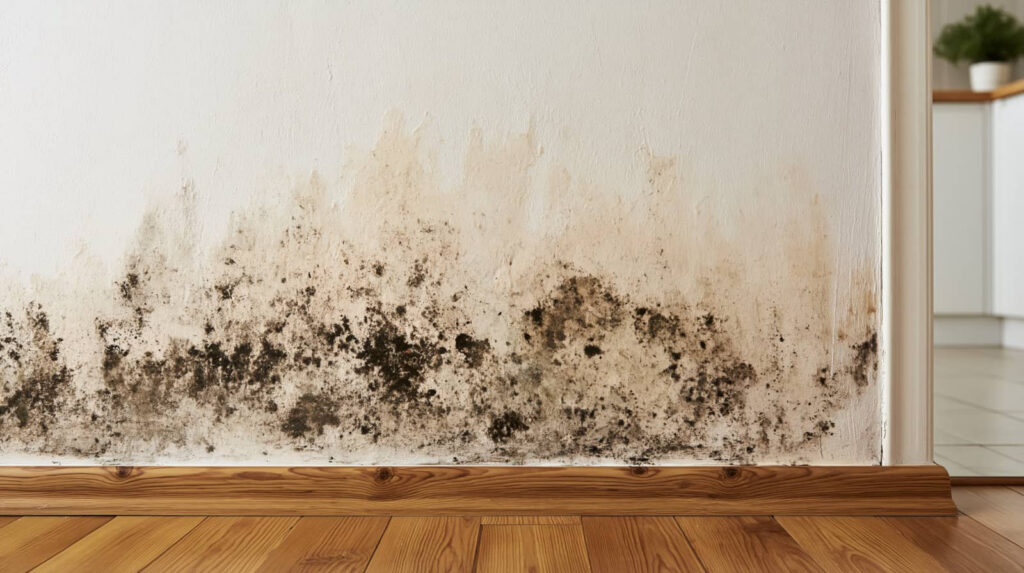
When a homeowner in Houston faced extensive flood damage after a heavy storm, they quickly learned how essential it was to navigate the restoration claims process effectively. Understanding the ins and outs of your insurance policy can make or break your claim. From documenting damages to knowing your rights as a policyholder, every detail matters. The complexities of this process require careful attention, and knowing where to start can greatly influence the outcome of your claim.
Key Takeaways
- Document all flood damage thoroughly with photos and an itemized inventory to support your insurance claim.
- Review your flood insurance policy to understand coverage specifics and exclusions before filing a claim.
- Act promptly to report damages and submit claims, ensuring all necessary documentation is provided to avoid denials.
- Maintain detailed records of communication with your insurance adjuster to track claim progress and address concerns efficiently.
- Consider consulting a public adjuster for assistance if you encounter challenges or feel your claim is unjustly denied.
Understanding Flood Damage and Its Impact
When you experience flood damage, understanding its impact is essential for effective restoration and claims processing. Flood causes can vary widely, from heavy rainfall and storm surges to dam failures and rapid snowmelt. Each type of flooding poses unique challenges and potential damage to your property. Recognizing these causes helps you prepare for possible risks and implement preventative measures.
The economic impact of flood damage extends beyond immediate repair costs. It can disrupt your daily life, affecting your work, community, and overall well-being. You may face lost wages, increased living expenses, and decreased property value, which can strain your finances.
Additionally, understanding the long-term implications allows you to navigate insurance claims more effectively, ensuring you receive the support you need. By grasping both the causes and economic effects of flood damage, you position yourself for a more informed recovery process.
Types of Flood Damage Covered by Insurance
Understanding the types of flood damage covered by insurance is vital for homeowners seeking financial recovery after a disaster strikes.
Flood insurance policies typically cover damage resulting from rising water, including overflowing rivers, storm surges, and heavy rainfall. Structural damage to your home, such as foundation issues, damaged walls, and flooring, is often included.
However, it’s important to be aware of claim exclusions. For instance, damage from sewer backups or maintenance neglect may not be covered, even if they occur during a flood. Additionally, personal belongings like electronics and furniture might have limited coverage, depending on your specific policy.
Familiarizing yourself with these details helps you prepare for the claims process and ensures you know what to expect when filing a claim. Being informed strengthens your ability to navigate the complexities of recovery, fostering a sense of community and shared understanding among fellow homeowners facing similar challenges.
Steps to Take Immediately After a Flood
After a flood, your first priority should be ensuring your safety and that of others before re-entering any affected areas.
Once it’s safe, document the damage thoroughly by taking pictures and noting any losses, as this will be essential for your insurance claim.
Acting quickly and methodically can help streamline the restoration process and improve your chances of a successful claim.
Ensure Personal Safety First
Although the aftermath of a flood can be overwhelming, ensuring your personal safety should be your top priority.
First, assess your surroundings for hazards like downed power lines or unstable structures; these can pose serious risks. Follow essential safety precautions, such as wearing protective gear and avoiding floodwaters, which may be contaminated.
Next, check on your family and pets, ensuring everyone is accounted for and safe. If you need assistance, reach out to your emergency contacts immediately to communicate your situation.
Document Damage Thoroughly
Once you’ve ensured everyone’s safety, the next step is to document the damage thoroughly.
Start by taking clear photographs of affected areas, noting the extent of the damage. These images will serve as essential insurance documentation for your claim.
Make a detailed inventory of damaged items, including descriptions, purchase dates, and estimated values. This damage assessment helps you understand the loss and strengthens your claim.
If possible, gather receipts and any previous appraisals for valuable items. Keep a record of all communications with your insurance provider, as this can facilitate a smoother claims process.
Documenting Damage for Your Claim
To effectively support your flood damage claim, you need to document the damage thoroughly.
Start by taking detailed photos of the affected areas, inventorying damaged items, and recording repair estimates.
This extensive documentation will strengthen your case and help ensure a smoother claims process.
Take Detailed Photos
Taking detailed photos of the flood damage is essential for supporting your restoration claims. Start by capturing wide-angle shots of each affected area, making sure you include both the general context and close-ups of specific damage.
This extensive documentation will play a critical role in your claim timelines. Organize your photos in a logical sequence, labeling each image to clarify the extent of the damage.
Consistent photo organization strengthens your claim and helps you keep track of the restoration process. Remember, the clearer your evidence, the more likely you are to receive a fair settlement.
Taking these steps ensures you have a thorough visual record to present to your insurance provider.
Inventory Damaged Items
As you document flood damage for your claim, creating a detailed inventory of all affected items is crucial. Start by compiling an itemized list of your damaged belongings, noting the condition of each item.
Be specific about the make, model, and age of appliances, electronics, furniture, and personal items. This detail helps in evaluating the value of your losses and strengthens your case with the insurance company.
If possible, include receipts or proof of purchase for high-value items. Organize your inventory systematically, perhaps by room, to ensure nothing is overlooked.
A thorough inventory will facilitate a smoother claims process and help you regain a sense of belonging as you work toward restoring your home.
Record Repair Estimates
Obtaining accurate repair estimates is essential for substantiating your flood damage claim. You’ll want to gather detailed estimates from licensed contractors, as these figures provide a clear picture of actual repair costs.
Make sure to ask for itemized quotes that break down labor, materials, and any additional fees. This specificity enhances the credibility of your claim and aligns with your insurance estimates, making the review process smoother.
Keep records of all communications and documents, as they’ll support your case if disputes arise. By meticulously documenting repair estimates, you strengthen your position, demonstrating to your insurer that you’re serious about recovering your losses and restoring your home to its former state.
Navigating the Insurance Claims Process
While facing the aftermath of flood damage, effectively maneuvering the insurance claims process is crucial for recovering your losses. Start by reviewing your policy to understand coverage specifics and limitations. Document every detail of the damage and keep receipts related to repairs and temporary housing, as these can bolster your claim.
When submitting your claim, be thorough and concise; clarity can help prevent claim denials. Create a timeline of events to track your communication with the insurance adjuster. Ask questions if something isn’t clear, ensuring you grasp the requirements and timelines involved in the claims process.
Follow up regularly, as persistence can speed up the process. If your claim is denied, don’t hesitate to appeal; often, a simple misunderstanding can lead to denial.
Common Challenges in Flood Damage Claims
Flood damage claims can present numerous challenges that complicate the recovery process. Understanding these common pitfalls can help you avoid claim denials and ensure a smoother experience. Here are some key issues to watch for:
- Incomplete documentation of damages
- Misunderstanding policy coverage limitations
- Delayed reporting of the incident
- Insufficient communication with your insurance adjuster
- Lack of expert assessments on damages
Navigating these challenges requires diligence and attention to detail. Often, claim denials stem from inadequate information or misunderstandings about your policy’s terms.
By proactively addressing these common challenges, you can strengthen your claim and increase the chances of a favorable outcome. Remember, staying organized and informed is essential in overcoming the hurdles in the flood damage claims process.
You deserve to recover fully from this difficult experience, and being aware of these challenges can empower you in your journey.
The Role of Flood Damage Restoration Professionals
Engaging flood damage restoration professionals is essential for effectively managing the aftermath of water-related disasters. These experts bring specialized knowledge and experience to evaluate the extent of the damage through a professional assessment.
They utilize advanced flood restoration techniques to mitigate further harm, ensuring your property is restored efficiently and safely.
When you hire professionals, you benefit from their ability to identify hidden issues such as mold growth and structural weaknesses that you might overlook.
They can strategically implement drying processes and repair measures, which speed up recovery and aid in preserving your home’s value.
This proactive approach can simplify your claims process, as thorough documentation of their work can support your case with insurance providers.
Tips for a Successful Claims Outcome
In order to achieve a successful claims outcome, you must be organized and proactive throughout the process. Effective claims preparation tips and successful negotiation strategies can greatly influence your results.
Here are some key practices to take into account:
- Document all damage thoroughly with photos and notes.
- Keep detailed records of communication with your insurance company.
- Understand your policy coverage and limitations.
- Seek professional assessments for accurate damage evaluations.
- Stay persistent and follow up regularly on your claim status.
Understanding Your Rights as a Policyholder
While maneuvering the often complex claims process, it’s essential to understand your rights as a policyholder. You have the right to receive a clear explanation of your insurance policy coverage, including what’s included and excluded.
Familiarize yourself with your policyholder responsibilities, as these impact your claim’s success. You’re obligated to report damages promptly and provide necessary documentation, but you’re also entitled to fair treatment during the claims process.
Make sure to keep detailed records of communications with your insurance provider. If you feel your rights are being overlooked or your claim is unjustly denied, don’t hesitate to seek help.
You might consider consulting a public adjuster or legal representative who specializes in flood damage claims. Remember, knowing your rights empowers you to advocate for yourself effectively, ensuring you receive the compensation you deserve.
Frequently Asked Questions
How Long Does the Flood Damage Claims Process Typically Take?
The flood damage claims timeline typically takes several weeks to months, depending on documentation requirements. You’ll need to provide thorough evidence of damage to expedite the process and ensure a smoother experience with your insurer.
Will My Insurance Premiums Increase After Filing a Flood Claim?
Filing a flood claim can lead to a premium increase, as insurers may view your claim as increased risk. The impact on your premium varies, so it’s essential to review your policy and discuss options with your provider.
Can I Choose My Own Restoration Contractor?
Yes, you can choose your own restoration contractor. However, review your policy for any specific requirements. Exploring various restoration options ensures you find a contractor that meets your needs and aligns with your insurance guidelines.
Are Temporary Living Expenses Covered During Restoration?
Yes, temporary housing costs can be covered during restoration. You’ll typically receive compensation for additional living expenses, but it’s essential to check your policy for specific terms and limits related to your situation.
What Happens if My Claim Gets Denied?
If your claim gets denied, you can file a claim appeal. Carefully review the denial reasons, gather supporting documentation, and present your case clearly. Persistence often improves your chances of a successful resolution.
Wrap-Up
In maneuvering the flood damage claims process, your diligence and determination can drive a successful outcome. By documenting damage diligently, defending your rights, and deploying professionals for precise assessments, you bolster your chances for fair compensation. Stay proactive, persist through potential pitfalls, and remember that patience pays off. Ultimately, understanding your policy and the claims process is pivotal in reclaiming your peace of mind and restoring your home to its former glory after a flood.