Like a silent predator, mold can emerge swiftly after water damage in commercial spaces, posing significant risks to both health and property. You need to understand how mold thrives and the critical steps for prevention and remediation. By recognizing the signs early and implementing effective strategies, you can safeguard your business. What are the most effective techniques to combat this pervasive issue, and how can technology play a role in your defense?
Key Takeaways
- Regular inspections and prompt repairs of leaks are essential to prevent mold growth in commercial properties.
- Implement effective moisture control strategies, including ventilation systems and moisture barriers, to reduce humidity levels.
- Utilize advanced technology like smart sensors and thermal imaging to detect hidden moisture and predict mold issues.
- Choose a qualified mold removal team with certifications and experience for thorough remediation and risk management.
- Train staff to recognize mold signs and maintain a proactive approach to mold prevention and maintenance.
Understanding Mold Growth in Commercial Spaces
When you think about mold growth in commercial spaces, it’s essential to recognize how quickly it can develop under the right conditions.
Mold biology reveals that spores thrive when exposed to moisture, warmth, and organic materials. In commercial settings, environmental factors like humidity levels and poor ventilation play an important role in mold proliferation.
Even minor leaks or high humidity can create an ideal habitat for mold to flourish. Understanding these dynamics helps you take preventive measures, ensuring a healthy environment for employees and customers alike.
Regular inspections and prompt repairs are critical in mitigating risks. By being proactive, you foster a sense of belonging and safety within your commercial space, minimizing the potential impact of mold growth.
Common Signs of Mold After Water Damage
Identifying common signs of mold after water damage is essential, especially since mold can begin to grow within 24 to 48 hours in damp conditions.
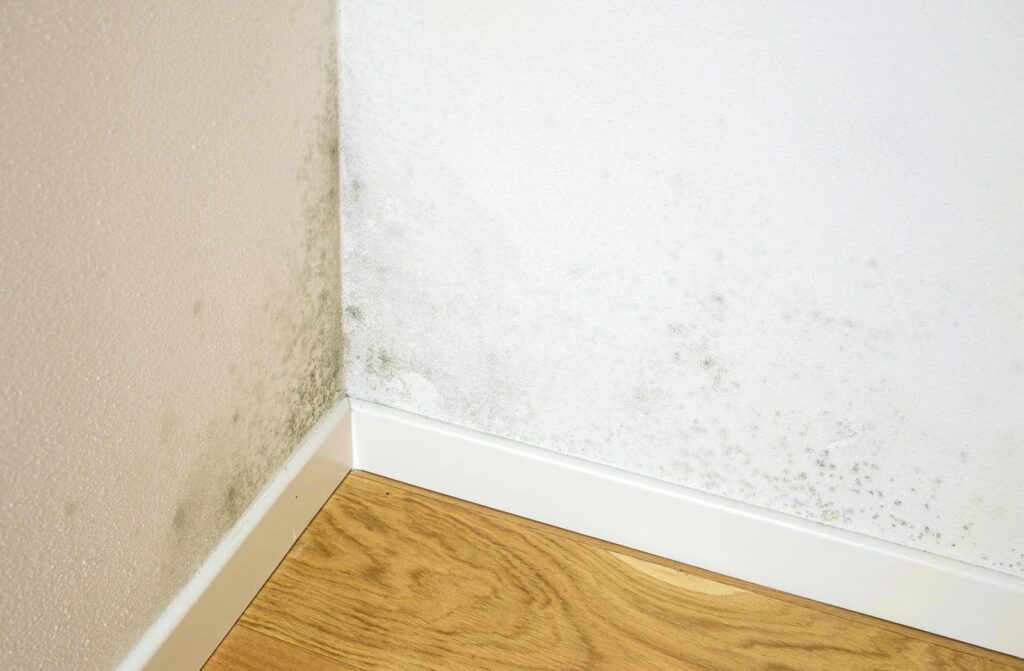
Look for visible mold growth, often appearing as black, green, or white patches on walls and ceilings. A musty odor is another significant indicator, signaling the presence of mold even if it’s not immediately visible.
Pay attention to any unusual health impacts, such as respiratory issues or allergic reactions, which may arise in affected areas.
Utilize mold detection methods like moisture meters and air sampling to confirm mold presence.
Prompt recognition and action can help safeguard your environment and well-being, fostering a healthier space for everyone involved.
What to Do Next: Mold Prevention Steps
To effectively prevent mold growth after water damage, you need to implement regular inspections and monitoring of your space.
Establishing effective moisture control strategies is essential, as mold thrives in damp environments.
Regular Inspections and Monitoring
Establishing a routine inspection frequency is vital; consider seasonal checks to align with environmental changes. Implementing preventive measures like moisture assessments and air quality testing will provide valuable insights.
Utilize advanced inspection technology to detect hidden mold and moisture sources effectively. Incorporate facility audits into your maintenance schedules, ensuring thorough evaluations.
Don’t overlook the importance of staff training; equipping your team with knowledge on mold recognition and preventive tactics fosters a proactive environment.
Effective Moisture Control Strategies
After establishing a routine for inspections and monitoring, the next step involves implementing effective moisture control strategies to prevent mold growth in commercial properties.
Start by installing moisture barriers to protect against water intrusion. Make sure your ventilation systems promote adequate air circulation to reduce humidity levels, and use humidity control measures to maintain ideal indoor conditions.
Incorporating drainage solutions helps manage water runoff, while selecting appropriate building materials can minimize moisture retention.
Regular leak detection is essential for identifying potential issues before they escalate.
Finally, adopt dehumidification strategies to further regulate humidity and maintain a mold-free environment.
Top Mold Remediation Techniques for Commercial Spaces
While mold growth can pose significant challenges for commercial spaces, effective remediation techniques can mitigate its impact and restore safety.
Start with thorough mold assessment methods to identify affected areas and determine the extent of the problem. This step is essential for formulating an effective response.
Next, consider biological remediation options, which utilize natural organisms to break down mold spores, offering a safer alternative to harsh chemicals.
Additionally, ensure proper ventilation and dehumidification to prevent recurrence.
Implementing these strategies protects your property and fosters a healthier environment for employees and customers alike.
How to Find the Right Mold Removal Team?
Choosing the right mold removal team is essential for effective remediation.
Start by checking their certifications and qualifications, ensuring they’ve the expertise needed.
Experience in mold remediation and adequate insurance coverage also play key roles in protecting your property and investment.
Certifications and Qualifications Check
When evaluating potential mold removal teams, it’s crucial to verify their certifications and qualifications to confirm they can effectively handle your specific water damage situation.
Start by checking if the team adheres to recognized certification standards, such as those set by the Institute of Inspection, Cleaning and Restoration Certification (IICRC) or the Environmental Protection Agency (EPA). These organizations ensure that professionals are trained in safe and effective remediation techniques.
Additionally, conduct qualification verification by requesting proof of their licenses and training. Don’t hesitate to ask for references or case studies that demonstrate their expertise.
This thorough vetting process helps you find a team that fits your needs and fosters a sense of community and trust.
Experience in Mold Remediation
Finding the right mold removal team hinges on their experience in mold remediation. You should look for professionals who are well-versed in mold assessment techniques. This ensures they can accurately identify the extent of the problem and develop an effective plan.
Inquire about their remediation equipment selection; the right tools make all the difference in thorough and safe removal. A team with extensive experience will know how to address visible mold and prevent future growth.
Don’t hesitate to ask for case studies or references. When you feel confident in their expertise, you’ll know you’ve found a team that prioritizes both safety and effectiveness, fostering a healthier environment for everyone involved.
Insurance and Liability Coverage
A thorough understanding of insurance and liability coverage is essential in selecting the right mold removal team. Here are three critical aspects to contemplate:
Insurance Policies: Verify that the team carries adequate coverage. Check for liability limits and specific coverage options for mold remediation.
Claim Processes: Understand their claim processes. A reputable team should guide you through loss assessments and ensure you’re informed about policy exclusions.
Legal Responsibilities: Assess their knowledge of legal responsibilities and risk management. This ensures they handle your property responsibly and adhere to regulations.
Post-Remediation: Ensuring Long-Term Mold Prevention
Although remediation effectively removes mold, it’s essential to implement strategies that ensure long-term prevention. Focus on post-remediation techniques that address moisture control, as damp environments facilitate mold growth.
Use dehumidifiers in high-humidity areas and ensure proper ventilation throughout your facility. Regularly inspect plumbing for leaks and maintain a routine for cleaning gutters and downspouts to prevent water accumulation.
Additionally, consider using mold-resistant materials during repairs or renovations to enhance durability.
Educate your staff on identifying early signs of mold and encourage reporting any concerns. These long-term strategies protect your property and create a healthier environment for everyone involved.
Importance of Regular Mold Inspections and Maintenance
Regular mold inspections and maintenance are essential for safeguarding your commercial property against potential hazards. By prioritizing these practices, you can enjoy several mold inspection benefits that protect your investment and ensure a healthy environment.
Consider the following:
Early Detection: Spot mold growth before it escalates, saving you time and money.
Health Protection: Maintain a safe atmosphere for employees and clients, reducing health risks associated with mold exposure.
Property Value: Preserve your property’s value and appeal through consistent maintenance schedules.
Implementing regular inspections and proactive maintenance mitigates risks and fosters a sense of community and responsibility among your team.
Taking these steps shows you care about both your property and those who work within it.
Utilizing Technology for Mold Detection and Prevention
Incorporating advanced technology into your mold detection and prevention strategies can greatly enhance your property’s safety.
Utilizing smart sensors and environmental sensors, you can achieve real-time monitoring of humidity levels, critical for mold growth. AI detection systems analyze data for early warning signs, while thermal imaging and moisture mapping pinpoint hidden moisture sources.
Predictive analytics can forecast potential mold issues before they escalate, allowing you to act proactively. Drone inspections provide a thorough view of hard-to-reach areas, ensuring no spot is overlooked.
With app integration, you can track data conveniently and receive alerts directly on your devices. By leveraging these technologies, you protect your space while fostering a healthier environment for everyone involved.
Frequently Asked Questions
How Quickly Can Mold Start Growing After Water Damage?
Mold can start growing within 24 to 48 hours after water damage, especially in high humidity levels. Understanding this mold growth timeline helps you take prompt action to prevent extensive damage and maintain a healthy environment.
Is Mold Removal Covered by Commercial Insurance Policies?
Mold removal is often covered by commercial insurance, but it varies wildly. You’ll need to check your policy’s coverage limits. Understanding mold insurance is essential to ensure you’re adequately protected and minimize potential financial loss.
Can Mold Affect Employee Health and Productivity?
Yes, mold can greatly affect employee health and productivity. Mold symptoms, like respiratory issues and allergies, often lead to increased employee absenteeism, which ultimately impacts team morale and overall business performance. Addressing mold is essential.
What Are the Costs Associated With Mold Remediation?
Mold remediation costs can feel like a surprise bill after a vacation. You’ll encounter expenses for mold testing and various remediation techniques, which can range from a few hundred to several thousand dollars, depending on severity.
How Can I Identify Hidden Mold in My Facility?
You can identify hidden mold in your facility by using mold detection methods like air sampling and surface testing, alongside moisture assessment techniques such as humidity monitoring and thermal imaging. These tools ensure thorough inspections.
Final Thoughts
Addressing mold after water damage isn’t just about cleanup; it’s about creating a healthier environment for everyone. By implementing proactive measures and utilizing advanced technologies, you can effectively prevent mold growth. Coincidentally, the same steps that protect your property also enhance employee well-being and customer satisfaction. So, stay vigilant, conduct regular inspections, and partner with qualified professionals. This way, you’ll safeguard your space and foster a thriving business atmosphere.