You might not realize that even a small leak can lead to considerable structural damage in a commercial property. Effective commercial water damage restoration is vital for minimizing losses and ensuring safety. By employing advanced techniques and equipment, you can greatly streamline the restoration process. Understanding these methods expedites recovery and protects your investment. What are the essential steps you should take when faced with water damage?
Key Takeaways
- Utilize submersible pumps for rapid removal of standing water to minimize damage and expedite restoration efforts.
- Implement high-velocity air movers to enhance evaporation and speed up the drying process for affected areas.
- Employ moisture meters and infrared cameras for accurate detection of hidden moisture, ensuring thorough drying.
- Engage professional services for effective mold remediation and structural integrity assessments post-water damage.
- Invest in quality dehumidifiers to control humidity levels and prevent mold growth throughout the restoration process.
How Water Damage Affects Your Commercial Property
When water damage strikes your commercial property, it can lead to immediate and long-term repercussions that affect both your operations and finances. Identifying the water source is essential, as it determines the extent of damage.
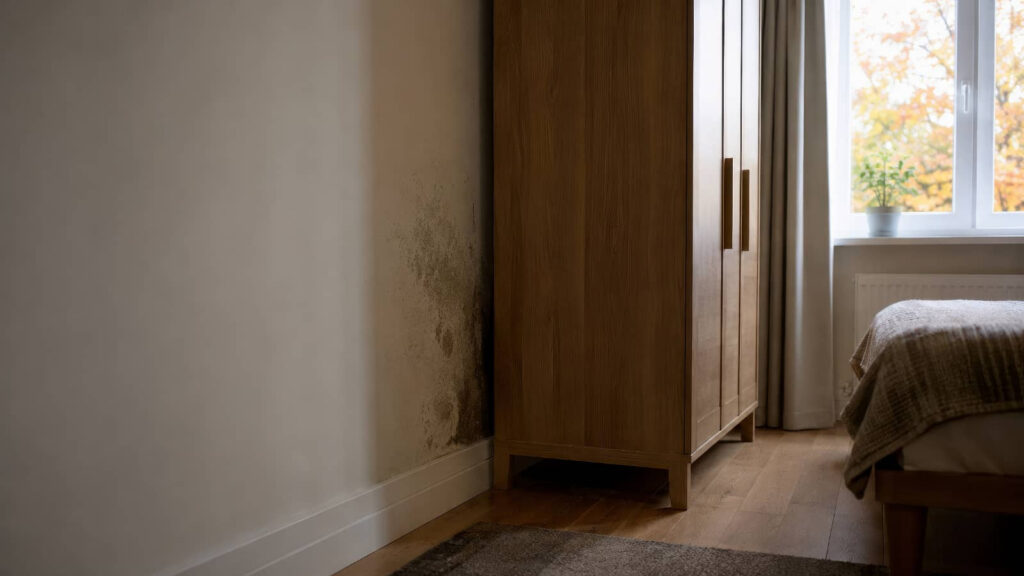
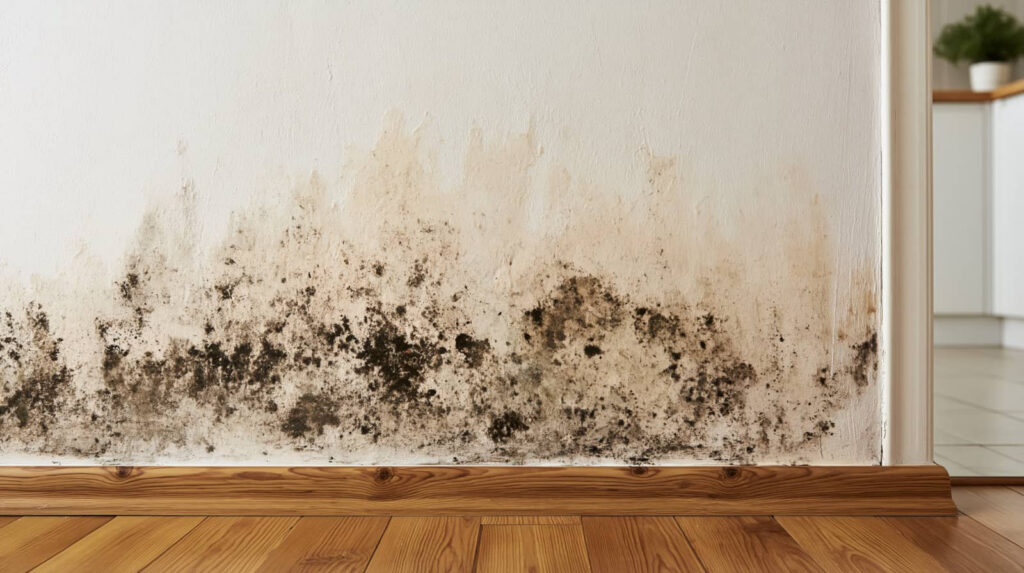
Compromised structural integrity can undermine safety, making your space uninhabitable. Additionally, stagnant water fosters mold growth, posing significant health risks to employees and customers alike.
The longer you delay addressing the issue, the more profound the impact on your business, leading to potential business interruption. Steering through insurance claims can also become complicated, especially if damage isn’t documented promptly.
Understanding these factors is important for protecting your investment and ensuring a swift recovery from water-related incidents.
Essential Steps in Water Damage Restoration
To effectively restore your commercial property after water damage, it’s crucial to follow a systematic approach.
Start by securing safety; turn off electricity and assess structural integrity.
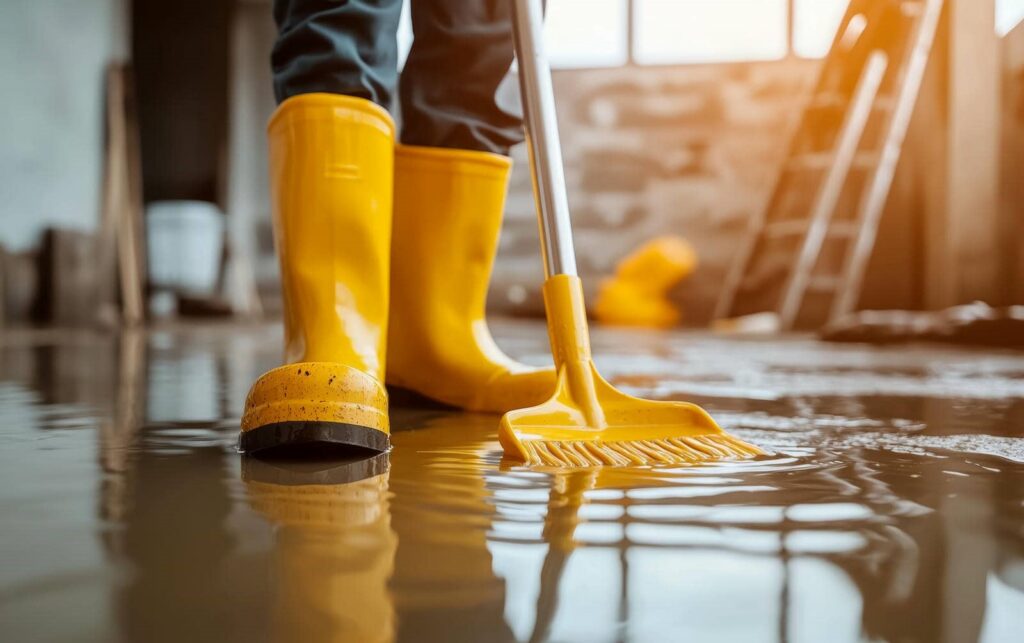
Next, remove standing water using pumps and wet vacs, prioritizing quick action to prevent mold growth.
Once the area is dry, initiate mold remediation to eliminate any existing spores and prevent future infestations.
Document the damage and gather evidence for your insurance claims; this will facilitate a smoother process when seeking coverage for repairs.
Finally, engage professionals for thorough cleaning and restoration.
Proven Techniques for Efficient Water Extraction
Efficient water extraction is critical to mitigating damage in commercial properties, especially after a flood or leak. You should focus on proven extraction methods that maximize efficiency and minimize downtime.
Start with submersible pumps to remove standing water quickly, followed by truck-mounted vacuums for deeper moisture extraction. Utilize specialized tools like extraction wands to reach tight spaces, ensuring no water lingers.
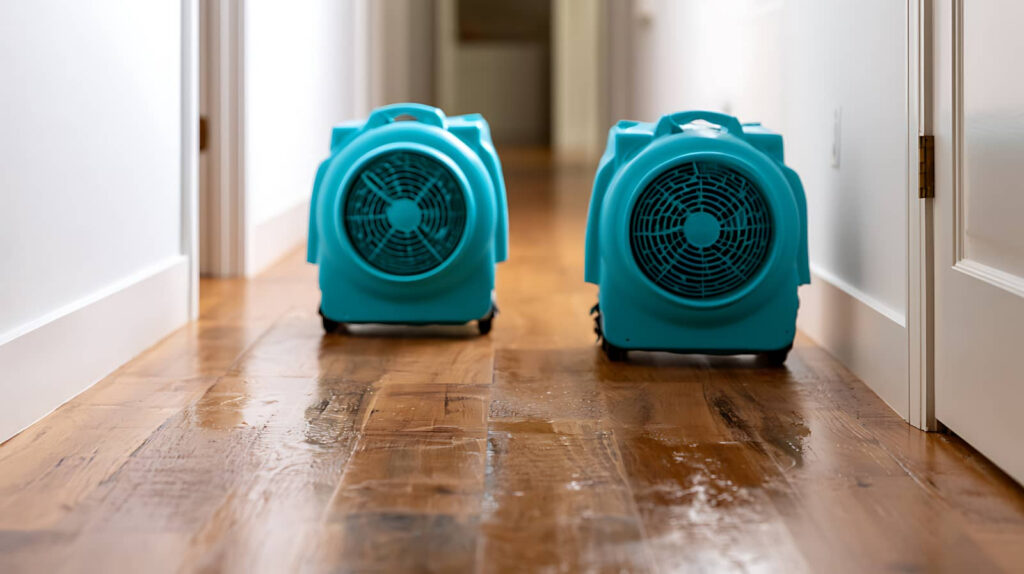
Implement rapid drying techniques, such as high-velocity air movers and dehumidifiers, to enhance the extraction process. By integrating these methods, you’ll protect your property and foster a sense of community and commitment among your team.
Effective water extraction lays the foundation for successful restoration, helping you return to normal operations swiftly.
Top Equipment for Water Damage Restoration
While selecting the right equipment can profoundly impact the success of water damage restoration, understanding the specific needs of your commercial property is essential.
Here are four key tools that can enhance your restoration efforts:
Moisture Meters: These devices help you pinpoint hidden moisture, ensuring thorough drying.
Dehumidifiers: Essential for controlling humidity levels, they promote faster drying and prevent mold growth.
Air Movers: Utilizing advanced drying technology, these machines speed up evaporation, effectively drying surfaces and materials.
Infrared Cameras: These allow for non-invasive moisture detection, helping you identify problem areas without causing further damage.
Investing in the right equipment aids in effective restoration and fosters confidence and reliability in your restoration process.
How to Prevent Future Water Damage?
Restoring commercial properties after water damage is just one part of the equation; preventing future incidents is equally important. To safeguard your investment, consider implementing effective waterproofing methods. These include applying sealants to vulnerable areas and installing barriers to block moisture intrusion.
Additionally, explore advanced drainage solutions like French drains or sump pumps to manage water flow effectively. Regularly inspect and maintain these systems to ensure they function at their best.
Don’t overlook routine checks on your plumbing and roofing; small leaks can escalate into significant issues if left unattended.
Frequently Asked Questions
How Long Does the Water Damage Restoration Process Typically Take?
The water damage restoration process typically takes several days to weeks, depending on severity. Using drying equipment efficiently can greatly shorten the restoration timeline, ensuring your space is safe and ready for use as soon as possible.
Will My Insurance Cover Commercial Water Damage Restoration Costs?
Your insurance policy might cover commercial water damage restoration costs, but don’t count on it being a blank check. Check your coverage limits carefully; they could make or break your financial recovery process.
How Can I Identify Hidden Water Damage?
You can identify hidden water damage by checking for early signs like discoloration, mold, or warped surfaces. Using moisture detection tools helps pinpoint affected areas, ensuring prompt action before costly repairs become necessary.
What Should I Do Immediately After a Water Damage Incident?
After a water damage incident, prioritize your safety. Contact emergency services if needed, then alert emergency contacts. Follow safety protocols, turning off electricity and securing the area to prevent further damage and ensure everyone’s safety.
Can I Stay in My Building During Restoration?
You can stay in your building during restoration, but prioritize safety precautions. If conditions become hazardous, consider temporary relocation. Always consult with professionals to ensure your environment remains safe while repairs are underway.
Summary
Effective water damage restoration hinges on swift action, specialized techniques, and the right equipment. By understanding how water damage affects your property, following essential steps, utilizing proven extraction methods, and investing in high-quality tools, you can minimize disruption and expedite recovery. Remember, prevention is just as vital—regular inspections, maintenance, and timely interventions can safeguard your commercial space. Stay proactive, stay prepared, and make certain your property remains resilient against future water damage.