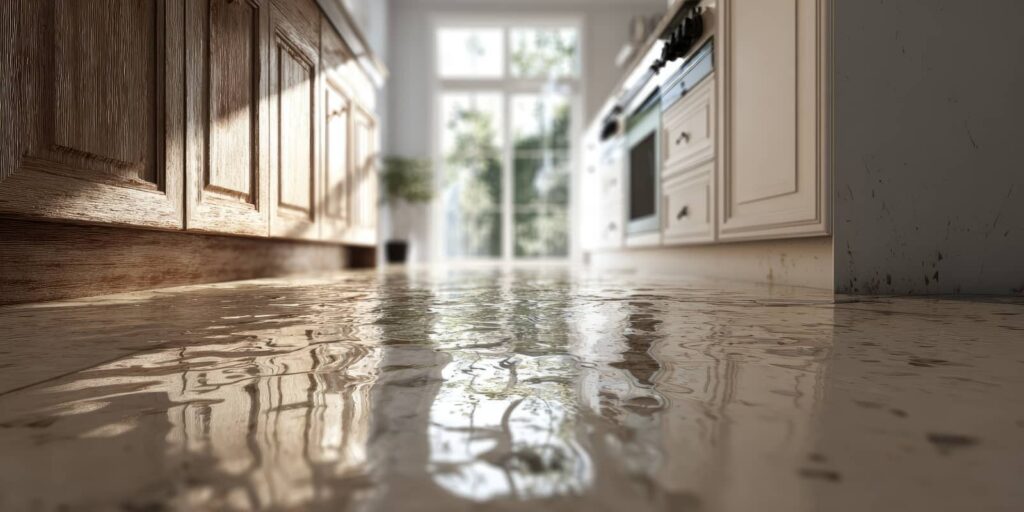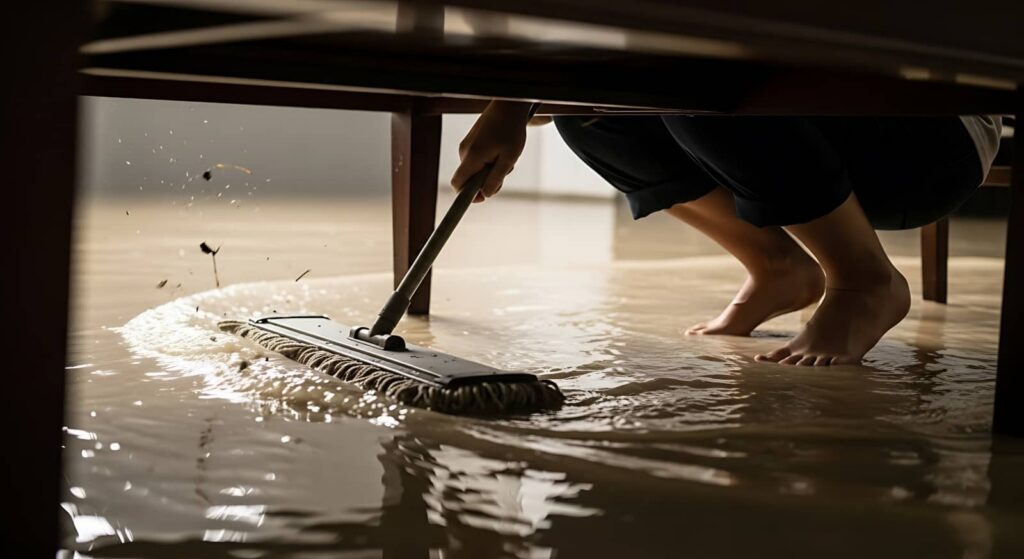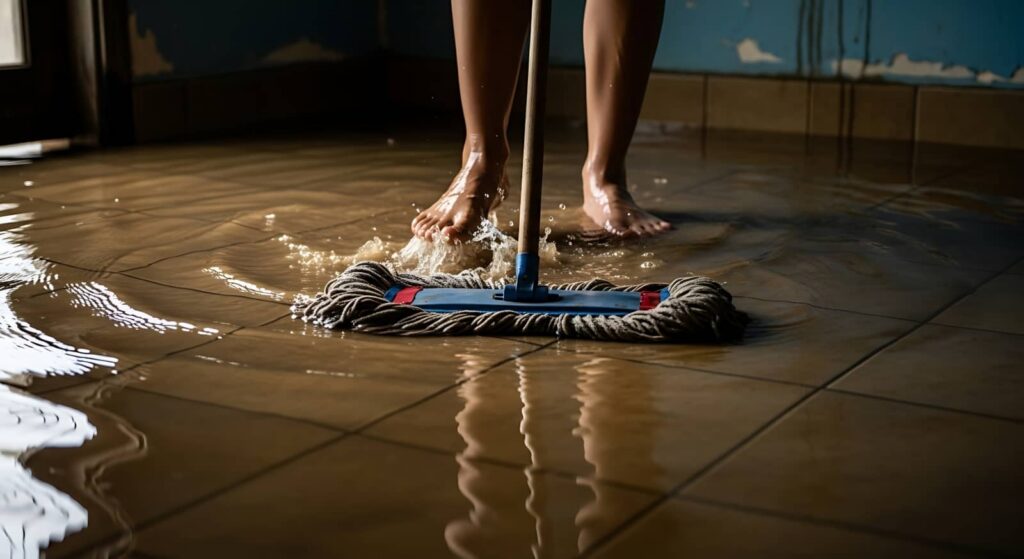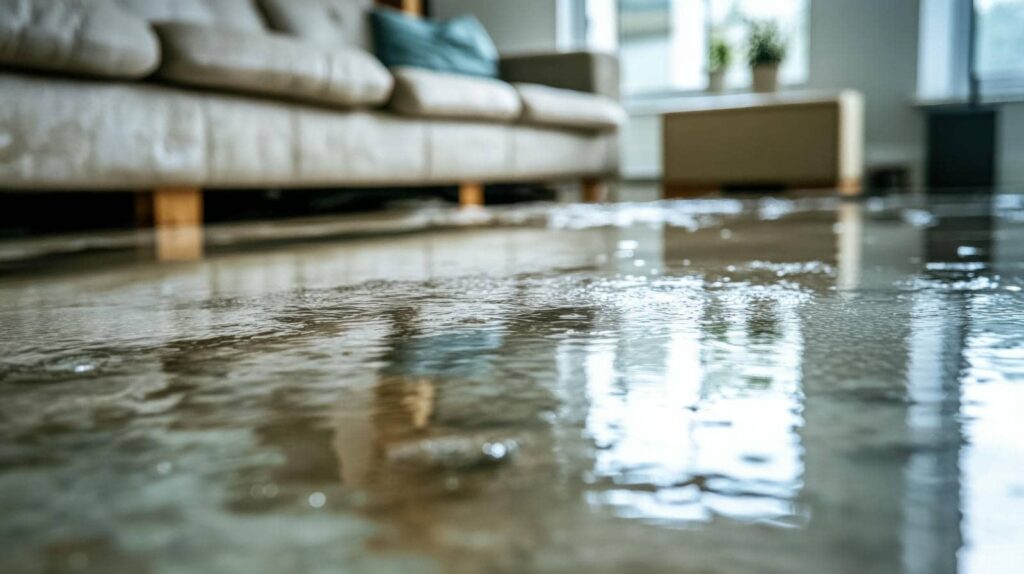
When a burst pipe flooded a downtown office building, the owner quickly realized the importance of effective water damage solutions. You can’t afford to ignore the risks that water damage poses to your commercial property. From evaluating the damage to exploring insurance options, each step is vital for a successful recovery. Understanding these seven affordable solutions can save you time, money, and frustration. Let’s break down the essential strategies for effective water damage management.
Key Takeaways
- Conduct a thorough cost analysis of repairs and obtain multiple quotes from local contractors to find competitive rates.
- Implement quick fixes like drying affected areas and applying waterproof sealant to address minor issues immediately.
- Utilize industrial-grade vacuum extraction methods and dehumidifiers for efficient water removal and moisture control.
- Document all damages and repairs meticulously, including receipts, to support insurance claims and future evaluations.
- Regularly inspect and maintain roofs, pipes, and drainage systems to prevent potential water damage in commercial properties.
Assessing the Damage: Initial Steps for Commercial Properties
When water damage strikes your commercial property, evaluating the situation promptly and accurately is fundamental. Start with a thorough damage assessment. Identify the source of the water intrusion—whether it’s a burst pipe or a leaky roof. This initial investigation is essential for preventing further damage.
Next, you’ll need to gauge the extent of the property damage. Look for visible signs like discoloration, warping, or mold growth. Document these findings meticulously, as they’ll be critical for insurance claims and future property evaluations.
Don’t overlook hidden areas, such as behind walls or under flooring, where moisture can linger. Use moisture meters to obtain precise readings. This data helps you understand the full scope of the damage and guides your next steps.
Water Extraction Techniques for Cost-Effective Cleanup
When dealing with water damage in commercial properties, understanding various extraction techniques is essential for an efficient cleanup.
You’ll want to take into account vacuum extraction methods, which provide quick removal of standing water, alongside pumping techniques that handle larger volumes.
Additionally, incorporating natural drying solutions can enhance your overall strategy, minimizing costs and expediting recovery.
Vacuum Extraction Methods
Vacuum extraction methods stand out as one of the most effective techniques for cost-effective water damage cleanup in commercial properties.
This approach utilizes powerful vacuum systems to remove excess water quickly, minimizing damage and reducing restoration costs. By employing vacuum extraction, you can effectively target areas that traditional methods might miss, ensuring a thorough cleanup.
It’s essential to choose the right equipment, as industrial-grade vacuums provide higher efficiency and faster drying times. Additionally, these methods are less invasive, preserving your property’s structure and minimizing disruption to business operations.
Ultimately, incorporating vacuum extraction into your water damage response strategy saves money and fosters a sense of community and care for your commercial space.
Pumping Techniques Overview
Effective pumping techniques play an essential role in the water extraction process for commercial properties facing water damage. By prioritizing pumping efficiency, you can quickly mitigate damage and reduce restoration costs.
Start with submersible pumps, which excel in extracting large volumes of water rapidly. For smaller areas, consider diaphragm pumps, known for their portability and versatility.
In an emergency response situation, timing is vital; the faster you act, the less damage occurs. Make certain your team is trained in using these pumps effectively.
Additionally, employing multiple pumps can expedite the process, allowing you to tackle extensive flooding more efficiently. Ultimately, choosing the right pumping method can greatly enhance your water extraction efforts, making a substantial difference in recovery time and expenses.
Natural Drying Solutions
Once the initial water extraction is complete, implementing natural drying solutions can considerably enhance the recovery process for commercial properties.
Utilizing natural evaporation techniques allows moisture to dissipate without heavy machinery, saving you money. For best results, you should consider passive ventilation, which involves strategically opening windows and doors to create airflow. This method accelerates drying and reduces humidity levels effectively.
To further boost efficiency, you can place fans near openings to help circulate air, promoting even more evaporation.
Drying and Dehumidification Methods to Prevent Mold
To effectively prevent mold growth in commercial properties, you need to implement robust drying and dehumidification strategies.
Utilizing air circulation techniques can enhance moisture evaporation, while moisture extraction equipment efficiently removes remaining dampness.
Together, these methods create an environment that discourages mold development, safeguarding your property and assets.
Air Circulation Techniques
While water damage can wreak havoc on commercial properties, implementing proper air circulation techniques is essential for effective drying and dehumidification.
Start by focusing on airflow management; it’s vital to direct air towards damp areas to expedite the drying process. Use fans strategically, ensuring they don’t just circulate moist air but actively push it out of the space.
Incorporate ventilation strategies by opening windows and doors to promote cross-ventilation when the weather permits.
Consider using dehumidifiers in conjunction with fans to lower humidity levels, further preventing mold growth.
Regularly monitor moisture levels, adjusting your tactics as needed.
Moisture Extraction Equipment
After establishing effective air circulation, the next step in mitigating water damage involves utilizing moisture extraction equipment.
Extraction machines are crucial in removing excess water from affected areas, preventing mold growth and structural damage. You’ll want to invest in high-quality machines that can handle your property’s specific needs.
Additionally, incorporating moisture meters helps you monitor the drying process accurately, ensuring no hidden moisture remains. These tools work together to create a thorough approach to water damage restoration.
By employing this equipment, you’re not just addressing the immediate issue; you’re also protecting your investment and fostering a safe environment for your tenants.
Prioritizing moisture extraction is essential in maintaining the integrity of your commercial property.
Affordable Repair Options for Structural Damage
When dealing with structural damage from water, finding affordable repair options is essential for maintaining the integrity of your commercial property. Start by conducting a thorough cost analysis of potential repairs. Assess the extent of the damage and prioritize urgent fixes that directly impact structural integrity.
Look for local contractors offering competitive rates, and don’t hesitate to request multiple quotes. Consider materials that balance cost and durability. For instance, using engineered wood instead of solid wood can save money while providing strength.
You might also explore community resources or grants designed to assist businesses in recovery. If your property has sustained minor damage, some structural elements can be reinforced rather than replaced, which can greatly reduce costs.
DIY Solutions for Minor Water Damage Issues
Addressing minor water damage issues promptly can prevent them from escalating into more significant problems. If you notice water stains or damp areas, start with quick fixes like drying the area thoroughly and using fans or dehumidifiers.
For minor repairs, inspect your walls and ceilings for cracks where water could seep in; applying waterproof sealant can be an effective solution. Check for any leaks in plumbing fixtures and tighten connections as needed.
You can also replace damaged caulking around windows and doors to block moisture entry. If you have carpet soaked from a spill, lift it, dry the padding, and use a carpet cleaner for any stains.
Utilizing Insurance to Offset Repair Costs
Utilizing your insurance policy effectively can greatly reduce the financial burden of water damage repairs for your commercial property.
Start by reviewing your insurance policies to understand the coverage you have for water damage. Many policies include provisions for repair costs, replacement of damaged property, and even loss of income during repairs.
When water damage strikes, act quickly to initiate the claim process. Document the damage with photos and retain all receipts related to repairs. This evidence will strengthen your claim and expedite processing.
Communicate with your insurance agent to clarify any uncertainties and ensure you’re following the required procedures. Each policy has its nuances, so knowing the specifics can make a significant difference in your payout.
Preventive Measures to Mitigate Future Water Damage
After maneuvering through the complexities of insurance claims, focusing on preventive measures can save you from future headaches associated with water damage.
Start by implementing a leak detection system; these systems can identify issues before they escalate, protecting your property and finances. Regularly inspect roofs, pipes, and foundations to catch potential leaks early.
Incorporate water conservation efforts, such as low-flow fixtures and efficient irrigation systems, to minimize water usage and reduce the risk of over-saturation. Make certain your drainage systems are clear to prevent water pooling around your property.
Consider installing sump pumps in vulnerable areas to handle excess water during heavy rains.
Educating your staff on water management practices fosters a team environment focused on safeguarding your assets. By taking these proactive steps, you protect your property and contribute to a culture of care and responsibility within your commercial community.
Frequently Asked Questions
How Can I Identify Hidden Water Damage in My Property?
To identify hidden water damage, check for hidden leaks by inspecting walls, ceilings, and floors. Use moisture detection tools to pinpoint damp areas, ensuring you catch issues early before they escalate into costly repairs.
What Are the Signs of Mold After Water Damage?
Look for musty odors, discoloration, and moisture spots. Timely mold detection and prevention can safeguard your health and property from further damage.
How Long Does Water Damage Restoration Typically Take?
Water damage restoration typically takes between a few days and several weeks, depending on the extent of the damage. Understanding the restoration timeline helps you manage the project duration and ensures a thorough recovery process for your property.
Are There Any Government Grants for Water Damage Repairs?
Think of government assistance as a lifeline during tough times. You can explore repair funding options through local programs and federal resources, which often provide financial help for water damage repairs, easing your burden considerably.
How Can I Prevent Water Damage During Heavy Rains?
To prevent water damage during heavy rains, you should implement effective waterproofing techniques and reliable drainage solutions. Regularly inspect gutters, install sump pumps, and seal cracks to protect your property and ensure a dry environment.
Wrap-Up
In maneuvering through the stormy waters of water damage in your commercial property, these affordable solutions act as your lifeboat. By evaluating the damage, extracting water effectively, and implementing preventive measures, you can steer clear of future mishaps. Embrace community resources and insurance options to cushion the financial blow. With diligence and a proactive approach, you’ll mend the damage and fortify your property against nature’s unpredictability, ensuring it remains a resilient cornerstone of your business.