Water-Damaged Properties require immediate attention to prevent further deterioration and protect the safety of the structure. Water-damaged properties can feel like a shipwrecked vessel, stranded and at the mercy of the elements. Your first steps are essential for addressing the source of moisture and using effective drying techniques to create a foundation for long-term care. But hidden pockets of water can still undermine your efforts if they are not properly identified and treated. Understanding the details of restoration is key to safeguarding your property’s future.
Key Takeaways
- Promptly assess and document water damage to facilitate effective recovery and insurance claims.
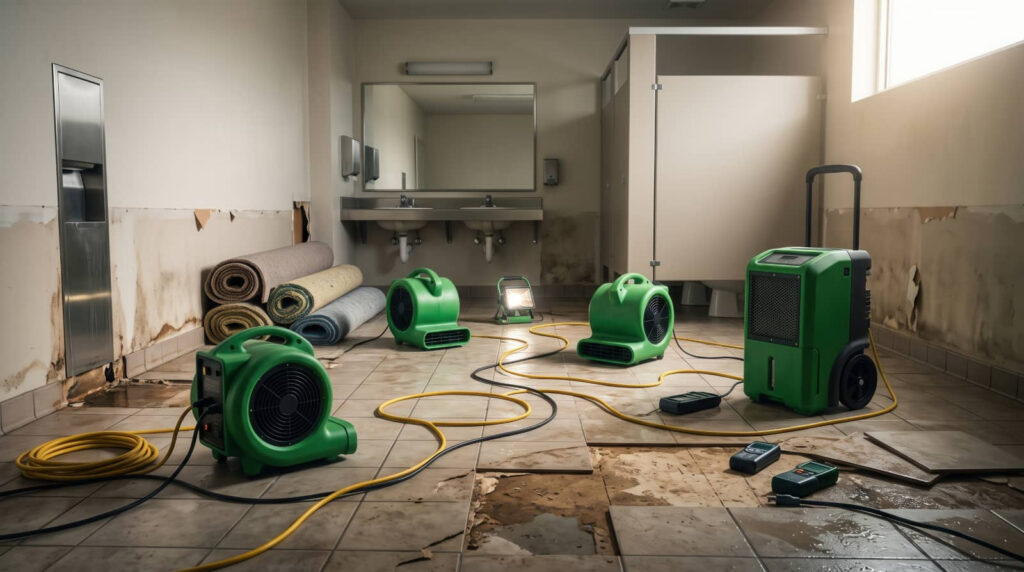
- Use fans and dehumidifiers to dry affected areas and prevent mold growth.
- Regularly inspect for hidden water damage signs, such as stains or warped flooring.
- Clean and sanitize surfaces thoroughly to eliminate bacteria and mold spores.
- Maintain organized documentation for insurance claims to ensure a smooth recovery process.
Initial Steps After Water Damage: What to Do First
When you experience water damage, acting quickly is essential to mitigate further issues. Start with an emergency response by turning off the water source, if possible, to prevent additional flooding.
Next, conduct a quick assessment of the affected areas. Identify the extent of the damage and prioritize the most critical areas for remediation. Document everything with photos for insurance purposes.
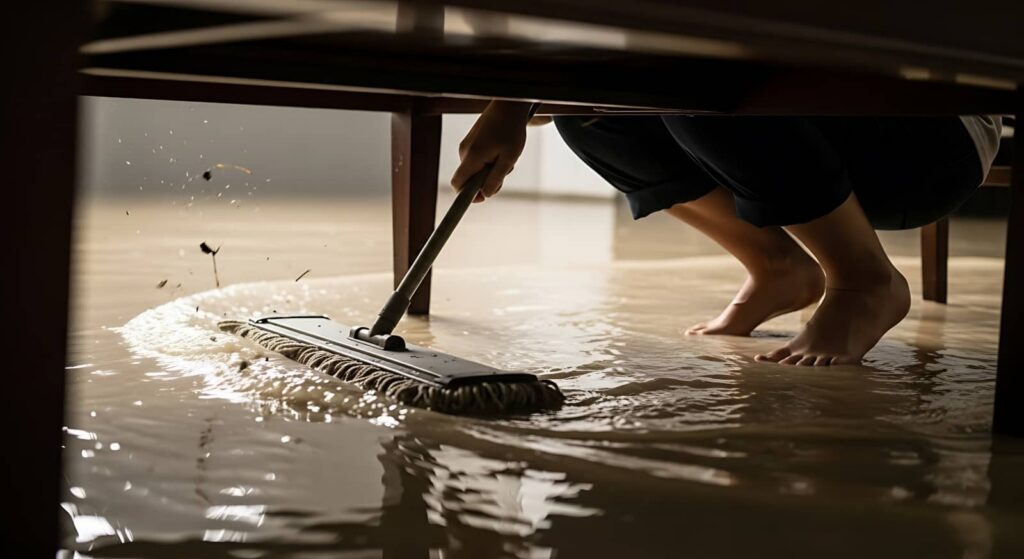
Remove any standing water using pumps or wet vacs, and begin drying the area with fans and dehumidifiers. Make sure you wear protective gear to safeguard against contaminants.
Finally, consider contacting a professional restoration service to handle severe damage. Taking these initial steps not only helps protect your property but fosters a sense of community support in times of crisis.
Understanding the Effects of Water Damage
Water damage can manifest in various forms, each requiring specific attention to prevent further issues.
Understanding the different types of water damage such as clean, grey, and black water helps you prioritize your response effectively.
Additionally, recognizing the associated health risks, like mold growth and structural compromise, is essential for safeguarding your property and well-being.
Types of Water Damage
Understanding the types of water damage is essential for effective long-term care of affected properties.
Flood damage often results from heavy rainfall or rising water levels, while pipe leaks can cause gradual deterioration.
Storm damage may lead to significant structural issues, especially when combined with roof leaks.
Sewage backup poses serious health risks, necessitating immediate attention.
Appliance failure can also introduce moisture, contributing to mold growth.
Groundwater intrusion often occurs in basements, leading to foundation issues that require prompt remediation.
Identifying these types allows you to prioritize repairs and implement preventive measures, ensuring your property remains safe and sound.
Health Risks Involved
While managing water damage, it’s vital to recognize the potential health risks that arise from prolonged exposure to moisture.
Mold exposure can lead to serious respiratory issues, aggravating allergies and asthma. In addition, contaminated water can introduce harmful pathogens, increasing contamination risks in your living space.
This moisture can compromise your property’s structural integrity, making it more susceptible to pest infestations, which add further health concerns.
Regular health assessments are important to monitor any long-term effects on your well-being.
Don’t overlook the emotional impacts; the stress of dealing with water damage can affect your mental health.
Addressing these issues promptly guarantees a safer environment for you and your loved ones, fostering a sense of belonging and security in your home.
Signs of Hidden Water Damage?
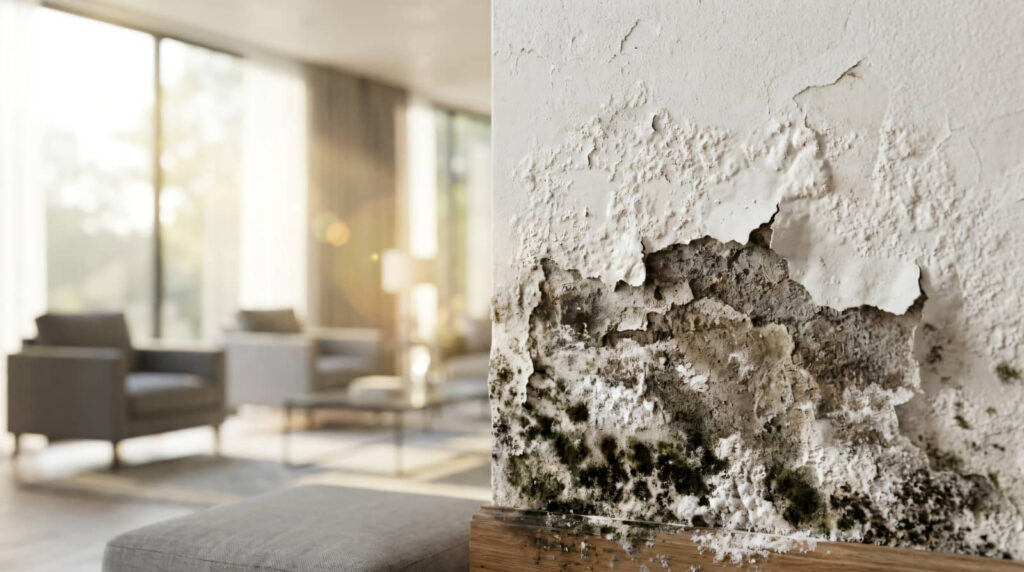
When inspecting for hidden water damage, watch for unexplained mold growth, as it often signals moisture issues.
Additionally, warped flooring conditions can indicate underlying water infiltration that needs addressing.
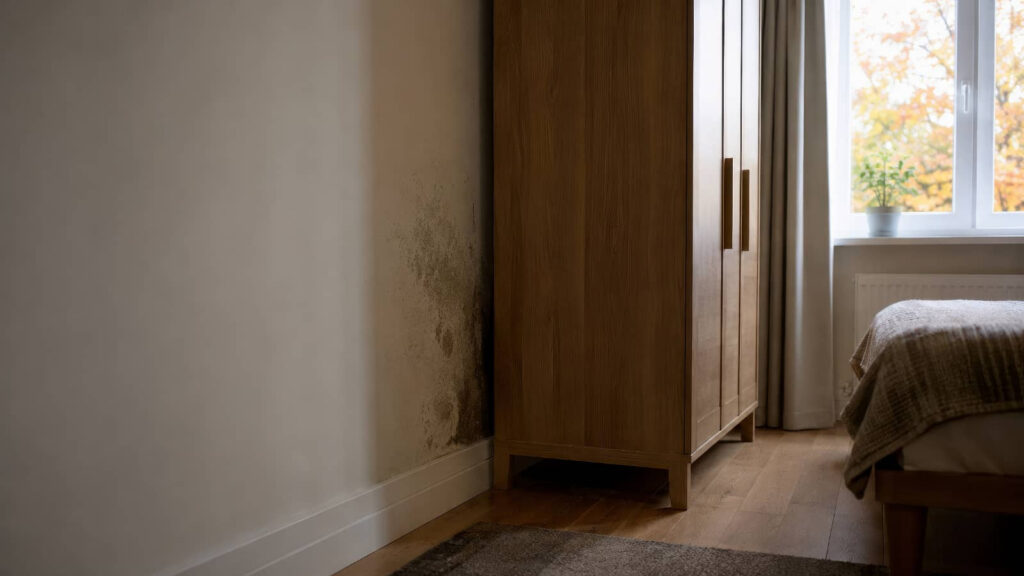
Don’t overlook stains on walls, which may point to prolonged exposure to moisture, requiring immediate attention.
Unexplained Mold Growth
If you notice unexplained mold growth in your property, it often signals hidden water damage that requires immediate attention.
Start by employing mold identification techniques to pinpoint the source. Check areas like behind walls, under sinks, and in attics, where moisture may accumulate unnoticed.
Once identified, implement effective mold removal strategies, such as using specialized cleaners or hiring professionals if the infestation is extensive.
Remember to address the underlying water issue to prevent recurrence; this could involve fixing leaks, improving ventilation, or using dehumidifiers.
By staying proactive, you not only safeguard your property but also foster a healthier living environment for everyone.
Your home deserves care, and tackling mold promptly is an essential step in that journey.
Warped Flooring Conditions
Noticing warped flooring in your property can indicate hidden water damage that demands your immediate attention. This condition often signals excess moisture trapped beneath the surface, compromising the integrity of your flooring.
Start with a thorough moisture assessment; use a moisture meter to pinpoint affected areas. If readings are high, you might need to remove sections of warped flooring to inspect for mold or structural damage.
Depending on the severity, flooring replacement could be necessary. Don’t overlook the subfloor—it’s essential to guarantee it’s dry and intact.
Taking swift action not only preserves your property but also fosters a safe and healthy environment for you and your loved ones. Addressing these issues promptly can prevent more extensive, costly repairs down the line.
Stains on Walls
Consider professional wall treatments to prevent mold growth and guarantee long-term durability.
These treatments not only restore aesthetics but also protect against future moisture intrusion.
Remember, timely action can save you from extensive repairs down the line.
How to Clean and Sanitize Water-Damaged Areas
To effectively clean and sanitize water-damaged areas, start by evaluating the extent of the damage and gathering the necessary tools. You’ll need a mix of cleaning techniques and sanitizing agents to guarantee thorough treatment.
Begin by removing standing water using pumps or wet vacs. Once the area is dry, scrub surfaces with a solution of water and a mild detergent to eliminate dirt and debris.
Next, apply a suitable sanitizing agent like a bleach solution or specialized cleaner—to kill any lingering bacteria or mold spores. Allow the area to dry completely to prevent future issues.
Regularly inspect these spaces to maintain a clean environment. Your diligence not only restores your property but also fosters a sense of safety and belonging.
Preventing Mold Growth After Water Damage
Once water damage occurs, it’s vital to act swiftly to prevent mold growth, as mold can begin to develop within 24 to 48 hours.
Start by thoroughly drying affected areas using fans and dehumidifiers. Effective humidity control is important; keep indoor humidity below 60% to inhibit mold spores.
Use mold prevention strategies such as applying antifungal sprays to surfaces and ensuring proper ventilation in damp spaces.
Regularly inspect hidden areas like behind walls and under carpets for signs of moisture.
If you notice any mold, address it immediately with appropriate cleaning solutions.
Long-Term Maintenance for Water-Damaged Properties
While addressing immediate concerns after water damage is essential, long-term maintenance is equally important to guarantee your property remains safe and habitable.
Implement preventive measures through routine inspections to catch potential issues early. Focus on moisture control by selecting materials resistant to water damage, ensuring durability.
Consider effective drainage solutions and make necessary landscaping adjustments to redirect water away from your foundation.
Ventilation improvement is significant; install exhaust fans and dehumidifiers to maintain ideal indoor air quality.
Establish ongoing monitoring practices and adhere to a repair schedule that aligns with seasonal maintenance needs.
Choosing the Right Water Damage Restoration Professionals
When facing water damage, selecting the right restoration professionals can make all the difference in effective recovery. You need to confirm they possess the necessary restoration qualifications and have a proven track record.
Here’s how to choose wisely:
- Check credentials: Verify licenses and certifications relevant to water damage restoration.
- Read contractor reviews: Look for feedback from previous clients to gauge reliability and service quality.
- Ask about experience: Ascertain they’ve handled similar situations and can provide tailored solutions.
- Inquire about equipment: They should use advanced technology for drying and mold remediation.
- Get a detailed estimate: A transparent breakdown of costs helps you understand the process and avoid surprises.
Insurance Considerations for Water Damage Claims
How do you navigate the complexities of insurance claims for water damage? Start by reviewing your policy limits and understanding coverage exclusions.
Proper claim documentation is essential; gather photos, invoices, and any relevant correspondence. Conduct a thorough loss assessment to determine restoration costs and guarantee you’re prepared for settlement negotiations with your insurance adjuster.
Be mindful of filing deadlines, as delays can jeopardize your claim. When discussing coverage, ask about any specific exclusions that may apply to your situation.
Clear communication with your adjuster will facilitate smoother negotiations. By being proactive and organized, you can maximize your claim and restore your property effectively, assuring you feel supported throughout the process.
Frequently Asked Questions
How Can I Identify Structural Damage From Water Exposure?
To identify structural damage from water exposure, check for mold growth, inspect for cracks in walls or floors, and assess the foundation for shifting. These signs indicate underlying issues needing immediate attention to guarantee safety.
What Are Common Health Risks Associated With Water-Damaged Properties?
Water-damaged properties can expose you to mold and bacterial growth, leading to respiratory issues, allergies, and infections. It’s essential to address moisture promptly to safeguard your health and maintain a safe living environment.
How Does Humidity Impact the Restoration Process?
Humidity levels play an essential role in the restoration process; managing moisture control guarantees efficient drying and prevents mold growth. By keeping humidity in check, you create a healthier, more inviting space for everyone involved.
Can I DIY Water Damage Repairs Safely?
Yes, you can DIY water damage repairs safely. Use proper DIY techniques and prioritize safety precautions like wearing gloves and masks. Make sure you address moisture thoroughly to prevent mold growth and further damage in your home.
What Are the Long-Term Costs of Neglecting Water Damage?
Neglecting water damage is like ignoring a ticking time bomb. You’ll face rising restoration expenses and potential insurance implications that could drain your finances. Don’t let small issues snowball into costly repairs; act before it’s too late.
To Sum Up
Proactive long-term care for water-damaged properties is essential for safety and preservation. Did you know that nearly 50% of homes affected by water damage experience mold growth within 24 to 48 hours? By swiftly addressing the source of moisture and maintaining regular inspections, you can greatly reduce health risks and protect your investment. Remember, thorough cleaning, documentation, and the right professionals make all the difference in effective recovery and restoration efforts. Stay vigilant!