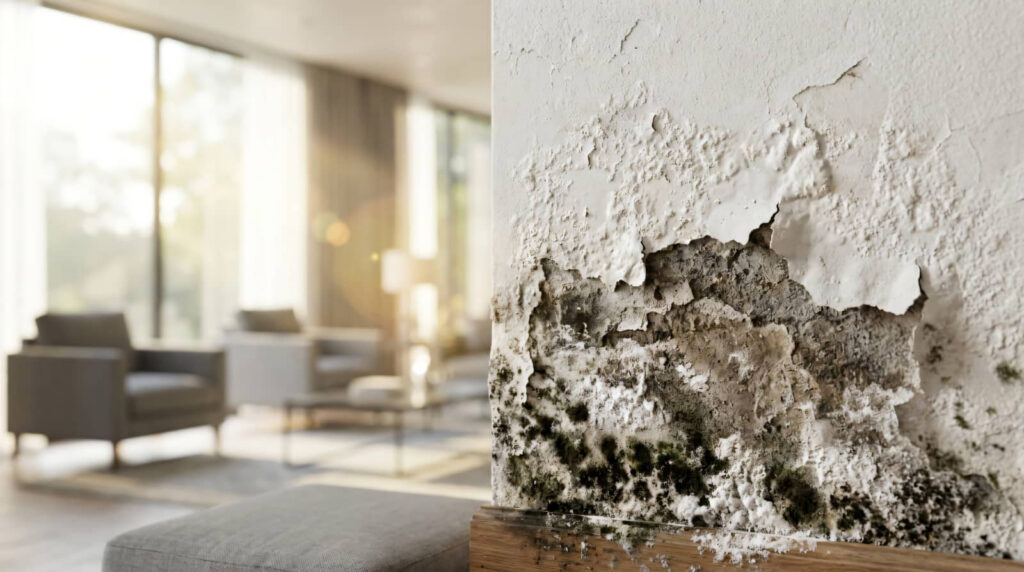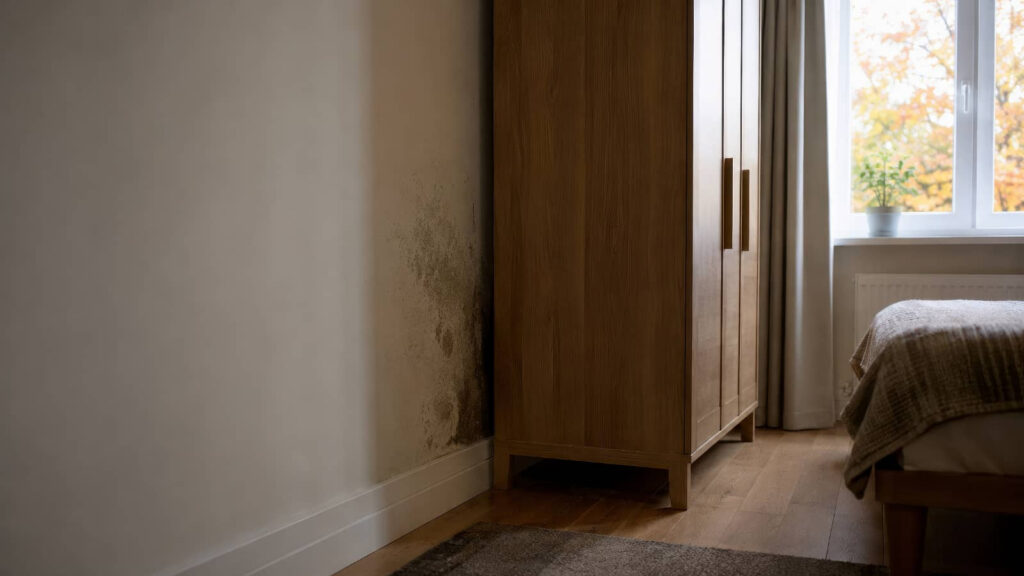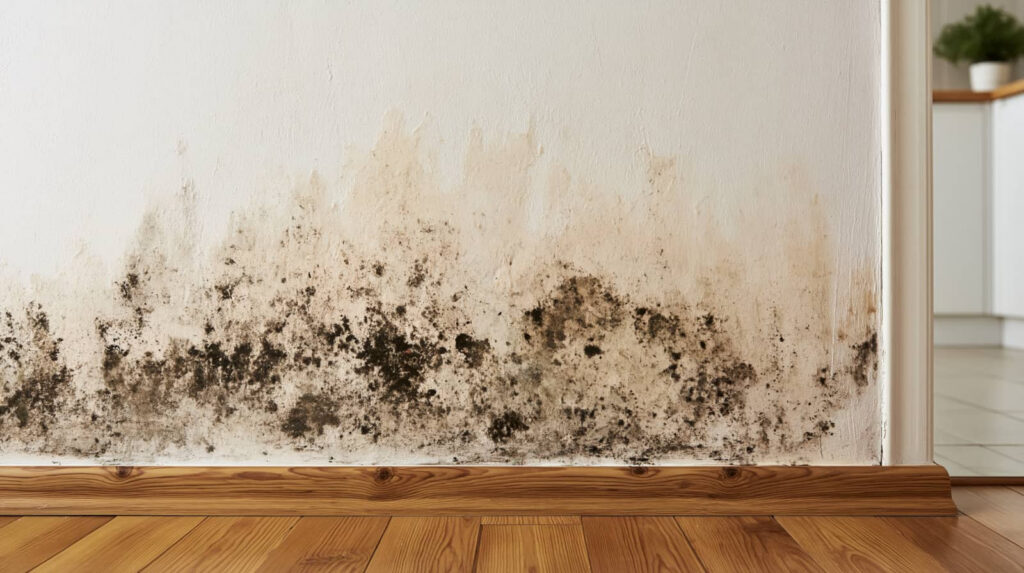
When floodwater hits your property, you’re not just facing a mess, you’re facing a race against mold, corrosion, and downtime. Flood Damage Remediation should begin by assessing the source and scope quickly, extracting standing water with commercial equipment, and controlling the drying process with air movers and dehumidifiers before damage spreads. Each step affects the next, and missing one can undermine the entire recovery. What happens after the first 24 hours may be more important than you expect.
Key Takeaways
- Start with a rapid assessment to identify water source, contamination level, and structural damage before remediation begins.
- Extract standing water quickly using submersible pumps, weighted vacuums, and truck-mounted units to limit further damage.
- Dry affected areas with air movers and calibrated dehumidifiers, while monitoring moisture levels twice daily.
- Sanitize flooded spaces with approved disinfectants, focusing on baseboards, drains, and other high-touch surfaces.
- Perform final inspections to confirm drying, safety, and mold prevention before reentry and recovery.
How Commercial Flood Remediation Works
Commercial flood remediation starts with a rapid assessment of the affected area, where technicians identify the water source, classify the contamination level, and map the extent of damage to structures, contents, and mechanical systems.
You’ll use this flood assessment to set priorities, protect your team, and build a clear plan that fits your facility. Next, you isolate affected zones, document conditions, and coordinate with building managers so everyone stays aligned.
You then remove damaged materials that can’t be restored, clean salvageable surfaces, and dry hidden cavities to reduce microbial growth. Moisture meters and thermal imaging help you verify progress.
You also review prevention strategies, like backflow controls, drainage checks, and maintenance routines, so your site can recover stronger and your crew can feel confident moving forward together.
Emergency Water Extraction for Businesses
Once you’ve mapped the damage, the next priority is removing standing water as quickly as possible to limit structural deterioration, corrosion, and microbial growth.
You’ll need trained crews who can deploy water extraction techniques matched to flooring, contents, and water depth. Use submersible pumps for deep pooling, then switch to weighted vacuums and truck-mounted units for tighter spaces and saturated carpet.
You should isolate electrical hazards, protect inventory, and document conditions before each pass. Fast extraction supports business continuity by reducing downtime, preserving equipment, and keeping your team’s recovery plan on track.
When you act decisively, you’re not just pumping water; you’re protecting your workplace community and the systems that keep it running.
Drying and Sanitizing Flooded Commercial Spaces
After water extraction, you need to move immediately into controlled drying and sanitizing to stop hidden moisture from damaging drywall, subfloors, insulation, and mechanical systems.
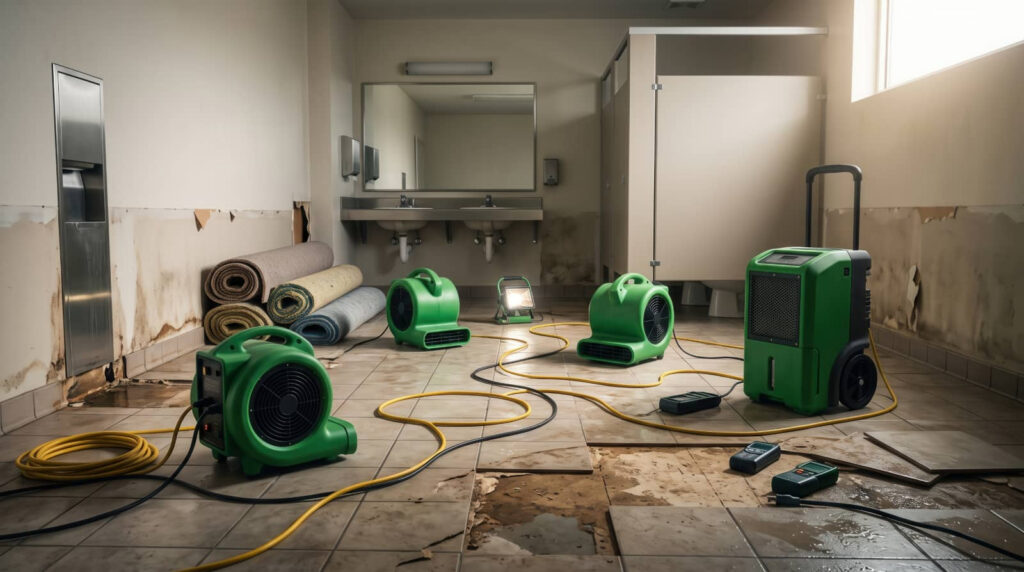
You should position air movers for cross-flow, seal off unaffected areas, and run calibrated dehumidification techniques to pull vapor from porous materials.
Check moisture with meters twice daily so you can adjust equipment before secondary damage starts.
Clean all hard surfaces with an approved disinfectant, paying close attention to baseboards, drains, and touch points.
For mold prevention, maintain low indoor humidity and keep materials above the dew point until readings stabilize.
You’re protecting your team, your tenants, and your business when you document conditions, replace unsalvageable items, and verify safe reentry with final inspections.
Frequently Asked Questions
How Do Flood Damage Costs Affect Business Insurance Premiums?
Higher flood damage costs raise your business insurance premiums because insurers adjust your risk assessment and expected payouts. You’ll pay more for flood insurance, especially if claims history, location, and mitigation efforts suggest recurring losses.
What Permits Are Needed for Major Commercial Flood Repairs?
You’ll usually need flood repair permits, building, electrical, plumbing, and mechanical permits, plus zoning or site approvals. You must follow commercial construction regulations, document damage, and coordinate inspections so your repairs pass code and keep operations moving.
How Can Businesses Prevent Future Mold After Flooding?
You can prevent future mold by drying water damage fast, maintaining humidity control below 60%, improving air circulation, and removing contaminated materials. You’ll protect your building, support your team, and strengthen mold prevention.
When Should Damaged Inventory Be Discarded Versus Cleaned?
Discard inventory that’s porous, contaminated, or moldy; clean items with nonabsorbent surfaces and minor water exposure after inventory assessment. Use strict cleaning protocols, document salvageability, and prioritize safety so your team stays confident together.
How Long Does Flood Remediation Usually Disrupt Business Operations?
You’ll usually face business downtime from a few days to several weeks, depending on water depth, contamination, and building size. Faster drying, debris removal, and coordinated contractors speed operational recovery, helping you rejoin your team sooner.
Recap
When floodwater hits, you need to act like a skilled captain steering through a storm: assess the damage fast, extract standing water without delay, and control drying with precision. You map the source, remove the threat, and stabilize the space before mold takes hold. By using these three remediation methods together, you protect your business, reduce downtime, and restore safe operations with confidence. Fast decisions now keep hidden damage from sinking your recovery later.