When facing the aftermath of such an event, it’s essential to act swiftly and methodically. You’ll need to prioritize safety, assess the damage, and gather the right supplies. Each step is important for a successful recovery. Let’s explore essential strategies that can help you navigate this challenging situation effectively.
Key Takeaways
- Assess damage thoroughly using moisture meters and infrared cameras to identify hidden issues and document with photos for insurance claims.
- Prioritize safety by wearing protective gear, turning off electricity, and keeping emergency supplies on hand during the cleanup.
- Use pumps for bulk water removal, followed by wet/dry vacuums for stubborn spots, working methodically from low to high areas.
- Remove contaminated materials like carpets and drywall, then clean surfaces with water and detergent to eliminate bacteria.
- Ensure complete drying with fans and dehumidifiers, and consider installing flood barriers and upgrading drainage systems for future prevention.
How to Assess Flood Damage Effectively
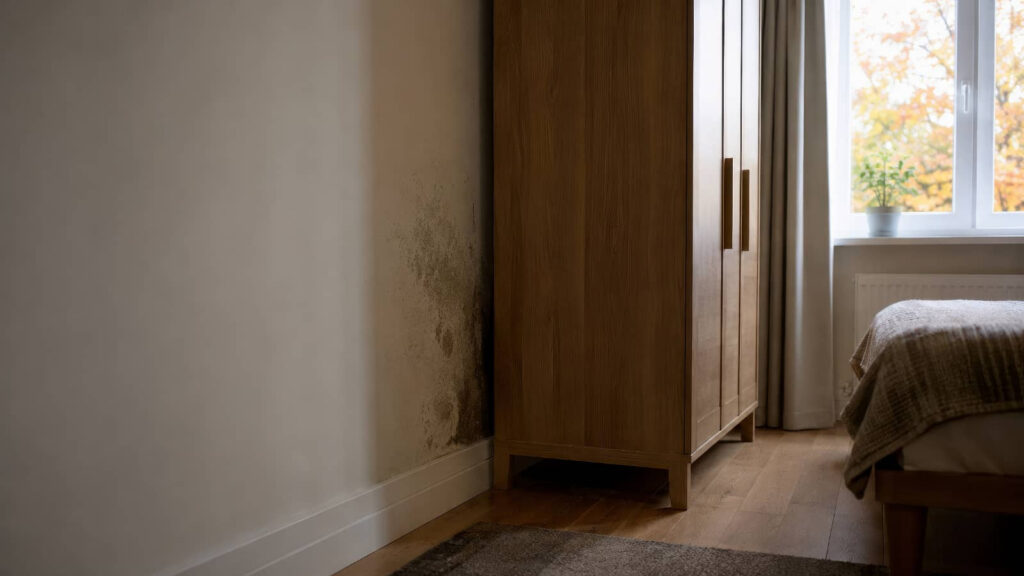
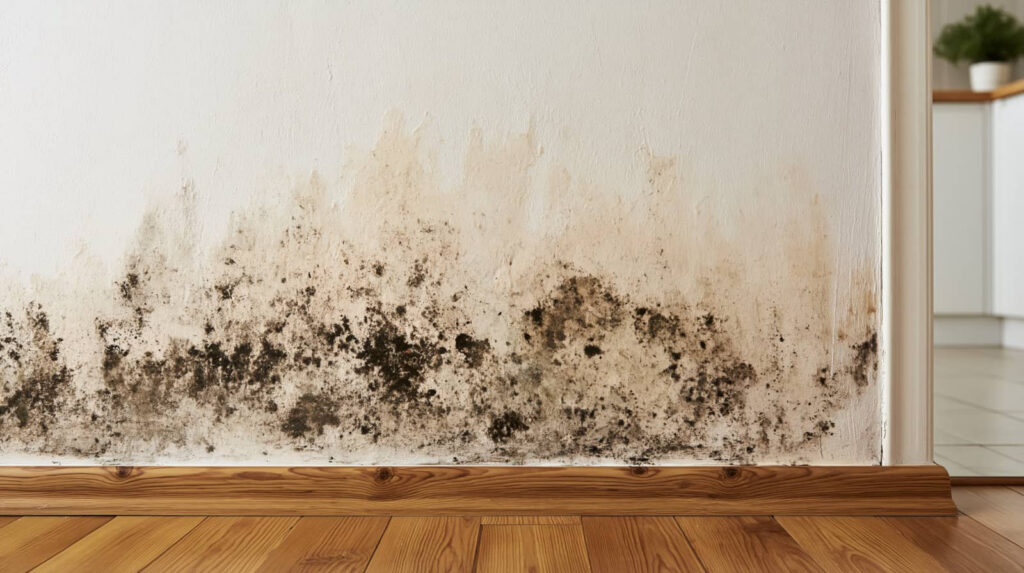
When you’re faced with the aftermath of a flood, it’s essential to assess the damage quickly and thoroughly. Start by identifying damage indicators like water stains, warped flooring, and mold growth. These signs can help you gauge the extent of the destruction.
Use assessment tools such as moisture meters and infrared cameras to pinpoint hidden issues in walls and ceilings. Document everything with photos for insurance claims, ensuring you capture both the obvious and subtle damage.
As you navigate this challenging time, remember you’re not alone; many have faced similar situations and can offer support. Taking these steps aids in your recovery and restores your sense of control in a difficult moment.
Stay Safe: Essential Cleanup Precautions
While diving into flood cleanup, it’s vital to prioritize your safety above all else. Start by wearing protective gear like gloves, masks, and boots to shield yourself from contaminants.
Make sure your home’s electricity is turned off to prevent shock hazards. As you assess damage, be cautious of structural weaknesses; if something feels unstable, don’t hesitate to step back.
Keep emergency supplies handy, including first-aid kits and flashlights, to handle unexpected situations. Stay informed about flood safety guidelines from local authorities, and don’t hesitate to reach out for help.
Gathering Your Supplies for Cleanup
Before you start the cleanup, it’s vital to gather the right supplies to protect yourself and tackle the mess effectively.
You’ll need essential cleaning equipment like mops, buckets, and disinfectants, as well as protective gear such as gloves and masks.
Having these items ready speeds up the process and ensures your safety as you work through the aftermath of the flood.
Essential Cleaning Equipment
As you prepare for flood damage cleanup, gathering the right equipment can make all the difference in your recovery efforts.
Focusing on essential cleaning supplies helps ensure you’re ready to tackle the challenges ahead. Here are three must-have items:
Wet/Dry Vacuum: This powerful tool efficiently removes standing water and debris, making the initial cleanup faster.
Mops and Buckets: You’ll need these for soaking up residual moisture and cleaning surfaces thoroughly.
Disinfectants: Proper cleaning supplies, including disinfectants, are vital for preventing mold and bacteria growth.
Don’t forget about equipment maintenance; keep your tools in good condition for future use.
With the right supplies, you’ll feel more equipped to reclaim your space and foster a sense of belonging again.
Protective Gear Requirements
When tackling flood damage cleanup, having the right protective gear is essential for your safety. Start with durable protective clothing to shield yourself from contaminants.
Don’t forget safety goggles to protect your eyes from debris and potential splashes. A respirator mask is vital for filtering out harmful particles in the air. Equip yourself with rubber gloves to prevent skin contact with hazardous materials, and opt for waterproof boots to keep your feet dry and safe.
Face shields can offer additional protection for your face during heavy cleanup. Finally, always keep a first aid kit handy to address any minor injuries.
Prioritize personal hygiene by washing up thoroughly after the cleanup to ensure you stay healthy and safe.
Removing Flood Water: Quick Extraction Techniques
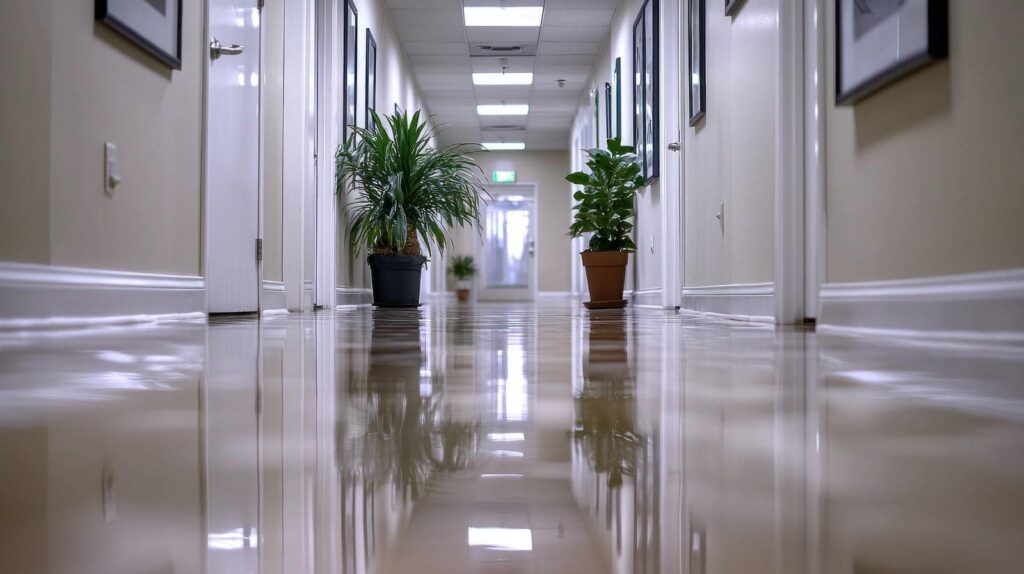
When you’re faced with standing water after a flood, quick action is essential.
Start by using a pump to remove the bulk of the water, then follow up with a wet/dry vacuum for those stubborn spots.
These techniques can help minimize damage and speed up your recovery process, so you can get back to normal as soon as possible.
Pumping Out Standing Water
Flooding can leave behind significant damage, but quick action can mitigate the impact.
When you’re faced with standing water, it’s crucial to prioritize floodwater safety and utilize effective water removal methods.
Here are three essential steps to pump out that water efficiently:
Assess the Area: Before starting, check for hazards like downed power lines or structural damage.
Choose the Right Equipment: Depending on the volume of water, consider pumps or sump pumps for efficient extraction.
Work Methodically: Start from the lowest point and move to higher areas, ensuring you’re not creating new water pockets.
Using Wet/Dry Vacuums
Quickly tackling flood water with a wet/dry vacuum can make a significant difference in your cleanup efforts. When choosing your vacuum, consider its power and capacity; a model with at least 5 horsepower is ideal for heavy-duty tasks.
Once you’ve made your vacuum selection, familiarize yourself with its features to maximize efficiency.
Before starting, make certain the filter is clean to avoid clogs. As you vacuum, work from the furthest point back to the entryway, making it easier to manage the water. Remember to empty the tank frequently to maintain suction power.
After use, follow maintenance tips like cleaning the filter and checking for any damage. This proactive care will ensure your vacuum’s longevity, making you ready for future challenges.
How to Clean and Sanitize After Flooding
After a flood, tackling the cleanup and sanitation process can feel overwhelming, but it’s crucial for your safety and health.
To effectively clean and sanitize your space, follow these steps:
Remove contaminated materials: Dispose of soaked carpets, furniture, and drywall to prevent mold growth.
Thoroughly clean surfaces: Use a mixture of water and detergent to scrub floors, walls, and fixtures. This helps eliminate bacteria and allergens.
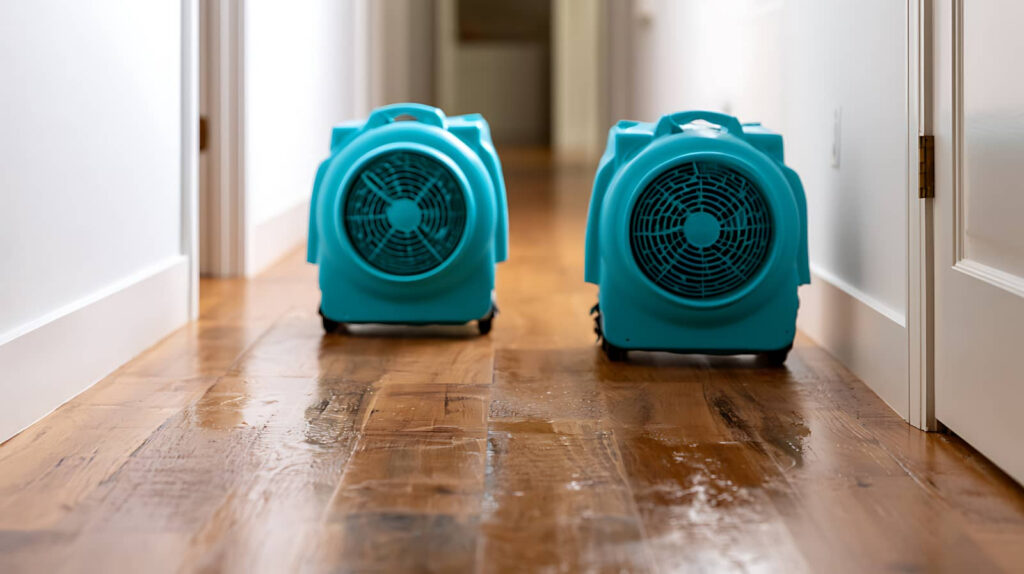
Dry the area completely: Use fans and dehumidifiers to ensure everything dries quickly, aiding in mold prevention and preparing for insurance claims.
Top Strategies to Prevent Future Flood Damage
Once the cleanup is completed, it’s important to focus on preventing future flood damage. Start by installing flood barriers around your property. These can effectively redirect water away from vulnerable areas, providing peace of mind during heavy rains.
Next, assess and upgrade your drainage systems. Make sure they’re clear of debris and functioning properly to manage runoff efficiently. Consider adding sump pumps in basements or low-lying areas to further protect against flooding.
Additionally, landscape your yard to encourage proper water flow away from your home. By taking these proactive steps, you create a safer environment for yourself and your loved ones, fostering a sense of security and belonging in your community.
When Should You Call in Professionals?
When should you consider calling in professionals for flood damage cleanup? It’s essential to recognize when the job is too big to handle alone. Here are three key factors to guide your decision:
Extent of Damage: If water has infiltrated walls or flooring, it’s vital to get expert help to prevent mold growth and structural issues.
Timing Factors: The sooner you act, the better. Professionals can quickly assess and mitigate further damage, saving you time and stress.
Cost Considerations: While there’s an upfront expense, hiring professionals can save you from costly repairs down the line.
Frequently Asked Questions
What Insurance Coverage Is Typically Available for Flood Damage?
Flood insurance typically includes two types: building and contents coverage. You’ll find coverage limits vary, so it’s essential to review your policy. Understanding these options helps you feel secure in protecting your home and belongings.
How Long Does Flood Damage Restoration Usually Take?
Restoration timelines vary, but you can expect the cleanup process to take days to weeks, depending on the extent of damage. Staying organized and communicating with professionals helps ensure a smoother recovery for you and your home.
Can I File a Claim if I Didn’t Have Flood Insurance?
You can’t file a flood claim without insurance, but explore other assistance options. Consider government aid programs or disaster relief. Understanding the claim process will help you navigate recovery, even without flood coverage. You’re not alone.
What Are Common Health Risks After a Flood?
After a flood, think of your home as a wounded garden. Mold growth and water contamination can pose serious health risks. Stay vigilant, protect yourself, and ensure your space heals safely, like nurturing that garden back to life.
How Can I Protect My Home Before a Flood Occurs?
To protect your home before a flood, install flood barriers around your property and prepare emergency kits with essentials. These steps help safeguard your space, ensuring you feel secure and ready for any unexpected situations.
Recap
As you navigate the aftermath of flooding, remember that each step you take is a brick in the foundation of recovery. By prioritizing safety and thorough cleanup, you’re not just restoring your space; you’re reclaiming your peace of mind. Embrace preventive measures like flood barriers to fortify your home against future storms. If the task feels overwhelming, don’t hesitate to call in professionals. You deserve a safe, dry sanctuary to call home again.