After a flood, it’s vital to approach post-flood repair with a clear strategy. You’ll need to assess the damage carefully, ensuring safety is your top priority. Understanding effective moisture removal and cleaning techniques can save you from long-term issues like mold. But how do you balance immediate needs with long-term preparedness? Let’s explore essential tips that can help you navigate this challenging recovery process.
Key Takeaways
- Document all damage thoroughly with photos and detailed lists for insurance claims and future reference.
- Remove wet materials promptly to prevent mold growth and ensure proper sanitization of affected areas.
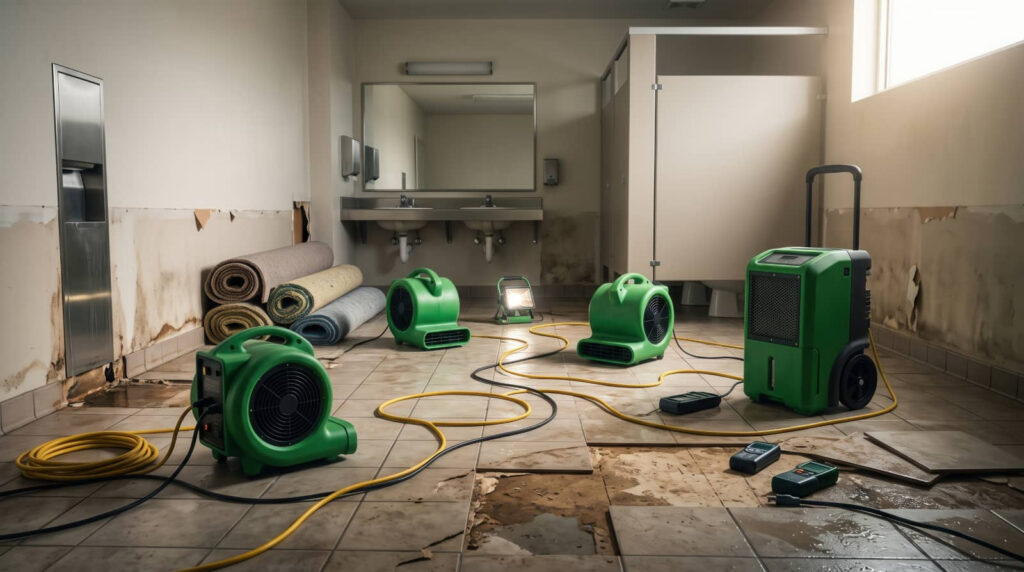
- Use dehumidifiers and maintain low humidity levels to promote drying and prevent moisture buildup.
- Regularly inspect hidden areas like basements for mold and moisture, addressing issues immediately.
- Assess and improve drainage systems and flood-proofing strategies to mitigate future risks effectively.
Assessing the Damage: Key Signs to Look For
Evaluating the damage after a flood can feel overwhelming, but knowing what to look for can make the process manageable.
Start by checking for water stains on walls and ceilings; these can reveal how high the water rose. Inspect flooring materials carpets and wooden floors often warp or develop mold.
Don’t forget to look at electrical systems; any signs of damage here can be hazardous. Document everything for your damage assessment, as this will be essential for your flood insurance claim.
Pay attention to hidden areas like basements and crawl spaces, where moisture can linger.
Taking these steps not only helps you understand the extent of the damage but also brings you closer to restoring your home and peace of mind.
Prioritize Safety: Essential Precautions to Take
While evaluating the aftermath of a flood can be challenging, prioritizing safety is essential. Start by equipping yourself with safety gear gloves, masks, and boots can protect you from contaminants. Confirm you have emergency contacts handy and check your first aid supplies.
Assess your home’s structural integrity carefully before entering; look for visible damage or signs of instability. If utilities were affected, remember to shut them off to avoid further hazards. Review your flood insurance policy to understand coverage options.
Establish an evacuation plan for your family’s safety and stay informed about potential risks. Don’t underestimate the impact on your mental health; reach out for support if needed. Maintaining hazard awareness helps keep everyone safe during this recovery process.
Effective Moisture Removal Techniques
Once the immediate safety concerns are addressed, effectively removing moisture is vital to preventing further damage and mold growth.
Start by using high-quality dehumidifiers; aim for models with a capacity suitable for your space. Aim to keep humidity levels below 50%.
Next, install moisture barriers in basements or crawl spaces to prevent dampness from seeping in. Confirm that windows and doors are sealed to block external moisture.
Regularly check for leaks and promptly address them; even small issues can escalate.
It’s essential to maintain airflow with fans, promoting quicker drying.
Cleaning and Sanitizing: Guarding Against Mold Growth
To effectively guard against mold growth after a flood, you need to prioritize thorough cleaning and sanitizing of affected areas.
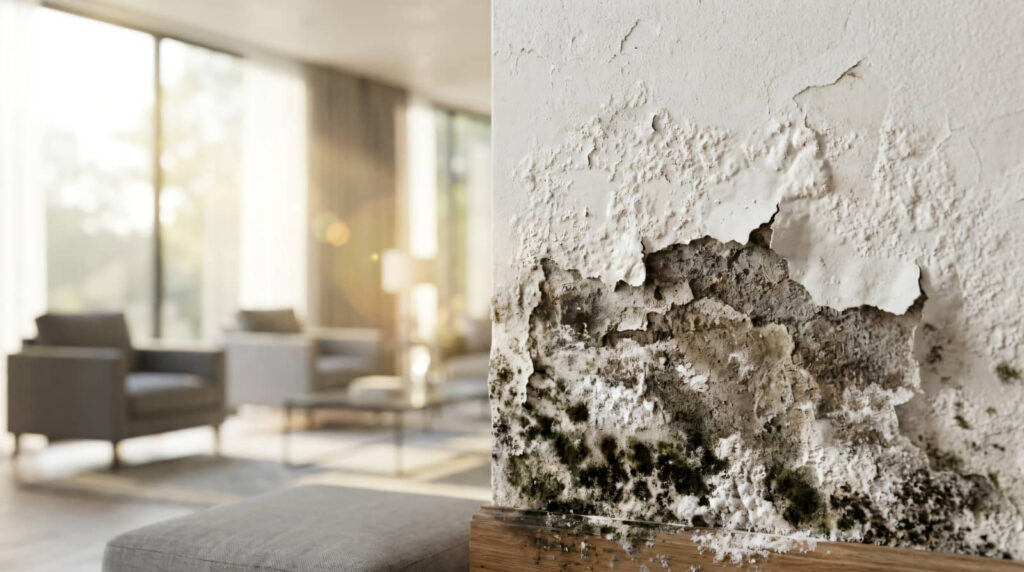
Start by removing any wet materials, like carpets or drywall, as these harbor mold spores. Use effective sanitization techniques, such as a mixture of water and bleach, to wipe down surfaces.
Don’t forget to ventilate the area; open windows and use fans to promote airflow.
Implement mold prevention strategies by keeping humidity levels low—aim for below 60%. Regularly check for signs of moisture and mold, especially in hidden spots.
How to Assess Structural Damage: DIY vs. Professional Help?
Evaluating structural damage after a flood can feel overwhelming, but knowing when to tackle it yourself versus calling in professionals is essential. Consider these factors when deciding between DIY assessments and professional evaluations:
Visible cracks or warping in walls or foundations
Weakness in load-bearing structures affecting safety
Repair estimates that exceed your budget
Safety guidelines that require expert knowledge
Damage reports needing formal documentation for insurance
While DIY assessments can save money, they may overlook critical issues affecting structural integrity.
Professionals provide thorough evaluations and detailed repair options, ensuring safety.
Balancing cost considerations with the potential risks will guide your decision, ultimately fostering a sense of security and belonging in your home.
Post-Flood Electrical Safety Tips
After a flood, guaranteeing electrical safety is essential, especially since water can lead to serious hazards like short circuits and electrocution.
First, turn off the main power supply and contact a professional for a thorough safety inspection. They’ll assess your electrical system, focusing on circuit breakers, wiring, and any water damage.
Conduct appliance checks to guarantee everything is safe to use. Remember, grounding techniques can help prevent future issues, so discuss these with your electrician.
Once you’re confident everything’s in order, power restoration can begin. Taking these steps not only protects you but also fosters a sense of community and safety.
Your home should be a sanctuary, and prioritizing electrical safety is a key part of that.
Restoring Your HVAC System After a Flood
After a flood, your HVAC system may face significant challenges that require immediate attention.
Start by evaluating the extent of the water damage to identify which components need cleaning or replacement.
It’s essential to contemplate professional inspections to guarantee your system is safe and operational.
Assessing Water Damage Severity
How can you effectively assess the water damage to your HVAC system after a flood? Start by conducting a thorough inspection, focusing on critical components. Your goal is to gauge the severity of the damage and prioritize repairs for flood resilience.
Check for visible corrosion on metal parts.
Look for water stains or pooling around the unit.
Test electrical connections for moisture.
Inspect insulation for wetness or mold.
Use water detection equipment to pinpoint hidden moisture.
Cleaning and Disinfecting Components
Cleaning and disinfecting your HVAC components is essential for restoring functionality and preventing future health risks.
Start by gathering your cleaning supplies, including a vacuum, cloths, and mild soap. For disinfectant methods, consider using a solution of water and vinegar or a commercial disinfectant suitable for HVAC systems.
Carefully remove any debris or mold from the filters and ducts, as neglecting these areas can lead to respiratory issues. Make certain to dry all components thoroughly to avoid moisture buildup.
After cleaning, replace filters and check the system for any lingering odors or issues. This proactive approach not only guarantees your HVAC system runs efficiently but also fosters a healthier environment for you and your loved ones.
Professional Inspection Recommendations
Even with thorough cleaning and disinfecting, your HVAC system may still need a professional touch to guarantee its safe and efficient operation after a flood.
Regular inspections are crucial; you can’t overlook the importance of an inspection checklist to confirm every component is assessed. Aim for at least bi-annual inspections to stay ahead of potential issues.
- Inspect ductwork for mold or debris
- Check electrical components for water damage
- Assess insulation for dampness
- Test the thermostat and controls
- Evaluate airflow and ventilation efficiency
These steps can help you maintain a healthy home environment.
Documenting Repairs for Insurance Claims
As you navigate the challenging aftermath of a flood, accurately documenting your repairs becomes essential for maximizing your insurance claim. Start by taking clear photos of the damage before any repairs begin. This visual evidence can be invaluable.
Keep receipts and invoices for every repair, as these are vital for meeting insurance requirements. Create a detailed list of all repairs made, noting the date, cost, and materials used. This repair documentation not only strengthens your claim but also provides a clear picture of your efforts to restore your home.
Creating a Long-Term Maintenance Plan for Flood Preparedness
By identifying weak spots, you can implement targeted improvements and establish emergency protocols tailored to your unique situation.
This proactive approach not only safeguards your home but also provides peace of mind for you and your family.
Assessing Vulnerabilities Regularly
While floods can strike unexpectedly, regularly evaluating vulnerabilities in your property is essential for long-term preparedness. A thorough vulnerability assessment helps you identify potential risks and implement effective flood-proofing strategies.
By committing to regular inspections, you not only safeguard your home but also foster a sense of belonging within your community. Here are some key areas to focus on:
- Check for drainage issues or blockages
- Inspect foundation and basement for cracks
- Review landscaping for proper slope and elevation
- Assess water entry points, like windows and doors
- Update emergency plans based on new findings
Emphasizing risk management through these steps will empower you and your neighbors, creating a shared commitment to resilience against future floods.
Implementing Emergency Protocols
To effectively navigate the aftermath of a flood, it’s crucial to implement emergency protocols that guarantee your property’s long-term resilience.
Start by establishing a clear list of emergency contacts, including local authorities, repair services, and loved ones. This connection fosters a sense of community and support during tough times.
Next, develop thorough evacuation plans tailored to your household’s needs, ensuring everyone knows their designated routes and safe locations. Regularly review and practice these plans, so they become second nature.
Additionally, create a maintenance schedule for your property, addressing potential vulnerabilities before they escalate.
What to Do If You Find Mold in Your Home?
If you discover mold in your home, it’s essential to act swiftly to mitigate health risks and prevent further damage. Start by using mold identification techniques to assess the extent of the problem.
Next, gather the necessary mold removal products for effective treatment.
- Wear protective gear, like masks and gloves.
- Seal off the affected area to prevent spores from spreading.
- Use a mixture of water and detergent for small spots, or consider professional removal for larger infestations.
- Guarantee proper ventilation to aid drying.
- Monitor for any recurrence to maintain a safe environment.
Taking these steps not only protects your health but also fosters a sense of security in your living space. You deserve a safe and welcoming home.
Frequently Asked Questions
How Can I Prevent Future Floods in My Home?
To prevent future floods in your home, invest in effective drainage solutions and guarantee proper landscape grading. These measures direct water away, reducing risks and fostering a safer, more secure environment for you and your family.
What Should I Do With Damaged Personal Belongings?
Your cherished belongings feel like treasures lost in a sea of despair. Use salvage techniques to recover what you can, exploring restoration options for items that hold emotional value—each decision can bring hope back into your life.
How Long Does It Take for a Home to Dry Completely?
It generally takes several days to two weeks for a home to dry completely, depending on moisture measurement and drying techniques used. Staying proactive with dehumidifiers and fans can greatly speed up the process.
Are There Specific Insurance Policies for Flood Damage?
Are you aware that flood insurance offers specific policy coverage for water damage? It’s essential to review your options, ensuring you’re protected. Understanding these policies can provide peace of mind during challenging times.
Can I Claim Emotional Distress From Flood Damage?
You can claim emotional distress from flood damage, especially if you demonstrate the emotional impact on your life. Document your experiences during flood recovery, as this evidence can support your claim for compensation.
Wrap-Up
As you navigate the aftermath of a flood, envision your home’s potential rebirth walls drying, fresh air flowing, and the risk of mold fading away. By taking these steps, you’re not just repairing damage; you’re fortifying your sanctuary against future storms. With each careful inspection and thorough documentation, you’re weaving resilience into the fabric of your home. Stay vigilant, prioritize safety, and breathe deeply your efforts will transform chaos into a renewed sense of security and hope.