Maintaining Water-Damaged Properties requires quick action and ongoing care after water intrusion occurs. After a heavy rainstorm, a homeowner may discover water pooling in their basement, signaling that immediate attention is necessary. To prevent further damage, you must focus on swift water removal and thorough drying. But addressing these initial issues is only the beginning. Understanding the key strategies for maintaining water-damaged properties can save you time and money in the long run. Prioritizing proper inspections, moisture control, and preventative measures can help guarantee your property remains safe and sound.
Key Takeaways
- Regularly inspect and repair plumbing to prevent leaks and corrosion that can lead to water damage.
- Utilize dehumidifiers and ventilation to control moisture levels and reduce mold growth.
- Conduct routine assessments of walls, ceilings, and floors for signs of water damage or structural issues.
- Clean gutters and downspouts consistently to prevent overflow and ensure proper drainage.
- Employ mold-resistant materials during repairs and renovations to safeguard against future infestations.
Immediate Steps to Take After Water Damage
When water damage strikes, act quickly to mitigate further destruction. Start by ensuring your safety; switch off the electricity and gas if safe to do so.
Next, assess the damage and document everything for your insurance claims photos and notes will be essential. Contact your insurance provider immediately; they’ll guide you through the emergency response process.
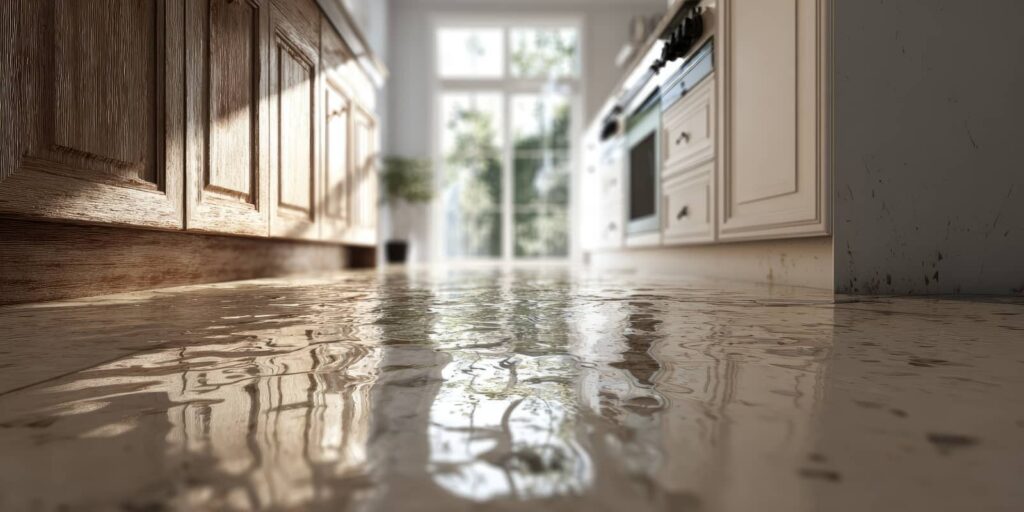
If possible, begin removing excess water using pumps or wet vacuums. Don’t forget to ventilate the area to prevent mold growth.
If structural damage is evident, consider consulting a professional for a thorough evaluation.
Key Repairs to Mitigate Water Damage Consequences
To effectively mitigate the consequences of water damage, prioritizing key repairs is essential. Here are four critical steps you should take:
- Implement Drying Techniques: Use industrial fans and dehumidifiers to remove moisture from affected areas promptly.
- Assess and Repair Structural Damage: Inspect walls, floors, and ceilings for any warping or weakening, and make necessary repairs.
- Upgrade Insulation: Replace damaged insulation with moisture-resistant materials to prevent future issues and enhance energy efficiency.
- Seal and Waterproof: Apply sealants to vulnerable areas and consider waterproofing products to protect against future water ingress.
Mold Prevention Tips
Mold thrives in damp environments, so controlling moisture is essential for prevention. Start by implementing effective moisture control methods, such as using dehumidifiers in high-humidity areas and ensuring proper ventilation.
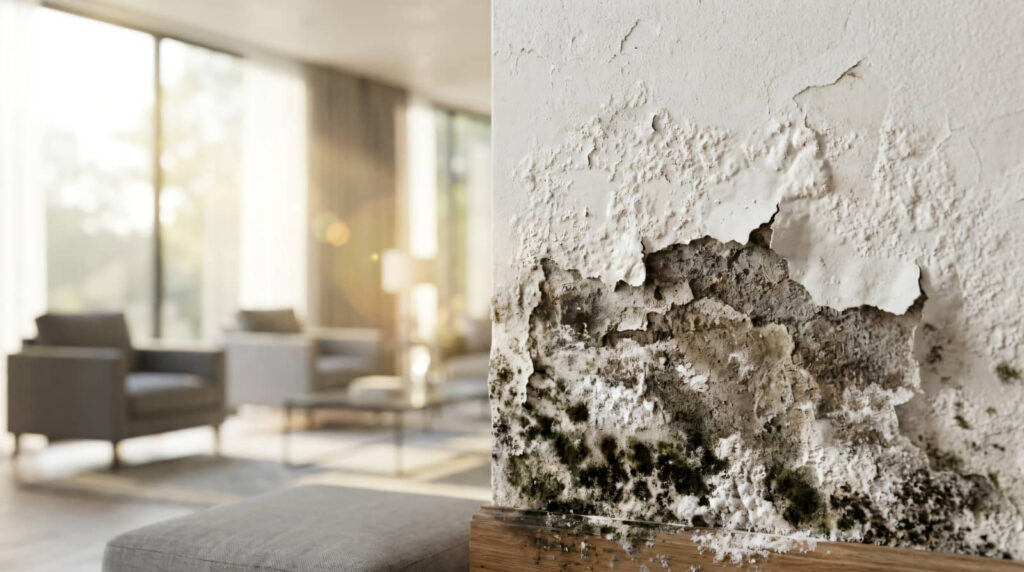
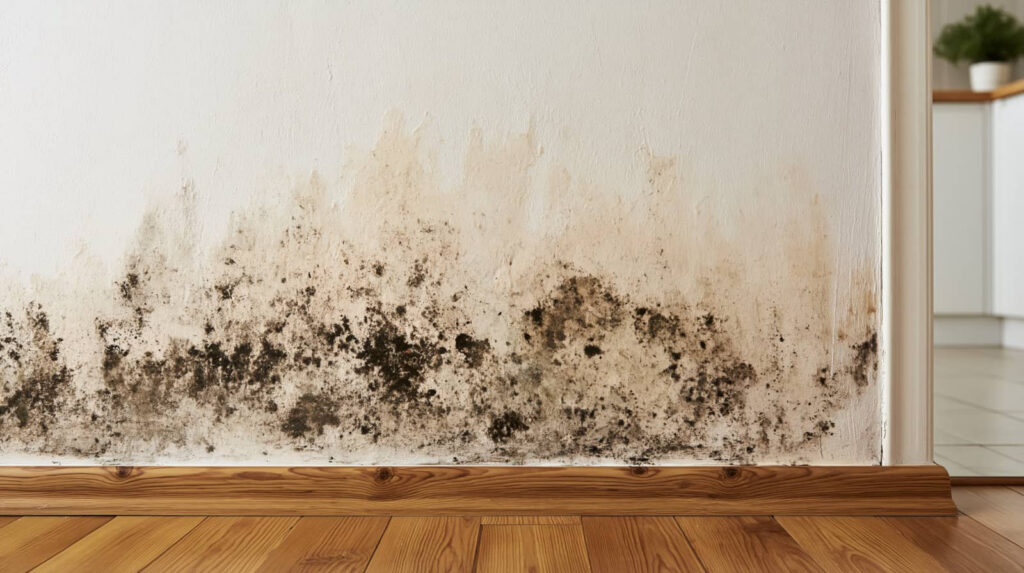
Regularly inspect your property for leaks and address them immediately to minimize water accumulation. Utilize mold identification techniques, like visual inspections and air quality tests, to detect early signs of mold growth. If you find any, act quickly to remediate the issue.
Make sure to maintain a consistent indoor humidity level below 60% and use mold-resistant materials in your renovations. By proactively managing moisture and being vigilant about mold detection, you’ll create a healthier environment for everyone in your community.
Routine Maintenance to Prevent Future Issues
Maintaining a water-damaged property requires ongoing effort to prevent future issues.
Implementing preventive measures and conducting regular inspections can save you from costly repairs down the line.
Here are four critical steps you should take:
- Inspect Plumbing: Regularly check pipes and fixtures for leaks or corrosion.
- Monitor Humidity Levels: Use a hygrometer to guarantee humidity stays below 60% to inhibit mold growth.
- Clean Gutters: Clear debris from gutters and downspouts to prevent water overflow and pooling.
- Seal Windows and Doors: Inspect seals for gaps that could let in moisture, and replace them as needed.
When to Call in the Professionals for Water Damage?
How can you tell when it’s time to call in the professionals for water damage? If you notice extensive water accumulation, mold growth, or structural issues, it’s essential to act quickly.
When water damage exceeds your ability to manage, professional intervention is necessary. They can assess the situation accurately and guarantee proper mitigation, which is crucial for your insurance claims.
Additionally, restoration timelines can be intimidating; experts expedite the process, minimizing disruption to your life.
If you’re unsure about the extent of the damage or if your DIY efforts aren’t yielding results, don’t hesitate. Trusting professionals can provide peace of mind, knowing your property is in capable hands and reducing risks associated with prolonged exposure to moisture.
Frequently Asked Questions
How Can I Assess the Extent of Water Damage?
To assess water damage, identify the water source first. Then, examine walls, ceilings, and floors for discoloration, warping, or mold. Use moisture meters for precise damage assessment and document findings for necessary repairs.
What Insurance Coverage Is Available for Water Damage?
When it rains, it pours flood insurance can help cover significant water damage costs. Make sure to review your policy for water restoration coverage, ensuring you’re protected against unexpected expenses and restoring your home effectively.
Can I File a Claim for Previous Water Damage?
Yes, you can file a claim for previous water damage. Start the claim process by gathering damage documentation, including photos and repair estimates, to support your case and guarantee a smoother resolution with your insurance provider.
How Long Does It Take to Dry Out a Property?
It typically takes 24 to 48 hours to dry out a property using effective drying techniques. Regular moisture measurement guarantees you’re on track, preventing further damage and creating a safer space for everyone involved.
What Are the Signs of Hidden Water Damage?
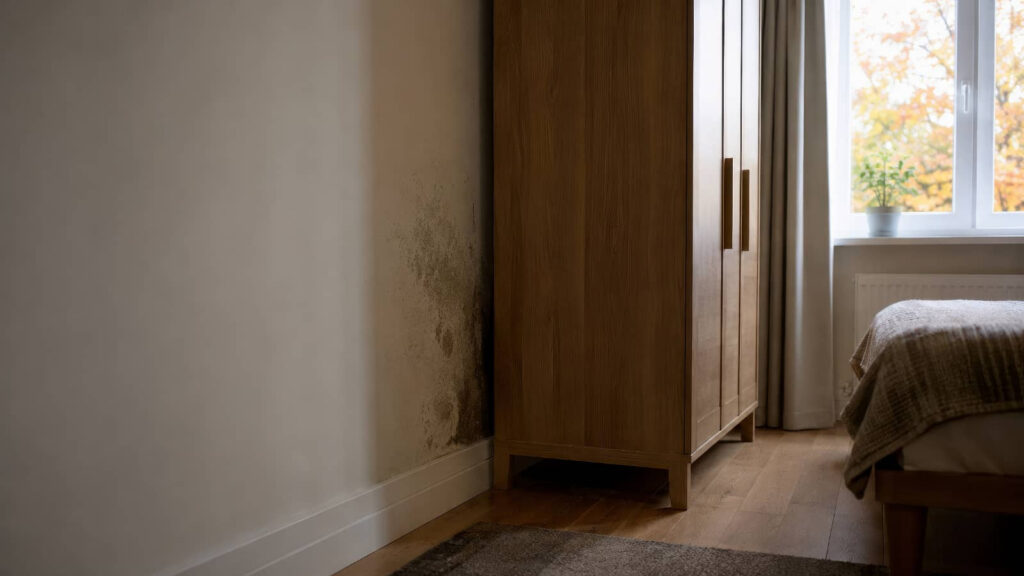
You’ll notice signs of hidden water damage through mold growth, musty odors, and discoloration on walls. These issues threaten your property’s structural integrity, so address them promptly to guarantee a safe, healthy environment for everyone.
Summary
In summary, taking swift action after water damage is essential. Did you know that mold can begin to grow within just 24-48 hours of water exposure? By implementing the strategies outlined like moisture control and regular inspections you can greatly reduce the risk of long-term issues. Don’t underestimate routine maintenance; it’s your first line of defense. Remember, being proactive today can save you from costly repairs and health hazards tomorrow. Stay vigilant and protect your property effectively.