When dealing with water-damaged properties, it’s easy to overlook the long-term care needed to maintain safety and integrity. Regular inspections and maintenance aren’t just optional; they’re essential. They help you catch hidden issues like mold and moisture before they turn into costly problems. Understanding the importance of a structured care plan can save you money and preserve your property’s value. So, what steps should you take to guarantee effective long-term management?
Key Takeaways
- Long-term care prevents hidden damage and moisture sources from escalating, ensuring properties remain safe and livable.
- Regular inspections allow early identification of issues, reducing health risks associated with mold and structural damage.
- Proactive maintenance strategies, like humidity control and prompt leak repairs, preserve property integrity and value.
- Effective long-term planning and budgeting mitigate unexpected repair costs, enhancing financial health and property appreciation.
- Well-maintained properties boost community pride, increase neighborhood appeal, and encourage responsible stewardship among residents.
What You Need to Know About Long-Term Care for Water-Damaged Properties
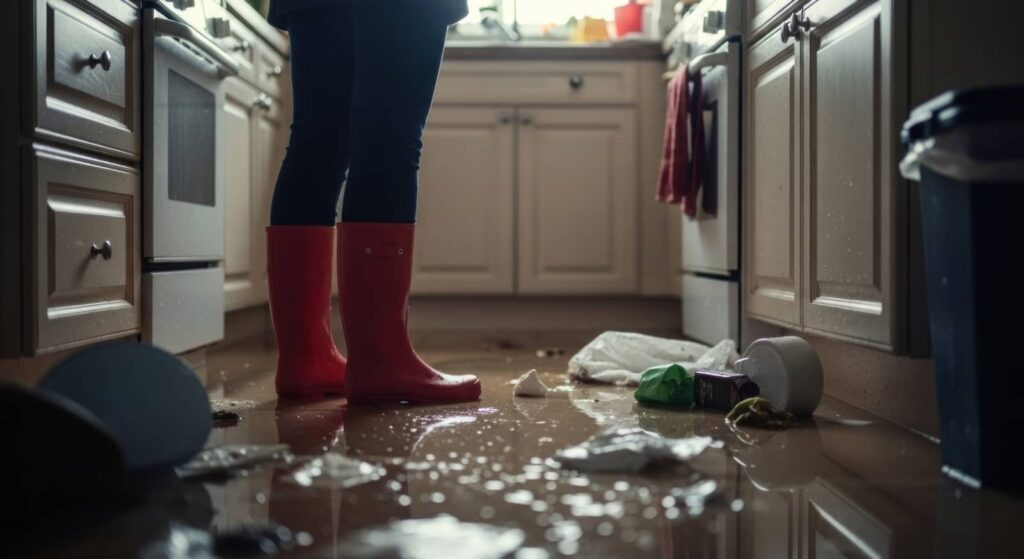
When dealing with water-damaged properties, understanding the long-term care required is vital to preventing further issues.
Start with a thorough property assessment to identify hidden damage and moisture sources. This step guarantees you grasp the extent of the problem before diving into restoration techniques.
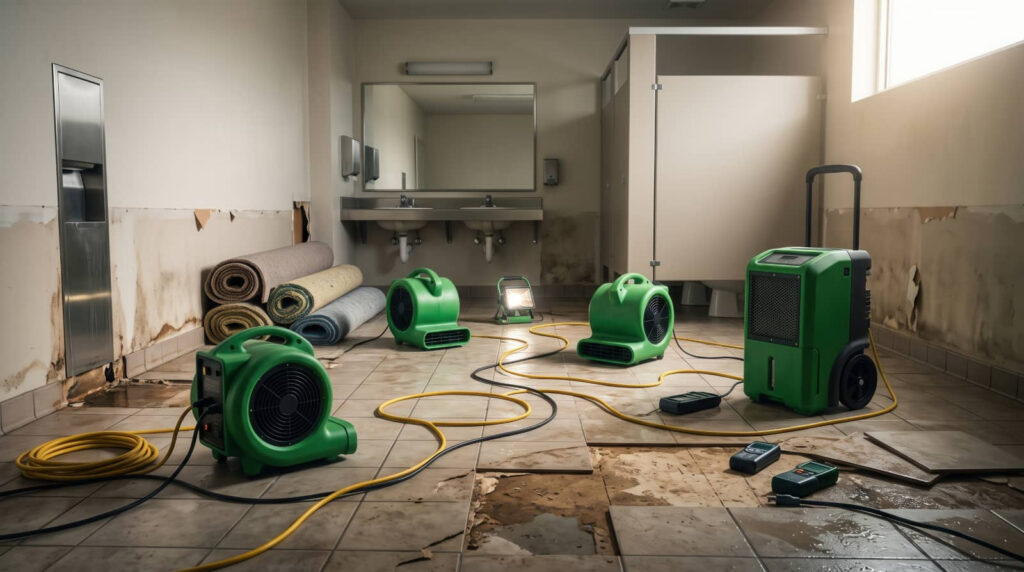
Implementing effective restoration techniques, like drying, dehumidification, and mold remediation, is essential. These methods not only restore your property but also minimize health risks associated with lingering moisture.
Regular monitoring is key; check for signs of mold or structural issues over time. By investing in long-term care, you foster a secure and welcoming environment, enhancing your sense of belonging in your space.
Prioritize proactive measures to make certain your property remains safe and livable.
Why Regular Inspections Matter After Water Damage
Regular inspections after water damage are essential for identifying hidden issues before they escalate.
By catching problems early, you can effectively prevent mold growth, which poses significant health risks and can damage your property further.
Staying proactive with inspections not only safeguards your investment but also guarantees a healthier living environment.
Early Detection of Issues
To prevent escalating damage in water-damaged properties, conducting regular inspections is essential. You need to focus on moisture detection to identify hidden problems before they worsen. Early intervention can save you significant costs and prevent structural issues.
During these inspections, look for signs of water intrusion, like discoloration or dampness in walls and ceilings. By addressing these issues promptly, you not only protect your property but also guarantee a safer environment for everyone involved.
Regular checks foster a sense of community responsibility, encouraging you to share insights with neighbors facing similar challenges. Remember, staying proactive is key. Your commitment to regular inspections can make a real difference in preserving the integrity of water-damaged properties.
Preventing Mold Growth
While you may think the immediate danger of water damage has passed, the threat of mold growth looms large without ongoing vigilance.
Regular inspections are essential in identifying hidden moisture sources that can foster mold. Implementing effective mold prevention strategies, like maintaining proper ventilation and using dehumidifiers, can greatly reduce humidity levels in your home.
Additionally, moisture control techniques, such as sealing leaks and addressing condensation, protect your property from potential infestations.
By prioritizing these practices and conducting routine checks, you not only safeguard your environment but also enhance your sense of belonging in a healthy, mold-free space.
Spotting Hidden Issues After Inspections
After an inspection, you might think your property is in good shape, but hidden issues can lurk beneath the surface.
Be on the lookout for mold growth indicators, structural integrity concerns, and potential risks to your electrical system.
Identifying these problems early can save you from costly repairs down the line.
Mold Growth Indicators
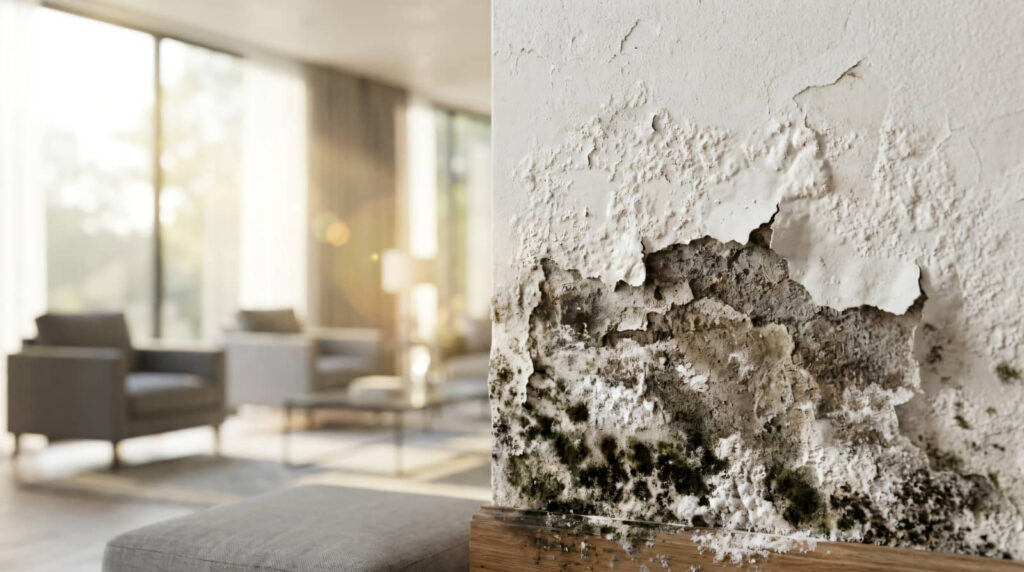
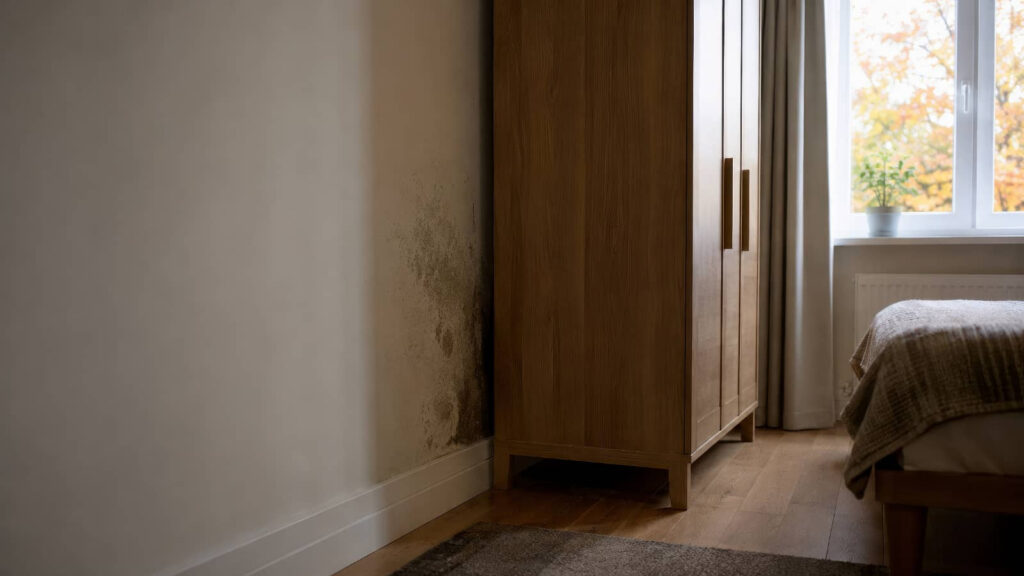
You should be vigilant for signs like discoloration on walls or ceilings, which can signal specific mold types such as Aspergillus or Stachybotrys. These indicators often arise from moisture sources like leaks or high humidity, creating an ideal breeding ground for mold.
Check behind furniture and under carpets, as these areas frequently trap moisture unnoticed. Additionally, musty odors can hint at hidden mold colonies.
By understanding these indicators, you can take proactive steps to address potential mold issues, ensuring a healthier environment for everyone in the space.
Don’t let mold linger; your awareness is key to long-term care.
Structural Integrity Concerns
As you assess a water-damaged property, it’s vital to look beyond surface-level inspections to uncover potential structural integrity concerns.
Foundation stability is often compromised in these situations, and hidden issues may lurk beneath the surface. Check for signs of settling or cracks in walls and floors, as these can indicate deeper problems.
Moisture control is critical; persistent dampness can weaken structural elements, leading to costly repairs. Pay attention to wood framing, as it may be susceptible to rot or pests if moisture isn’t adequately managed.
By thoroughly evaluating these aspects, you can guarantee the property’s long-term viability and safeguard your investment against future issues.
Your diligence now can prevent serious structural failures down the line.
Electrical System Risks
While evaluating structural integrity, don’t overlook the potential risks within the electrical system of a water-damaged property.
Water can lead to hidden electrical hazards that may not be immediately visible. Moisture can cause circuit damage, leading to short circuits or even fires. It’s essential to inspect wiring, outlets, and panels for signs of corrosion or wear.
When reviewing the property, remember that older systems mightn’t handle the added stress of moisture well. Don’t hesitate to consult a licensed electrician for a thorough inspection.
Addressing these risks not only enhances safety but also preserves the value of your property. Prioritizing the integrity of your electrical system guarantees a secure environment for everyone involved.
Essential Maintenance Tips for Water-Damaged Properties
Maintaining a water-damaged property requires a clear strategy to prevent further deterioration and health risks.
Start by evaluating your drainage solutions; confirm gutters and downspouts direct water away from your foundation. Regularly check for blockages and leaks that could exacerbate moisture issues.
Next, invest in humidity control methods, such as dehumidifiers, which can greatly reduce mold growth. Monitor indoor humidity levels, aiming for a range of 30-50%.
Repair any leaks promptly to avoid long-term damage, and consider using moisture-resistant materials during renovations.
Regularly inspect walls, ceilings, and floors for signs of water damage, addressing issues immediately to maintain a safe environment.
Creating a Long-Term Care Plan for Restoration
To effectively restore a water-damaged property, you need a thorough long-term care plan that addresses both immediate repairs and ongoing maintenance.
Start by outlining long-term strategies that guarantee your property remains resilient against future issues. Identify key areas requiring attention, such as structural integrity and mold prevention.
Establish clear restoration timelines that outline when each phase of the restoration will occur, helping you stay organized and on track.
Regular inspections and maintenance checks are essential to catch problems early and avoid costly repairs later.
Engage professionals for specialized tasks, but also empower yourself with knowledge to manage routine upkeep.
This proactive approach fosters a sense of community and belonging, ensuring your property remains a safe haven for years to come.
Budgeting for Water-Damaged Property Care
A thorough long-term care plan demands a well-thought-out budget to guarantee effective restoration and maintenance of your water-damaged property.
Start by evaluating your insurance coverage; understanding what’s included can notably influence your financial planning. Next, conduct a detailed cost estimation for repairs, materials, and ongoing maintenance.
Be sure to account for unexpected expenses, as water damage can often lead to hidden issues. Prioritize essential repairs to prevent further damage, and allocate funds for regular inspections to catch problems early.
By creating a realistic budget, you not only secure your property’s restoration but also foster a sense of security and belonging in your community.
In the end, a solid financial plan supports lasting resilience against future water damage.
When to Call in Professionals for Water Damage?
When should you call in professionals for water damage? If you notice significant water intrusion, it’s essential to act quickly.
A thorough water damage assessment is vital to determine the extent of the damage. If you see mold growth, lingering moisture, or structural issues, don’t hesitate to reach out to experts. They can provide an accurate evaluation and help set a realistic restoration timeline.
Attempting to manage extensive damage yourself can lead to more severe problems down the line. Professionals have the right tools and expertise to handle the situation safely and effectively.
Benefits of Proactive Maintenance for Property Value
While many property owners may overlook routine upkeep, proactive maintenance plays an essential role in preserving property value. By implementing effective maintenance strategies, you can prevent costly repairs and ultimately enhance property appreciation.
Regular inspections and timely repairs not only keep your property in top shape but also signal to potential buyers that you care about its condition. This attention to detail can greatly influence market value, making your property more attractive in a competitive market.
Additionally, a well-maintained property often requires less negotiation during the sale process, allowing you to maximize your investment. Embracing proactive maintenance isn’t just about fixing issues; it’s a smart strategy for long-term financial health and community pride.
Frequently Asked Questions
How Does Water Damage Affect Property Insurance Claims?
Water damage complicates your insurance claims by potentially affecting your coverage limits and the claim process. It’s essential to document damage thoroughly to guarantee your insurer processes your claim efficiently and fairly.
Can I Live in My Property During Restoration?
You can live in your property during restoration, but guarantee tenant safety first. The restoration timeline may vary, so weigh your comfort against potential hazards. Your well-being should always be a priority in these situations.
What Are the Signs of Mold Growth After Water Damage?
After water damage, watch for mold identification signs like musty odors, visible spots, or increased humidity. Ignoring them can pose health risks, so act quickly to guarantee your living space remains safe and comfortable.
How Often Should I Update My Long-Term Care Plan?
Updating your long-term care plan’s like tuning a musical instrument; it needs regular attention. Aim for annual long-term assessments, but adjust maintenance frequency based on property conditions to guarantee ongoing safety and stability.
Are There DIY Solutions for Minor Water Damage Repairs?
Yes, there are DIY solutions for minor water damage repairs. You can use repair techniques like patching drywall or sealing leaks. Just keep cost considerations in mind to guarantee you balance quality with affordability.
Final Thoughts
Implementing long-term care for water-damaged properties isn’t just about restoration; it’s about preservation, protection, and progress. By committing to regular inspections, addressing hidden issues, and maintaining a proactive approach, you safeguard your investment, enhance your property’s value, and contribute to your community’s appeal. Don’t wait for problems to escalate act now, plan effectively, and guarantee your property remains a safe and inviting home for years to come. Your diligence today shapes a brighter tomorrow.