Mold’s rapid development poses serious health risks and can compromise your property’s integrity. Understanding the importance of emergency mold remediation is essential to safeguard your home and well-being. By addressing the issue promptly, you can mitigate health hazards and protect your investment. But what exactly does the remediation process involve, and why is timing vital?
Key Takeaways
- Mold can start growing within 24 to 48 hours after flooding, making immediate remediation essential.
- Prompt action minimizes health risks, including respiratory issues and allergic reactions from mold exposure.
- Quick remediation helps prevent extensive property damage and reduces complications with insurance claims.
- Professionals use specialized techniques and equipment to ensure thorough mold removal and air quality restoration.
- Addressing underlying moisture issues during remediation prevents future mold growth and fosters a safe living environment.
Understanding the Risks of Mold After Flooding
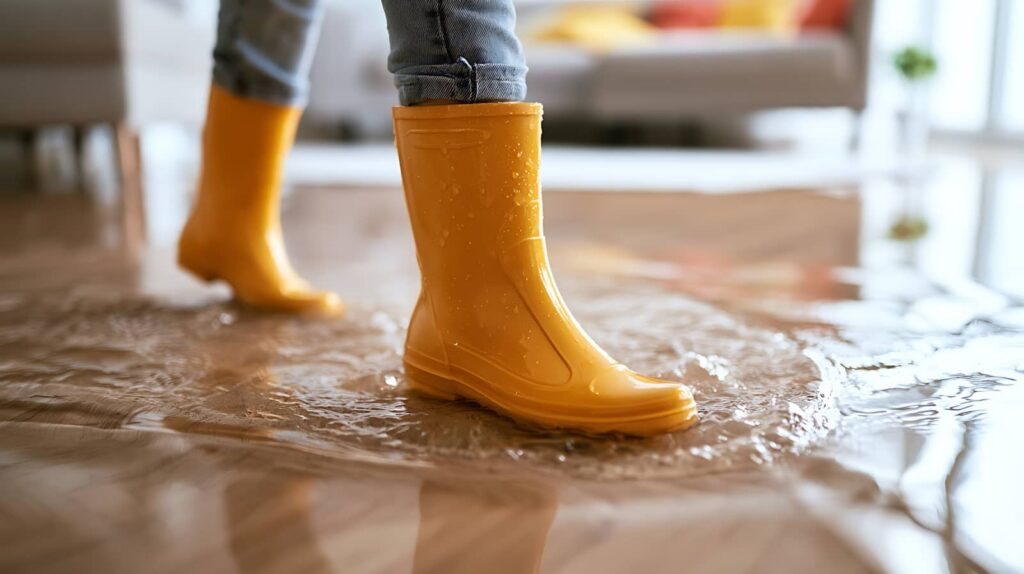
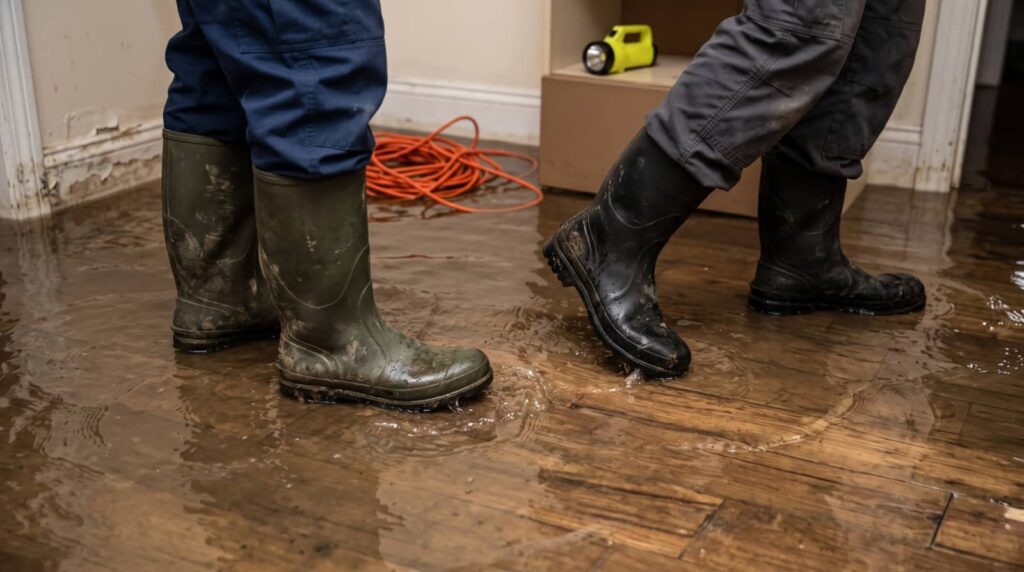
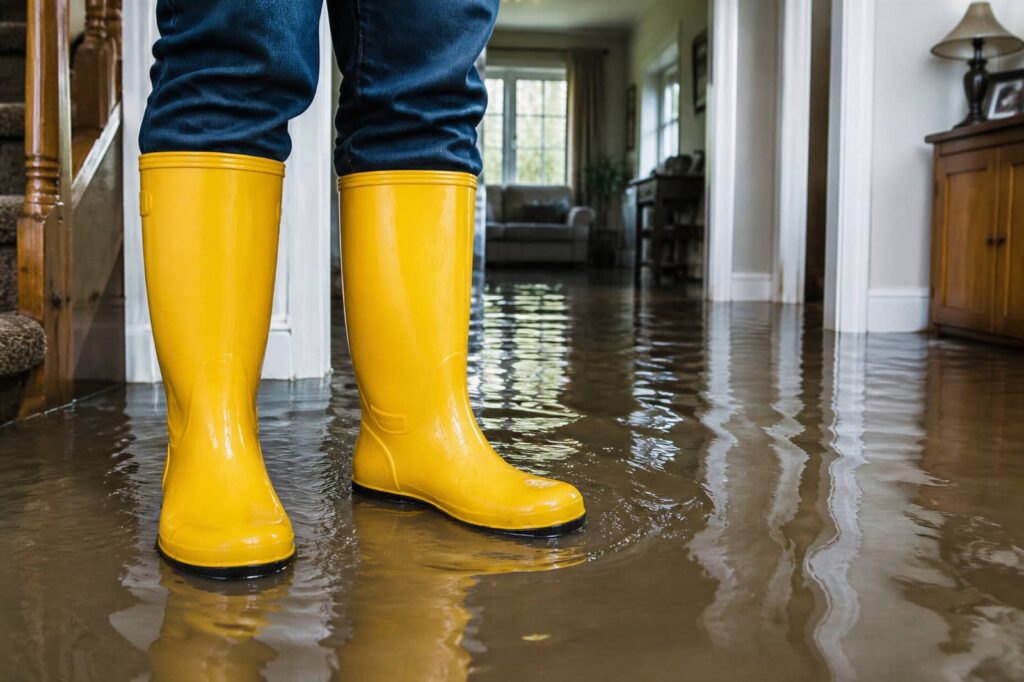
When a flood occurs, it’s essential to understand the risks of mold growth, as it can develop within 24 to 48 hours in damp conditions.
Flood damage creates an environment ripe for mold spores to thrive, posing significant health risks to you and your family. Without effective moisture control, these spores can spread quickly, leading to respiratory issues and allergic reactions.
Furthermore, mold can drastically reduce your property value, complicating future insurance claims. Taking immediate action is crucial for your health and for maintaining your home’s integrity.
Understanding these risks empowers you to seek prompt remediation, ensuring a safer living environment for everyone involved.
Don’t wait; act swiftly to protect your home and loved ones.
What Are the Signs of Mold in Your Home?
Mold can often lurk out of sight, making it essential to recognize its signs early.
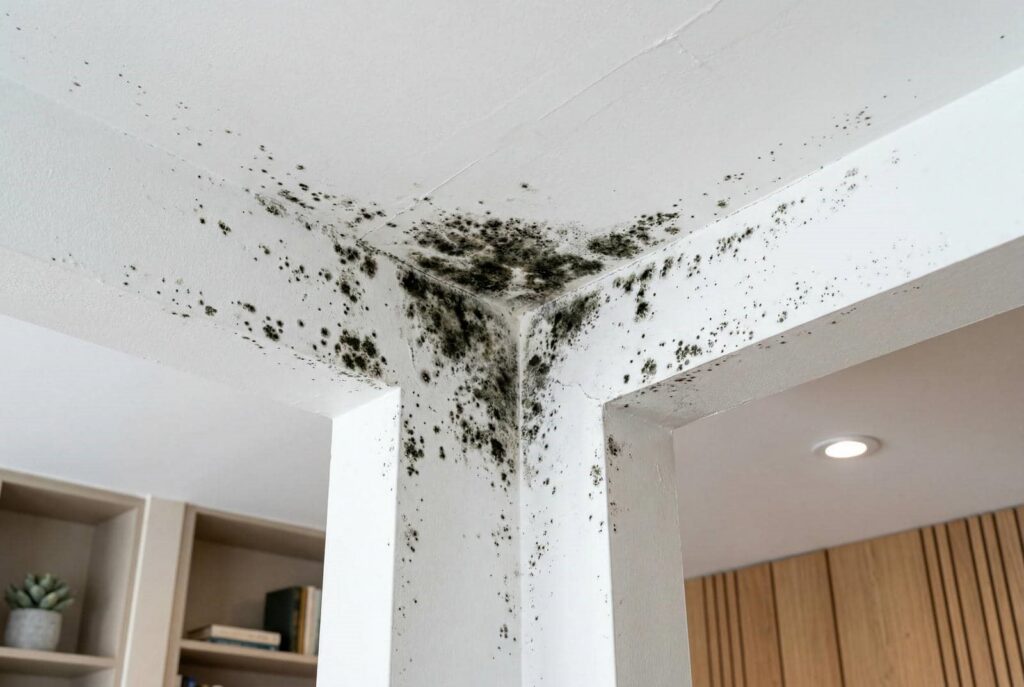
Look for visible growth, often appearing as black, green, or white patches on walls, ceilings, or floors. Musty odors can indicate mold presence, even if you can’t see it.
Pay attention to water stains or persistent dampness; these are key mold identification techniques. If you or your family experience health effects like coughing, sneezing, or skin irritation, it may signal a mold problem.
Regularly inspect areas prone to moisture, such as basements and bathrooms. Knowing these signs empowers you to take action, fostering a safer, healthier home environment for everyone.
Don’t wait—early detection is vital in preventing larger issues.
How Does Mold Remediation Work?
Understanding how mold remediation works is vital for effectively addressing a mold problem. The process generally begins with a thorough inspection to assess the extent of the infestation.
Once identified, professionals employ various mold removal techniques, including containment to prevent spores from spreading. They then use specialized equipment to remove mold and restore affected areas, often employing HEPA filters and air scrubbers to ensure clean air quality.
It’s essential to address the underlying moisture issues to prevent recurrence. Neglecting this can lead to serious health implications, such as respiratory problems and allergies.
Why Prompt Mold Remediation Matters
Prompt mold remediation is vital, as delaying action can lead to more severe damage and health risks. Mold can quickly spread in damp environments, compromising your property and creating health hazards.
If you wait too long, you’re not just risking structural integrity; you’re also putting your family’s well-being at stake. Mold health issues can manifest as respiratory problems, allergies, and other serious conditions, making prompt intervention essential.
By addressing mold growth immediately, you minimize property damage and safeguard your loved ones. This proactive approach protects your home and fosters a sense of belonging and security within your environment.
Take action now to ensure a safe, healthy space for everyone who enters your home.
Preventing Future Mold Growth
After addressing mold issues, focusing on prevention is key to maintaining a safe environment.
Start by implementing mold prevention tips such as keeping surfaces dry and regularly checking for leaks. Proper humidity control is essential; aim to keep indoor levels between 30-60%. Use dehumidifiers in damp areas like basements and ensure good ventilation in bathrooms and kitchens.
Regularly clean and maintain your HVAC systems to prevent moisture buildup. Sealing windows and doors can also help reduce humidity levels.
Finally, consider using mold-resistant paints and materials during renovations. By taking these proactive measures, you create a healthier space and foster a sense of belonging, knowing you’ve safeguarded your home for yourself and your loved ones.
Frequently Asked Questions
How Long Does the Mold Remediation Process Typically Take?
The mold remediation process typically takes 1 to 5 days, depending on the extent of mold growth. It’s vital to act quickly, as prolonged exposure poses significant health risks to you and your loved ones.
Is Mold Remediation Covered by Homeowner’s Insurance?
Mold remediation’s often covered by homeowner’s insurance, but it depends on your policy. Review your insurance coverage carefully; if mold growth results from a covered incident, you’re likely entitled to financial assistance for remediation costs.
Can I Stay in My Home During Remediation?
You can’t stay in your home during remediation. With some homes affected by mold post-flooding, evacuation plans and safety precautions are essential to protect your health and ensure a thorough cleanup.
What Should I Do Before Remediation Begins?
Before remediation begins, you should take preventive measures like removing valuables and securing areas. This helps minimize health risks. Ensure proper ventilation and inform the team about any existing allergies or sensitivities you have.
How Do I Choose a Qualified Mold Remediation Company?
To choose a qualified mold remediation company, assess their contractor credentials and verify that they conduct thorough mold assessments. Look for certifications, client reviews, and a proven track record to ensure effective and reliable service.
Review
In the aftermath of flooding, choosing emergency mold remediation isn’t just a smart decision; it’s a necessity for your health and home. Imagine breathing in spores that could compromise your family’s well-being—it’s a risk no one should take. By acting quickly, you protect both your property and your loved ones from the hidden dangers of mold. Don’t wait; safeguard your sanctuary today and reclaim your peace of mind before mold turns your home into a hazardous environment.