Commercial water extraction services do more than remove standing water; you often get a controlled response that limits structural damage, protects equipment, and speeds recovery. When a leak, flood, or pipe failure hits your property, technicians assess moisture spread, deploy pumps and vacuums, and begin drying before mold takes hold. The real difference is how fast they isolate the loss and what that means for your business next.
Key Takeaways
- Commercial water extraction services remove standing water from business properties after leaks, floods, or plumbing failures.
- They use pumps, vacuums, and moisture meters to quickly limit damage and detect hidden water.
- Fast extraction helps prevent mold growth, structural damage, and prolonged downtime.
- Services usually include assessment, containment, drying setup, and restoration of affected areas.
- Professional providers offer 24/7 response, commercial experience, and specialized equipment for efficient cleanup.
What Is Commercial Water Extraction?
Commercial water extraction is the process of removing water from business or industrial properties after leaks, floods, or plumbing failures. You use it to restore safe conditions fast and limit disruption to your operations.
Trained teams deploy pumps, vacuums, and moisture meters to remove standing water and verify hidden saturation. This water extraction step helps protect flooring, walls, equipment, and inventory from further damage.
In commercial services, you get a coordinated response that supports containment, drying, and cleanup with minimal downtime. You’re not just clearing water; you’re reestablishing a workable environment your team can trust.
Effective extraction sets the stage for drying and repairs, and it gives you a clear path back to normal business operations.
Common Causes of Commercial Water Damage
You’ll often see commercial water damage start with plumbing failures, such as burst pipes, leaking fixtures, or failed valves.
Storm flooding can also overwhelm your building’s drainage and sealing systems, letting water enter through doors, walls, or foundations.
Both sources can spread quickly and require immediate extraction to limit structural damage and mold growth.
Plumbing Failures
Plumbing failures can quickly turn a routine maintenance issue into significant commercial water damage. You’ll often see hidden leaks behind walls, under slabs, or above ceilings, where corrosion, loose fittings, and aging seals let water escape unnoticed.
Fast leak detection helps you catch these problems before they spread into insulation, flooring, and equipment. If you ignore recurring pressure drops or stained surfaces, you’re usually looking at a larger system defect, not a minor nuisance.
In many cases, pipe replacement is the safest fix because patchwork repairs can fail again and disrupt operations. You and your team can reduce downtime by scheduling inspections, tracking moisture readings, and responding immediately to any plumbing irregularity.
That approach keeps your facility protected, compliant, and part of a prepared business community.
Storm Flooding
Storm systems can overwhelm a property just as quickly as a hidden pipe leak, and the damage often starts when runoff, roof failure, or wind-driven rain forces water into the building envelope.
You may see standing water, saturated insulation, and warped finishes within minutes. When floodwater reaches electrical rooms, HVAC units, or inventory zones, you need immediate shutdown, containment, and extraction to limit secondary damage.
Your team should treat storm flooding as a coordination issue, not just a cleanup job. Strong flood preparedness helps you identify weak entry points, elevate assets, and protect drains before the next storm.
Fast disaster recovery then depends on drying, sanitizing, and documenting losses so your business can return to safe operation with less downtime and fewer surprises.
When Water Extraction Becomes Urgent?
You need immediate water extraction when flooding threatens equipment, flooring, or structural materials, because delays increase cleanup scope and downtime.
Even if surfaces look dry, hidden water can remain in wall cavities, subfloors, and insulation, where it drives deterioration.
You also face a rapid mold risk escalation within 24 to 48 hours, so fast response is critical.
Immediate Flood Response
When floodwater enters a structure, immediate water extraction becomes urgent because standing water can rapidly compromise materials, electrical systems, and indoor air quality.
You should activate emergency protocols at once and notify response teams so they can assess the source, isolate hazards, and start removal without delay. Fast action helps you protect accessible surfaces, reduce disruption, and keep your team aligned around a clear plan.
You’ll typically see crews use pumps, vacuums, and moisture meters to remove water and verify progress. The goal is to restore safe conditions quickly, not to wait and hope the problem improves.
When you respond early, you give your facility a better chance to return to normal operations with less downtime and fewer complications.
Hidden Water Damage
Not all water damage shows up as pooling on the floor. You can have hidden leaks inside walls, under slabs, or above ceilings, and they’ll keep spreading moisture after the visible water is gone. That’s when extraction becomes urgent.
If you notice warped materials, stained surfaces, musty odors, or inconsistent humidity, you need moisture detection fast. Commercial technicians use thermal imaging, meters, and targeted inspection to locate trapped water and map the affected zone.
Quick extraction helps you protect operations, limit structural stress, and keep your team on track. In a shared workspace or facility, acting early means fewer disruptions and a cleaner recovery path.
Don’t wait for obvious signs; concealed damage often needs immediate removal before it worsens.
Mold Risk Escalation
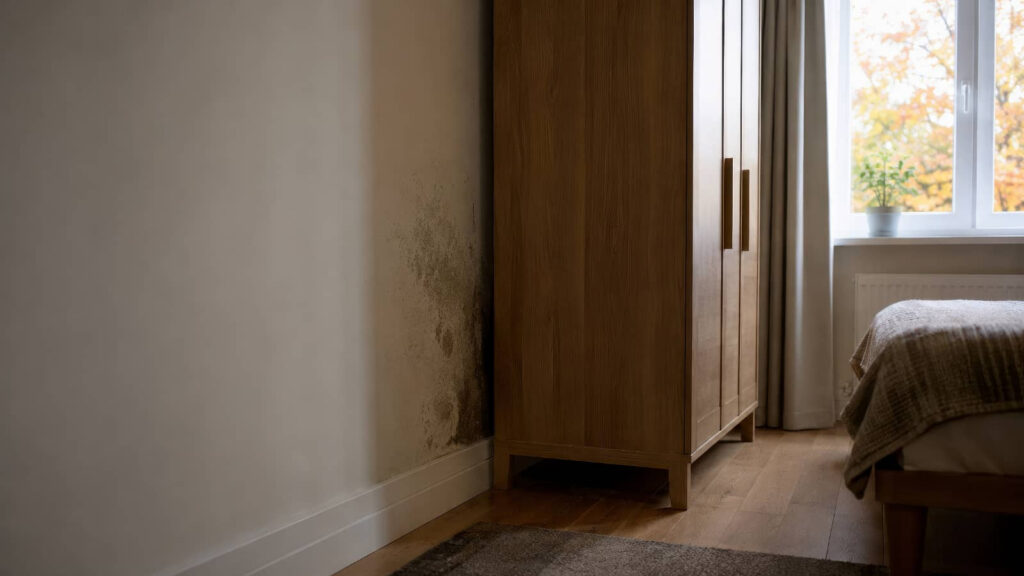
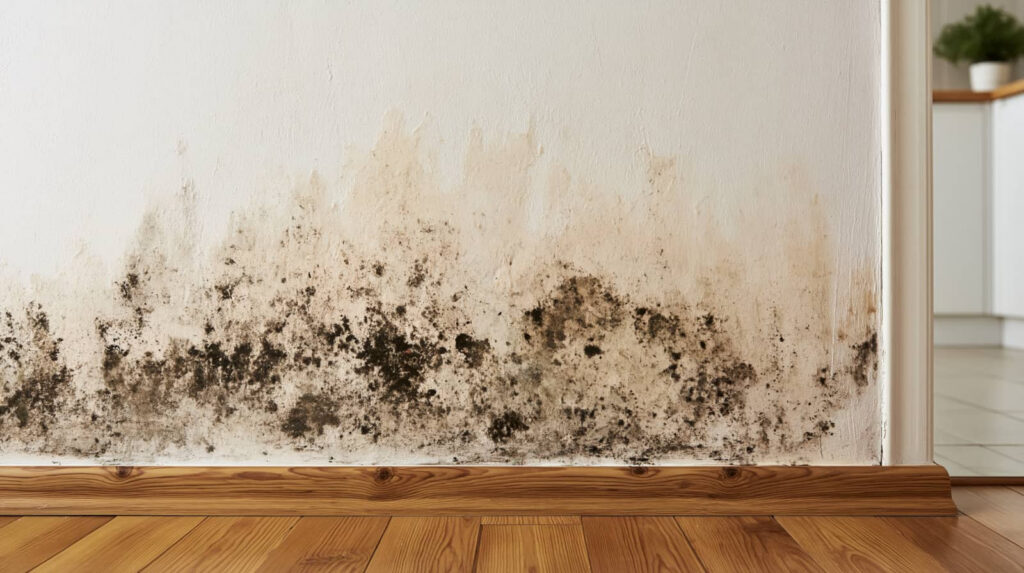
As moisture lingers in carpeting, drywall, insulation, or subfloors, mold can begin developing within 24 to 48 hours and spread quickly through a commercial property. You need immediate water extraction when you notice persistent dampness, visible staining, or a musty odor.
Rapid action supports mold prevention and limits health implications for staff and visitors.
- Remove standing water fast to reduce colony growth.
- Dry hidden cavities before humidity stabilizes.
- Inspect materials for softening, discoloration, or odor.
If you delay, spores can move through HVAC systems and worsen contamination. Your team stays safer when you treat any prolonged moisture event as urgent.
Fast extraction helps you protect your space, maintain operations, and keep your facility part of a clean, resilient environment.
How Commercial Water Extraction Works
Commercial water extraction begins with a rapid site assessment that identifies the source, extent, and category of water intrusion. Then crews isolate affected areas and deploy high-capacity pumps, truck-mounted vacuums, and extraction wands to remove standing water.
You’ll see emergency services move fast because every minute of water damage raises cleanup complexity and safety risk. Technicians map moisture readings, confirm structural saturation, and target hidden pockets in carpets, drywall, and subfloors.
They use controlled suction to limit spread, protect adjacent spaces, and create a stable work zone. You stay informed through clear updates, so you know what’s happening and why.
This process gives your facility a coordinated response, reduces downtime, and helps your team regain control with confidence.
What Happens During the Restoration Process
Once the water is removed, restoration crews begin stabilizing the structure by documenting damage, setting drying equipment, and verifying that moisture levels are dropping in walls, floors, and concealed cavities.
You’ll see damage assessment guide every decision, so the team can prioritize areas that need immediate attention and prevent further deterioration. Restoration techniques focus on returning your property to safe, usable condition while keeping your operations on track.
- Inspect materials for swelling, staining, and hidden saturation.
- Remove compromised contents and separate salvageable items.
- Monitor drying targets until readings confirm stability.
You’re part of the process, so clear communication keeps everyone aligned.
As conditions improve, crews refine the plan, confirm structural integrity, and prepare your space for the next phase of recovery.
Tools Used in Commercial Water Extraction
Restoration crews rely on specialized extraction equipment to remove standing water quickly and control moisture before it spreads deeper into the structure.
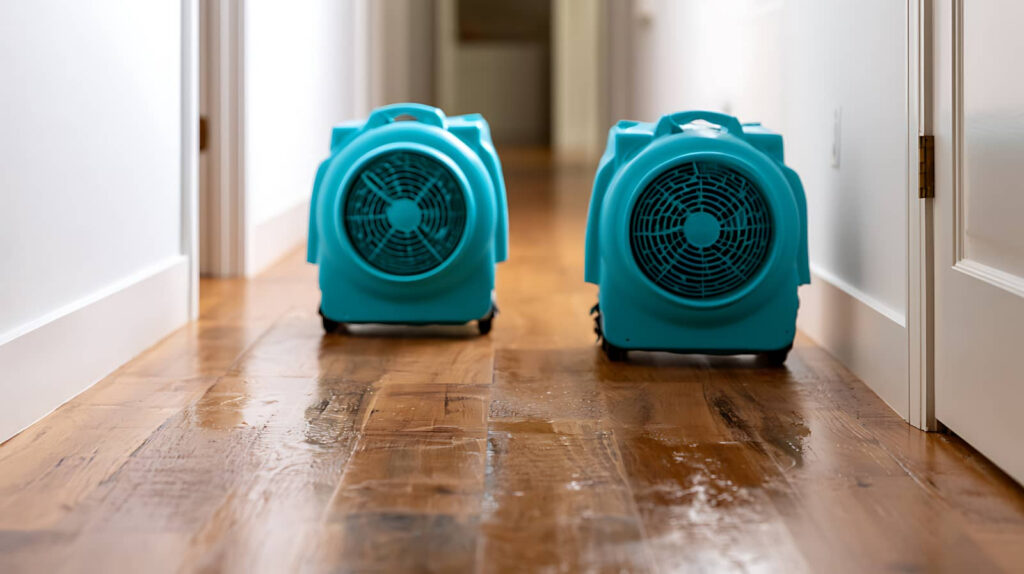
You’ll usually see truck-mounted units, portable wet vacs, weighted extractors, and submersible pumps working together for efficient water removal. Crews select tools based on flooring, carpet density, and access points, so you get targeted results instead of guesswork.
They also use squeegees, wall cavity tools, and hose attachments to reach trapped water in corners and beneath fixtures.
Moisture meters and infrared cameras help them confirm where water remains, so the team can keep working as one coordinated group.
When you understand these tools, you can trust the process and feel confident your space is getting the right extraction equipment for the job.
Why Fast Water Removal Protects Your Business
Fast water removal limits how far moisture can migrate into flooring, drywall, insulation, and structural materials, reducing the chance of secondary damage and costly repairs.
When you act quickly, you protect business continuity by keeping affected areas usable and shortening downtime. You also reduce the financial impact of mold growth, corrosion, and warped materials that can spread after the initial event.
You contain moisture before it penetrates deeper assemblies.
You preserve equipment, inventory, and interior finishes.
You speed drying, cleanup, and safe reentry for your team.
Fast extraction helps you stay part of a prepared business community that values resilience.
Quick action keeps operations steadier, limits disruption, and supports a cleaner recovery path for your property and your people.
How to Choose a Water Extraction Company
How do you choose the right water extraction company for your business? Start by checking 24/7 availability, response time, and proven commercial experience.
You need a team that assesses water damage quickly, documents conditions, and explains its plan clearly. Ask about certifications, insurance, and the restoration techniques they use for extraction, drying, and moisture monitoring.
Look for advanced equipment, such as truck-mounted pumps, air movers, and dehumidifiers, because speed limits secondary loss.
Review references from similar facilities so you can see how they work with teams like yours. A reliable company communicates scope, timelines, and costs upfront, helping you stay informed and supported.
Choose a partner that treats your property as part of the same professional community.
Frequently Asked Questions
How Much Does Commercial Water Extraction Usually Cost?
You’ll usually pay $500 to $10,000+, depending on cost factors like square footage, contamination, and drying needs. Service pricing rises with emergency response, equipment, and labor, so you’ll want detailed quotes from trusted providers.
Are Contents Removed Before Water Extraction Begins?
Usually, you don’t remove contents first; you document them in a contents inventory, then start the extraction process around salvageable items. Like triage, you protect what matters, keeping your team informed, coordinated, and included.
Can Businesses Stay Open During Extraction Services?
Yes, you can sometimes stay open during the extraction process, but business impact depends on damage size, safety, and access. You’ll need controlled work zones, and your team should coordinate operations to keep disruptions minimal.
Does Insurance Typically Cover Commercial Water Extraction?
Usually, you’ll find insurance covers commercial water extraction if your policy includes sudden water damage. You should file insurance claims quickly, document losses, and review exclusions, because coverage often depends on cause, limits, and deductibles.
How Long Does Drying Take After Water Removal?
Drying usually takes 24–72 hours, but you’ll need to monitor moisture levels closely. You’ll use targeted drying techniques, airflow, and dehumidification to speed recovery, protect materials, and keep your team confident throughout restoration.
Wrap-Up
When you face commercial water damage, you need fast, expert extraction to protect your building, inventory, and operations. Think of it like shutting off a faucet before a sink overflows: one delayed minute can spread the problem. Prompt pumping, vacuuming, and drying help you cut downtime and reduce mold risk. Choose a company with the right equipment, response time, and restoration plan, so you’re not just removing water—you’re protecting your business.