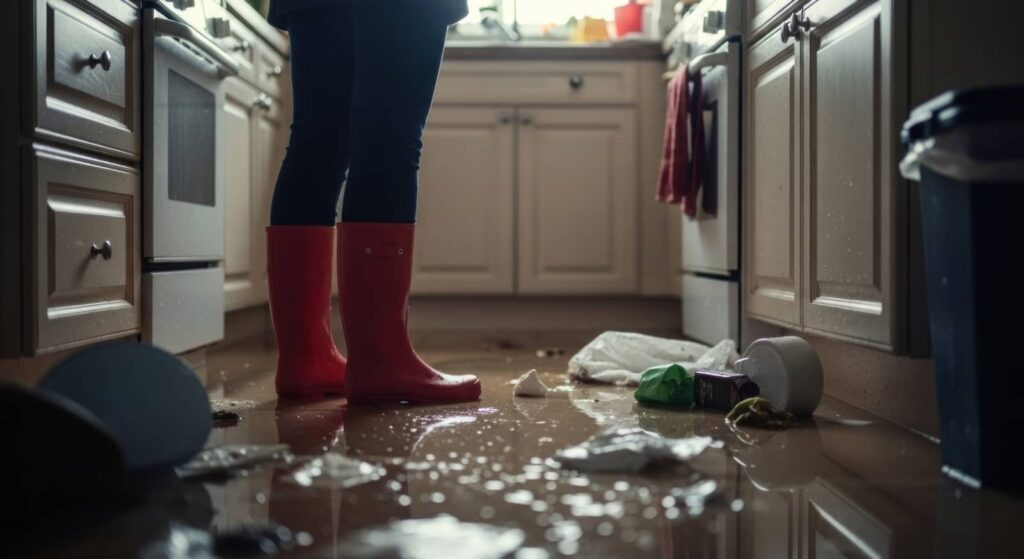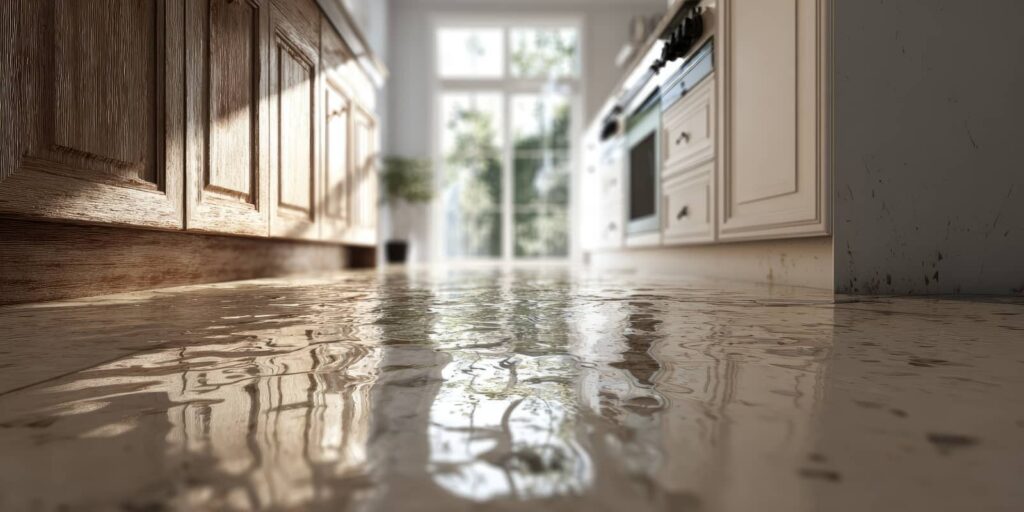
Did you know that hidden moisture can linger long after visible water has been removed, leading to costly structural damage? By employing cost-effective solutions, you can tackle water damage head-on without breaking the bank. Techniques like thermal imaging and efficient drying methods can make a significant difference. Understanding these strategies is key to protecting your commercial space and ensuring long-term resilience against future incidents. Let’s explore how you can effectively manage water damage challenges.
Key Takeaways
- Utilize thermal imaging and moisture mapping to efficiently locate and extract hidden moisture, minimizing repair costs.
- Invest in high-efficiency dehumidifiers and air movers for effective drying, reducing long-term damage and expenses.
- Perform initial water removal with towels and mops before professional help to curb extensive damage and costs.
- Schedule regular plumbing and roofing maintenance to prevent costly water damage incidents from occurring.
- Install water detection systems to catch leaks early, saving on extensive repairs and potential business disruptions.
Understanding the Impact of Water Damage on Commercial Properties
When you consider the potential impact of water damage on commercial properties, it’s clear that timely action is vital. A thorough water damage assessment can help you identify the severity of the situation, enabling you to address issues before they escalate.
Ignoring water damage may lead to structural problems, mold growth, and costly repairs down the line, all of which can considerably affect your bottom line.
Understanding the financial implications is essential. You could face repair costs and potential loss of business due to closures or disruptions.
By acting quickly and engaging professionals, you can mitigate these risks. Implementing preventative measures will further safeguard your investment, ensuring your property remains a safe and welcoming environment for tenants and customers alike.
Identifying Common Causes of Water Damage in Commercial Spaces
To effectively manage water damage in your commercial space, it’s essential to identify the common causes first.
Plumbing failures, roof leaks, and HVAC condensation issues can all lead to significant problems if not addressed promptly.
Plumbing System Failures
Although plumbing system failures can strike unexpectedly, understanding their common causes can help you prevent significant water damage in your commercial space.
One common issue is pipe bursts, often caused by extreme temperature changes or aging infrastructure. Regular maintenance and inspections can catch these vulnerabilities before they escalate.
Implementing effective leak detection systems also plays an essential role. These systems can identify leaks early, saving you from extensive repairs and costly downtime.
By prioritizing proactive measures, you protect your investment and promote a safe and efficient environment for your team.
Roof Leaks and Damage
Roof leaks are one of the top culprits behind water damage in commercial spaces, and identifying their common causes is crucial for effective prevention.
Regular roof maintenance is essential. Check for damaged shingles, clogged gutters, and deteriorating flashing, as these issues often lead to leaks. Seasonal inspections can help you catch problems early, saving time and money down the line.
Additionally, make sure that your roof’s drainage system is clear to prevent water pooling. Addressing these common issues promotes leak prevention and prolongs your roof’s lifespan.
By prioritizing maintenance, you’re not just protecting your building; you’re fostering a safe and welcoming environment for your employees and customers.
Together, let’s keep your commercial space dry and thriving.
HVAC Condensation Issues
When HVAC systems aren’t properly maintained, condensation can become a major source of water damage in commercial spaces.
It’s essential to identify the common causes to prevent costly repairs. Here are some issues to keep an eye on:
- Clogged drain lines: Blockages can lead to overflow.
- Improper insulation: Insufficient insulation can cause temperature fluctuations.
- Faulty thermostats: Malfunctioning controls can lead to excessive humidity.
- Dirty air filters: Clogged filters restrict airflow and increase humidity.
- Inadequate humidity control: High humidity levels can overwhelm the system.
Regular HVAC maintenance can help you manage these issues effectively.
Immediate Steps to Take After Water Damage Occurs
As soon as you notice water damage, your prompt action can greatly reduce the extent of the problem.
First, ascertain your safety by turning off the power to the affected area to prevent electrical hazards. Next, identify the source of the water and stop it if possible—whether it’s a broken pipe or a malfunctioning appliance.
Document the damage thoroughly with photos for your insurance claims; this evidence will support your case when filing. Make a list of damaged items, noting their value, to streamline the claims process.
Reach out to your emergency contacts, including a trusted water damage restoration service, to assess the situation and begin repairs.
Don’t hesitate to involve your insurance agent early on; they can guide you through the claims process and help you understand your coverage options.
Taking these immediate steps will set you on the right path to recovery.
Cost-Effective Water Extraction and Drying Techniques
To effectively address water damage without breaking the bank, it’s essential to utilize cost-effective extraction and drying techniques.
Smart methods can save you time and money while ensuring thorough restoration. Here are some strategies you can implement:
Thermal Imaging: Identify hidden moisture pockets that mightn’t be visible to the naked eye.
Moisture Mapping: Track the spread of water damage, allowing targeted extraction efforts.
High-Efficiency Equipment: Invest in energy-efficient dehumidifiers and air movers to speed up the drying process.
Natural Ventilation: Open windows and doors to promote air circulation, which can help in drying out affected areas.
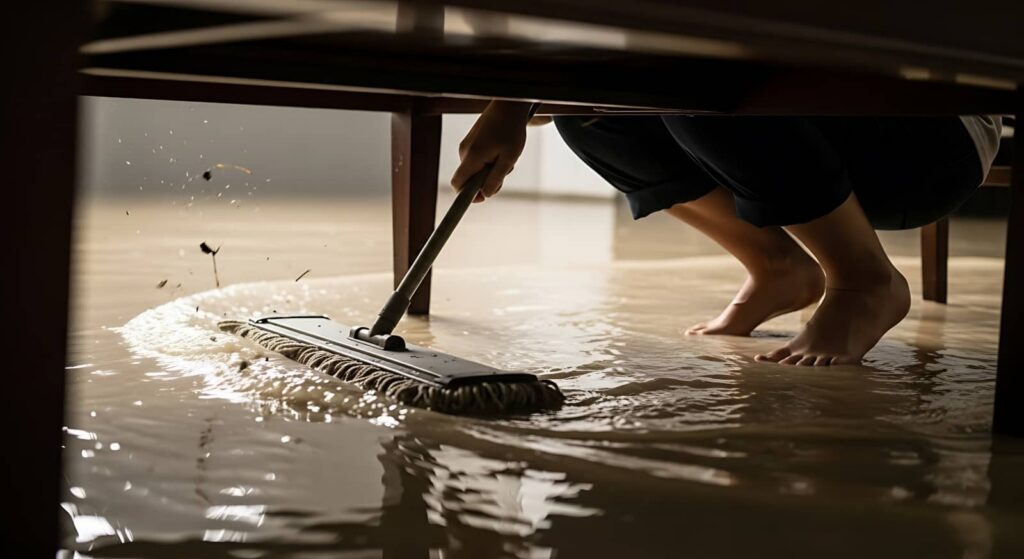
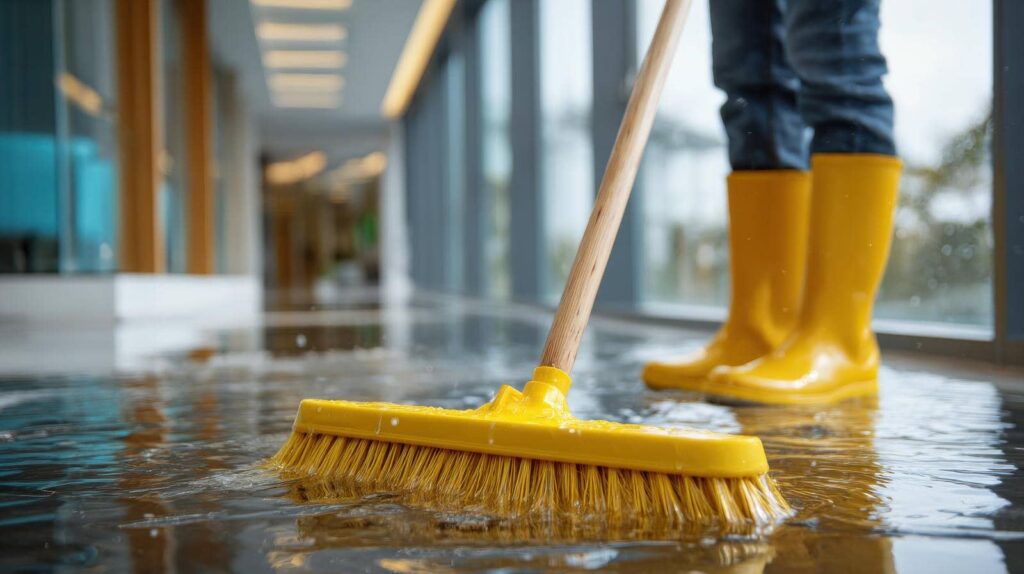
DIY Techniques: Utilize towels and mops for initial water removal before employing professional tools.
Affordable Restoration Options for Damaged Structures
While water damage can feel overwhelming, affordable restoration options exist that can help you bring your property back to its original condition without straining your budget.
Start by exploring budget-friendly materials like vinyl flooring or drywall alternatives, which are both durable and cost-effective. These options save you money and enhance your space aesthetically.
Additionally, familiarize yourself with insurance claim tips. Document the damage thoroughly, and take photos before beginning repairs. This documentation can facilitate smoother communication with your insurance provider, ensuring you receive the coverage you deserve.
Consider reaching out to local restoration companies that specialize in cost-effective solutions; they can offer insights tailored to your specific situation.
Preventative Measures to Avoid Future Water Damage
Implementing preventative measures can considerably reduce the risk of future water damage to your property.
By taking proactive steps, you can protect your investment and ensure a safe environment for everyone.
Here are some effective strategies to take into account:
Install water detection systems: These devices alert you to leaks before they escalate.
Regular maintenance scheduling: Develop a routine to inspect plumbing and roofing to catch issues early.
Clean gutters and downspouts: Prevent clogs that can lead to water overflow and damage.
Seal windows and doors: Proper seals can keep water from seeping inside during storms.
Assess your landscaping: Redirect water flow away from your building to minimize risks.
The Importance of Professional Help in Water Damage Scenarios
Even with thorough preventative measures in place, water damage can still occur, making it vital to know when to seek professional assistance.
When faced with a leak or flood, don’t underestimate the value of expert assessments. Professionals have the training and tools to identify underlying issues that you might miss. Their knowledge can save you from costly repairs down the line.
Timely interventions are essential in water damage situations. The longer water sits, the more damage it can cause, leading to mold and structural issues.
Frequently Asked Questions
How Can I Assess the Extent of Water Damage Myself?
To assess water damage yourself, start a damage assessment by checking for visible stains, mold, or warped surfaces. Use moisture detection tools like a hygrometer to measure humidity levels and identify hidden issues efficiently.
Will Insurance Cover the Costs of Water Damage Repair?
Yes, many insurance policies cover water damage repair costs, but it depends on your specific policy. You should review your coverage details and consult your insurer to understand what’s included and any necessary documentation required.
What Are the Long-Term Effects of Untreated Water Damage?
Untreated water damage can lead to mold growth and compromise your property’s structural integrity. Over time, this can cause health issues and costly repairs, making prompt action essential for maintaining a safe, welcoming environment.
How Can I Find a Reliable Water Damage Restoration Service?
To find a reliable water damage restoration service, check customer reviews. Reach out to friends for recommendations, and make certain the company communicates clearly about their processes and your options.
Are There DIY Solutions for Minor Water Damage Issues?
Yes, you can tackle minor water damage yourself! Use effective water removal techniques like towels or wet vacuums, and follow mold prevention tips by drying surfaces quickly and ensuring proper ventilation to keep your space safe.
Final Thoughts
In the face of unexpected water challenges, taking proactive steps can turn potential disasters into manageable situations. By embracing cost-effective solutions and staying vigilant, you can safeguard your commercial space and protect your investments. Remember, while DIY methods can be helpful, knowing when to call in the experts ensures that you’re patching up a problem and building a resilient foundation for the future. After all, a little foresight today can prevent a flood of headaches tomorrow.