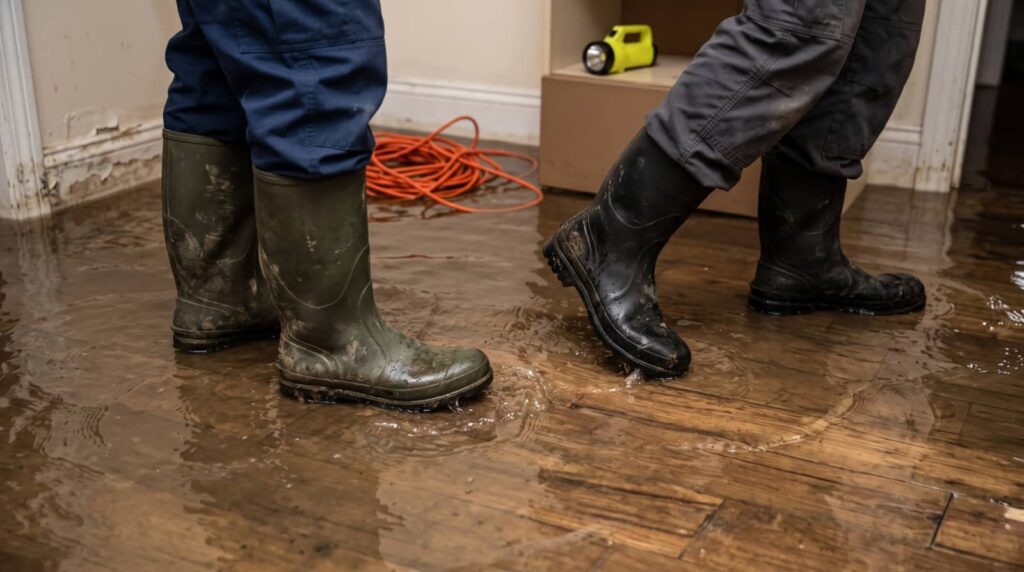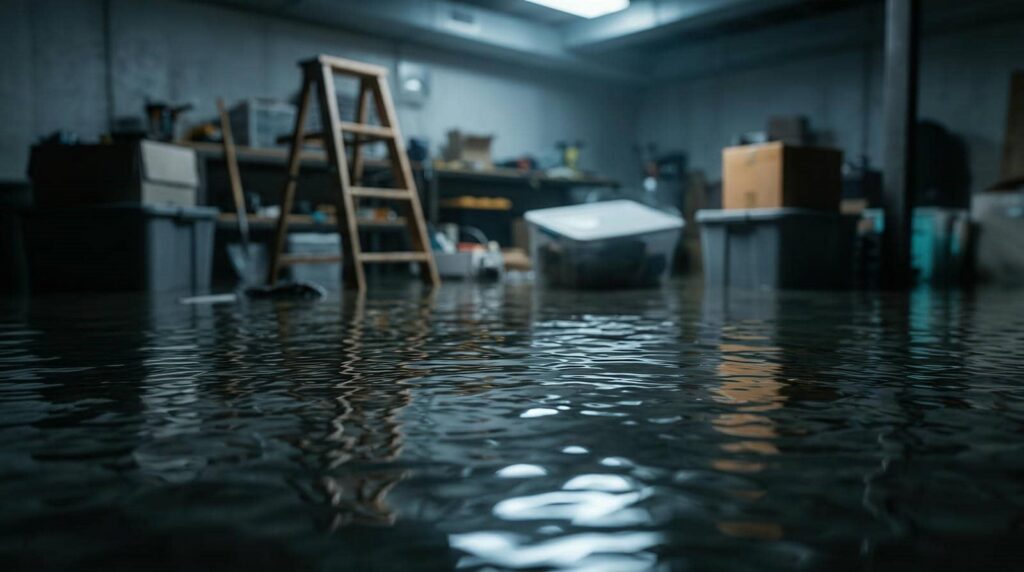
Filing flood damage claims can feel like steering through a stormy sea, where preparation is your lifeboat. You need to grasp your insurance policy fully and gather precise documentation of your losses. Each step you take can impact the outcome greatly. Understanding the process and avoiding common pitfalls is essential to securing your compensation. What are the key aspects you should focus on to ensure a smoother claims experience?
Key Takeaways
- Review your flood insurance policy to understand coverage limits and exclusions before filing a claim.
- Document all damage thoroughly with photos, videos, and a detailed inventory list of affected items.
- File your claim promptly and keep records of all communications with your insurance adjuster.
- Gather repair estimates from multiple contractors to support your claim and expedite the process.
- Regularly follow up on your claim status to stay informed and manage expectations effectively.
Understanding Your Flood Insurance Policy
When you’re faced with the aftermath of a flood, understanding your flood insurance policy is crucial for managing the claims process effectively.
Start by reviewing the flood policy basics, which outline what’s covered and what’s not. Familiarize yourself with specific terms, as policies can vary greatly.
Pay close attention to coverage limits; these dictate the maximum amount your insurer will pay for damages. Knowing your limits helps you gauge potential out-of-pocket expenses.
Additionally, be aware of any exclusions, such as certain types of property or damage. By grasping these details, you’re better equipped to navigate your claim and ensure you receive the support you need during this challenging time.
Your understanding empowers you to take informed steps forward.
Documenting Damage for Your Claim
Although it may feel overwhelming, documenting damage for your claim is a vital step in securing the compensation you deserve.
To effectively organize your claim, focus on these key elements:
Visual Evidence: Take clear photos and videos of the damage from various angles. This visual evidence is essential for illustrating the extent of your loss.
Inventory List: Create a detailed list of damaged items, including their value and any receipts you can find. This helps establish the financial impact.
Date and Time Stamps: Record when the damage occurred and when you documented it. This information supports your claim organization and timeline.
How to File a Flood Damage Claim Quickly
Filing a flood damage claim quickly can greatly expedite your recovery process. Start by reviewing your insurance policy to understand coverage and claim timelines. Gather all necessary documentation, including photographs of damage, receipts, and any correspondence with your insurer. This preparation demonstrates your flood preparedness, showing you’re proactive about the situation.
Contact your insurance company as soon as possible to initiate the claims process. Make sure you provide clear, detailed information to avoid delays.
Keep records of all communications, including dates and names of representatives. Follow up regularly to stay informed on your claim’s status.
Top 5 Mistakes to Avoid in Flood Damage Claims
When filing a flood damage claim, avoiding common pitfalls is essential for a successful outcome.
You need to ensure your documentation is complete, understand your policy details, and file your claim promptly.
Incomplete Documentation Submission
Submitting incomplete documentation can considerably delay your flood damage claim, leading to frustration and potential denial.
To avoid these pitfalls, confirm you have all necessary paperwork submitted in full.
Here are three key items to include:
- Proof of Loss: This document outlines the extent of your damage and must be detailed and accurate.
Photographic Evidence: Take clear pictures of the damage, showing both the exterior and interior of your property.
Receipts and Estimates: Keep records of repairs and expenses. Missing paperwork can jeopardize your claim, making it essential to compile everything thoroughly.
Ignoring Policy Details
Many homeowners underestimate the importance of thoroughly understanding their flood insurance policy, which can lead to costly mistakes during the claims process.
Ignoring policy details may result in unexpected surprises, like discovering policy exclusions that leave you without coverage for certain damages.
Familiarizing yourself with your policy’s coverage limits is essential; these limits dictate how much you can claim for repairs or replacements.
If you overlook these specifics, you might find yourself underinsured when you need help the most.
Take the time to read through your policy carefully, noting any exclusions and limits.
Doing so not only empowers you but also enhances your chances of a successful claim, protecting your home and investment from future flooding risks.
Delaying Claim Filing
Delaying your flood damage claim can greatly hinder your recovery process and lead to financial losses. To ensure you’re on track, pay attention to your claim timelines and filing deadlines.
Here are three key reasons to act promptly:
Preserve Evidence: The sooner you file, the easier it’s to document the extent of the damage, helping your claim’s legitimacy.
Avoid Additional Costs: Delays can lead to worsening damage, increasing repair costs that your policy may not cover.
Meet Deadlines: Many policies have strict filing deadlines. Missing these could mean losing out on essential coverage.
How to Gather Evidence for Your Claim
To support your flood damage claim, you need to gather evidence meticulously.
Document property damage thoroughly, collect repair estimates promptly, and take clear photos and videos of the affected areas.
This extensive approach will strengthen your case and expedite the claims process.
Document Property Damage Thoroughly
As you navigate the aftermath of flood damage, documenting the destruction thoroughly is essential for a successful insurance claim.
To ensure you gather the right evidence, focus on these key steps:
Create a Property Inventory: List all damaged items, including their make, model, and value. This will provide a clear picture for your insurer.
Take Detailed Photos: Capture images of the damage from multiple angles. Make sure to include close-ups of affected areas and items.
Use Insurance Terminology: Familiarize yourself with relevant terms like “replacement cost” and “deductible.” This’ll help you communicate effectively with your insurer.
Collect Repair Estimates Promptly
Gathering repair estimates quickly is essential for your flood damage claim. Start by contacting multiple contractors to get a range of repair costs. This helps you understand the financial implications and aids in contractor selection.
When you receive estimates, look for detailed breakdowns that specify labor, materials, and timelines. This clarity will support your claim and demonstrate the extent of the damage to your insurer.
Don’t hesitate to ask questions if anything’s unclear; contractors can provide insights that may affect your decision. By acting promptly, you strengthen your position, making it easier to navigate your claim process efficiently.
Take Photos And Videos
While you assess the extent of flood damage, taking photos and videos is essential for substantiating your claim. Clear, organized evidence can profoundly impact your reimbursement.
Follow these steps for effective documentation:
Capture Everything: Photograph all damaged areas, including furniture, walls, and appliances. Wide shots help show the overall context.
Use Video Timestamps: Record videos to document the damage in real-time. This gives context and can be more persuasive than still images.
Organize Your Photos: Keep files categorized by room or area. This makes it easier to reference during the claims process.
Understanding the Role of Adjusters in Your Claim
Understanding the intricacies of your flood damage claim often hinges on the role of the adjuster assigned to your case. Adjusters play critical roles in claim evaluations, acting as the bridge between you and your insurance company.
They assess the extent of the damage, gather necessary documentation, and determine the payout amount based on your policy’s coverage.
It’s vital to communicate openly with the adjuster, providing them with all relevant information and documentation. Their evaluations can markedly influence the outcome of your claim, so understanding their process can empower you.
What to Expect During the Claims Process
Expect a multi-step process when filing your flood damage claim, and being prepared can make a significant difference.
Understanding the claims timeline and staying organized will help you navigate this challenging experience.
Here are three crucial steps to keep in mind:
Document Everything: Take photos and videos of the damage. This evidence will support your claim.
Stay in Touch: Regular communication with your adjuster is essential. Use clear communication tips to make sure you’re both on the same page.
Follow Up Promptly: Be proactive in checking the status of your claim, as this can help speed up the process.
Tips to Speed Up Your Flood Damage Compensation
To expedite your flood damage compensation, you need to be proactive and strategic throughout the process.
Start by ensuring your flood preparedness is exceptional; document everything meticulously. Take photos of the damage, and create a detailed inventory of your losses. This documentation will serve as vital evidence when filing your claim.
Understand the claim timelines associated with your insurance policy, as delays can occur without proper follow-up. Communicate regularly with your insurance adjuster, and don’t hesitate to ask questions for clarity.
Keep all correspondence organized, as this can help resolve any disputes quickly. By being diligent and informed, you’ll enhance your chances of receiving prompt compensation, fostering a sense of community and support during challenging times.
What to Do After Your Claim Is Approved?
Once your flood damage claim is approved, it’s crucial to take immediate action to maximize your recovery and begin the restoration process. Following the claim approval process, here are some critical post-claim steps to contemplate:
Review Your Coverage: Understand what’s included in your settlement to ensure you’re fully aware of your benefits.
Document Losses: Keep detailed records of all damages and any expenses incurred during the recovery. This documentation can support future claims or adjustments.
Engage Professionals: Hire licensed contractors for repairs to ensure quality work and compliance with safety standards.
Taking these steps will facilitate your recovery and provide peace of mind as you navigate this challenging time.
Frequently Asked Questions
What Types of Flood Damage Are Typically Covered by Insurance?
Flood insurance typically covers structural damage, personal property loss, and certain cleanup costs. Many don’t realize that standard homeowners’ policies often exclude flood damage, leading to common misconceptions about coverage. Understanding flood insurance basics helps clarify this.
How Long Do I Have to File My Flood Damage Claim?
You’ve got a ticking clock after a flood; typically, you’ll need to file your claim within 30 days. Familiarize yourself with claim deadlines and filing procedures to make certain you don’t miss this essential window.
Can I Still File a Claim if I Didn’T Have Insurance?
Yes, you can still seek help through government assistance or disaster relief programs even without insurance. These resources often provide financial aid for those affected by floods, ensuring you’re not alone in recovery efforts.
Will My Flood Damage Claim Affect My Insurance Premiums?
Yes, your flood damage claim can lead to premium adjustments. Insurers often reassess risks based on claims during the claim process, potentially increasing your premiums. It’s essential to understand how claims impact your long-term insurance costs.
What Happens if My Claim Is Denied?
If your claim’s denied, don’t lose heart. You can navigate the claim appeal process. Understand denial reasons, gather new evidence, and submit a thorough appeal to increase your chances of success and reclaim your peace of mind.
Wrap-Up
Steering through the aftermath of flood damage can feel overwhelming, but being prepared makes all the difference. As you gather your evidence and engage with your insurance adjuster, remember: every detail counts. Will your claim be approved swiftly, or will it face unexpected hurdles? The path to compensation is often fraught with uncertainty. Staying organized and proactive is essential, but you must also brace yourself for the unpredictable nature of the claims process. Your resilience will be tested.