Commercial Water Damage may seem like a minor inconvenience at first, but it can quickly lead to significant issues if not addressed promptly. Taking immediate action is essential for minimizing harm to your commercial property and preventing further disruption. Understanding the right steps and solutions can make all the difference during recovery. From specialized equipment to professional services, knowing your options can help protect your business and its future. Let’s explore the best strategies for effective water damage cleanup.
Key Takeaways
- Engage professional water damage restoration services for immediate and effective response to minimize long-term damage and ensure safety.
- Utilize specialized equipment like high-powered pumps and industrial dehumidifiers for efficient water extraction and moisture control.
- Document all damage thoroughly with photos and videos to support insurance claims and facilitate quicker recovery.
- Implement regular maintenance and inspections of plumbing systems and roofs to prevent future water damage incidents.
- Identify early signs of water damage, such as discoloration or musty odors, to address issues before they escalate.
Understanding the Impact of Water Damage on Commercial Properties
When water damage strikes a commercial property, it can disrupt operations and lead to costly repairs if not addressed quickly. Understanding the water damage effects is essential for safeguarding your investment.
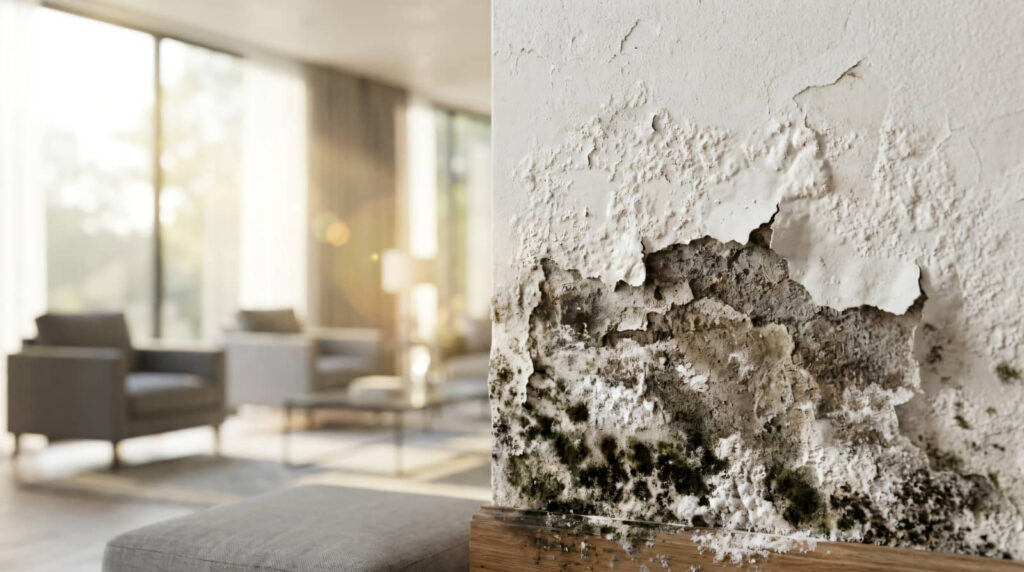
You might face structural issues, mold growth, and damage to equipment, all of which can affect your bottom line. Additionally, commercial property vulnerabilities, like outdated plumbing or roof leaks, can exacerbate these problems.
Being aware of these risks helps you take proactive measures, ensuring a quicker recovery and minimizing losses. By recognizing how water damage impacts your property, you not only protect your assets but also maintain a sense of community and trust among your employees and clients.
Prioritizing this knowledge fosters a resilient business environment.
Immediate Steps to Take After Water Damage
Water damage can escalate quickly, making immediate action essential for minimizing its effects.
First, ascertain everyone’s safety by turning off the electricity and wearing protective gear. Next, document the damage with photos for insurance purposes.
Initiate your emergency response by contacting a professional water damage restoration service. They’ll have the expertise and equipment to address the situation effectively.
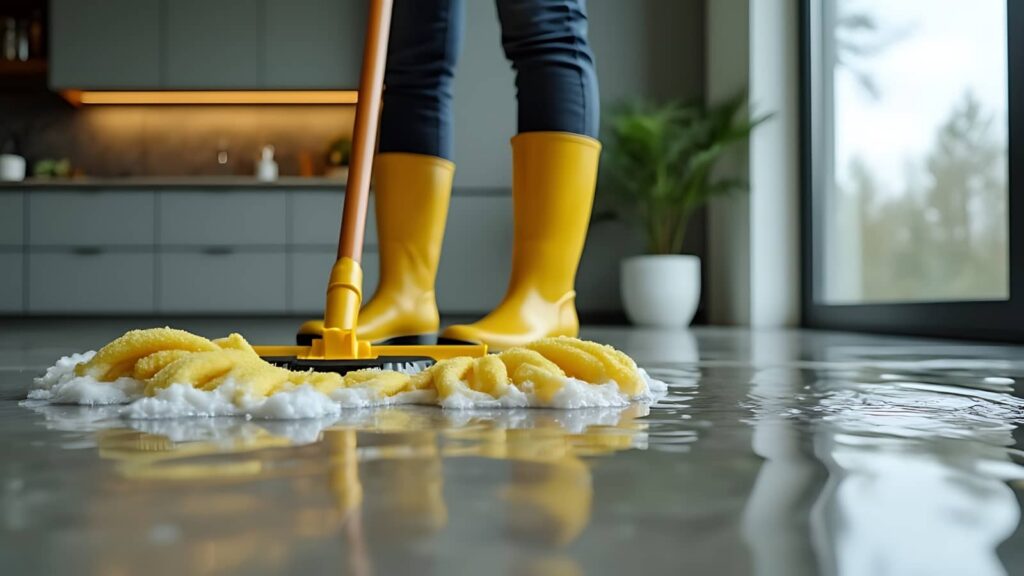
While waiting for help, start removing excess water with mops or towels, but avoid using electrical appliances. Open windows for ventilation and check for mold growth, as it can develop rapidly.
Following these safety precautions not only protects your property but also guarantees the well-being of everyone involved. Act fast, and you’ll be on your way to recovery.
Top Equipment You Need for Fast Water Extraction
When facing water damage, having the right equipment can make all the difference in your cleanup efforts.
High-powered water pumps, industrial-grade dehumidifiers, and specialized extraction tools are essential for quick and efficient water removal.
Let’s explore how each of these tools can speed up the recovery process.
High-Powered Water Pumps
In the aftermath of a flood or leak, swift action is essential, and high-powered water pumps are indispensable for effective water extraction. Choosing the right water pump types—like submersible or trash pumps—ensures you tackle the job efficiently.
These pumps can handle large volumes, quickly clearing standing water to minimize damage.
Regular pump maintenance is important; check filters and hoses to keep your equipment in excellent condition. This not only extends the life of your pumps but also guarantees peak performance when you need it most.
Industrial-Grade Dehumidifiers
Effective water damage recovery relies heavily on industrial-grade dehumidifiers, as they swiftly remove excess moisture from the air and surfaces.
These machines are essential for maintaining dehumidifier efficiency, ensuring that your commercial space dries out quickly and effectively. By efficiently controlling moisture levels, they help prevent mold growth and structural damage, which can lead to costly repairs.
When selecting a dehumidifier, consider its capacity and features tailored for large-scale environments. Some models even offer advanced humidity sensors for peak performance.
Investing in the right industrial-grade dehumidifier not only speeds up the recovery process but also safeguards your property, fostering a healthier environment for everyone involved.
Choose wisely, and you’ll create a space that feels secure and welcoming.
Specialized Extraction Tools
Having the right specialized extraction tools is essential for swift and efficient water extraction in commercial settings.
You’ll want to invest in equipment like high-capacity pumps and powerful wet vacuums that leverage advanced technology to remove water quickly. These tools not only enhance extraction methodologies but also minimize damage and downtime.
Consider using truck-mounted systems for larger areas, as they provide superior suction and can handle heavy water loads. Additionally, portable extractors can reach tight spaces, ensuring no water is left behind.
With these specialized tools, you can tackle any water damage situation effectively, helping your business recover faster and maintain its integrity.
Equip yourself with the best and join a community dedicated to excellence in water damage restoration.
Why Professional Mitigation Services Matter
While water damage can seem manageable at first, the complexities involved often require professional mitigation services to guarantee thorough recovery. These experts provide an immediate emergency response, addressing the situation before it escalates into more significant issues.
They understand the urgency and act quickly to minimize damage, assuring your business can return to normal operations as soon as possible.
Moreover, professionals are trained to identify hidden moisture that can lead to mold and other health risks. They utilize specialized equipment and techniques to ensure every corner is addressed, promoting a safe environment for you and your staff.
Investing in professional services means you’re not just fixing damage; you’re protecting your business and its people.
How to Handle Insurance Claims for Water Damage
When handling insurance claims for water damage, it’s essential to document all damage thoroughly.
Take clear photos and notes to support your claim.
Also, make sure you understand your policy terms to know what’s covered and avoid surprises later.
Document All Damage Thoroughly
To effectively handle insurance claims for water damage, it’s crucial to document all damage thoroughly. Start with a detailed damage assessment, noting everything from structural issues to damaged inventory.
Use photographs and videos to provide visual evidence, as they can strengthen your claim. Organize your documentation process by creating an extensive list of affected items, including descriptions, values, and replacement costs.
Keep all receipts related to repairs and mitigation efforts, as these will support your claim further. Don’t forget to communicate regularly with your insurance adjuster, providing any additional information they may need.
Understand Your Policy Terms
Having detailed documentation is just the starting point for handling insurance claims related to water damage.
Next, you need to fully understand your policy terms. Knowing your policy coverage can make a significant difference in the claim process.
Here’s what to take into account:
- Coverage Limits: Know the maximum amount your policy will pay.
- Exclusions: Be aware of what’s not covered, like flood damage in some cases.
- Deductibles: Understand how much you’ll need to pay out-of-pocket before coverage kicks in.
- Claim Timeline: Familiarize yourself with deadlines for filing claims and providing documentation.
Innovative Techniques for Water Damage Restoration
Innovative techniques in water damage restoration have transformed how businesses recover from flooding and leaks. You’ll find that advanced drying methods, such as heat and dehumidification, greatly speed up the restoration process. These techniques not only minimize downtime but also reduce the risk of mold growth.
Additionally, many companies are now adopting eco-friendly solutions that prioritize sustainability during cleanup. Using biodegradable cleaning agents and energy-efficient equipment, you can guarantee a safer environment for both your employees and clients.
Preventative Strategies to Avoid Future Water Damage
While water damage can strike unexpectedly, implementing preventative strategies can greatly reduce your risk. Here are essential steps to protect your property:
- Regular maintenance of plumbing systems to catch leaks early.
- Roof inspections to verify there are no vulnerabilities that could lead to leaks.
- Installing sump pumps and drainage systems to manage excess water efficiently.
- Using moisture barriers and basement waterproofing techniques to keep your space dry.
Additionally, consider landscape grading to direct water away from your building and practice humidity control to minimize moisture.
When to Call in Professional Help for Water Damage?
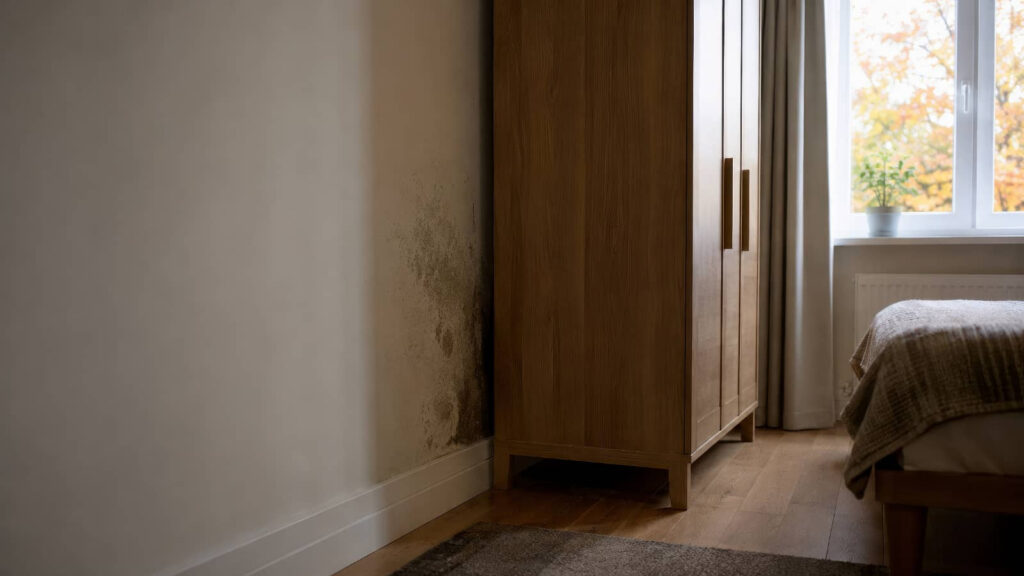
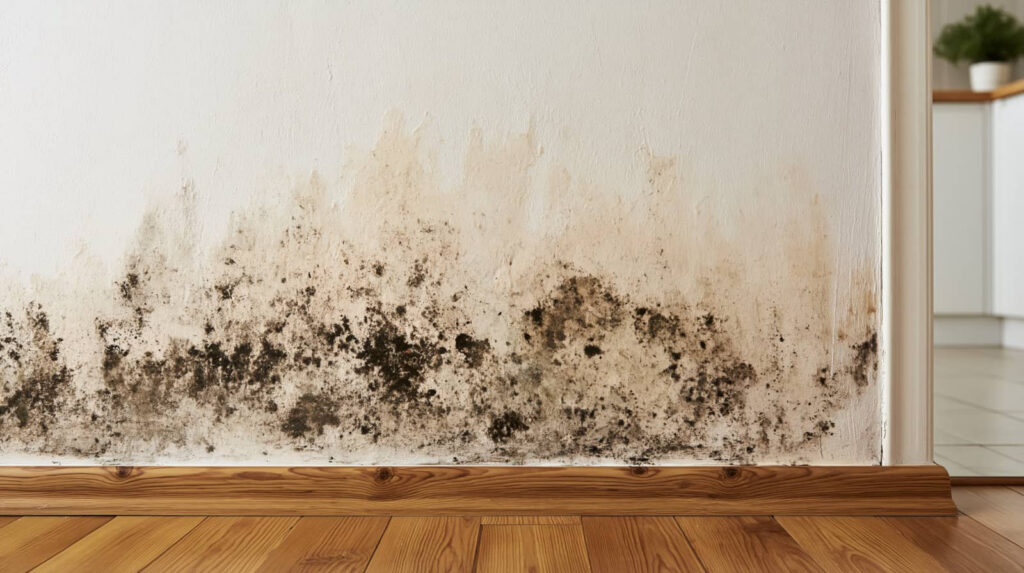
When should you call in professional help for water damage? If you notice water damage indicators like discoloration, mold growth, or a musty odor, it’s time to act.
Don’t wait for the problem to escalate; water can cause significant structural damage and health risks. If the affected area is large or the source of water isn’t easily identifiable, reach out to experts.
They’re trained to follow emergency response protocols, ensuring thorough assessment and remediation. Additionally, if you’re dealing with contaminated water, professional assistance is essential for safety.
Frequently Asked Questions
How Long Does the Water Damage Restoration Process Typically Take?
The restoration timeline for water damage typically takes a few days to a couple of weeks, depending on the extent. Effective drying techniques expedite the process, helping you return to normal operations sooner.
What Types of Water Damage Are Covered by Insurance?
Most standard policies cover sudden water damage, but flood insurance is essential for flooding events. Be aware of policy exclusions, as many don’t cover damage from slow leaks or sewer backups, leaving you unprotected.
Can I Prevent Mold Growth After Water Damage?
You can prevent mold growth after water damage by implementing mold prevention strategies during post water cleanup. Guarantee thorough drying, use dehumidifiers, and apply mold-resistant products to keep your environment safe and healthy.
Are DIY Water Damage Repairs Effective?
When it comes to DIY water damage repairs, you might be biting off more than you can chew. While some tasks are manageable, DIY effectiveness varies, and repair costs could skyrocket if mishaps occur.
What Are Common Signs of Hidden Water Damage?
You might notice common signs of hidden water damage, like damp spots, peeling paint, or a musty smell. Leak detection and moisture assessment tools can help you identify and address these issues before they escalate.
Summary
Addressing water damage promptly is vital for protecting your commercial property. Did you know that nearly 50% of businesses never reopen after a major disaster? By investing in professional restoration services and preventative measures, you can safeguard your business’s future. Don’t wait for a disaster to strike; act now to secure a safe environment for your employees and clients. Remember, prevention and swift action are your best allies in minimizing water damage impacts.