When your business faces water damage, knowing the most effective solutions can make all the difference. You’ll want to act quickly, utilizing immediate water extraction techniques and structural drying methods. Mold remediation and sanitization are vital to protect your health. But that’s just the beginning. There are several other strategies to take into account that can greatly influence your recovery process. Let’s explore these essential solutions to ensure a swift return to normalcy.
Key Takeaways
- Immediate water extraction using submersible pumps and industrial wet vacuums minimizes structural damage and prevents mold growth.
- Effective structural drying with high-capacity dehumidifiers and air movement techniques restores property integrity post-water damage.
- Comprehensive mold remediation includes inspection, specialized removal, and documentation to protect health and support insurance claims.
- Thorough sanitization with EPA-approved disinfectants targets pathogens and mold spores, ensuring safety in affected areas.
- Detailed recovery process documentation and established communication strategies streamline emergency responses and enhance accountability among team members.
Immediate Water Extraction Techniques
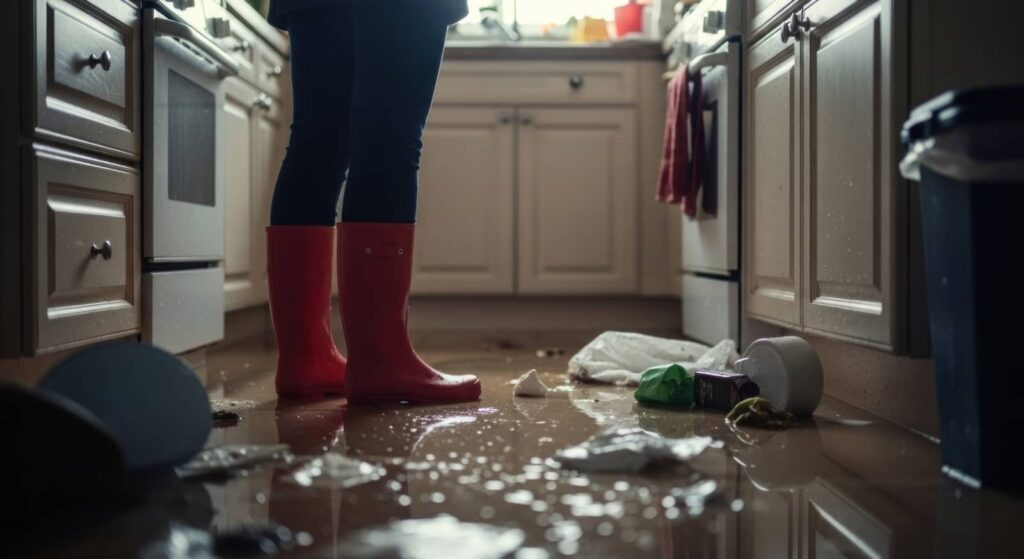
When a water damage incident occurs, immediate water extraction is crucial to minimize structural damage and prevent mold growth.
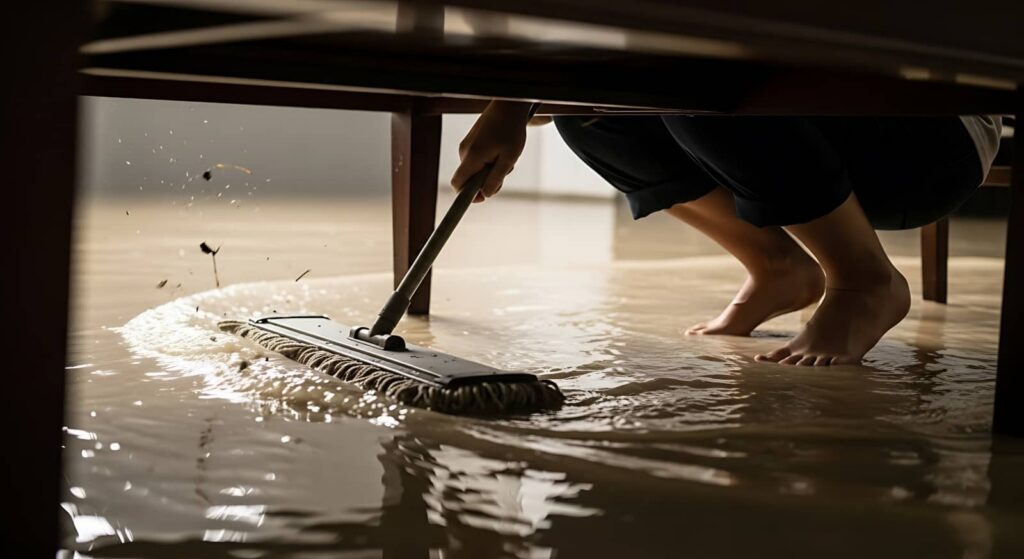
To effectively manage this critical phase, you’ll want to implement reliable water removal methods, such as submersible pumps and industrial wet vacuums. These tools can quickly eliminate standing water, reducing the risk of further deterioration.
Integrating emergency response planning into your strategy ensures that you’re prepared for any unforeseen circumstances.
Establishing a clear protocol helps coordinate your team, allowing for a swift response that mitigates damage. You’ll find that training staff on these methods fosters a sense of belonging and shared responsibility, enhancing overall readiness.
Structural Drying and Dehumidification
Effective structural drying and dehumidification are vital components in the water damage restoration process. When you face water damage, it’s important to restore the structural integrity of your property.
This involves thorough moisture mapping to identify hidden damp areas that could compromise your building’s stability.
Here are key steps to ensure effective drying and dehumidification:
- Use high-capacity dehumidifiers to reduce humidity levels quickly.
- Implement advanced air movement techniques to facilitate faster evaporation.
- Conduct regular monitoring of moisture levels to assess progress and adjust strategies.
Mold Remediation Services
When dealing with water damage, you must prioritize mold remediation to protect your property and health.
The mold inspection process identifies affected areas, while effective remediation techniques eliminate growth and prevent future issues.
Implementing proactive prevention strategies further safeguards your environment from mold recurrence.
Mold Inspection Process
Although mold growth can often go unnoticed until it causes significant damage, the mold inspection process is essential for identifying and addressing potential hazards in your commercial space.
Utilizing advanced inspection tools, professionals can detect hidden mold and assess its impact effectively.
During the inspection, you’ll typically encounter:
- Visual assessments to identify visible mold and moisture sources.
- Moisture meters that measure humidity levels and detect damp areas.
- Air quality tests to analyze airborne mold spores.
This detailed approach helps in pinpointing existing problems and aids in preventing future mold issues.
Remediation Techniques Explained
Understanding the various mold remediation techniques is essential for restoring your commercial space to a safe and healthy condition.
First, containment is important; sealing off affected areas prevents mold spores from spreading.
Next, effective removal involves using specialized equipment to extract mold and contaminated materials while ensuring water quality remains intact.
You may also consider HEPA vacuuming and air filtration to eliminate airborne spores.
Disinfectants can be applied to surfaces to inhibit future growth.
It’s crucial to document these procedures for your insurance claims, as thorough records substantiate your efforts.
Finally, addressing moisture sources is important to prevent recurrence, solidifying your commitment to a healthy environment.
Prevention Strategies Implemented
To effectively prevent mold growth in your commercial space, implementing thorough strategies is essential.
Here are some key prevention measures you can adopt:
Utilize waterproofing methods: Ascertain that all surfaces are treated with effective waterproofing solutions to minimize moisture penetration.
Install proper drainage systems: A well-designed drainage system prevents water accumulation, reducing the risk of mold development.
Maintain humidity levels: Keep indoor humidity below 60% by using dehumidifiers and regularly monitoring moisture levels.
Effective Sanitization and Disinfection
When water damage occurs, ensuring effective sanitization and disinfection is vital for preventing mold growth and protecting health. You must implement effective sanitation protocols immediately to minimize risks.
Start by removing any standing water and thoroughly drying affected areas. Use commercial-grade dehumidifiers and air movers to expedite this process.
Once the area is dry, apply disinfection best practices. This involves using EPA-approved disinfectants that target pathogens and mold spores. Pay close attention to high-touch surfaces, such as doorknobs and countertops, and verify they’re cleaned and sanitized.
Regular monitoring of humidity levels is essential; keeping them below 60% can greatly reduce mold risk.
Temporary Power Solutions for Damaged Areas
When dealing with water damage, securing a reliable power source is essential for restoration efforts.
You can consider portable generator options for immediate energy needs, or battery backup systems for critical equipment.
Additionally, implementing temporary power distribution can help effectively manage electricity throughout affected areas.
Portable Generator Options
Although water damage can disrupt operations, having the right portable generator can restore power to affected areas quickly and efficiently.
When selecting a portable generator, consider the following key factors:
Fuel Efficiency: Choose a model that maximizes fuel usage to minimize costs during prolonged outages.
Generator Maintenance: Regular upkeep ensures your generator runs smoothly when you need it most, preventing unexpected failures.
Power Output: Assess the wattage needed to support critical equipment, ensuring adequate performance without overload.
Battery Backup Systems
In the aftermath of water damage, battery backup systems offer a reliable temporary power solution, ensuring essential equipment remains operational during restoration efforts.
These systems provide significant backup system benefits, such as maintaining power for critical devices like sump pumps and dehumidifiers. You’ll appreciate the peace of mind knowing that your operations won’t come to a halt.
To optimize performance, follow battery maintenance tips, including regular testing and keeping terminals clean. This proactive approach can extend the life of your backup systems, ensuring they’re ready when you need them most.
Temporary Power Distribution
Battery backup systems are just one part of a thorough strategy for managing water damage.
To effectively address your temporary power needs in affected areas, contemplate implementing emergency power sources that ensure safety and efficiency.
Here are crucial solutions to contemplate:
- Portable Generators: Quick to deploy and versatile for various applications.
- Temporary Power Distribution Panels: Essential for managing multiple power feeds safely.
- Light Towers: Provide adequate illumination for cleanup and repair efforts.
Restoration of Affected Contents and Inventory
Restoring affected contents and inventory after water damage is vital for minimizing losses and ensuring business continuity. Start with a thorough inventory assessment to identify all items impacted by the water. This process allows you to determine what can be salvaged and what needs replacement.
Focus on content preservation techniques to protect valuable assets. For instance, specialized drying methods can recover documents, electronics, and textiles.
Engage restoration professionals who utilize advanced equipment and techniques to expedite drying and mitigate further damage. They’ll make certain that your salvageable inventory is cleaned and restored to its original condition, maintaining the integrity of your business operations.
Document every step of the recovery process, as this is essential for insurance claims and future prevention strategies. By prioritizing the restoration of your contents and inventory, you’re not just preserving assets; you’re reinforcing your commitment to your business and your stakeholders.
Emergency Communication and Coordination Strategies
When faced with a water damage emergency, having effective communication and coordination strategies in place can greatly enhance your response efforts.
Implementing robust crisis communication and coordination protocols ensures everyone involved is on the same page, minimizing confusion and delays.
To optimize your emergency response, consider the following strategies:
Establish clear communication channels: Use dedicated platforms for real-time updates and information sharing among team members, contractors, and stakeholders.
Develop coordination protocols: Create step-by-step procedures that outline responsibilities, ensuring all parties know their roles during a crisis.
Conduct regular training sessions: Regular drills can help reinforce communication and coordination strategies, making your team more confident and efficient when an emergency arises.
Frequently Asked Questions
What Causes Water Damage in Commercial Properties?
Water damage in commercial properties often stems from plumbing failures, like burst pipes or leaks, and natural disasters, such as floods or storms. Identifying these risks helps you safeguard your property and minimize potential losses.
How Quickly Should I Respond to Water Damage?
You should respond to water damage within hours. Immediate action minimizes loss and prevents mold growth. Prioritize timely response time to protect your property, ensuring a swift recovery and maintaining a safe environment for everyone.
Are There Insurance Options for Water Damage Restoration?
You should explore insurance options that cover restoration costs to safeguard your investment, ensuring thorough insurance coverage addresses potential losses effectively and supports your recovery efforts.
Can I Prevent Water Damage in My Facility?
You can prevent water damage in your facility by implementing waterproofing techniques and enhancing drainage systems. Regular maintenance and inspections will also help identify vulnerabilities, reducing the risk of costly damage and ensuring your space remains protected.
How Do I Choose a Reliable Water Damage Restoration Company?
To choose a reliable water damage restoration company, check customer reviews and service guarantees. Prioritize companies with positive feedback and clear commitments to quality, ensuring you feel confident in their ability to restore your facility effectively.
Wrap-Up
Implementing these top commercial emergency water damage solutions can transform a challenging situation into a manageable one. You’ll protect your business from extensive damage and ensure the safety and health of your employees and customers. Remember, time is of the essence; the quicker you act, the less likely your property will become a waterlogged catastrophe. With the right strategies in place, you’ll bounce back faster than a superhero in a crisis.