Flood Damage Repair is an important step after dealing with flood damage, but ongoing maintenance is essential to prevent future issues. Start by evaluating your home’s structural integrity and ensuring electrical systems are safe. You’ll also want to monitor for mold growth and maintain your HVAC and plumbing systems to reduce the risk of additional problems. Understanding flood insurance claims can help ease the repair process. Each step you take not only protects your home but also prepares you for what comes next. What other measures can you implement for long-term resilience?
Key Takeaways
- Create an emergency kit tailored to your family’s needs, including essentials like food, water, and important documents for future flood preparedness.
- Regularly inspect and maintain the structural integrity of your home, addressing any signs of water damage or foundation issues promptly.
- Schedule routine checks of your electrical and plumbing systems to identify leaks, corrosion, or damage that could worsen over time.
- Monitor your HVAC system by changing filters regularly and cleaning ducts to ensure good air quality and system efficiency post-flood.
- Develop a home care routine that includes seasonal inspections and maintenance tasks, fostering teamwork and resilience among family members.
How to Prepare for Future Floods
When you’ve experienced flood damage, preparing for future floods becomes essential. Start by creating a thorough emergency kit. This kit should include essentials like water, non-perishable food, a flashlight, batteries, a first aid kit, and important documents.
Tailor your supplies to your family’s specific needs, ensuring everyone feels secure.
Next, develop a flood preparedness plan. Discuss escape routes and safe meeting points with your loved ones, so everyone knows what to do when a flood threatens.
Regularly review and practice your plan together, building confidence and unity.
Finally, stay informed about local weather updates and flood alerts. Being proactive can help you feel more in control, fostering a sense of community and belonging as you all work together to stay safe.
Assessing Structural Integrity After Flood Damage
After experiencing flood damage, evaluating your home’s structural integrity is essential to confirm safety and prevent future issues.
Start with a detailed inspection of your foundation. Look for cracks or shifts that could compromise foundation stability. It’s important to identify any signs of water intrusion, as this can lead to further deterioration.
Conducting structural assessments will help you pinpoint areas needing repair or reinforcement.
Don’t hesitate to reach out to professionals for a thorough evaluation; their expertise will provide peace of mind.
Remember, taking these steps not only protects your home but also fosters a sense of belonging and security for you and your loved ones.
Prioritize these assessments to confirm your home remains a safe haven.
Choosing the Right Dehumidification Method
Start by evaluating your space; smaller areas might benefit from portable dehumidifiers, while larger spaces may require industrial models.
Consider the moisture levels using hygrometers can help you measure humidity accurately.
Some effective dehumidification techniques include refrigerant dehumidifiers, which cool air to condense moisture, and desiccant dehumidifiers that absorb moisture without cooling.
For thorough moisture control, combine these methods with proper ventilation.
Always prioritize safety and monitor your progress, as lingering dampness can lead to mold growth.
How to Safely Inspect and Fix Electrical Systems?
Flood damage can severely impact your home’s electrical systems, making it essential to inspect and repair them safely. Follow these steps to guarantee wiring safety and proper circuit testing:
- Turn off the power at the main circuit breaker before inspecting.
- Check for water damage in outlets, switches, and wiring.
- Use a multimeter to test circuits for continuity and voltage.
- Look for corrosion on connections or wires, which can lead to further issues.
- Consult a professional electrician if you encounter problems beyond your expertise.
Check Your HVAC System for Contamination
After flood damage, your HVAC system can harbor contaminants that affect air quality.
It’s essential to inspect your ductwork thoroughly to guarantee there’s no lingering debris or mold.
Don’t forget to change your filters regularly; clean filters help maintain a healthy environment in your home.
Inspect Ductwork Thoroughly
One essential step in restoring your home post-repair is to inspect your ductwork thoroughly. Flood damage can lead to contamination that affects your HVAC system, so it’s vital to address this right away.
Here’s what you should focus on:
- Duct cleaning: Confirm all debris and contaminants are removed.
- Airflow assessment: Check for blockages that could hinder airflow.
- Moisture inspection: Look for signs of mold or mildew.
- Seal integrity: Examine duct joints for any leaks.
- Professional help: Consider hiring experts if you notice serious issues.
Taking these steps won’t only enhance your indoor air quality but also help your HVAC system function efficiently, creating a healthier home environment for you and your loved ones.
Change Filters Regularly
Regularly changing your HVAC filters is essential for maintaining a clean and efficient system. After flood damage, your filters can become contaminated with debris and mold, leading to health issues and decreased performance.
Make it a priority to check various filter types like HEPA or pleated based on your system’s requirements. Establish a maintenance schedule that suits your lifestyle; monthly changes might be necessary in high-use seasons, while quarterly might suffice in others.
This simple act not only improves air quality but also extends your HVAC’s lifespan, creating a more comfortable home for you and your loved ones.
Effective Cleaning Strategies for Flood Recovery
While managing the aftermath of flood damage, effective cleaning strategies are essential for restoring your home and ensuring a safe environment.
Start with flood debris removal to clear your space and prevent further issues. Here are some strategies to guide you:
- Remove all wet materials immediately, including carpets and furniture.
- Thoroughly clean and disinfect surfaces using a mixture of water and detergent.
- Use a HEPA vacuum to capture fine particles and allergens.
- Dry out your home using dehumidifiers and fans to eliminate moisture.
- Sanitize surfaces with a solution of bleach and water to kill bacteria and mold spores.
Monitoring for Mold Growth and Prevention Strategies
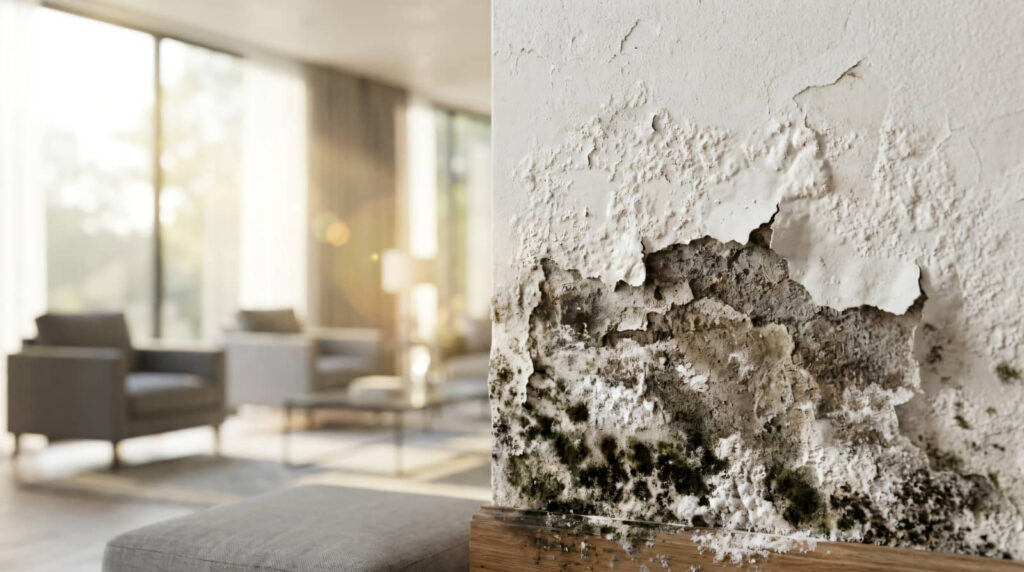
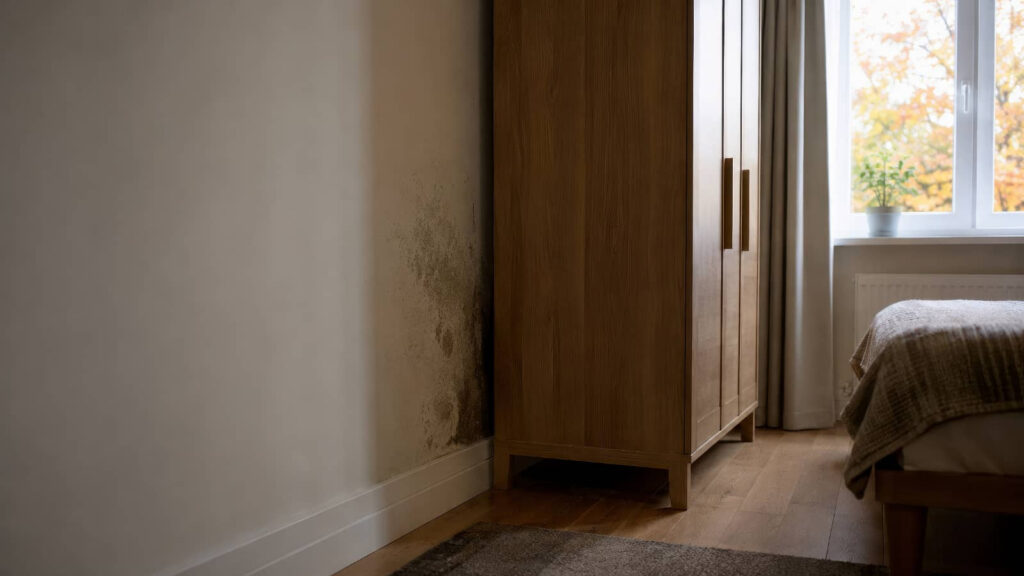
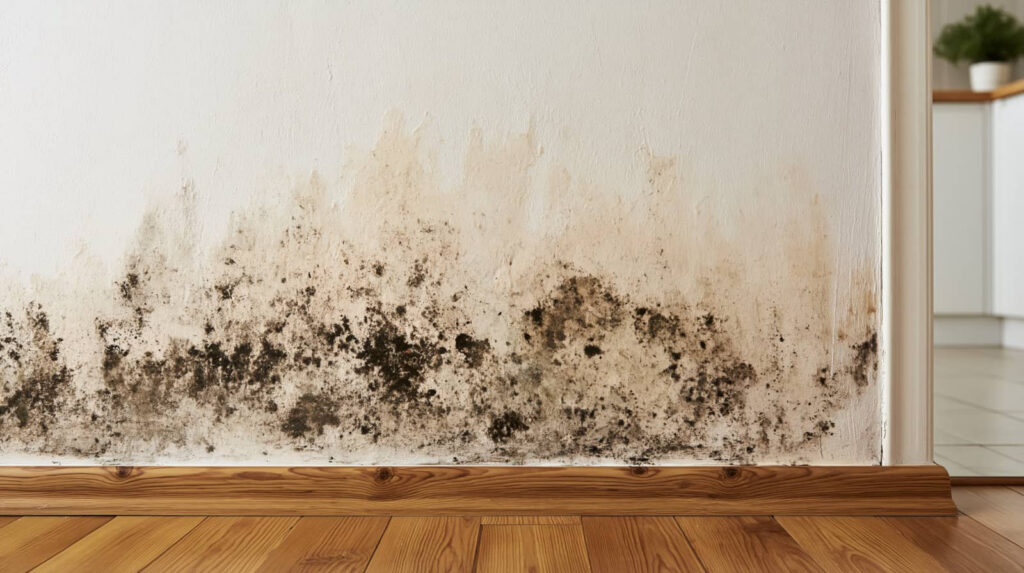
After a flood, vigilant monitoring for mold growth is vital to safeguard your home’s health and safety. Mold can develop quickly in damp areas, so regular mold detection checks are important. Look for signs like musty odors, discoloration, or water stains.
To prevent mold, keep humidity levels below 50% using dehumidifiers and guarantee proper ventilation in your home. Dry any wet items within 24-48 hours, and clean surfaces with mold-killing solutions.
You’re not alone in this process; your community can offer support and resources.
Maintain Your Plumbing Post-Flood Recovery
After a flood, your plumbing needs special attention to guarantee it’s functioning properly.
Regularly inspecting your pipes and monitoring water pressure can help you catch potential issues early.
Taking these steps not only protects your home but also gives you peace of mind during your recovery.
Inspect Pipes Regularly
To guarantee your plumbing system remains in top shape following flood damage repair, it’s essential to inspect your pipes regularly.
Regular checks help you catch issues early, preventing costly repairs and ensuring your home stays safe and comfortable.
Here are some key aspects to focus on:
- Look for signs of pipe corrosion****: Discoloration or rust can indicate weakening pipes.
- Check for leaks: Even small leaks can lead to bigger problems.
- Inspect joints and connections: These areas are often the first to fail.
- Monitor water flow: Unusual changes can signal underlying issues.
- Consider professional inspections: A plumber can provide in-depth leak detection and maintenance.
Monitor Water Pressure
Maintaining your plumbing system goes beyond just inspecting pipes; monitoring water pressure is equally important in the aftermath of flood damage repairs.
Using a pressure gauge, you can easily check the water pressure in your home. Ideal water pressure usually falls between 40 to 60 psi. If you notice pressure fluctuations, it could indicate underlying issues like leaks or clogs, which can worsen if neglected.
Keeping an eye on water flow helps guarantee appliances and fixtures function efficiently, preventing further damage. Regularly checking your water pressure not only safeguards your plumbing but also fosters a sense of security in your home.
Stay proactive, and you’ll contribute to a healthier environment for you and your loved ones.
Navigating Flood Insurance Claims for Repairs
While maneuvering through the complexities of flood insurance claims can feel overwhelming, understanding the process is essential for securing the repairs you need.
Here are some flood insurance basics and claims process tips to help you navigate:
- Document everything: Take photos and keep records of damages.
- Understand your policy: Know what’s covered and what isn’t.
- File promptly: Submit your claim as soon as possible to avoid delays.
- Communicate clearly: Keep in touch with your adjuster and provide requested information quickly.
- Stay organized: Maintain a file of all correspondence and documents related to your claim.
Creating a Routine for Regular Inspections
Start by developing routine checklists tailored to your home’s specific needs. These checklists can help you monitor essential areas like plumbing, roofing, and insulation.
Schedule seasonal inspections to catch potential issues early, whether it’s checking for mold growth after heavy rains or ensuring proper drainage in winter.
Make these inspections part of your home care routine; it’s not just about repairs but also about nurturing a safe and comfortable environment.
Sharing this process with family can foster a sense of belonging, ensuring everyone understands their role in maintaining your home.
Together, you can create a resilient space that stands strong against future challenges.
Frequently Asked Questions
How Long Should I Wait Before Re-Entering My Home After a Flood?
You should wait at least 24 to 48 hours before re-entering your home after a flood. Follow flood recovery timelines and home safety protocols to guarantee a safe environment for you and your loved ones.
What Types of Items Should Be Discarded After Flood Exposure?
You should discard flooded electronics and any contaminated food immediately. These items can harbor bacteria and pose health risks. Prioritizing your safety helps you rebuild and regain comfort in your home after this difficult experience.
How Can I Prevent Pests After Flood Damage?
To prevent pests during flood recovery, seal cracks, remove standing water, and store food in airtight containers. Regularly inspect your home, maintain cleanliness, and consider professional treatments for added protection. You’re not alone in this!
What Are the Signs of Long-Term Water Damage?
You’ll notice signs of long-term water damage through mold growth, musty odors, and warped materials. If you see these, it’s essential to act quickly to protect your home’s structural integrity and guarantee a safe environment.
How Can I Ensure My Insurance Claim Is Processed Quickly?
To guarantee your insurance claim processes quickly, gather all necessary documentation and keep a detailed record. Regularly follow up with your insurer; this shows your commitment and helps you feel more in control of the situation.
Review
To safeguard your home post-flood, remember that nearly 50% of flood-damaged homes face recurring issues if not properly maintained. By taking proactive steps like regular inspections, educating your family about safety roles, and staying updated on weather conditions you can greatly reduce future risks. It’s crucial to stay vigilant and prepared. Your home deserves the care that keeps it secure and resilient against the unpredictable forces of nature.