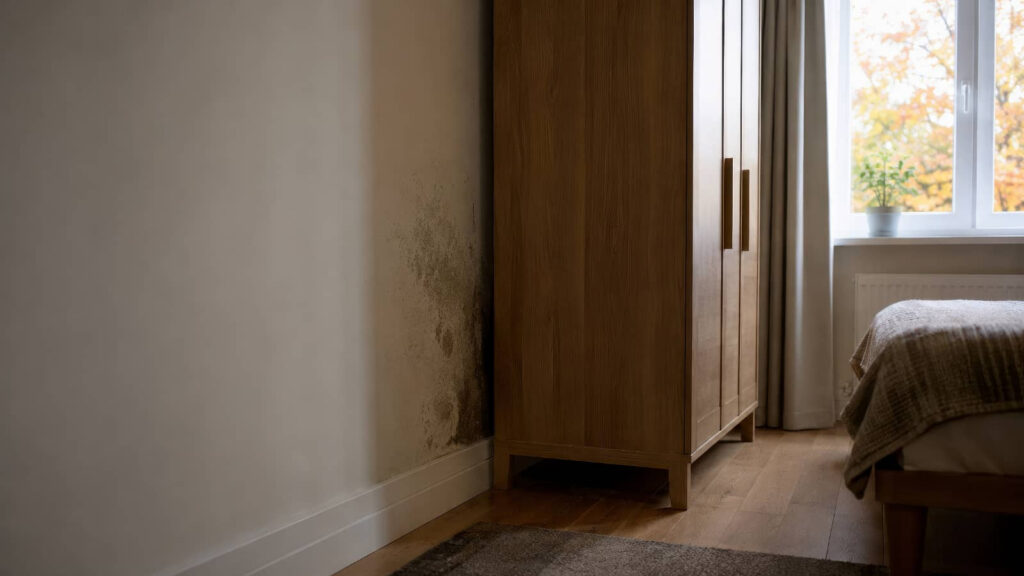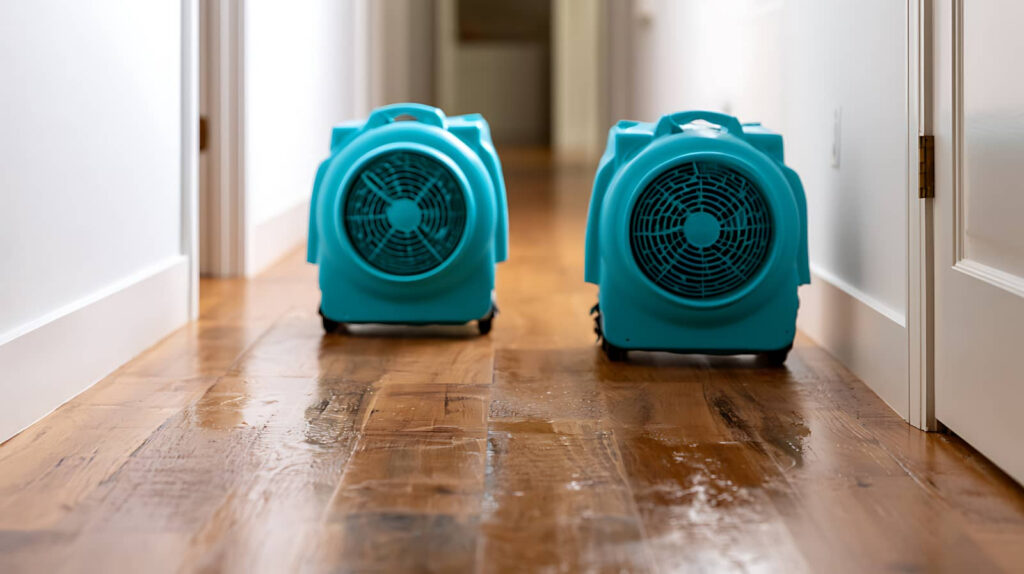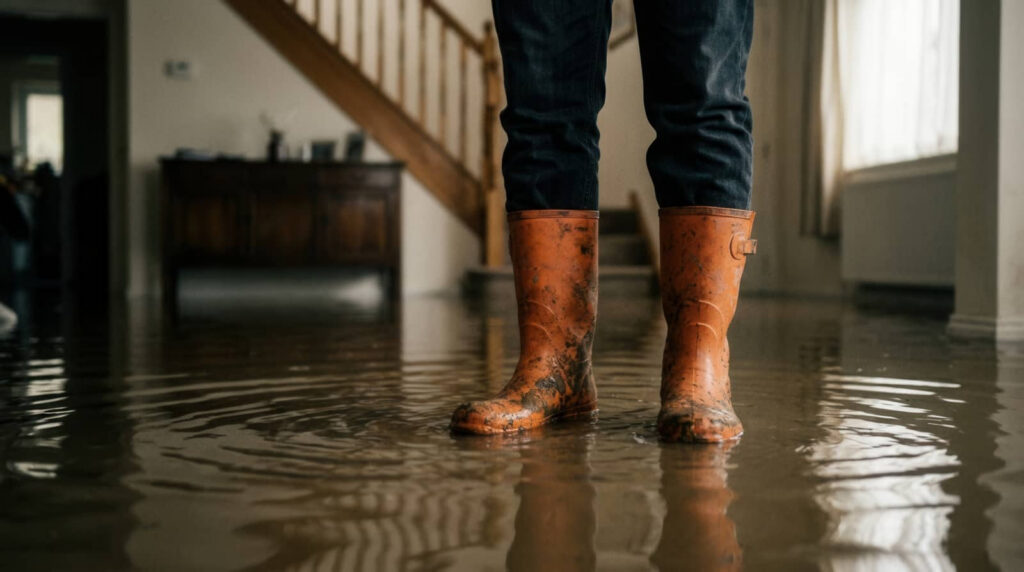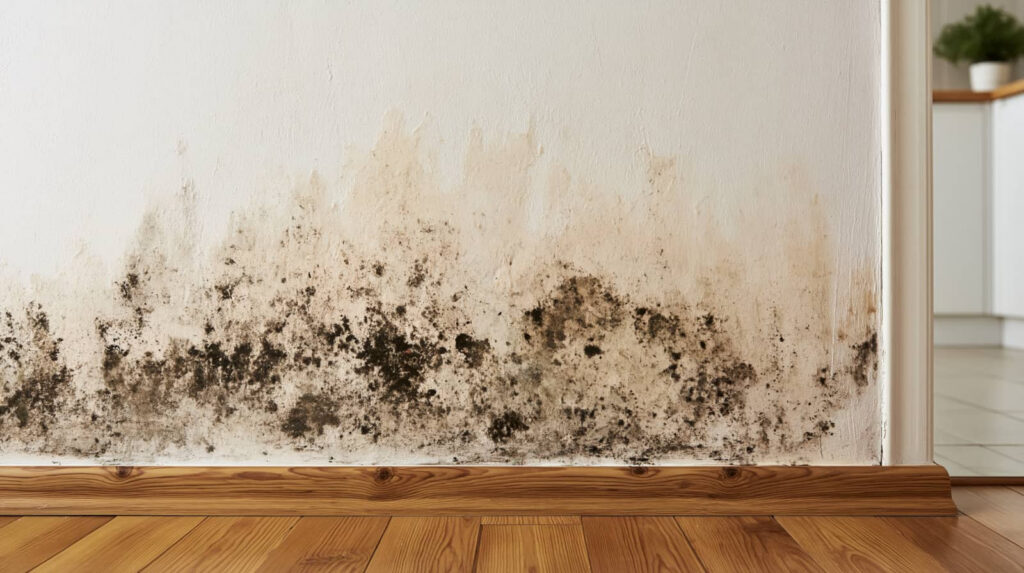
When water hits your property, Water Damage Mitigation means you need to act fast because mitigation comes before repair, cleanup, or replacement. Quick action can help limit hidden damage, protect framing and flooring, and reduce conditions that support mold growth. Whether the source is a burst pipe, roof leak, or floodwater, the first hours matter most. The real cost often starts after the standing water is gone, and that’s where the next steps get critical.
Key Takeaways
- Water damage mitigation prevents structural deterioration, mold growth, and expensive repairs.
- Quick action removes standing water and limits moisture spread into walls, floors, and contents.
- Early mitigation protects indoor air quality and reduces health risks from mold and humidity.
- Prompt response lowers restoration costs by preventing secondary damage like corrosion and decay.
- A disciplined mitigation plan improves recovery, minimizes disruption, and preserves property value.
Why Water Damage Mitigation Comes First
When water enters your property, mitigation has to come first because every minute you wait increases the chance of structural damage, mold growth, and costly repairs.
You need to act fast, isolate the affected area, and remove standing water before materials saturate deeper layers. This approach protects framing, flooring, and finishes while preserving your control over the situation.
Use preventive measures now so you’re not forced into a bigger loss later. Good emergency planning helps you and your team respond with confidence, keep communication clear, and reduce confusion under pressure.
When you prioritize mitigation, you join the people who handle damage with discipline, not panic. That mindset limits disruption, supports faster recovery, and keeps restoration costs from escalating beyond what you can manage.
Common Water Damage Sources in Homes and Offices
You need to watch for the most common water damage sources: leaky pipes, roof and window leaks, and appliance failures.
These failures can release water quickly, spread hidden moisture, and damage structural materials, wiring, and finishes.
Inspect these areas routinely and act fast at the first sign of drips, staining, or dampness.
Leaky Pipes
Even a small leak in a pipe can quickly become a major water damage problem, because pressurized water keeps escaping into walls, ceilings, floors, and cabinetry until someone shuts it off.
You need fast pipe inspection and reliable leak detection to catch the problem before it spreads. Watch for damp drywall, warped trim, low water pressure, or an unexplained increase in your water bill.
If you hear hissing, see staining, or notice musty odors, isolate the line and call a licensed plumber right away.
In shared homes and offices, acting quickly protects everyone’s space and helps you avoid bigger repairs, mold growth, and downtime.
Stay alert, document the damage, and keep valves accessible so your team can respond together.
Roof And Window Leaks
Not all water damage starts with plumbing; roof and window leaks can send rainwater straight into walls, ceilings, insulation, and flooring. You need to spot the warning signs early: stains, bubbling paint, musty odors, and warped trim.
Schedule roof inspections after storms and at least twice a year, because missing shingles, cracked flashing, and clogged gutters let water back up fast. Check attic framing, then trace any dampness to its source before mold spreads.
Tight window sealing matters too; failed caulk, worn weatherstripping, and loose frames invite seepage during wind-driven rain. If you live or work in the building, act as one team: report leaks immediately, dry affected areas, and protect structural materials before damage compounds.
Appliance Failures
Appliance failures can flood a home or office in minutes, so treat every washer, dishwasher, water heater, ice maker, and refrigerator line as a potential leak source.
You need fast inspection habits and disciplined appliance maintenance to protect your team and your space.
- Check hoses, valves, and seals monthly for bulges, corrosion, or drip trails.
- Replace braided supply lines before they age out, and keep drain pans clear.
- Shut off water when you leave for long periods, and document coverage with flood insurance.
If you hear hissing, see pooling, or smell damp drywall, act now.
Shut the supply, unplug the unit if safe, and call a qualified technician. Quick action keeps damage small and helps everyone stay ready, informed, and supported.
How Emergency Water Extraction Stops More Damage
When you start emergency water extraction right away, you cut moisture levels fast and limit how far water spreads into flooring, walls, and insulation.
You also reduce the window for mold spores to activate, because standing water and damp materials create the conditions mold needs to grow.
Quick removal lets you stabilize the area sooner and lowers the risk of structural and indoor air quality damage.
Rapid Moisture Removal
In the first hour after water intrusion, rapid moisture removal can make the difference between a manageable cleanup and widespread structural damage.
You need fast, targeted action that pulls water from carpets, subfloors, and wall cavities before it spreads. Use moisture detection to map hidden saturation, then choose drying techniques that match the material and depth of wetness.
- Extract standing water immediately.
- Deploy air movers and dehumidifiers to accelerate evaporation.
- Recheck readings until levels normalize.
When you act quickly, you protect finishes, reduce repair scope, and keep your space usable.
You’re not handling this alone; trained responders use measured steps to restore control and help your property recover with confidence.
Mold Growth Prevention
As moisture lingers after a flood or leak, mold can begin to develop quickly in hidden materials, so emergency water extraction has to happen before that window closes.
You protect your home by removing standing water, exposing damp cavities, and speeding dry-out in walls, floors, and insulation. That rapid action cuts off the conditions mold needs to spread, which means fewer repairs and less risk to your family.
Use proven mold prevention techniques like dehumidification, air movement, and material removal when contamination starts. You’ll also need indoor humidity control to keep levels below 60% while surfaces finish drying.
When you act fast, you stay ahead of spores, preserve shared spaces, and keep your home safe, clean, and ready for normal life.
Water Damage Mitigation Steps That Save Materials
Quick action can save materials after water exposure, so shut off the source, isolate the affected area, and start extraction immediately. You’re protecting your space and the people who rely on it.
In water restoration, every minute matters for material preservation, so move fast and stay methodical.
- Remove standing water with pumps, wet vacs, and squeegees.
- Pull baseboards, lift rugs, and open cavities to release trapped moisture.
- Run airflow and dehumidification across wet surfaces while checking framing, drywall, and flooring.
You should sort salvageable items from saturated ones, then clean and dry them with controlled heat and ventilation.
Document conditions as you work, because clear tracking helps your team stay coordinated and confident. Keep monitoring until moisture readings return to safe levels.
Why Fast Flood Damage Remediation Saves Money
Fast flood damage remediation cuts costs because you stop water from spreading into structure, finishes, and contents before they fail. You protect framing, drywall, flooring, and insulation by acting within hours, not days.
When you remove standing water, extract hidden moisture, and dry materials fast, you avoid secondary damage that drives repairs higher. This urgency also limits mold growth, odor, and corrosion, which carry serious financial implications.
You’ll make better cost effective solutions choices when you document losses early and prioritize the wettest areas first. That approach helps you stay in control, reduce replacement work, and keep your home safer.
If you respond quickly, you’re not just fixing damage—you’re preserving value, minimizing stress, and protecting the people who count on that space.
Water Damage Mitigation for Businesses
For businesses, water damage mitigation starts with isolating the source, protecting critical assets, and moving quickly to reduce downtime.
You need a clear emergency response plan, strong risk management, and trained staff who know where shutoffs, records, and equipment are.
Use employee training to spot leaks early and report them fast.
Call for a structural assessment and deploy restoration technology to stabilize the site.
Document losses for insurance claims and coordinate with your business insurance carrier.
Your disaster preparedness plan should assign roles, vendors, and communication steps before a crisis hits.
When you act as a team, you cut disruption, protect operations, and keep your workplace resilient.
How to Prevent Mold After Water Damage Cleanup
Once the visible water is gone, you still need to stop mold before it starts. You should inspect porous materials, baseboards, and hidden cavities right away.
Remove wet drywall, carpet padding, and insulation that can’t dry within 24 to 48 hours. Run dehumidifiers and fans to speed evaporation, and keep humidity control below 60 percent.
Open pathways for airflow, but don’t rely on fresh air alone. Clean hard surfaces with detergent, then dry them completely.
Schedule a mold inspection if you smell musty odors, see staining, or notice dampness returning. Check daily for condensation, warped materials, and soft spots.
When you act fast, you protect your space, your people, and your peace of mind.
How to Choose a Restoration Team
When water damage hits, who you hire can determine how much of your home you save. You need a restoration team that responds fast, documents losses, and controls moisture before structural decay starts.
Verify restoration credentials, insurance, and 24/7 availability. Ask about team experience with extraction, drying, and antimicrobial treatment, because skilled crews work like a coordinated unit and help you feel supported under pressure.
Confirm certifications and local licensing.
Check references, response time, and equipment.
Compare estimates, scope, and communication.
Choose a team that explains every step, tests materials, and updates you without delay. When you know the pros have your back, you can focus on recovery, not uncertainty.
Frequently Asked Questions
How Long Does Hidden Moisture Take to Cause Structural Problems?
Hidden moisture can damage your structural integrity in days or weeks, especially from hidden leaks. You’ll see swelling, rot, and weakened framing fast, so inspect immediately, dry thoroughly, and act before repairs escalate.
Can Water Damage Affect Electrical Systems Before Visible Signs Appear?
Yes—like a silent storm, water can damage your electrical systems before you see anything. You’ll need moisture detection fast; hidden Electrical hazards can trip breakers, corrode wiring, and threaten safety long before visible signs appear.
What Insurance Documents Help After a Water Damage Claim?
You’ll need your policy declarations, photos, repair estimates, receipts, inspection reports, and a loss inventory to speed the claim process and verify policy coverage. Keep every record organized; you’re not handling this alone.
Does Humidity Level Change the Risk of Secondary Damage?
Yes—higher humidity raises your risk of secondary damage because damp materials stay wet longer, letting mold spread fast. You should use humidity control and moisture detection immediately so you protect your space and belong to a healthier, safer team.
Are Salvageable Belongings Always Safe After Brief Flooding?
No, you shouldn’t assume salvageable belongings are safe after brief flooding. You need a flood assessment fast; hidden contamination spreads like wildfire. Start the restoration process immediately, or you’ll risk mold, warping, and loss.
Review
When water hits, you don’t get a second chance—every minute counts, and that’s no coincidence. Fast mitigation stops spread, protects framing, flooring, and drywall, and keeps mold from taking hold. If you act quickly, you can cut repair costs, reduce disruption, and preserve your property’s value. Don’t wait for visible damage to worsen. Choose a restoration team that responds now, extracts water fast, and restores your space before a small problem turns into a major loss.