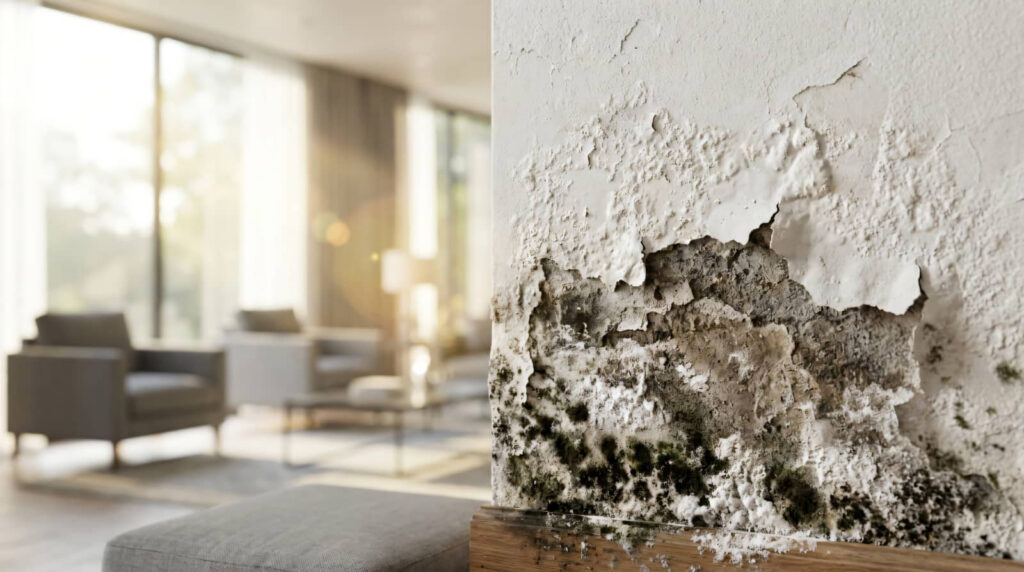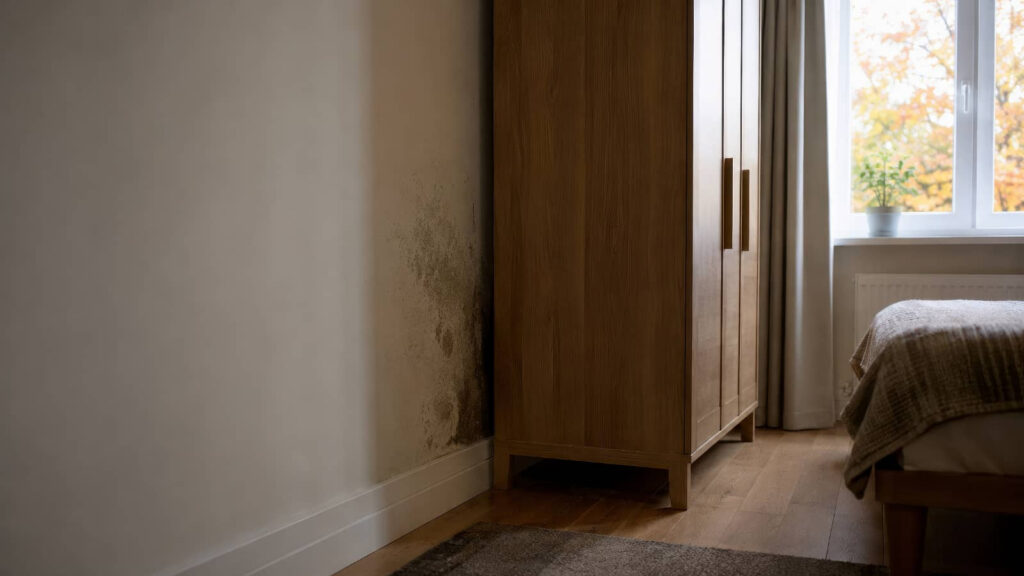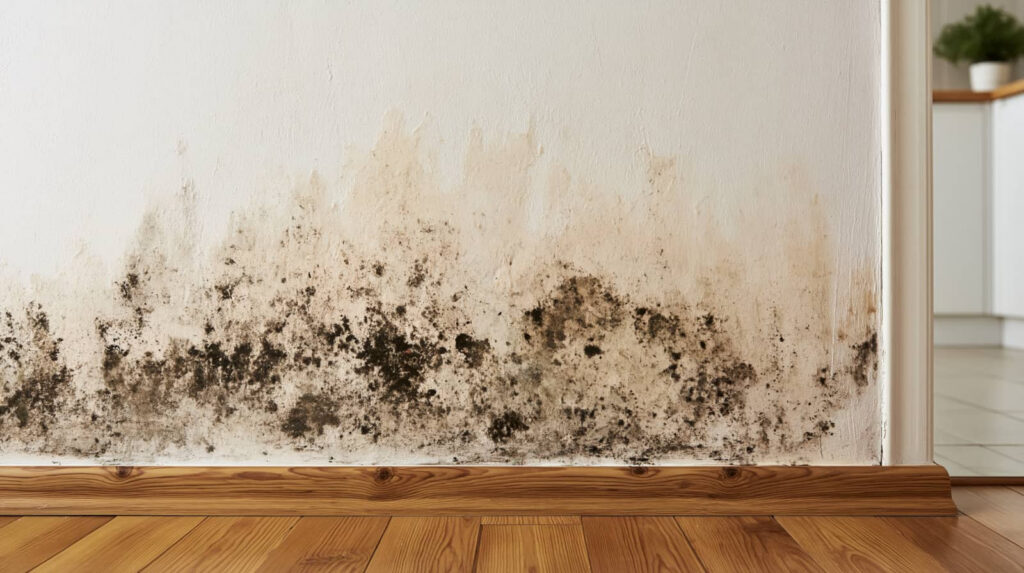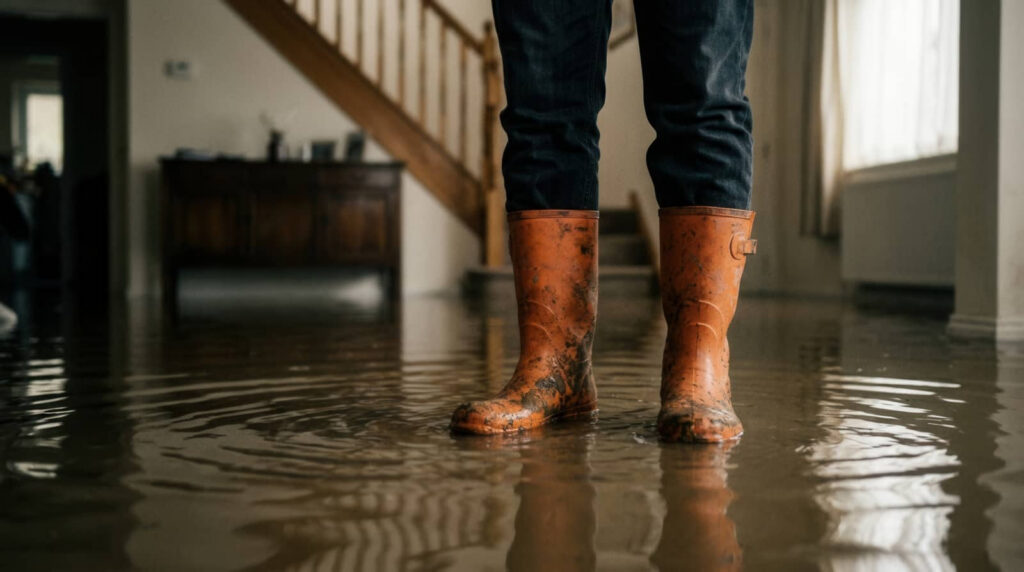
When floodwater surges through your property, you need to act fast. Water Removal should begin by shutting off power when it’s safe to do so, removing standing water with submersible pumps or a wet vac, and setting fans and dehumidifiers in place. You’ll also need to isolate saturated materials before mold has a chance to develop. The key isn’t just speed, it’s knowing what to remove, what to dry, and what could still be hiding behind the surface.
Key Takeaways
- Match the pumping method to water depth and debris: use submersible, trash pumps, or a wet vac for shallow water.
- Place the intake at the lowest point and move pumps as water recedes to reach remaining low spots.
- Cut power to affected circuits after pumping to prevent electrical hazards and further damage.
- Open the area, run fans and dehumidifiers, and remove wet materials to speed drying.
- Use moisture meters to find hidden moisture, then repair only after the structure is fully dry.
How to Remove Floodwater Fast
When floodwater rises, you need to remove it quickly to limit structural damage, mold growth, and contamination.
Start by sizing the job so you can match pumping techniques to the water depth, debris load, and access points. Use equipment options like submersible pumps for standing water, trash pumps for muddy water, and wet vacs for shallow residues.
Place the intake at the lowest point and keep discharge lines clear to maintain flow. If the room has multiple low spots, move the pump as water level drops.
Check power, hoses, and fittings before you start, because leaks slow you down. Work methodically, and keep your team coordinated so everyone stays safe and the space returns to dry conditions fast.
Stop More Damage After Flooding
Once the standing water is out, you need to stop secondary damage right away by cutting power to affected circuits, isolating wet materials, and opening the area for rapid drying.
Next, move clean, dry items to a safe zone and keep contaminated contents separate so your team stays organized and protected.
Use preventive measures like blocking foot traffic, lifting valuables off the floor, and checking for hidden leaks.
Keep emergency supplies ready: gloves, masks, trash bags, tape, absorbent pads, and flashlights.
Document damage with photos before moving anything else.
If you smell gas, see sparks, or notice sagging materials, leave and call help.
Acting fast helps your group limit losses, reduce hazards, and regain control of the space sooner.
Dry Walls, Floors, and Contents
Start drying walls, floors, and contents as soon as the area is safe and the bulk water is gone. You’ll move air with fans and dehumidifiers, then open doors, cabinets, and drawers so air can reach trapped surfaces.
Remove wet rugs, cushions, and lightweight furniture so they dry faster. Wipe hard surfaces and separate items that can be saved from those that can’t. Use professional equipment sized for the space, and check progress with moisture detection tools, not guesswork.
Track readings on drywall, subfloors, and contents until they match the normal range for your building. Keep the area organized, label items, and work as a team so everyone knows what’s drying, what’s moving, and what still needs attention.
Remove Hidden Moisture Before Mold
Even after visible surfaces feel dry, hidden moisture can remain in wall cavities, under flooring, in insulation, and inside cabinets. You need moisture detection tools to find these trapped pockets before they turn into mold.
Use a pin or pinless meter on drywall, baseboards, and framing, and compare readings in affected and unaffected areas. Check cool spots, swollen trim, and musty odors; they often signal moisture you can’t see.
If readings stay elevated, keep air movers, dehumidifiers, and ventilation running until levels match dry areas. Open access panels and remove cabinet backs when needed so air reaches enclosed spaces.
This step protects your home and supports mold prevention, so you and your household can move forward with confidence.
Repair Damage After Drying
After the structure is fully dry, you can begin repairing damaged materials and restoring the affected areas. Remove warped drywall, swollen trim, and compromised insulation, then inspect framing, subfloors, and sheathing for remaining damage.
Use restoration techniques that match the material: patch small wall areas, replace saturated panels, and seal minor cracks with approved compounds. Check electrical, HVAC, and plumbing components before you close walls.
Document every repair with photos, measurements, and invoices to support insurance claims. Keep your workspace organized, and wear proper PPE to protect your team and your home.
If you’re unsure about structural stability, bring in a licensed contractor or engineer. With careful planning, you’ll restore safe, clean spaces and move forward with confidence.
Frequently Asked Questions
How Soon Should Insurance Be Contacted After Flooding?
Contact your insurer immediately after flooding, ideally within 24 hours, so you protect insurance coverage and document the flooding timeline. You’ll fit the claims process better and speed approval for repairs and mitigation.
Can I Safely Use Electricity Before the Area Is Dry?
No—you shouldn’t use electricity until the area’s dry. Like a live wire in a storm, hidden electrical hazards can strike fast. Protect your crew, verify water safety, shut off power, and call a licensed electrician.
What Personal Protective Equipment Is Needed During Cleanup?
You’ll need protective gear: waterproof gloves, boots, eye protection, and an N95 or respirator if mold’s present. Add long sleeves, pants, and hard hat when needed. Follow safety protocols and replace damaged items immediately.
How Do I Document Damage for Insurance Claims?
You’ll photograph every damaged area, list affected items, save receipts, and note dates for each loss. During flood assessment, create clear claim documentation with measurements, serial numbers, and insurer-required forms to support your claim.
When Should a Professional Water Damage Company Be Called?
You should call a professional water damage company immediately; waiting for “DIY heroics” only worsens losses. They’ll handle water extraction, damage assessment, and drying fast, helping you protect your space and fit back in quickly.
Conclusion
When floodwater invades, you don’t have time to admire the indoor lake it leaves behind. You cut the power, pump out standing water, and pull moisture from walls, floors, and contents before mold gets invited. Then you keep fans and dehumidifiers running until hidden dampness is gone. Fast water removal doesn’t erase the damage, but it stops a bad day from becoming a long, expensive disaster you’ll keep noticing in every musty corner.