Key Takeaways
- Shut off power to the basement and water supply if safe before entering standing water.
- Assess water depth, spread, and contamination, then document damage with photos and notes.
- Use a submersible pump for deep water and a wet/dry vacuum for shallow pooling.
- Pump from the deepest area first, monitor equipment, and direct water toward drainage.
- Dry the basement with fans and dehumidifiers, then clean surfaces and inspect for hidden moisture.
Stop the Water and Stay Safe
First, shut off the water at the main valve if you can reach it safely, then cut power to the basement area at the breaker panel to reduce the risk of shock.
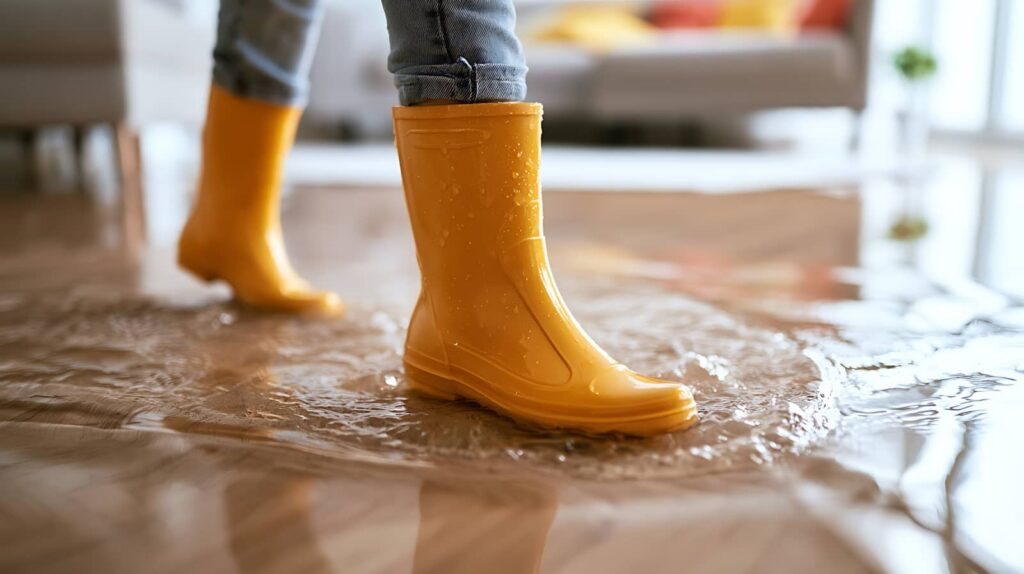
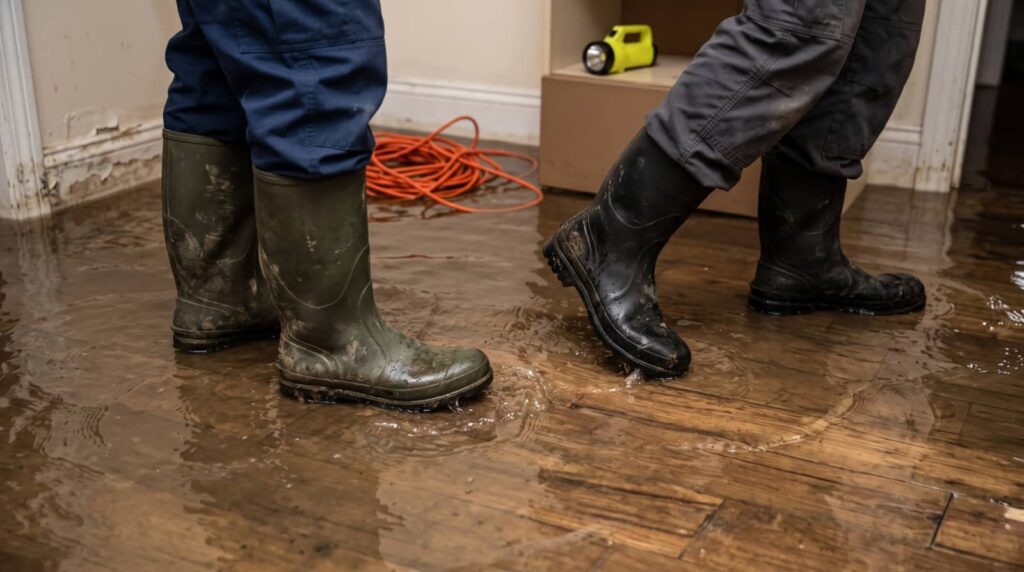
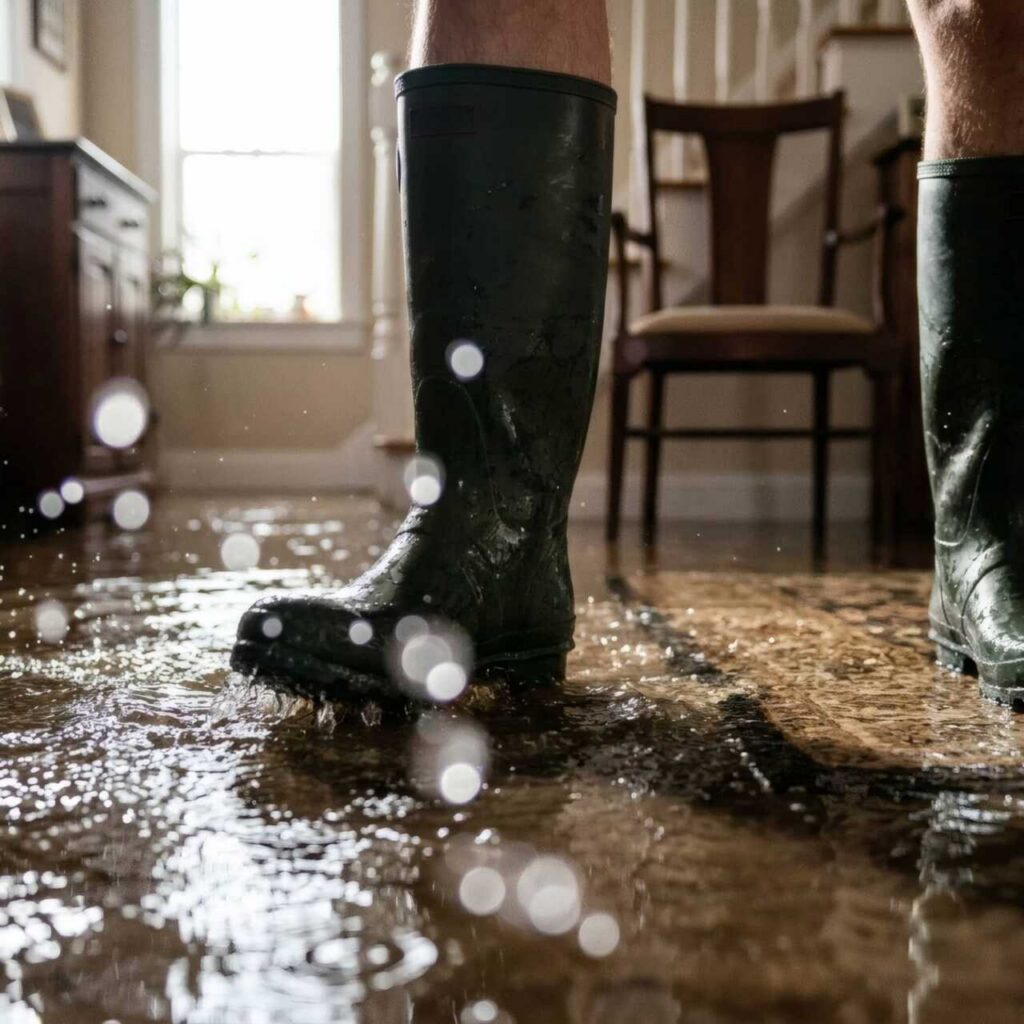
Once you’ve done that, keep everyone out of standing water and wear insulated boots and gloves.
If you smell gas, leave immediately and call your utility company from outside.
Move stored items only if you can do it without wading deeper or creating strain.
Open exterior doors if conditions let you, but don’t use fans or other electrical tools yet.
Good water safety starts with controlled access and calm decisions.
Your emergency preparedness plan should include knowing shutoff locations, keeping flashlights ready, and sharing roles with your household so you’re not handling this alone.
Assess the Damage Quickly
Once the area is safe, do a quick visual survey to gauge how far the water spread, how deep it is, and which materials got soaked.
Map the basement layout so you can mark affected zones, especially along walls, corners, seams, and low spots where water damage often hides.
Check flooring, drywall, insulation, stored items, and baseboards for swelling, staining, or sagging.
Note any musty odor, visible debris, or discoloration that signals contaminated water.
Take photos and brief notes now so you can track changes later and keep everyone on the same page.
Prioritize areas with the greatest saturation, since those spots can worsen fast.
A fast, organized assessment helps you act with confidence and feel connected to the recovery process.
Get the Right Water Removal Tools
With the damage mapped, gather the right gear before you start removing water. You’ll need water removal equipment that matches the job: a submersible pump for deep standing water, a wet/dry vacuum for lighter pools, and heavy-duty hoses sized for discharge.
Add essential tools like extension cords with GFCI protection, buckets, a squeegee, a mop, and a utility knife for trimming soaked materials. Wear waterproof boots, gloves, and eye protection so you can work safely and stay focused.
Check that every cord, fitting, and hose clamp is intact before you power anything on. Keep spare filters, trash bags, and a flashlight nearby.
When you’ve got the right kit, you move faster, protect your space, and work like part of a crew that knows the drill.
Remove Basement Water Step by Step
First, you need to assess the water source so you can stop the inflow before removal starts.
Then you can pump out the basement water with a submersible or utility pump, working from the deepest point first.
Keep monitoring the area as you drain it to avoid damaging the floor or overloading the pump.
Assess Water Source
Where’s the water coming from? Start with a quick damage assessment and trace the water sources before you touch a pump.
Check wall cracks, floor seams, window wells, sump edges, leaking pipes, and any muddy or rust-stained entry points. Note whether the water is clear, cloudy, or carrying debris; that tells you if rain, groundwater, or a plumbing leak likely caused it.
If the level changes after rain, you’ve probably got surface runoff. If it appears suddenly, inspect supply lines and fixtures upstairs.
Mark the highest wet line on walls and stored items so you can compare shifts later. You’re not guessing here—you’re building a simple map of the problem.
That helps your crew stay focused, reduce rework, and keep the next cleanup step efficient and safe.
Pump Out Water
Set the pump at the lowest point in the basement and start removing water in controlled stages. Use sump pumps that match the flood depth and keep the discharge hose outside and downhill from the foundation.
Watch the waterline, then pause if the floor starts lifting or cracking. If you’ve got drainage systems, route flow toward them to reduce standing water.
Check water barriers at doors, wall joints, and utility penetrations, and seal obvious gaps as you work. Keep electricity off in wet zones, and wear boots and gloves.
Empty the basin before restarting the pump. After the bulk water is gone, switch to moisture control with fans and a dehumidifier.
You’re not doing this alone; steady steps protect your space and help your crew stay aligned.
Dry Out Walls, Floors, and Air
Open windows, run fans, and bring in a dehumidifier to pull moisture out of the basement as quickly as possible.
Position air movers to sweep across walls, floors, and corners, not straight into one spot. Keep doors open so air can circulate, and check that vents aren’t blocked. Your moisture control depends on steady ventilation strategies, so keep equipment running continuously until surfaces feel dry and indoor humidity drops.
Wipe standing water from baseboards, steps, and slab edges with clean towels, then replace them when they saturate. Lift rugs, cardboard, and other absorbent items so air can reach trapped dampness.
If you share the space with family, keep traffic light and monitor progress with a hygrometer. Drying fast helps you recover the basement cleanly and confidently.
Prevent Mold After Water Removal
Once the basement is dry, remove mold risks by cleaning every damp surface with a detergent solution or an EPA-registered fungicide, especially around baseboards, wall edges, and hidden corners.
You should scrub porous debris, then discard materials that stay contaminated. Run fans and a dehumidifier to keep relative humidity below 60%, because stable dryness supports your space and reduces spore growth.
Check condensate lines, window wells, and plumbing for lingering moisture. Use mold prevention techniques like sealing minor cracks, elevating stored items, and spacing boxes off the floor for airflow.
Add humidity control strategies such as a hygrometer, timed ventilation, and regular filter changes.
Reinspect weekly for musty odors, staining, or soft spots, so you and your basement stay protected together.
Know When to Call a Pro
If water has soaked into finished walls, insulation, electrical systems, or HVAC components, call a water damage professional right away.
In emergency situations, you need professional services that can assess hidden moisture, stop secondary damage, and document losses for insurance claims. Restoration experts also check local regulations before they begin demolition or drying.
- Call immediately if standing water returns after pumping, or if odors, stains, or swelling spread.
- Hire help when cost considerations favor faster mitigation over repeated DIY attempts.
- Ask for preventative measures like moisture mapping, antimicrobial treatment, and drying logs.
You’ll save time, reduce risk, and stay aligned with your crew.
When the job exceeds basic extraction, trust trained pros to finish it safely.
Frequently Asked Questions
How Can I Tell if Basement Water Is Sewage-Contaminated?
You can tell by sewage identification: it’ll smell foul, look dark or cloudy, and may contain toilet waste or grease. Watch for contamination signs like bubbles, streaks, or sudden illness after contact.
What Insurance Documents Should I Gather After Basement Flooding?
Gather your flood insurance policy, photos, videos, repair estimates, receipts, and any adjuster correspondence; slick water meets stiff paperwork. You’ll streamline the claims process by organizing dates, losses, and contact details before filing.
How Do I Protect Stored Belongings During Water Extraction?
Raise belongings on shelves or pallets, wrap them in plastic, and move them to dry storage solutions. You’ll protect belongings protection by sealing boxes, labeling contents, and keeping valuables away from extraction equipment and standing water.
Can I Safely Use a Generator Near a Flooded Basement?
No, you shouldn’t. You’d risk electric shock and carbon monoxide. Some think distance alone ensures generator safety, but flood preparedness means you’ll keep the generator outdoors, dry, elevated, and professionally grounded before powering anything.
What Temperature Should I Keep the Basement During Drying?
Keep your basement around 70–75°F while drying. You’ll support drying equipment efficiency and control basement humidity without overtaxing materials. If it’s colder, drying slows; if it’s warmer, moisture can re-evaporate.
Review
You’ve stopped the source, removed the water, and started drying the space—but don’t relax yet. Moisture can linger behind walls, under flooring, and inside insulation, where mold can spread fast. Keep checking hidden areas, run dehumidifiers, and watch for odors, stains, or soft materials. If water keeps returning, damage looks deep, or contamination is possible, call a pro. One missed pocket of moisture can turn a cleanup into a bigger problem.