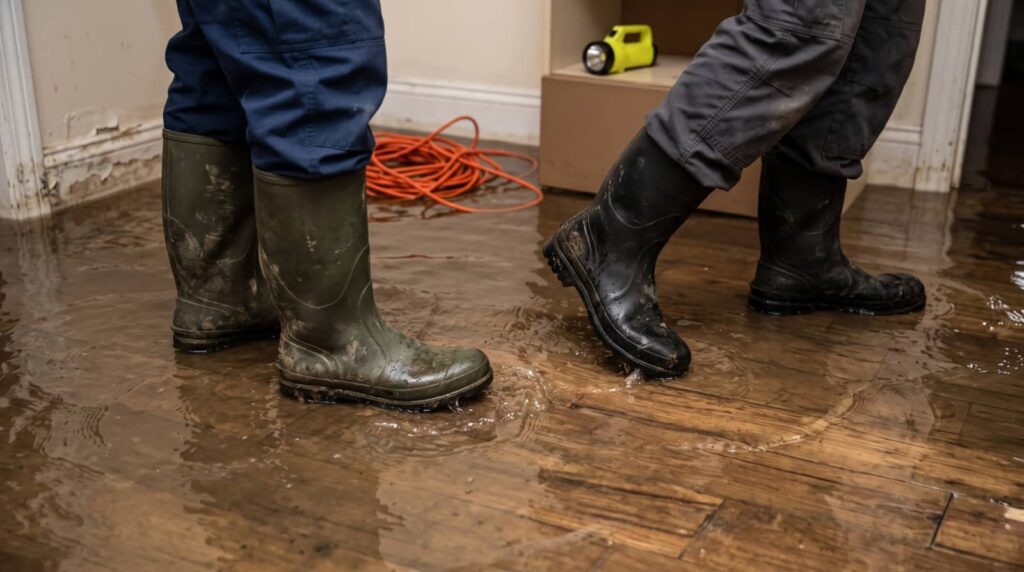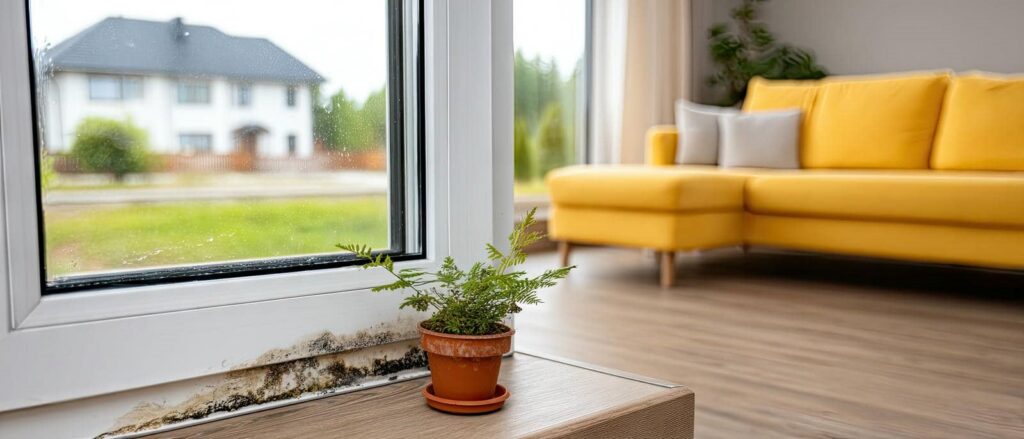
When dealing with water damage, understanding mold solutions is essential for effective restoration. You need to start by identifying moisture sources that promote mold growth. Next, employing professional techniques for remediation ensures safe removal. Finally, implementing preventive strategies will keep your space mold-free long-term. Each step plays an important role in maintaining a healthy environment, but the nuances of these methods can greatly impact your success. What are the best practices for each phase?
Key Takeaways
- Conduct a thorough mold inspection to identify affected areas and moisture sources, guiding effective remediation strategies.
- Employ containment strategies during cleanup to prevent mold spores from spreading throughout the property.
- Utilize HEPA filters in air scrubbing processes to effectively capture airborne mold particles and improve indoor air quality.
- Apply antimicrobial treatments after mold removal to inhibit future growth and ensure long-term effectiveness.
- Implement regular monitoring and maintenance to promptly address any signs of moisture or mold recurrence.
How to Identify Moisture Sources That Cause Mold?
How can you pinpoint the moisture sources that lead to mold growth? Start with thorough moisture detection techniques, like using hygrometers and infrared cameras, which help you find hidden damp areas.
Conduct regular leak inspections around plumbing, roofs, and windows, as these are common culprits. Pay attention to water stains, peeling paint, or musty odors; they’re often indicators of moisture issues.
Check crawl spaces and basements, where humidity can accumulate unnoticed. Remember, mold thrives in environments with over 60% humidity, so monitoring indoor levels is essential.
Professional Techniques for Effective Mold Remediation
While mold removal might seem straightforward, effective remediation requires specialized techniques to ensure lasting results.
Start with a thorough mold inspection to identify affected areas and moisture sources. This step is essential; it informs your choice of remediation methods, making certain you tackle the problem at its root.
Use containment strategies, like sealing off affected spaces, to prevent spores from spreading during the cleanup. Employ HEPA filters during air scrubbing to capture airborne particles effectively.
After physical removal, apply antimicrobial treatments to inhibit future growth. Finally, monitor the area post-remediation to confirm the effectiveness of your methods.
Using these professional techniques addresses the current issue and fosters a healthier environment for you and your community.
Proven Strategies to Prevent Future Mold Growth
To effectively prevent future mold growth, it’s important to control moisture levels in your environment.
Start with regular preventive maintenance—check for leaks and fix any plumbing issues promptly.
Utilize dehumidifiers in areas prone to excess moisture, like basements or bathrooms.
Ensure proper air circulation by using fans and keeping vents unobstructed; this helps lower humidity and keeps surfaces dry.
Invest in exhaust fans for kitchens and bathrooms to expel moisture efficiently.
Additionally, consider using mold-resistant paint and materials during renovations.
Finally, regularly inspect your home for signs of mold, addressing any issues immediately to maintain a healthy living space.
Frequently Asked Questions
How Long Does Mold Remediation Typically Take?
Mold remediation typically takes one to five days, depending on the extent of mold growth and the remediation process. Factors like affected area size and moisture levels greatly influence the time required for effective remediation.
Can I Remove Mold Myself Safely?
You can remove mold yourself safely, but you must follow DIY mold guidelines. Wear protective gear, ensure proper ventilation, and use effective cleaning solutions. Always prioritize safety precautions to minimize health risks during the process.
What Health Risks Are Associated With Mold Exposure?
Mold exposure can cause various health risks, including respiratory issues like asthma and allergic reactions. You might experience mold symptoms such as coughing, sneezing, and fatigue, which can considerably affect your overall well-being and quality of life.
How Can I Tell if Mold Is Hidden?
You can spot hidden mold indicators by checking for water stains, musty odors, or condensation. Use mold detection techniques like moisture meters or infrared cameras to uncover concealed growth in walls, ceilings, and hidden spaces.
Will Homeowners Insurance Cover Mold Damage?
Imagine finding a hidden leak, just like discovering mold in your home. Many insurance policies offer mold coverage, but it varies. Check your policy details to see if you’re protected against mold damage.
Wrap-Up
By prioritizing thorough mold inspection and remediation, you’re not just addressing current issues; you’re fortifying your space like a fortress against future threats. Effective moisture control and ongoing maintenance are essential to keeping mold at bay. Remember, a proactive approach ensures that your environment remains safe and healthy. Embrace these strategies, and you’ll protect your investment while promoting well-being for all who inhabit the space. Don’t wait—take action to safeguard your home today.