Understanding commercial water damage coverage is vital for protecting your business from unexpected financial losses. Water-related incidents can arise from various sources, and knowing the nuances of your policy can make all the difference. You’ll need to contemplate essential features like flood versus leak coverage, as well as potential exclusions. Without this knowledge, you might face gaps in your protection that could prove costly. What specific aspects should you focus on to ensure thorough coverage?
Key Takeaways
Understand Coverage Types: Differentiate between coverage for flood damage and internal water leaks to ensure adequate protection for your business.
Regular Maintenance: Conduct routine plumbing inspections and maintenance to prevent leaks and water damage before they escalate into costly repairs.
Documentation Essentials: Keep detailed records, including photos and repair estimates, to streamline the insurance claim process after water damage occurs.
Early Detection Systems: Install water sensors in high-risk areas to identify leaks early and mitigate potential damage to your property.
Policy Comparison: Engage in thorough comparisons of insurance policies to find robust coverage with minimal exclusions for comprehensive water damage protection.
What Is Commercial Water Damage Coverage?
When it comes to protecting your business, understanding what commercial water damage coverage entails is vital. This coverage safeguards against losses from water-related incidents, such as leaks or flooding. You’ll want to conduct thorough water damage assessments to identify potential risks and ensure your policy aligns with your needs.
Commercial water damage coverage typically covers repair costs, loss of income, and related expenses, but specifics can vary widely. As a result, engaging in insurance policy comparisons is critical.
Look for policies that offer robust coverage without excessive exclusions. By grasping these details, you can better protect your investment and maintain stability within your business community.
Ultimately, informed decisions lead to stronger resilience against unforeseen water damage challenges.
Common Causes of Commercial Water Damage
Understanding the common causes of commercial water damage is essential for effective risk management.
Plumbing system failures can lead to significant leaks and flooding, while severe weather events often overwhelm drainage systems.
Plumbing System Failures
While plumbing system failures can occur unexpectedly, their impact on commercial properties is often profound and costly. Issues like burst pipes, leaks, or faulty fixtures can lead to extensive water damage, disrupting your operations and harming your bottom line.
Regular plumbing maintenance is essential; neglecting routine checks can escalate minor issues into major disasters. Ensure proper pipe insulation, especially in colder climates, to prevent freezing and bursting.
Additionally, consider investing in an early detection system to identify leaks before they become overwhelming. By prioritizing these preventative measures, you protect your property and foster a sense of security and belonging within your business community, knowing you’ve taken steps to safeguard your investment.
Severe Weather Events
Understanding the storm impact on your business is essential. To mitigate risks, you need effective flood preparedness strategies in place. This includes creating an emergency response plan, investing in proper drainage systems, and regularly inspecting your property for vulnerabilities.
By proactively addressing these factors, you protect your assets and foster a sense of community among your employees and clients.
Essential Coverage Features in Water Damage Insurance
Understanding the essential coverage features in water damage insurance is vital for protecting your business.
You’ll want to examine the types of water damage covered, as well as any exclusions that could impact your claim.
These details can greatly affect your financial recovery in the event of a loss.
Types Of Water Damage
How can you ensure your business is protected against various types of water damage? Understanding the distinctions is vital.
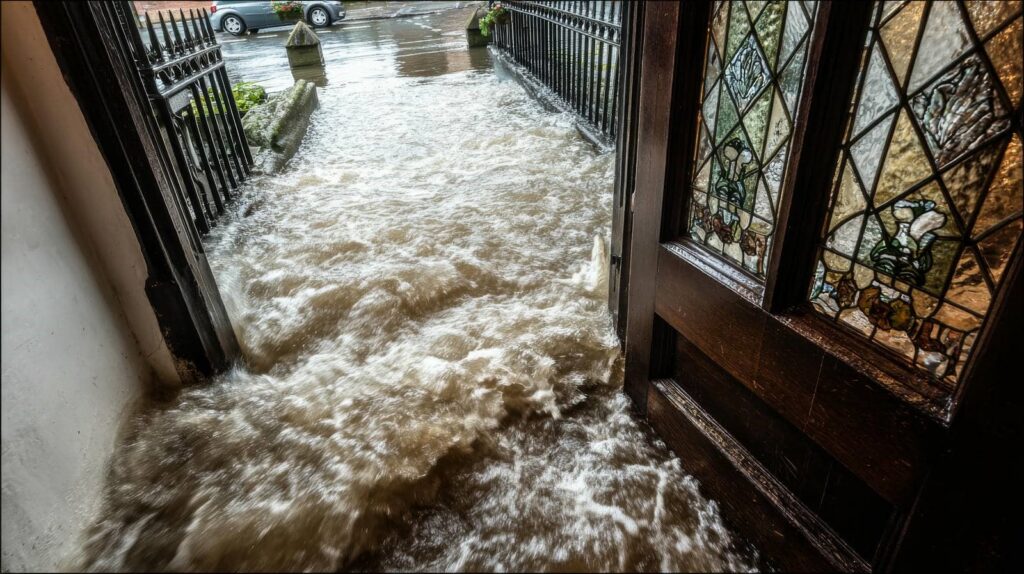
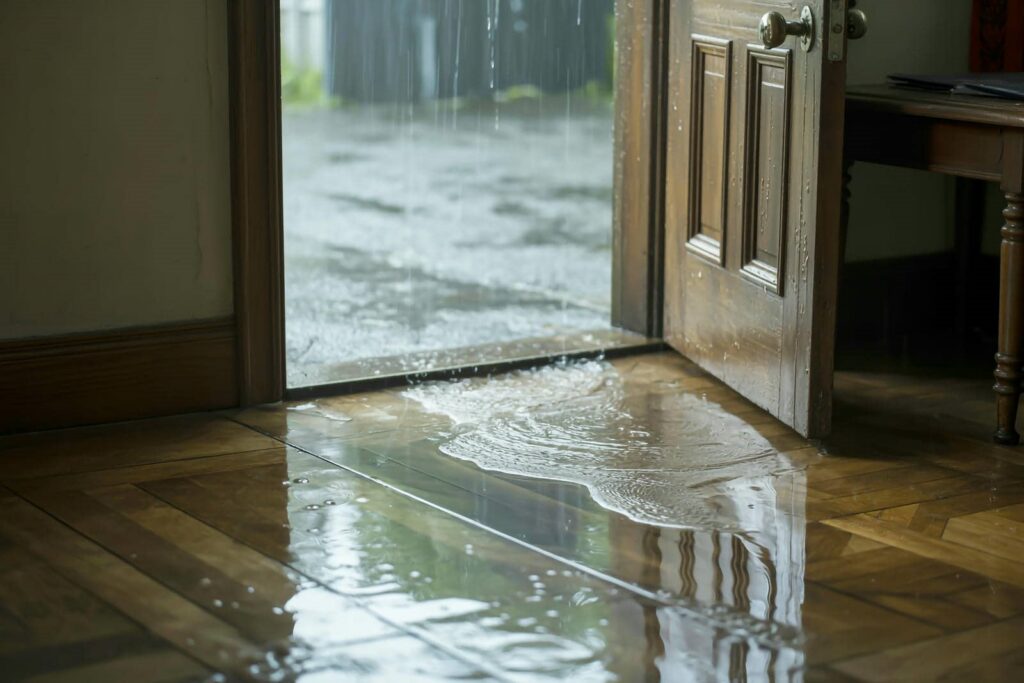
Flood damage typically arises from external water sources, like heavy rains or burst rivers, while water leaks often stem from internal issues, such as faulty plumbing or roof problems. Each type requires different coverage strategies.
Flood damage can lead to extensive structural issues and mold growth, demanding broader insurance policies. Conversely, water leaks, though sometimes less catastrophic, can accumulate over time, resulting in significant repair costs if not addressed promptly.
Exclusions To Consider
While you may think your water damage insurance covers all potential issues, several exclusions can leave your business vulnerable. One significant area to evaluate is flood exclusions.
Standard policies often don’t cover damages caused by flooding, requiring separate flood insurance for protection. Without this coverage, you risk facing substantial repair costs that could cripple your operations.
Additionally, mold coverage is another critical exclusion. Many policies limit or entirely exclude mold damage, often citing it as a maintenance issue rather than a sudden event.
This can lead to costly surprises if mold develops following a water incident. To safeguard your business, review your policy closely and assess adding necessary endorsements to address these exclusions effectively.
How to File a Water Damage Insurance Claim?
Filing a water damage insurance claim involves several essential steps that can greatly impact your recovery process.
First, you should notify your insurance provider immediately to initiate the claim process.
Document the damage thoroughly by taking high-quality photos and making a detailed list of affected items.
Confirm you meet all documentation requirements, including repair estimates and any relevant invoices. This will support your claim and provide a clear picture of the loss.
Keep communication lines open with your insurer, asking questions if anything is unclear.
Finally, follow up regularly to ensure your claim progresses smoothly.
Tips for Preventing Commercial Water Damage
Preventing commercial water damage is essential for safeguarding your business and minimizing costly repairs. Start by installing water sensors in vulnerable areas, like basements and near appliances, to detect leaks early.
Regularly inspect plumbing systems and fix any signs of wear, as even small leaks can escalate. Implement effective drainage solutions around your property to ensure water flows away from your building, especially during heavy rainfall.
Keep gutters and downspouts clean and functional to prevent overflow. Additionally, consider waterproofing your foundation and utilizing sump pumps in high-risk areas.
What to Do Immediately After Water Damage Occurs?
Act quickly to mitigate the effects of water damage as soon as it occurs. Your immediate actions are essential for minimizing loss and protecting your property.
First, ensure everyone’s safety; evacuate the area if necessary. Next, turn off the electricity to prevent electrocution risks.
Document the damage with photos for your insurance claim—this serves as crucial evidence. Then, contact your emergency response team to assess the situation and start the cleanup.
If safe, remove standing water using a wet/dry vacuum and open windows to promote airflow.
Finally, inform your insurance provider about the incident promptly.
Restoration Steps After Water Damage
After addressing immediate safety concerns and beginning the cleanup, the next phase involves systematic restoration steps to bring your property back to its pre-damage condition.
Start by evaluating the extent of the damage—document everything for insurance purposes. Next, initiate emergency response measures, including water extraction and drying. It’s vital to monitor humidity levels to prevent mold growth.
Once drying is complete, focus on mold remediation; this may require specialized equipment and techniques to ensure thorough removal.
Repair and replace damaged materials, such as drywall or flooring, as needed. Finally, disinfect affected areas to eliminate contaminants and restore air quality.
Following these steps diligently promotes safety and fosters a sense of belonging in your restored environment.
Frequently Asked Questions
Does Commercial Water Damage Insurance Cover Flood Damage?
Commercial water damage insurance typically doesn’t cover flood damage unless you’ve specifically purchased flood insurance. You should review your policy limits and conduct flood zone assessments to ensure adequate coverage for your property’s risks.
How Can I Lower My Water Damage Insurance Premiums?
To lower your water damage insurance premiums, focus on water damage prevention measures like installing sump pumps. Also, consider increasing your insurance deductibles; it can greatly reduce your premiums while fostering a sense of community responsibility.
Are There Exclusions in Water Damage Policies?
Yes, water damage policies often have exclusions. You should review your coverage specifics to understand policy limitations, such as flood damage or maintenance issues, which might not be covered. Knowing these helps you prepare better.
Can I Get Coverage for Gradual Water Damage?
You typically can’t get coverage for gradual water damage. Focus on water damage prevention to avoid issues. If you face claims, ensure you understand the insurance claim process to navigate your coverage effectively.
How Often Should I Review My Water Damage Coverage?
You should review your water damage coverage annually, especially after policy updates or significant changes in your business. Regular coverage frequency checks ensure you’re protected against evolving risks and meet your specific needs effectively.
Recap
Understanding commercial water damage coverage is essential for your business’s protection. Water damage can lead to expensive repairs, business interruptions, and lost revenue. Having comprehensive insurance coverage in place can help protect your business from the financial impact of unexpected disasters and support a smoother recovery process. By regularly reviewing your policy and ensuring you have the right coverage, you minimize your risk and strengthen your business’s resilience in the face of unforeseen water-related incidents.