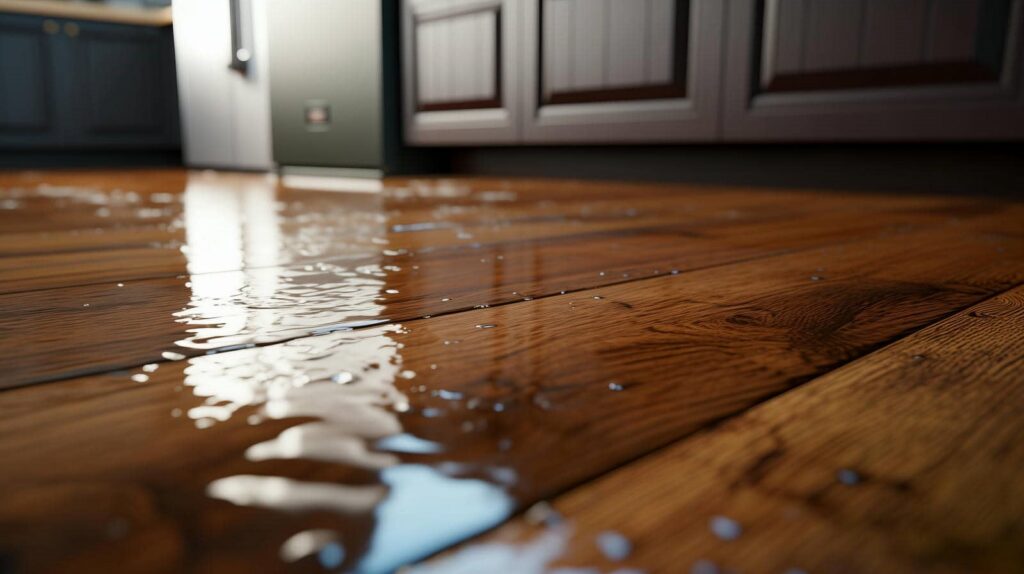
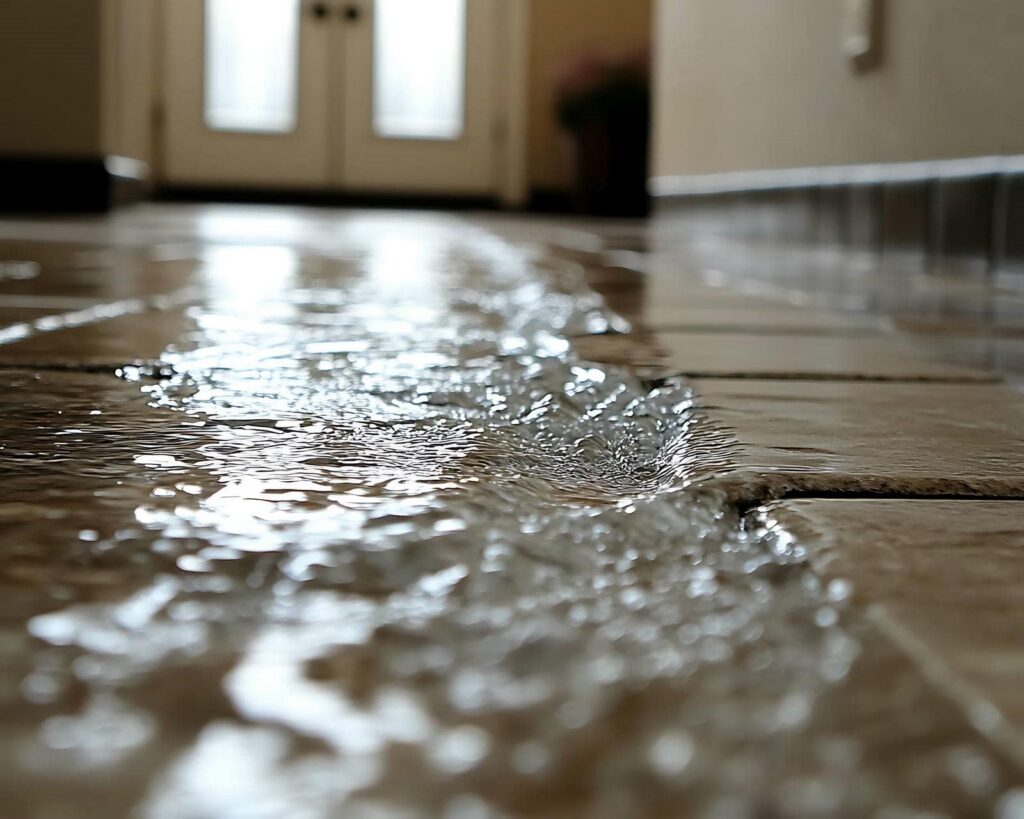
Imagine walking into your home and finding water pooling on the floor, a stark reminder of the damage that can occur unexpectedly. When faced with such a situation, knowing the right steps to take for water damage claims is essential. From evaluating the damage to filing your claim, each action plays a significant role in the outcome. Understanding the process can make a substantial difference in how effectively you navigate this challenging experience.
Key Takeaways
- Identify and document the source and extent of water damage with photos and detailed notes.
- Review your insurance policy to understand coverage and exclusions related to water damage.
- File a claim promptly, providing all necessary documentation, including photos and receipts.
- Hire water damage restoration professionals and obtain their evaluation to support your claim.
- Maintain organized records of all communications and follow up regularly with your insurance company.
Assess the Water Damage
Before you file a water damage claim, it’s vital to assess the extent of the damage thoroughly. Start by identifying the water source, whether it’s a burst pipe, a leaking roof, or flooding. Understanding where the water came from helps in determining the potential severity of the damage.
Next, conduct a detailed damage assessment. Look for visible signs of water intrusion, such as stains, mold growth, or warped flooring. Check all affected areas, including walls, ceilings, and personal belongings. Document the extent of the damage by taking photos and noting specific details, as this information will be essential when you file your claim.
Document the Damage
As you document the damage, it’s essential to be thorough and organized, ensuring that every detail is captured for your insurance claim.
Begin with a detailed water assessment, noting the source and extent of the damage. Take clear photographs of affected areas, both wide shots and close-ups, to illustrate the severity. Include timestamps to establish when the damage occurred.
Next, create a specific list of damaged items and their estimated values, which aids in the damage evaluation process. Don’t overlook structural issues; record any signs of mold or compromised integrity. Consider using a notebook or digital app to keep everything in one place.
If you’ve hired professionals for mitigation, obtain copies of their reports and invoices, as this documentation can support your claim.
Review Your Insurance Policy
Understanding your insurance policy is essential to steering water damage claims effectively. Take the time to carefully review your policy coverage, identifying what specific damages are included.
Policies often vary, so knowing what’s covered can make a big difference in your claim process. Look for sections that outline claim exclusions, as these can limit your compensation. For example, some policies might exclude damage from certain sources, like flooding, or have specific requirements for filing a claim.
By understanding these details, you can better prepare your documentation and approach your claim with confidence. If you find any ambiguities in your policy, consider seeking clarification from your insurer or a knowledgeable professional.
This proactive approach empowers you and fosters a sense of community among those steering similar challenges. Taking these steps ensures you’re well-equipped to advocate for the coverage you deserve.
Contact Your Insurance Company
After you’ve reviewed your insurance policy and identified what’s covered, it’s time to reach out to your insurance company.
When you contact them, be prepared to discuss the specifics of your situation, including the source of the water damage and any immediate actions you’ve taken. This initial conversation is essential as it sets the tone for your claim process.
Make sure to ask about your insurance coverage related to water damage, as this will clarify what you can expect regarding support and compensation.
Document the date, time, and details of your conversation for future reference.
Your insurance company may assign an adjuster to assess the damage, so be ready to collaborate.
This proactive communication builds a rapport and can expedite your claim process, ensuring you receive the assistance you need during this challenging time.
File a Claim
Once you’ve contacted your insurance company, it’s time to file your claim.
Start by gathering necessary documentation, including photos and receipts related to the water damage.
Then, reach out to your insurance agent and submit your claim promptly to ensure a smoother process.
Gather Necessary Documentation
Gathering necessary documentation is an essential step in filing a water damage claim. Start by collecting photographs of the damage, as visual evidence considerably supports your case.
Keep records of any repairs, including receipts and invoices, to demonstrate the costs incurred. Check your insurance requirements carefully; they often specify what documentation is needed.
Additionally, note the claim timelines outlined by your insurance provider, as submitting your paperwork promptly can expedite the process. Compile any relevant correspondence with contractors or adjusters, and make sure you have a copy of your policy on hand.
Contact Your Insurance Agent
Contacting your insurance agent is an essential step in filing your water damage claim. They’re your primary resource for understanding your insurance coverage and the specifics of the claim process.
When you reach out, be prepared to discuss the details of the damage, including when it occurred and the extent of the loss. Your agent can provide guidance on what documentation you’ll need and help clarify your policy’s terms.
They’ll also inform you about any deductibles or coverage limits that may apply. By being proactive, you ensure your claim gets the attention it needs, setting the stage for a smoother resolution.
Establishing open communication with your agent fosters a sense of support during this challenging time.
Submit Claim Promptly
Submitting your claim promptly is essential, as delays can complicate the process and potentially impact your compensation.
Timeliness in filing your claim adheres to the claim timeline set by your insurer and helps you avoid unnecessary headaches later on.
- Gather all relevant documentation.
- Provide a detailed account of the damages.
- Include photographs to support your claim.
- Be transparent about any prior claims or damages.
- Follow up regularly to monitor the claim process.
Provide Necessary Documentation
As you prepare to file your water damage claim, it’s vital to compile the necessary documentation that supports your case. Start by gathering all relevant insurance documentation, including your policy details and any correspondence with your insurer. This paperwork is essential for maneuvering the claim process effectively.
Next, document the damage thoroughly. Take clear photographs of affected areas, capturing the extent of the water damage and any personal belongings impacted. Create a detailed inventory of damaged items, noting their value and condition before the incident.
Don’t forget to keep records of any expenses incurred due to the damage, such as temporary housing or repairs. These documents will strengthen your claim and help ensure you receive the compensation you deserve.
Arrange for Water Damage Restoration
Once you’ve assessed the damage, it’s essential to contact water damage restoration professionals without delay.
Their expertise will expedite the recovery process and help prevent further issues, such as mold growth.
As the restoration unfolds, make sure to document each step to support your insurance claim effectively.
Assess the Damage
When you discover water damage in your property, the first essential step is to thoroughly assess the extent of the damage before arranging for restoration.
Understanding the water source is vital for effective damage prevention and future mitigation. Here’s how to assess the situation:
- Identify the water source and stop it if possible.
- Check for visible signs of water damage, such as stains or mold.
- Evaluate affected areas, including walls, flooring, and ceilings.
- Document damage with photographs and notes for your claims process.
- Assess the potential for structural damage or electrical hazards.
Contact Professionals Quickly
To minimize further damage and restore your property effectively, contacting water damage restoration professionals immediately is essential.
These experts provide an emergency response that helps prevent mold growth and structural issues. When you call, they’ll conduct a thorough professional evaluation of the damage, allowing you to understand the extent of the problem and the necessary steps for restoration.
This swift action safeguards your home and supports your water damage claim process. By relying on their expertise, you’re ensuring that your property is in capable hands, fostering a sense of community and belonging as you navigate this challenging situation.
Don’t wait—reach out to restoration professionals to begin the recovery journey.
Document Restoration Process
After contacting water damage restoration professionals, the next critical step involves documenting the restoration process meticulously.
This documentation is essential for your insurance claim and ensures you have a clear record of the actions taken.
Here are key aspects to capture:
- Photos of damage before and after restoration
- Detailed notes on restoration techniques used, including water extraction methods
- Invoices and receipts from restoration services
- Timeline of the restoration process
- Correspondence with your insurance company
Follow Up on Your Claim
How can you ensure your water damage claim is progressing smoothly? First, regularly check the claim status with your insurance company. This proactive approach keeps you informed and shows your commitment to the process.
Don’t hesitate to reach out and ask for updates; a simple phone call or email can reveal where your claim stands.
When you communicate, use clear and concise language. Be specific about your concerns or questions, which helps prevent misunderstandings.
Remember, building a rapport with your claims adjuster can facilitate smoother interactions.
Also, inquire about any missing documentation or additional information needed, as this can expedite the process.
By staying engaged and utilizing effective communication tips, you’ll help ensure your claim progresses without unnecessary delays.
Staying on top of your claim demonstrates your dedication and fosters a sense of belonging to the claims process.
Keep Records of All Correspondence
Keeping records of all correspondence related to your water damage claim is essential for a smooth claims process. Effective record keeping helps you stay organized and strengthens your position should disputes arise.
By maintaining detailed communication logs, you can ensure that every conversation and document is accounted for.
Consider tracking the following:
- Dates and times of all communications
- Names and positions of individuals you spoke with
- Key points discussed during each conversation
- Copies of emails, letters, and forms submitted
- Follow-up actions or deadlines agreed upon
Frequently Asked Questions
How Long Do I Have to File a Water Damage Claim?
You typically have a limited timeframe to file your claim, usually between 1 and 3 years, depending on your policy. Understanding your claim deadlines is essential for steering the filing process effectively and successfully.
Will My Insurance Premium Increase After Filing a Water Damage Claim?
Yes, your insurance premium might increase after filing a water damage claim. Insurers often adjust premiums based on the claims process, evaluating risk factors to determine potential adjustments for future coverage costs.
Can I Handle Water Damage Restoration Myself?
You can tackle DIY restoration for water damage, but it’s essential to assess the extent first. If it’s minor, you might manage it; however, significant damage often requires professional help to ensure safety and effectiveness.
What if My Claim Is Denied? What Are My Options?
If your claim’s denied, review the denial reasons, then initiate the appeal process. Gather supporting evidence and documentation to strengthen your case, and don’t hesitate to seek professional help to navigate the complexities involved.
Are Temporary Repairs Covered Under My Insurance Policy?
Think of your insurance policy like a safety net. Temporary repairs often are covered, but it’s essential to check your specific policy details. Always document your actions to ensure you’re fully prepared during the claims process.
Review
In maneuvering the complexities of water damage claims, you’re not just reacting to a mishap; you’re actively protecting your interests. Many believe that all insurance claims are straightforward, but the reality often involves meticulous attention to detail and persistence. By following these steps, you bolster your chances of a successful claim and gain invaluable insight into managing future incidents. Remember, knowledge is power, and being prepared can make all the difference when facing unexpected water damage.