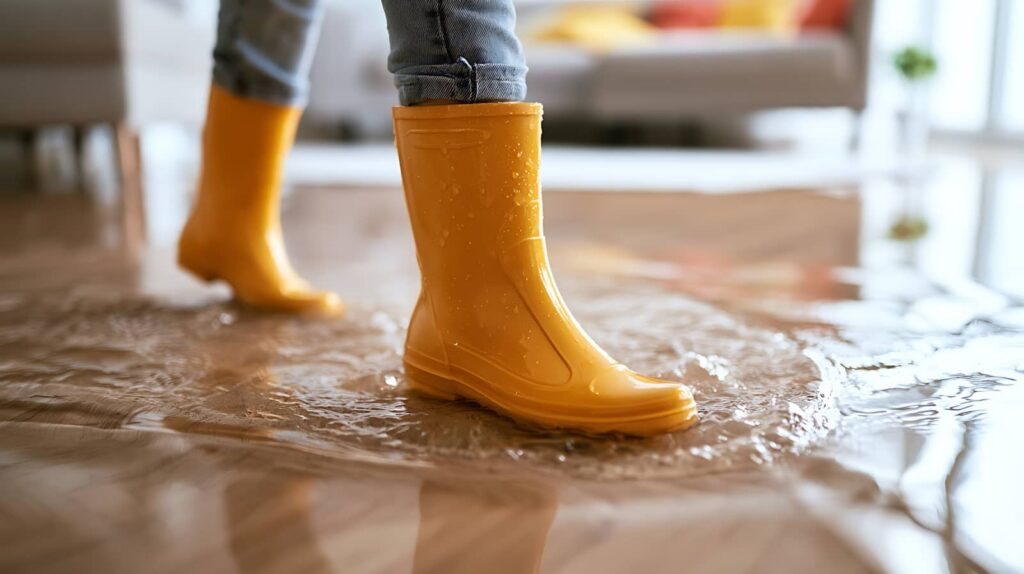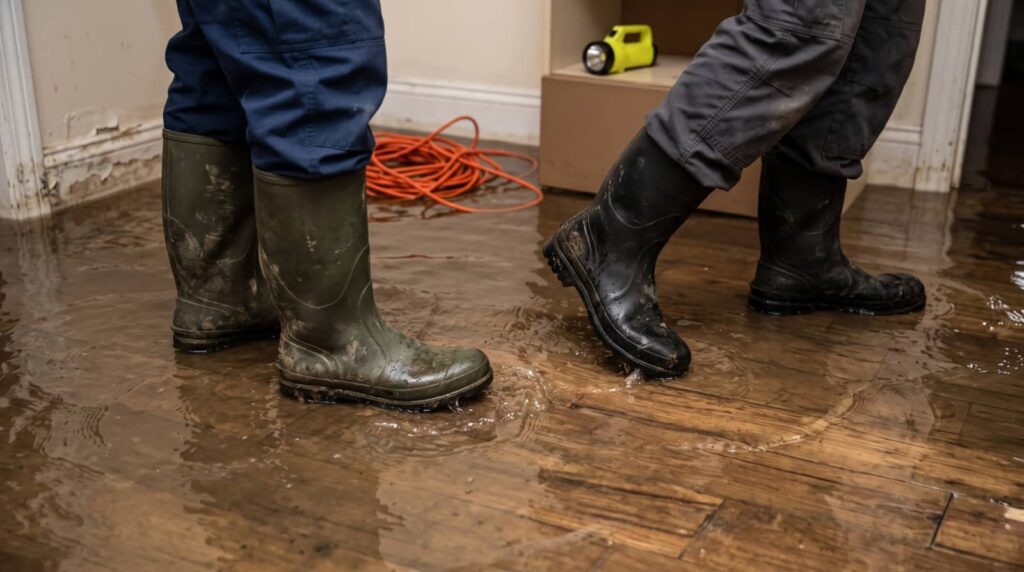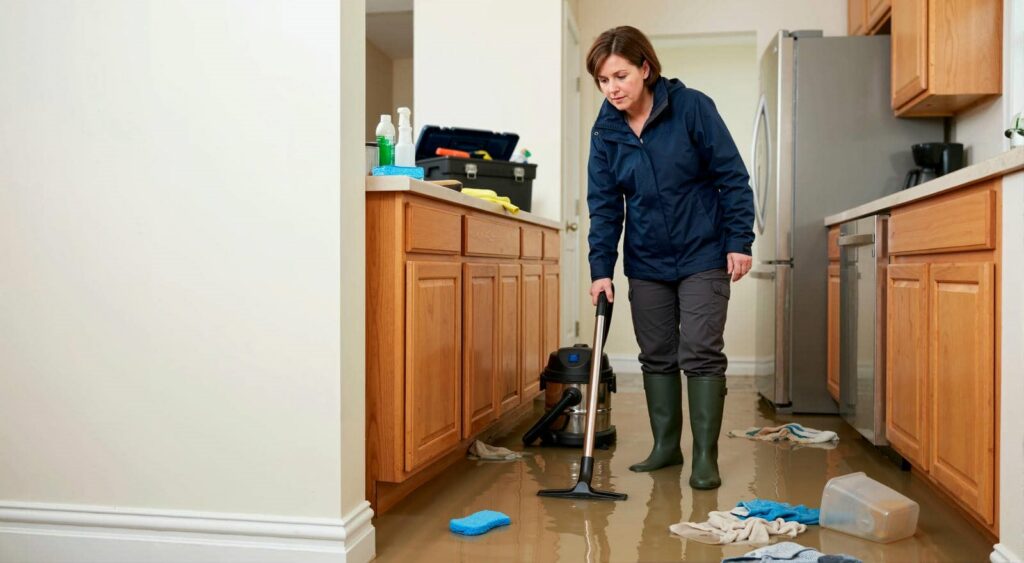
Imagine you return home after a long day to find your basement flooded due to a burst pipe. You might feel overwhelmed, but knowing that 24-hour water extraction services are available can make a significant difference. Quick action is essential to prevent mold growth and further damage. Understanding the importance of these solutions and how to choose the right company can help you safeguard your home and peace of mind in such emergencies.
Key Takeaways
- Urgent 24-hour water extraction services prevent further home damage and mitigate risks like mold growth and structural issues.
- Signs of water damage include unexplained accumulation, damp spots, and musty odors—address them immediately.
- Professional assessment identifies damage extent, moisture levels, and develops tailored extraction strategies for effective solutions.
- Choose a reputable company with certified technicians and strong customer support for reliable service.
- Cost factors include damage extent, emergency service premiums, and the complexity of extraction; request detailed estimates for transparency.
Importance of 24-Hour Water Extraction Services
When a water emergency strikes, you may not realize how essential 24-hour water extraction services can be. An urgent response is imperative to prevent further damage to your home.
Water can seep into walls, floors, and foundations, leading to mold growth and structural issues if not addressed quickly. As a homeowner, your awareness of these risks is significant. Knowing that help is just a call away gives you peace of mind during chaotic times.
Professional services remove excess water and assess the situation, ensuring that all affected areas are treated properly. By acting swiftly, you protect your investment and create a safer environment for your family, reinforcing the sense of belonging in your home.
Signs You Need Immediate Water Extraction
If you notice unexplained water accumulation in your home, it’s essential to act quickly.
This excess moisture can lead to mold growth, posing health risks and structural damage.
Recognizing these signs early can save you time, money, and stress.
Unexplained Water Accumulation
Have you noticed unexplained water accumulation in your home? This could signal underlying issues that need immediate attention.
Identifying potential water sources and accumulation causes is vital for protecting your property and peace of mind. Here are three signs to watch for:
Damp spots on walls or ceilings: This may indicate leaks from pipes or the roof.
Unusual puddles on the floor: These could stem from hidden plumbing problems or foundation issues.
Musty odors: Persistent smells often hint at moisture accumulation, which can lead to bigger problems.
If you recognize any of these signs, it’s essential to act quickly.
Don’t let hidden water issues compromise your home’s safety and comfort.
Mold Growth Indicators
How can you tell if mold is silently taking hold in your home? First, monitor humidity levels; mold thrives in environments above 60%.
Look for visible patches, especially in damp areas like bathrooms or basements. Different mold types, like black mold or mildew, can emit musty odors, signaling a problem.
Pay attention to any unexplained allergic reactions or respiratory issues among your family. If you notice peeling paint or warped walls, that’s often a red flag.
Act quickly—mold can spread rapidly and impact your health and home value. By recognizing these indicators early, you can take action to prevent further damage.
What Happens During Emergency Water Extraction?
When you face a water emergency, the first step is an initial assessment to identify the extent of the damage.
Technicians use specialized equipment and techniques to rapidly remove water, ensuring your property is protected from further harm.
Understanding this process can help you feel more at ease during a stressful situation.
Initial Assessment Process
As soon as you contact a water extraction service, the initial assessment process begins to determine the extent of the damage and the specific needs of your situation. This critical phase includes:
Initial Inspection: A technician arrives to evaluate the affected areas, identifying water sources and potential hazards.
Damage Assessment: They measure moisture levels and assess structural integrity, helping to pinpoint hidden issues that could worsen.
Action Plan Development: Based on their findings, they’ll outline a tailored extraction strategy to address your unique circumstances.
This process provides clarity and ensures you feel supported throughout a challenging time.
Understanding these steps helps you regain control and confidence, knowing that your home will soon be safe and dry again.
Equipment and Techniques Used
In emergency water extraction, specialized equipment and techniques are essential for effective and efficient damage mitigation. You’ll often see water pumps and industrial vacuums at work, swiftly removing standing water.
Moisture meters help assess hidden dampness, ensuring no area is overlooked. Extraction techniques vary, but they all aim to minimize damage and restore your home quickly.
Once the water’s gone, drying equipment, including air movers and dehumidification methods, kick in to prevent mold growth. Thermal imaging identifies moisture lurking in walls or floors, guiding the restoration process.
Throughout this, safety gear is vital for protecting everyone involved. With the right tools and techniques, you can feel assured your home will be restored to its pre-damage state.
How to Choose the Right Water Extraction Company
How can you verify you’re selecting the best water extraction company for your needs? Start by considering these essential factors:
Company Reputation: Research online reviews and ask for recommendations. A company with a solid reputation is often more trustworthy and reliable.
Experience and Certification: Confirm the company has certified technicians with extensive experience. Proper training and knowledge can greatly impact the effectiveness of the extraction process.
How to Safely Handle Water Extraction Yourself
Sometimes, water damage can strike when you least expect it, leaving you feeling overwhelmed.
To handle water extraction safely, start by wearing personal protective equipment, like gloves and masks, to shield yourself from contaminants.
Verify the area is safe; turn off electricity and check for structural damage before entering.
Use a wet/dry vacuum to remove standing water, working from the driest areas first.
Keep in mind any safety precautions, like maintaining proper ventilation to avoid mold growth.
If you encounter significant damage, don’t hesitate to seek professional help.
How to Prevent Future Water Damage After Water Extraction
After successfully managing water extraction, taking steps to prevent future damage is essential. You want your home to be a safe haven, free from worries about water damage.
Here are three effective strategies for moisture control:
Inspect and Repair: Regularly check roofs, gutters, and plumbing for leaks. Prompt repairs can save you future headaches.
Improve Ventilation: Ensure proper airflow in basements and bathrooms. Use exhaust fans to reduce humidity and prevent mold growth.
Invest in Dehumidifiers: These can help maintain ideal humidity levels, making your home less susceptible to moisture-related issues.
Implementing these water damage prevention techniques will protect your home and foster a sense of security and belonging within your space.
Cost Factors for Water Extraction Services
While addressing water extraction needs, understanding the cost factors involved is essential for budgeting effectively. The cost breakdown typically includes several components, such as labor, equipment, and materials.
Service pricing can vary based on the extent of the damage and the size of the affected area. For instance, emergency services usually come at a premium, especially outside of regular hours.
Additionally, the complexity of the extraction process, including any necessary repairs, can impact overall costs. It’s vital to communicate openly with your service provider about your specific situation.
This way, you can receive a detailed estimate that aligns with your needs, helping you feel more secure in your decision-making during this stressful time.
Frequently Asked Questions
Can Water Extraction Damage My Flooring or Walls?
Yes, water extraction can damage your flooring materials and compromise wall integrity if not done properly. Quick action minimizes risks, but it’s essential to ensure professionals handle it to protect your home and belongings effectively.
How Long Does the Extraction Process Typically Take?
In the domain of restoration, extraction duration usually spans from a few hours to a day. With process efficiency, your space returns to comfort faster, ensuring you feel secure and at home once more.
Will My Insurance Cover Water Extraction Costs?
Your insurance policy might cover water extraction costs, but it depends on your coverage limits. Review your policy details or contact your agent to confirm you understand what’s included and avoid unexpected expenses.
What Types of Water Sources Require Immediate Extraction?
When faced with unexpected water issues, like flood damage, sewage backups, appliance leaks, or plumbing failures, you need immediate extraction. Addressing these situations swiftly helps protect your home and fosters peace of mind for your loved ones.
Are There Health Risks Associated With Standing Water?
Yes, standing water poses significant health risks. It promotes mold growth and bacterial contamination, which can lead to respiratory issues and infections. Addressing these hazards promptly is vital to ensure your environment remains safe and healthy.
Wrap-Up
In the face of unexpected water damage, swift action can mean the difference between a minor inconvenience and a major catastrophe. While professional services can restore your home efficiently, taking preventive measures ensures your peace of mind. Imagine the contrast: a damp, mold-infested space versus a dry, safe haven. By understanding the importance of 24-hour water extraction and making informed choices, you protect your property and your family’s well-being, turning potential despair into reassurance.