When floodwaters invade your space, it’s like a storm crashing into your calm. You need immediate action to prevent further damage and costly repairs. Knowing the best emergency flood damage repair solutions can make all the difference. From quick DIY techniques to recognizing when to call in professionals, these steps can help you regain control. Let’s explore how you can effectively tackle the aftermath and set the stage for a successful recovery.
Key Takeaways
- Use Wet/Dry Vacuums: Effectively remove excess water to prevent further damage and facilitate the drying process.
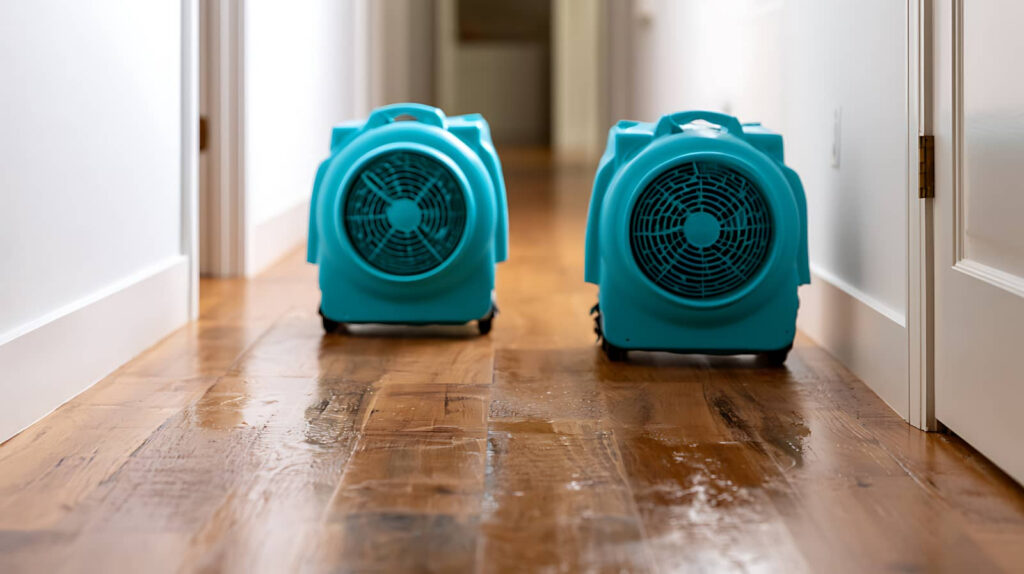
- Dry Out Affected Areas: Utilize fans and dehumidifiers to minimize moisture and reduce mold growth potential.
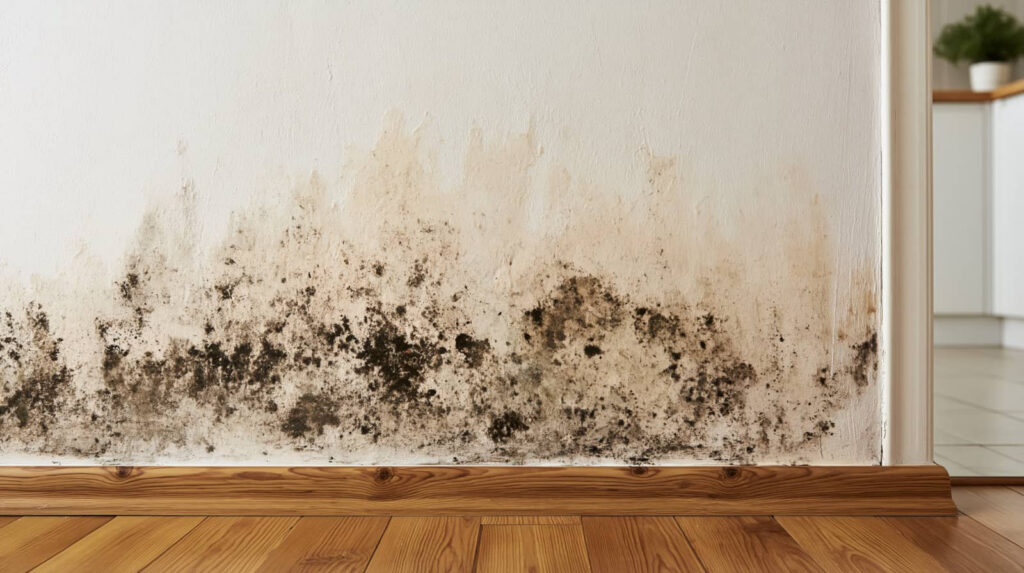
- Cut Away Damaged Materials: Remove compromised drywall and flooring to prevent ongoing structural issues and health risks.
- Document Damage for Insurance: Take photos of all damage to support your insurance claims and expedite the recovery process.
- Seek Professional Help: Contact experts for extensive damage, hidden mold, or complex structural issues that require specialized assessment.
How to Begin Emergency Flood Cleanup
When a flood strikes, quick action is crucial to minimize damage and ensure safety. Start by ensuring everyone’s safe and away from dangerous areas.
Next, turn off utilities to prevent further hazards. Gather your cleanup essentials, like gloves, masks, and sturdy boots, to protect yourself while working.
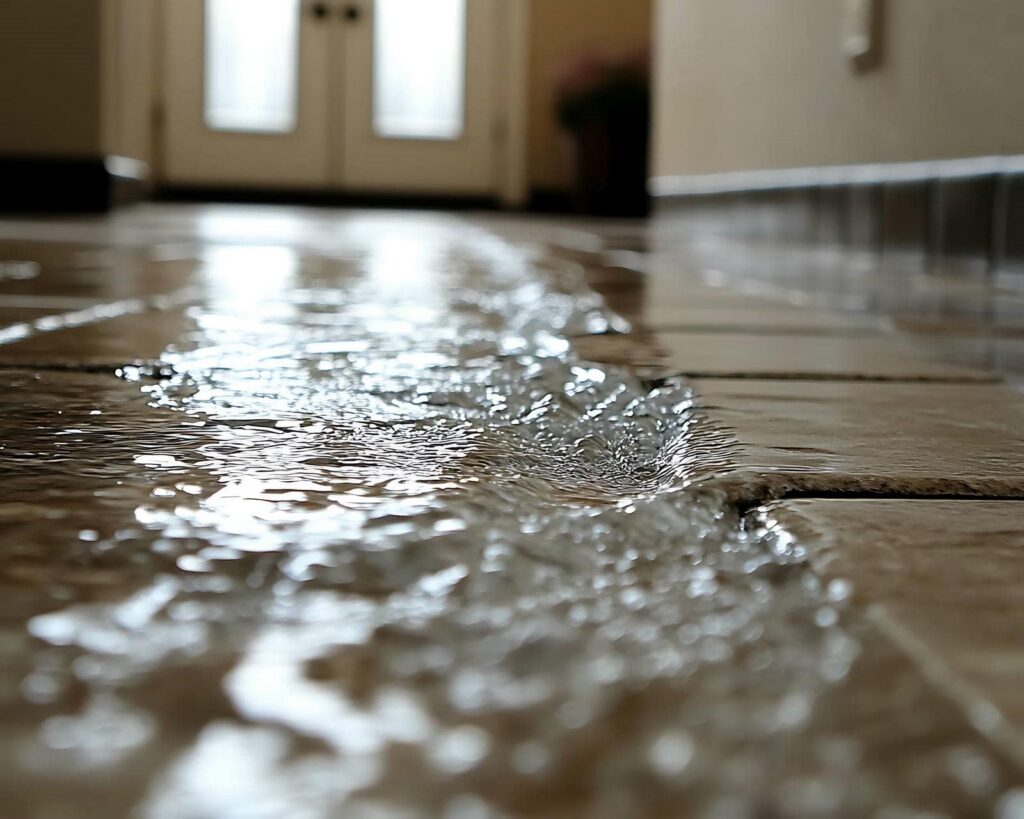
Remove standing water using pumps or buckets, and begin to dry out affected areas with fans and dehumidifiers. Document damage for insurance claims—pictures can be incredibly helpful.
Dispose of contaminated items responsibly to avoid health risks. Always keep flood safety in mind; if an area feels unsafe, don’t hesitate to call for help.
Your safety and well-being are the top priorities during this challenging time.
Quick DIY Flood Damage Repair Techniques
After ensuring your safety and starting the cleanup process, it’s time to tackle flood damage repair. For quick, effective solutions, focus on temporary fixes to prevent further issues.
Start by using essential tools like a utility knife to cut away damaged drywall and a wet/dry vacuum for removing water. If your flooring is soaked, lift it to help with drying and minimize mold growth.
Use fans and dehumidifiers to speed up the drying process. In areas with standing water, apply absorbent materials like towels or sandbags to soak up excess moisture.
When to Call in the Pros for Flood Damage Repair?
How can you tell if it’s time to call in professionals for flood damage repair? If you notice extensive water damage or structural issues, it’s wise to seek help.
A thorough flood assessment by experts ensures nothing is overlooked, especially hidden mold or compromised foundations. If the damage affects electrical systems or plumbing, don’t hesitate to reach out for professional assistance.
They’ll provide a clear restoration timeline, helping you understand what to expect. DIY methods might work for minor issues, but for significant damage, having experienced hands on deck can save you time and stress.
Frequently Asked Questions
What Are the Long-Term Effects of Flood Damage on My Property?
Flood damage can lead to property deterioration and compromise your home’s structural integrity. Over time, mold growth, weakened foundations, and rotting materials may occur, impacting both safety and value if not addressed promptly.
How Can I Prevent Mold Growth After Flooding?
To keep your space fresh and inviting, embrace mold prevention techniques after flooding. Thoroughly dry everything, ventilate well, and use dehumidifiers during post-flood cleanup to create a safe, welcoming environment for everyone.
What Is the Average Cost of Flood Damage Repairs?
The average cost of flood repair varies widely, typically ranging from $1,500 to $8,000. Factors like the extent of damage, materials used, and labor costs all influence the final price you’ll pay.
Does My Homeowner’s Insurance Cover Flood Damage?
Your homeowner’s insurance typically doesn’t cover flood damage; you need separate flood insurance for that. Check your policy’s coverage limits to ensure you’re adequately protected against potential flood losses. It’s essential for peace of mind.
How Do I Document Flood Damage for Insurance Claims?
Start by taking clear photos of the damage, noting dates and details. Keep receipts and document conversations with contractors. These flood documentation tips simplify the insurance claim process, ensuring you’re ready for a smooth recovery.
Review
In the wake of a flood, quick action is your lifeline. By wielding a wet/dry vacuum, summoning fans and dehumidifiers, and cutting away damaged drywall, you can stem the tide of further destruction. Think of these steps as your flood-fighting toolkit, ready to restore your space and peace of mind. Remember, when the waters recede, it’s your proactive efforts that pave the way for a brighter, drier tomorrow. Don’t hesitate to call in the pros if the battle feels too overwhelming!