When dealing with water damage, it’s essential to methodically assess the extent of the damage and identify the source of water intrusion. You must prioritize safety and health precautions before beginning water extraction. Techniques like high-velocity air movers and dehumidifiers play an important role in the drying process. Understanding these methods can greatly influence the effectiveness of your restoration efforts. But what happens if the damage is more extensive than anticipated?
Key Takeaways
- Conduct a thorough initial assessment to identify the source and extent of water damage, documenting findings for insurance claims.
- Utilize appropriate water extraction techniques, including submersible pumps and portable extraction units, to remove standing water efficiently.
- Implement drying and dehumidification methods using high-velocity air movers and dehumidifiers to reduce humidity levels and promote effective drying.
- Ensure safety by wearing PPE, disconnecting electrical supplies, and monitoring for mold and electrical hazards throughout the restoration process.
- Consider professional assistance for significant damage or prolonged water exposure, ensuring effective restoration and prevention of future issues.
Assessing the Extent of Water Damage
When you’ve experienced water damage, evaluating its extent is vital for effective restoration. Start with water source identification; determine whether the water stemmed from a leak, flood, or appliance failure. Understanding the source helps you gauge potential contamination levels and necessary interventions.
Next, conduct thorough damage documentation. Take detailed photographs of affected areas and note the type of materials impacted, such as drywall, flooring, or insulation. This record is important for insurance claims and future assessments.
Measure moisture levels using a moisture meter, as this provides quantitative data on how deeply the water has penetrated materials.
Ensuring Safety and Health Precautions
When tackling water damage restoration, you must prioritize safety and health precautions.
This includes wearing appropriate personal protective equipment, ensuring electrical systems are secure, and monitoring air quality to prevent health risks.
Personal Protective Equipment
Proper use of personal protective equipment (PPE) is essential for ensuring safety and health during water damage restoration processes. You need to wear appropriate protective gear, including gloves, masks, goggles, and waterproof boots, to shield yourself from contaminants and hazardous materials.
Adhering to safety protocols minimizes the risk of injury or illness. Before starting, inspect your equipment for any damage, ensuring it’s functional. Always follow manufacturer guidelines for use and maintenance.
Additionally, familiarize yourself with the specific risks associated with the environment, as water damage can lead to mold, bacteria, and electrical hazards. By prioritizing PPE, you protect yourself and demonstrate a commitment to the safety of your team and those around you.
Electrical Safety Measures
Although water damage restoration is essential, ensuring electrical safety is equally important to prevent accidents and injuries.
Before you begin any restoration work, conduct thorough electrical inspections to assess potential hazards. Disconnect power to affected areas to ensure circuit safety. Use ground-fault circuit interrupters (GFCIs) to protect against electric shock when working near water.
Check all outlets and wiring for damage, as water can compromise their integrity. If you find any issues, consult a licensed electrician for repairs.
Following these precautions protects you and fosters a culture of safety within your team. By prioritizing electrical safety measures, you contribute to a safer restoration process for everyone involved.
Air Quality Considerations
How can you ensure air quality remains safe during water damage restoration?
First, monitor indoor humidity levels, keeping them below 60% to inhibit mold growth. Use dehumidifiers to efficiently reduce moisture and facilitate drying.
During the process, employ air scrubbers equipped with HEPA filters to capture airborne contaminants, ensuring the air you breathe stays clean. Seal off affected areas to prevent cross-contamination and utilize fans for proper ventilation.
Regularly check for signs of mold and address them immediately for effective mold prevention.
Finally, conduct air quality tests post-restoration to confirm your environment is safe.
Water Extraction Techniques
Effective water extraction is vital in mitigating damage and preventing mold growth after a flooding incident. When you face such a situation, employing advanced water removal systems is essential.
Start by evaluating the extent of the water intrusion, then use a submersible pump for significant water removal. For smaller areas, portable extraction units can effectively draw moisture from carpets and upholstery.
If you’re dealing with a basement or low-lying area, sump pump installation can provide a long-term solution. This involves placing a sump pit at the lowest point to collect water, which your pump will then expel outside.
Don’t forget to check the discharge area to ensure proper drainage away from your home.
Always prioritize safety by wearing protective gear and verifying that electricity is turned off in flooded zones.
Drying and Dehumidification Methods
Once you’ve successfully extracted standing water, the next step is to focus on drying and dehumidification to prevent further damage and inhibit mold growth.
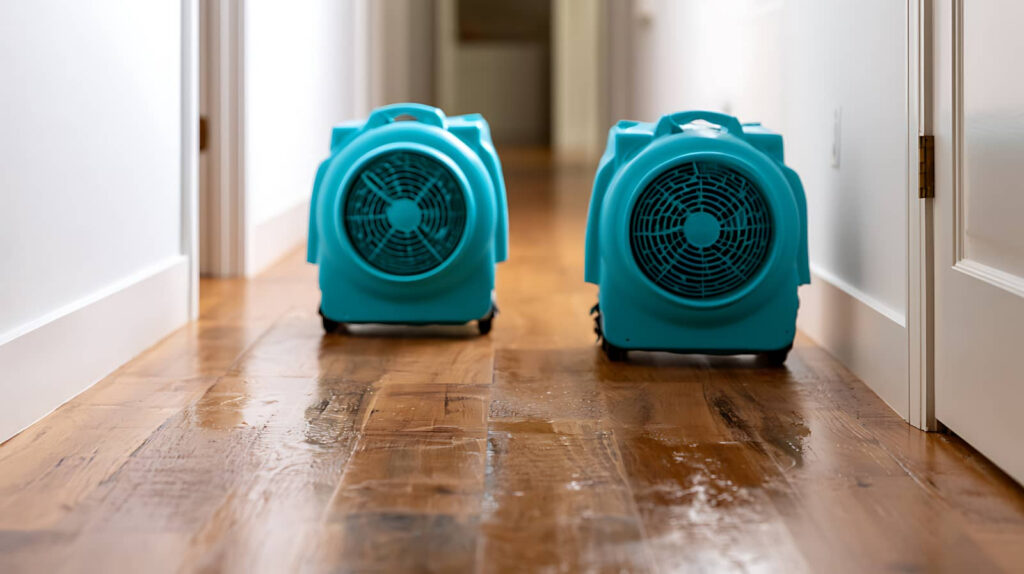
Start by using high-velocity air movers, strategically placing them to enhance airflow across wet surfaces. This will expedite the evaporation process.
Next, implement dehumidification techniques like using refrigerant or desiccant dehumidifiers to lower humidity levels effectively. Monitor the environment closely with moisture measurement tools, ensuring you achieve a relative humidity of 30-60%.
Check materials like drywall and flooring regularly to gauge moisture content; this helps you determine when it’s safe to stop the drying process.
Remember, thorough drying isn’t just about speed; it’s about reaching the appropriate moisture levels for all affected materials to mitigate the risk of mold and structural issues.
Cleaning and Sanitizing Affected Areas
As you shift from drying to cleaning and sanitizing affected areas, it’s crucial to address any contaminants that may have been introduced during the water damage incident.
Effective cleaning ensures surface cleanliness and long-term health safety. Here are the key steps to follow:
Identify Contaminants: Assess the affected areas for any visible mold or mildew.
Apply Disinfectants: Use appropriate disinfectant application methods to kill bacteria and pathogens. Confirm you adhere to the manufacturer’s instructions for effectiveness.
Utilize Mold Remediation Techniques: Implement appropriate remediation techniques to prevent regrowth and ensure thorough removal.
Ventilate the Area: Improve air circulation while cleaning to help reduce moisture and enhance drying.
Repairing and Restoring Damaged Structures
After cleaning and sanitizing, the next step focuses on repairing and restoring damaged structures to ascertain the integrity and safety of the environment. You’ll need to assess the structural integrity of walls, ceilings, and floors, identifying any areas requiring immediate attention.
Utilize restoration techniques such as reinforcing weakened beams and replacing compromised drywall. Before proceeding, verify that all moisture is eliminated to prevent mold growth. Consider using specialized drying equipment to expedite the process.
For flooring, determine whether it can be salvaged or needs replacement; hardwood may require refinishing, while carpets often need to be discarded. Once repairs are made, apply protective coatings to enhance durability.
It’s essential to document every step for insurance purposes and to track progress. By following these methods, you’ll restore your space effectively, creating a safe and welcoming environment for everyone involved.
Preventing Future Water Damage
To effectively prevent future water damage, it’s crucial to implement a proactive maintenance strategy that addresses potential vulnerabilities in your property.
Here are four critical steps you can take:
Utilize Waterproofing Techniques: Apply sealants and membranes to your foundation and exterior walls to create a barrier against water ingress.
Install Efficient Drainage Solutions: Confirm gutters and downspouts direct water away from your home.
Consider French drains or sump pumps for additional protection.
Inspect Plumbing Regularly: Check for leaks or signs of wear in pipes, and replace any faulty fixtures to minimize the risk of internal flooding.
Maintain Landscaping: Grade your yard to slope away from the foundation, and verify that plants and mulch don’t obstruct drainage paths.
When to Call in Professional Help
When should you consider calling in professional help for water damage restoration? If the damage exceeds a small leak or if the water has been standing for more than 24 hours, it’s time to consult experts.
Delays in addressing significant water intrusion can lead to mold growth and structural issues.
In emergencies, such as flooding from a storm or burst pipe, immediate response is vital. Professionals have specialized equipment and training to mitigate further damage effectively.
If you notice persistent moisture or musty odors after initial cleanup, don’t hesitate to reach out.
Additionally, if the affected area involves electrical systems or hazardous materials, professional assistance is non-negotiable.
Frequently Asked Questions
How Can I Identify Hidden Water Damage in My Home?
You can identify hidden water damage by inspecting for water stains on walls and ceilings. Check for hidden leaks by examining plumbing fixtures and using a moisture meter to detect dampness in various surfaces.
What Are the Signs of Mold Growth After Water Damage?
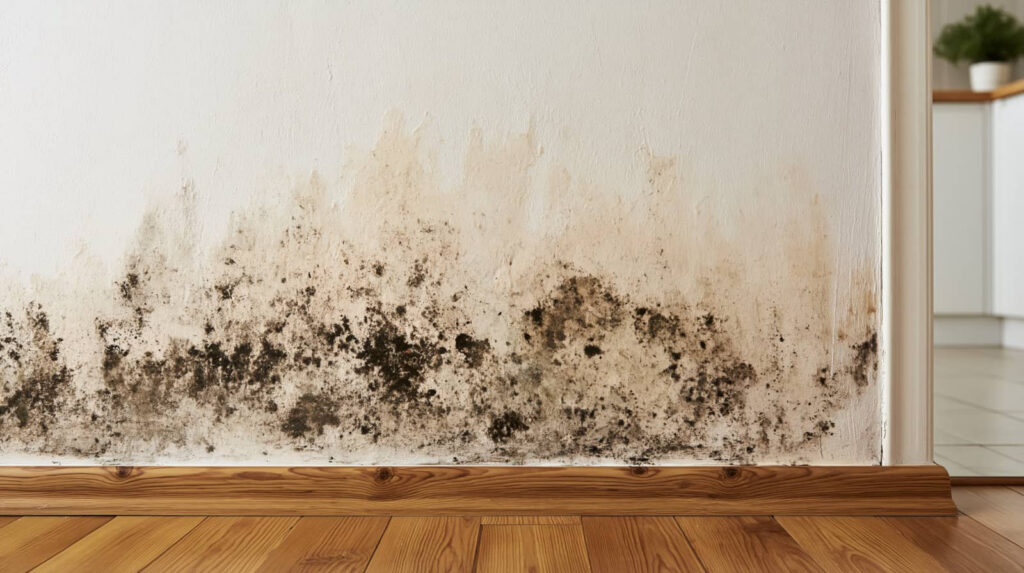
You’ll notice signs of mold growth, like musty odors, discoloration on walls, or visible spores. Different mold types can pose health risks, such as respiratory issues, so act quickly to mitigate potential harm.
Can I File an Insurance Claim for Water Damage Restoration?
You can file an insurance claim, but understanding your insurance coverage and the claim process is essential for successful restoration.
How Long Does the Entire Restoration Process Typically Take?
The restoration timeline usually spans from a few days to weeks, depending on damage severity. Effective drying techniques, like dehumidification and air circulation, greatly influence the speed and efficiency of the entire process.
What Are the Costs Associated With Water Damage Restoration?
Water damage restoration costs vary based on several cost factors, including the extent of damage, materials needed, and labor. Restoration pricing typically ranges from hundreds to thousands, so evaluating each element’s impact is essential.
Conclusion
In the tapestry of water damage restoration, each thread—assessment, extraction, drying, and repair—intertwines to weave a resilient future. By taking swift action and employing effective methods, you restore your space and safeguard against future storms. Remember, while you can tackle minor issues, don’t hesitate to call in the experts when the tide rises too high. With the right approach, you can turn the tide on water damage and reclaim your sanctuary.