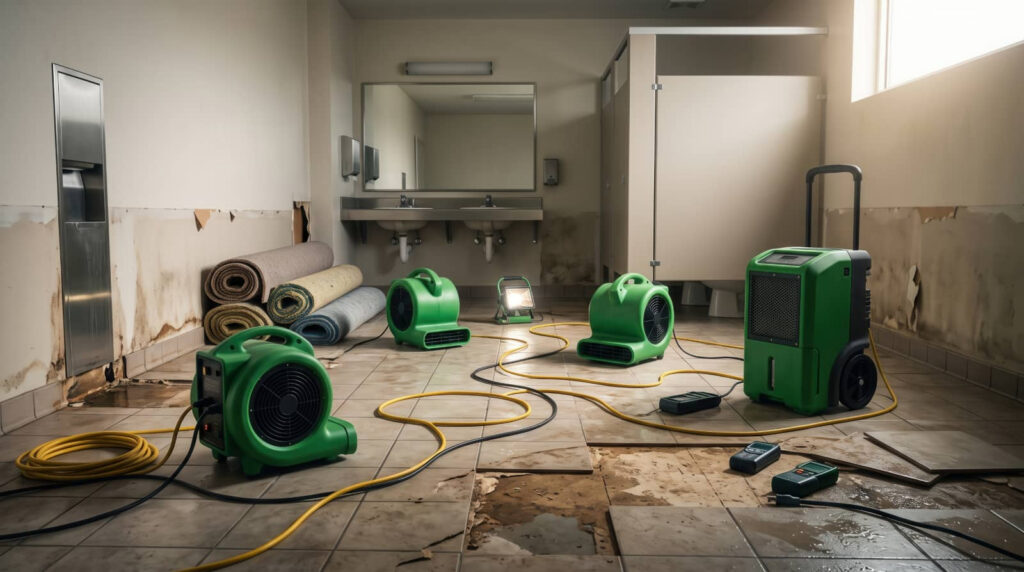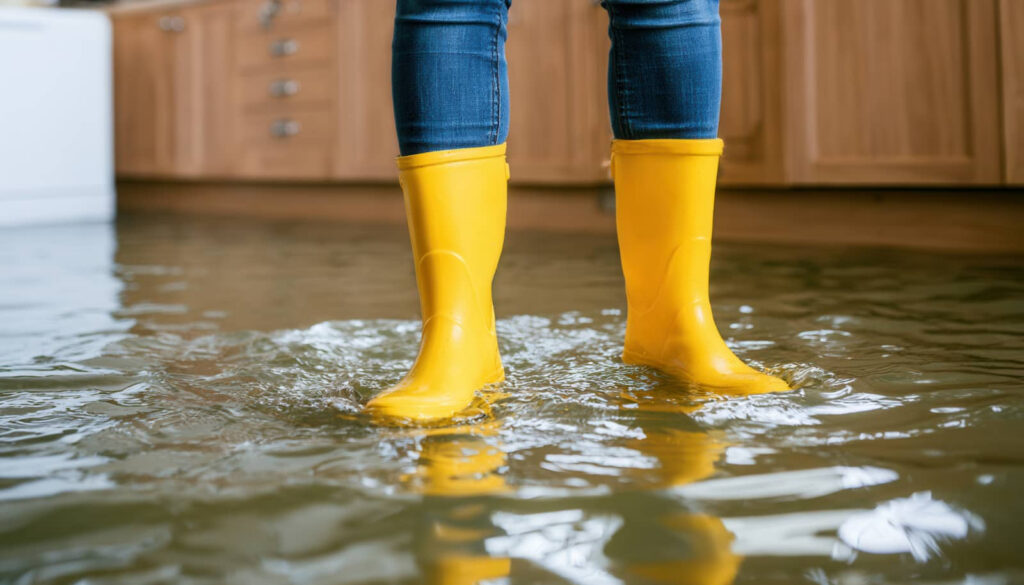
Floodwater can ruin a room in hours, but fast action can limit the damage. Water Removal After Flooding should begin by shutting off utilities when it’s safe, clearing standing water with pumps or a wet vac, and moving air through the space with fans and open windows. Next, dry walls, floors, and hidden cavities thoroughly before mold has a chance to develop. The steps that follow can determine whether you’re able to salvage the space or face a much larger restoration.
Key Takeaways
- Shut off the main water supply and power to affected areas before entering flooded spaces.
- Remove standing water quickly using a pump for deep water and a wet/dry vacuum for remaining water.
- Place equipment at the lowest point and empty vacuum tanks often to maintain strong suction.
- Increase airflow with fans, air movers, and open windows to speed drying and reduce moisture.
- Check for hidden water damage behind walls, under floors, and inside cabinets, and call professionals if needed.
Stop the Water and Stay Safe
First, shut off the main water supply if you can reach it safely, then cut power to affected areas to reduce the risk of shock.
You protect yourself and your crew by checking for live outlets, damaged cords, and gas leaks before you enter. Wear boots, gloves, and eye protection, and keep children and pets away from the area.
If you can’t stop the source safely, call your utility or a plumber right away. Document the damage with photos, but don’t step into deep water or touch wet appliances.
These safety measures support flood prevention by limiting more damage and lowering hazards while you wait for help.
Stay calm, stay alert, and work as a team so everyone gets through this together.
Remove Standing Water Quickly
You need to extract standing water immediately to limit soak time and reduce damage.
Use a pump for deeper pooling, then switch to a wet/dry vacuum for remaining water and low spots.
Keep moving methodically so you clear all visible water before it wicks into flooring or walls.
Immediate Water Extraction
Start by removing standing water as quickly as possible to limit absorption into floors, walls, and furnishings. You should treat this as one of the most important emergency measures because every minute increases damage and mold risk.
Use water extraction methods that match the depth and spread of the flood, and keep your path clear so you can work safely and efficiently. Focus on low spots, corners, and seams where water collects first.
Move saturated items out only after you’ve reduced the surface water, since that helps protect them and speeds drying. If you’re working with others, coordinate tasks so no one duplicates effort.
Quick, organized action helps your team stay effective and gives your space the best chance to recover.
Pump And Vacuum Use
For deeper or faster-moving water, use a submersible pump or wet/dry vacuum to pull it out before it spreads into hidden spaces. You’ll get the best results when you match pump types to the water depth and debris load, then switch tools as levels drop.
Stay with your crew mindset: work in passes, check corners, and keep outlets dry.
- Place the pump at the lowest point.
- Route the discharge hose outside and downhill.
- Use vacuum tips: empty the tank often.
- Recheck baseboards, closets, and under flooring.
Move steadily, not recklessly. Shut off power before you enter wet areas, wear boots and gloves, and listen for gurgling or strain.
When you use the right equipment, you’re not just removing water—you’re protecting the whole space.
Use Wet Vacuums in Tight Spaces
A wet vacuum can pull standing water from corners, under cabinets, and along baseboards where mops and towels can’t reach.
Use tight space techniques by fitting the narrow nozzle, making slow passes, and overlapping each stroke so you don’t miss pockets of water. Keep the tank low and empty it often to maintain suction.
For wet vacuum tips, angle the head into seams, toe kicks, and closet edges, then lift it slightly when you hit debris to avoid clogs.
Work from the outer edge toward the deepest area so you stay organized and in control. You’re not alone here; these focused moves help your crew remove water faster and keep the cleanup efficient, safe, and on track.
Increase Airflow for Faster Drying
Open windows, run fans, and set up air movers so air keeps moving across wet floors and walls. You’ll improve air circulation and support moisture control when you create a steady crossflow through the space.
Keep doors open between rooms so stale air can escape.
- Place fans to push air toward exits.
- Aim air movers along baseboards and corners.
- Remove obstructions that block airflow paths.
- Check humidity often and adjust fan positions.
Stay with the crew mindset: every change should help dry the area faster and more evenly.
Don’t let still air settle in closed spaces. Consistent movement lowers damp pockets, reduces odor buildup, and helps you keep the cleanup on track.
Dry Walls and Floors Thoroughly
Start drying the walls and floors right away with towels, mops, and wet vacuums so no standing moisture lingers. You should work from the floor up, removing surface water in steady passes and wringing tools often.
Press absorbent towels against baseboards, trim, and seams to pull moisture from joints. Run the wet vacuum slowly across hard flooring and carpet edges to extract trapped water. Keep fans and dehumidifiers running while you wipe.
If you belong to a cleanup crew, coordinate each pass so no area gets missed. Focus on mold prevention by drying within hours, not days.
Dry wall surfaces, sill plates, and flooring until they feel dry to touch, reducing insulation damage and helping the space recover safely.
Check for Hidden Water Damage
Even after the visible water is gone, you still need to check for hidden damage behind walls, under floors, and inside cabinets.
Use moisture detection tools to spot damp spots you can’t see, then inspect trim, baseboards, and seams for swelling, staining, or soft surfaces. If you stay methodical, you’ll protect your home and your crew from hidden mold later.
- Scan walls and floors with a moisture meter.
- Press on cabinets, drywall, and flooring for softness.
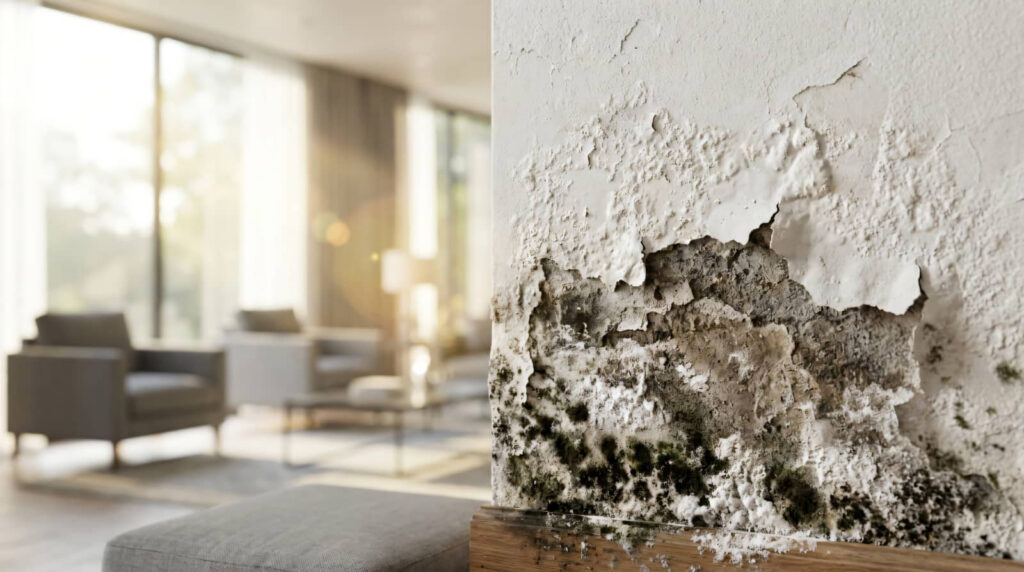
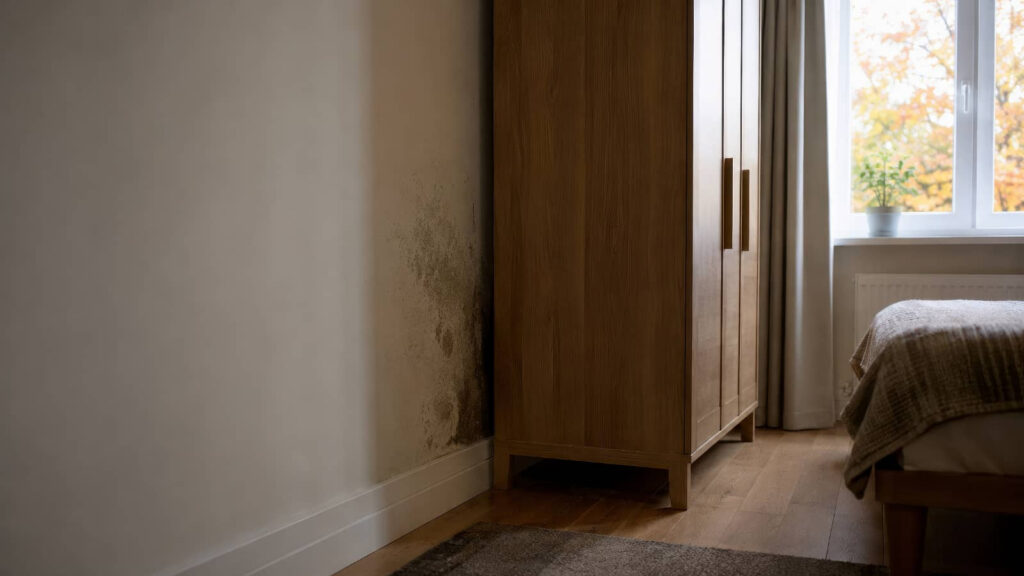
- Look for musty odors, discoloration, and peeling paint.
- Mark damp areas so you can recheck them.
This quick pass helps you catch problems early, keep your space safe, and stay in control together.
When to Call Flood Restoration Pros
When water has spread into walls, subfloors, insulation, or HVAC components, you should call flood restoration pros right away.
You’re dealing with hidden moisture, contamination, and structural risk that DIY tools can’t fully address. A trained team can measure moisture, remove materials safely, and start drying before mold takes hold.
If you smell mildew, see warped flooring, or lose power to affected systems, don’t wait. Your flood insurance may require prompt documentation and approved mitigation, so keep photos and receipts.
Pros also help you set a realistic restoration timeline, which reduces guesswork and keeps the work moving.
When your home needs more than surface cleanup, bringing in experts helps you protect your space and get back to normal faster.
Frequently Asked Questions
How Soon Should I Start Removing Water After Flooding?
You should start removing water immediately, once it’s safe and power’s off. Quick action limits water damage, supports emergency preparedness, and helps you protect your home, belongings, and community through fast, practical response.
Can I Use Household Fans to Speed up Drying?
Yes, you can use household fans to speed drying, but only as a breeze, not a cure. You’ll improve drying techniques with box or oscillating fan types, plus dehumidifiers, while ensuring everyone stays safe together.
What Items Should Be Discarded After Floodwater Exposure?
You should discard flood damaged furniture, contaminated electronics, and soaked personal documents. Keep only safety gear you can decontaminate. Remove porous items, upholstered pieces, insulation, and anything moldy or sewage-tainted to protect your home.
How Do I Tell if Mold Has Started Growing?
You’ll spot mold by musty odor, fuzzy spots, or staining—nature’s tiny insult to your belongings. Check damp materials, note mold identification signs, and fix growth conditions: moisture, warmth, poor ventilation, quickly.
Is Floodwater Cleanup Safe Without Professional Help?
No, not usually; you’ll face floodwater hazards like sewage, chemicals, and electrical risk. You can handle small, clean spills with strict safety precautions, but contaminated or deep flooding needs trained professionals and proper protective gear.
Recap
When floodwater hits, you need to act like your home is on a countdown. Shut off utilities, pump out standing water fast, and use wet vacuums where water hides. Then crank up airflow and dry every surface as if mold is racing you. Check behind walls, document everything, and don’t hesitate to call pros if damage looks deep. The quicker you move, the better you’ll stop chaos from turning into a full-blown disaster.