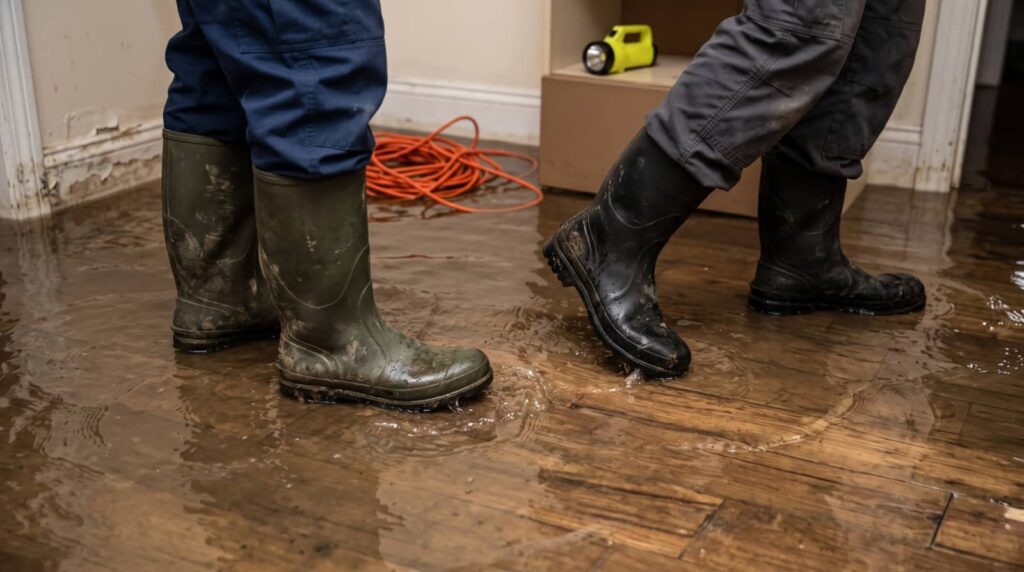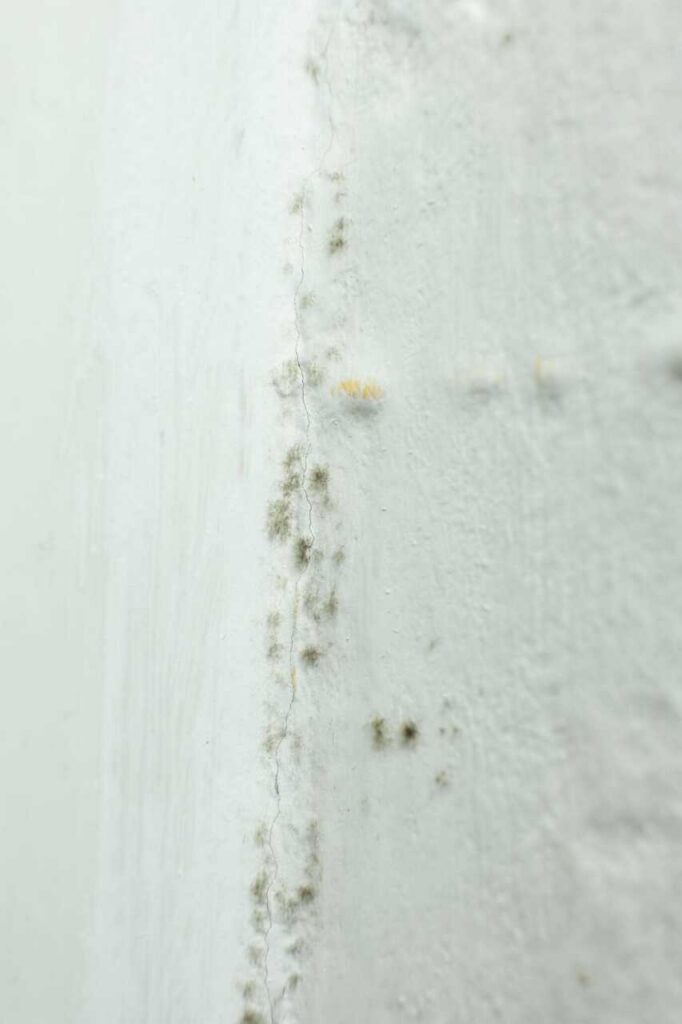
Did you know that many homes affected by flooding experience mold growth within 24 to 48 hours? This rapid development makes immediate action vital for effective mold remediation. Knowing how to identify mold-prone areas and whether to tackle the issue yourself can save you time and money. Understanding these factors can greatly influence your home’s recovery—let’s explore the essential steps you need to take.
Key Takeaways
- Remove any standing water immediately within 24-48 hours to prevent mold growth.
- Use fans and dehumidifiers to accelerate drying in affected areas.
- Clean surfaces with detergent and water to eliminate mold spores effectively.
- Inspect hidden spaces behind appliances and cabinets for dampness and mold.
- Implement preventative measures, such as sealing leaks and improving ventilation, to deter future mold issues.
Immediate Actions for Mold Remediation After Flooding
After flooding, your immediate actions are essential to preventing mold growth. Start by removing standing water within 24-48 hours to minimize humidity levels.
Use fans and dehumidifiers to expedite drying. Inspect all areas, especially hidden spaces, for dampness. Cleaning surfaces with a mixture of water and detergent can help eliminate mold spores.
Remember, preventative measures, like sealing leaks and ensuring proper ventilation, are vital for long-term protection. If you notice any signs of mold, act quickly; mold can pose significant health risks, including respiratory issues and allergic reactions.
How to Identify Mold-Prone Areas Post-Flood?
Identifying mold-prone areas post-flood is essential for effective remediation. You need to conduct a thorough assessment using both visual checks and specialized techniques. Here are some steps to guide you:
Conduct a mold visibility assessment: Look for discoloration, spots, or fuzzy growth on walls, ceilings, and floors.
Use moisture detection techniques: Employ moisture meters to pinpoint damp areas that may not be visible.
Inspect hidden spaces: Check behind appliances, inside cabinets, and under sinks where moisture can accumulate.
Monitor air quality: Pay attention to musty odors or increased humidity levels, as they can indicate hidden mold growth.
Should You Tackle It Yourself or Get Help?
How do you decide whether to tackle mold remediation yourself or hire a professional? Weighing DIY advantages against professional expertise is essential.
If you’re comfortable with home repairs and have the right tools, DIY can save money and offer immediate results. However, be cautious; mold can pose health risks and may spread if not handled properly.
On the other hand, professionals bring specialized knowledge and equipment that can effectively eliminate mold, ensuring thorough remediation. They can also identify hidden issues that you might overlook.
If the affected area is extensive or you have health concerns, it’s wise to seek help. Ultimately, consider your skills, the severity of the mold, and your comfort level before making a decision.
Frequently Asked Questions
How Long Does It Take for Mold to Grow After Flooding?
Mold can start growing within 24 to 48 hours after flooding, depending on flood damage factors like humidity and temperature. Understanding this mold growth timeline helps you act quickly to prevent extensive damage.
What Are the Health Risks Associated With Mold Exposure?
Mold exposure can really throw a wrench in your health. You might experience mold symptoms like coughing or headaches. To protect yourself, implement prevention strategies like proper ventilation and moisture control in your home.
Can Mold Damage Be Covered by Insurance?
Yes, mold damage can be covered by insurance, but it depends on your specific insurance policies and coverage limits. Always check your policy details to understand what’s included and any exclusions that may apply.
How Can I Prevent Future Mold Growth After Remediation?
Think of your home as a fortress; to prevent future mold growth, use mold-resistant materials and implement preventive measures like proper ventilation and humidity control. These steps keep your sanctuary safe and comfortable for everyone.
What Materials Are Most Susceptible to Mold After Flooding?
After flooding, materials like drywall, wood, and carpets are most susceptible to mold. Employ mold prevention techniques promptly to protect affected building materials, ensuring a safer, healthier environment for you and your community.
Conclusion
In the aftermath of flooding, swift action is essential to prevent mold from taking hold. Picture damp corners and hidden crevices becoming breeding grounds for spores if left unchecked. By promptly addressing water removal, drying, and cleaning, you can protect your home’s air quality and structural integrity. Don’t underestimate the power of these immediate steps; taking control now means safeguarding your space and ensuring a healthier environment for you and your loved ones.