Imagine returning home after a storm only to find several inches of water covering your floors. Steering through flood damage isn’t just about cleanup; it requires a systematic approach to ensure safety and restore your home effectively. From conducting a thorough assessment to knowing when to call in professionals, each step is critical. Let’s explore the essential tips that can make a significant difference in your recovery process.
Key Takeaways
Conduct a thorough assessment and document all damage, including photographs and notes, to support repair planning and insurance claims.
Prioritize safety by wearing protective gear and assessing hazards before starting any cleanup or repairs.
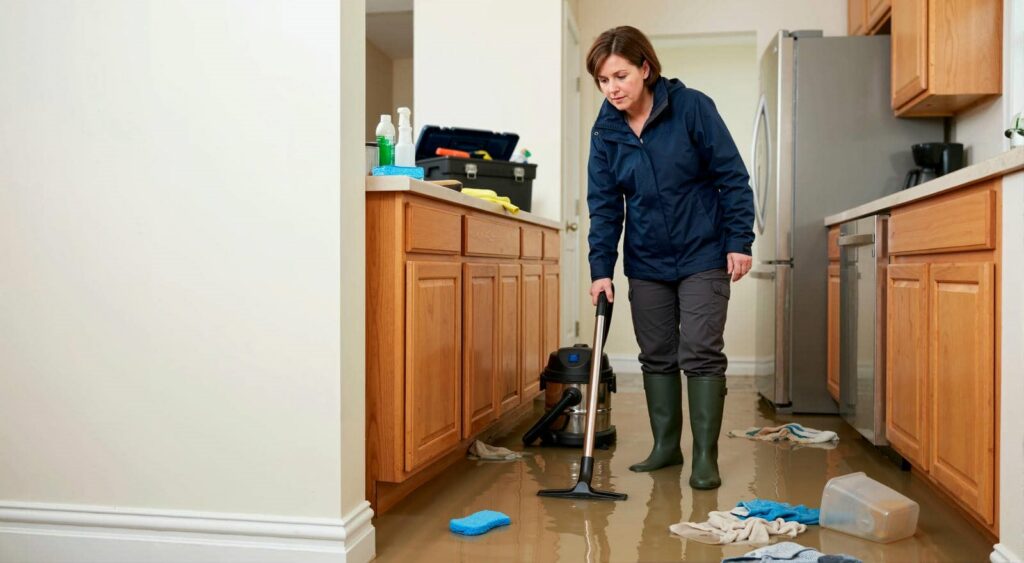
Use effective water removal techniques like wet/dry vacuums and industrial pumps to ensure thorough extraction of water.
Implement drying strategies with dehumidifiers and air movers to control moisture levels and prevent mold growth.
Consult professionals for structural integrity assessments and expert intervention in cases of extensive damage or health hazards.
How to Repair Flood Damage Effectively
When tackling flood damage, the first step is to assess the situation thoroughly. Identify affected areas and prioritize tasks based on severity.
Implement flood prevention strategies to minimize future risks, like improving drainage and sealing cracks.
Next, develop an emergency response plan that includes contacting professionals for mold removal and structural repairs. Document the damage with photos for insurance claims, ensuring you have all necessary information ready.
Afterward, remove water and moisture promptly to prevent further deterioration. Use dehumidifiers and fans to aid in drying.
Regular communication with your repair team fosters a sense of community, making the process smoother.
Conduct a Thorough Initial Damage Assessment
Start by identifying all affected areas in your property to understand the full scope of the damage.
Document everything extensively, capturing photos and notes to support any insurance claims.
Finally, assess potential health hazards, such as mold or contaminated water, to ensure a safe recovery process.
Identify Affected Areas
To effectively identify affected areas after a flood, conduct a thorough initial damage assessment as soon as it’s safe to do so. Start by employing flood assessment techniques to pinpoint the most severely impacted zones.
Use moisture detection methods, such as infrared thermography or moisture meters, to uncover hidden water pockets that could lead to mold growth or structural damage. Inspect walls, floors, and ceilings meticulously; these areas often harbor moisture even when they appear dry.
Don’t forget to check electrical systems and appliances, as water exposure can compromise safety. By systematically identifying these affected areas, you lay the groundwork for effective repairs, ensuring a safer environment for you and your community.
Prioritize thoroughness; it’s essential for successful restoration.
Document Damage Extensively
While evaluating flood damage, it’s essential to document everything extensively to support repair efforts and insurance claims.
Begin by using effective flood documentation techniques, such as taking clear photographs of affected areas from multiple angles. Record specific details about damaged items, including their value and condition.
Implement document preservation strategies by storing this information digitally to prevent loss. Make lists of damaged structural elements and materials, ensuring you capture the extent of the destruction.
This thorough initial damage assessment aids in your claims process and helps repair professionals understand the scope of work needed.
Assess Health Hazards
Evaluating health hazards promptly after a flood is essential, as contaminated water and debris can pose significant risks to you and your family.
Begin by inspecting standing water for potential contamination risks, like sewage or chemicals. Wear protective gear, including gloves and masks, to minimize exposure to health concerns.
Inspect your property for mold growth, which can develop quickly in damp conditions; if found, consider professional remediation.
Check for damaged electrical systems or gas leaks that could endanger your safety.
Dispose of contaminated items properly, and document your findings to inform recovery efforts.
Prioritizing these evaluations safeguards your health and fosters a secure environment as you work towards restoring your home.
Prioritize Safety Before Cleanup
Before you start any cleanup, assess the area for hazards like unstable structures, electrical risks, or contaminated water.
It’s vital to equip yourself with protective gear, including gloves, masks, and boots, to shield against potential dangers.
Prioritizing safety ensures you can work effectively without putting yourself at risk.
Assess Hazards First
To ensure your safety during flood damage cleanup, it’s crucial to assess hazards right from the start.
Begin with hazard identification; look for electrical risks, structural damage, and contaminated water. Disconnect power sources to avoid electrocution and inspect your environment for potential collapse.
Familiarize yourself with safety protocols to guide your actions effectively. Coordinate with local authorities to understand specific dangers in your area, such as gas leaks or harmful materials.
By prioritizing these assessments, you protect yourself and set a standard for those around you.
Use Protective Gear
When tackling flood cleanup, wearing the right protective gear is vital for your safety. Start with durable protective clothing that covers your arms and legs, shielding you from sharp debris and contaminants.
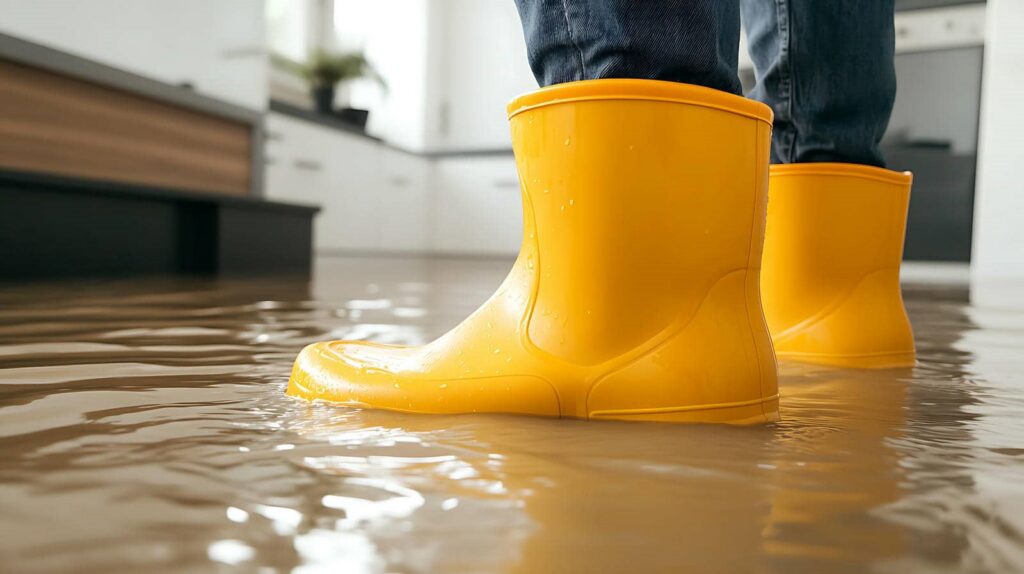
Waterproof boots are essential, keeping your feet dry and protected from hazardous materials lurking in the water. Don’t forget safety goggles; they’ll safeguard your eyes from mud, dust, and potential irritants.
A mask can further protect your lungs, especially if you encounter mold or other airborne particles. Make sure you have gloves that resist cuts and chemicals, providing a secure grip as you work.
Prioritizing these safety measures protects you and fosters a sense of community as you tackle this challenging task together.
Keep Track of Everything for Your Insurance
As you navigate the aftermath of flood damage, keeping meticulous records is essential for your insurance claims process.
Start by documenting all damage, taking clear photos and videos from multiple angles. Create a detailed inventory of affected items, noting their condition and estimated replacement costs. This documentation process will strengthen your claim and provide necessary evidence for your insurer.
Don’t forget to keep receipts for repairs and any temporary accommodations you may need. Additionally, maintain a log of all communications with your insurance company, including dates, names, and summaries of conversations.
This thorough approach supports your claim and fosters a sense of community, as you’ll feel more in control during a challenging time.
Remove Water Quickly and Completely
After documenting the damage and preparing your insurance claim, the next step involves removing water quickly and completely to minimize further destruction.
Start by employing effective water removal techniques, such as using a wet/dry vacuum or a submersible pump for larger areas. Make certain you access every affected space, including hidden corners.
Next, consider drying equipment options like industrial fans and dehumidifiers to expedite the drying process. Position fans strategically to enhance airflow and promote evaporation.
If you’re uncertain about the best methods, don’t hesitate to consult professionals who specialize in flood damage repair.
Prompt action safeguards your property and fosters peace of mind, knowing you’re taking the right steps towards recovery.
Dry Out Affected Areas Thoroughly
To ensure your property recovers effectively from flood damage, drying out affected areas thoroughly is essential.
Start by using high-capacity dehumidifiers to control moisture levels. Position these units strategically in rooms with excess dampness.
Employ drying techniques like air movers to circulate air, fostering rapid evaporation.
Inspect hidden areas, such as under flooring and behind walls, as trapped moisture can lead to mold growth.
Utilize moisture meters to track humidity levels and verify no residual dampness lingers.
Regularly check and empty dehumidifier tanks to maintain efficiency.
If you encounter stubborn moisture, consider professional assistance for more advanced drying methods.
Clean and Disinfect All Surfaces After Flooding
After flooding, it’s vital to clean and disinfect all surfaces to prevent mold growth and bacterial contamination.
Use effective cleaning supplies like bleach solutions or specialized disinfectants to ensure thorough sanitation.
Prioritizing this step safeguards your health and helps restore your space effectively.
Importance of Disinfection
When floodwaters recede, the urgency to clean and disinfect all surfaces can’t be overstated.
Neglecting this vital step can lead to serious health impacts, including mold growth and bacterial infections.
To ensure a safe environment, you should follow effective disinfection methods:
Identify Contaminated Areas: Focus on surfaces exposed to floodwaters.
Choose Appropriate Disinfectants: Use EPA-approved products that target pathogens effectively.
Follow Proper Application Techniques: Apply disinfectants as per manufacturer instructions for maximum efficacy.
Allow Sufficient Contact Time: Let disinfectants sit for the recommended duration to ensure thorough sanitization.
Recommended Cleaning Supplies
Once you’ve disinfected surfaces exposed to floodwaters, it’s time to gather the right cleaning supplies to ensure thorough sanitation.
Start with heavy-duty gloves, masks, and eye protection to keep yourself safe. For effective cleaning, use a mix of eco-friendly products like vinegar and baking soda, which are both safe and powerful.
Microfiber cloths and sponges will help you apply your cleaning techniques effectively, while a mop can tackle larger areas. Don’t forget a sturdy bucket and a scrub brush for tougher grime.
Finally, have a reliable disinfectant on hand, ensuring it meets safety standards. By using these supplies, you’re not just cleaning; you’re creating a safe space for your community.
How to Check for Hidden Moisture and Mold?
How can you effectively detect hidden moisture and mold in your home after a flood? Addressing moisture detection early is vital for mold prevention. Here are four essential steps to guide you:
Use a Moisture Meter: Invest in a moisture meter to check walls, floors, and hidden spaces for elevated moisture levels.
Inspect for Water Stains: Look for discoloration on walls and ceilings, which can indicate moisture intrusion.
Check Basements and Crawl Spaces: These areas are prone to hidden moisture; look for dampness or musty odors.
Monitor Indoor Humidity: Keep humidity levels below 60% using dehumidifiers, which helps prevent mold growth.
Taking these proactive measures can protect your home and loved ones from the hidden dangers of moisture and mold.
Assess Structural Integrity Before Starting Repairs
After addressing hidden moisture and mold, it’s important to evaluate the structural integrity of your home before starting any repairs.
A thorough structural assessment helps identify hidden damage to beams, walls, and foundations. Look for signs like cracks, warping, or sagging, which can indicate serious issues.
Make sure you take necessary safety measures during your evaluation. Wear protective gear and use sturdy ladders if needed.
It’s essential to document any findings, as this information can guide your repair strategy. If you discover significant concerns, consider consulting a professional for a detailed analysis.
When to Call in the Experts for Flood Damage Repair?
When should you consider bringing in professionals for flood damage repair? If you’re facing significant damage, it’s essential to get an expert evaluation to ensure proper flood restoration.
Here are four key situations where calling in the pros is indispensable:
Widespread Water Damage: If the water has affected multiple rooms or levels, professionals can assess and remediate effectively.
Structural Concerns: When you notice cracks or warping, experts are needed to evaluate safety.
Mold Growth: If mold appears, it’s imperative to have specialists handle the cleanup to prevent health risks.
Electrical Issues: Whenever water has penetrated electrical systems, immediate expert intervention is necessary to avoid hazards.
Don’t hesitate to reach out—your home and safety are worth it.
Frequently Asked Questions
What Items Can Be Salvaged After Flood Damage?
You can salvage furniture items with solid wood frames, metal fixtures, and certain electronics after water damage. Prioritize drying them thoroughly and consider professional restoration for the best results. Proper cleaning ensures they remain functional and safe.
How Long Does Flood Damage Repair Typically Take?
Flood damage repair typically takes one to three weeks, depending on the extent of damage. The flood restoration timeline hinges on the water extraction process, which must be thorough to prevent further issues like mold.
What Should I Do With Flooded Electronics?
If your electronics are drenched, don’t panic! Immediately disconnect them from power, remove batteries, and dry them thoroughly. For flooded appliances, consider professional electronic restoration to ensure they’re safe and functioning again.
Can I Handle Flood Repairs Myself?
You can handle flood repairs yourself, but prioritize DIY safety. Assess the damage carefully, wear protective gear, and ensure proper ventilation. If unsure, consulting professionals can enhance your repair efforts and secure long-term safety.
How Can I Prevent Future Flooding in My Home?
To prevent future flooding, consider installing sump pumps, flood barriers, and effective drainage solutions. Elevate your property, adjust landscaping, use water-resistant materials, and ensure insurance coverage. Don’t forget to prepare emergency kits for peace of mind.
Summary
In the aftermath of a flood, think of your home as a ship in turbulent waters; you need to navigate carefully to ensure it’s seaworthy again. By following these essential tips, you can steer your recovery process towards success. Remember, thorough assessments and prompt action are your lifelines against further damage. Don’t hesitate to call in professionals when needed; they’re like the skilled crew that can help you navigate the stormy seas of flood repair.