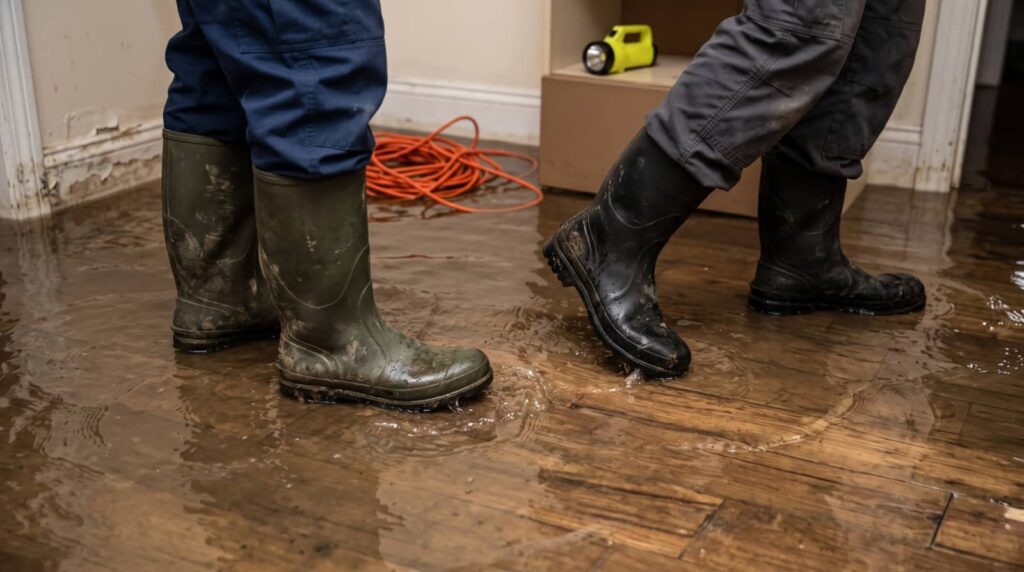
When flood damage strikes, prioritizing cleanup isn’t just a choice—it’s essential for your business’s survival. Quick action prevents further issues like mold, which can jeopardize employee health and your reputation. It also helps with insurance claims, ensuring a smoother recovery. As you navigate this challenging time, understanding the steps and resources available can make all the difference in restoring your operations and maintaining customer trust. What should you focus on first?
Key Takeaways
- Rapid flood damage cleanup minimizes financial losses and protects cash flow by preventing further deterioration of property and assets.
- Prompt action reduces health risks, such as mold growth, ensuring employee safety and well-being.
- Documenting damage early streamlines insurance claims, expediting recovery and financial support.
- Engaging restoration professionals enhances cleanup effectiveness, allowing for quicker business continuity and reduced downtime.
- Clear communication during the cleanup fosters team morale and unity, reinforcing resilience in challenging situations.
Understanding the Financial Impact of Flood Damage on Businesses
When a flood strikes, the financial repercussions for your business can be devastating. You might face significant financial losses, affecting your cash flow and overall stability.
It’s vital to assess your insurance coverage to understand what’s covered and what isn’t. Unexpected expenses can pile up, making a cost analysis imperative for planning your recovery strategies.
Consider how long-term effects, like damage to your reputation or customer trust, can linger after the immediate issues are addressed. A solid restoration timeline can help you maintain business continuity and prioritize essential operations.
Essential Steps for Rapid Flood Damage Cleanup
After facing the financial fallout from flood damage, taking swift action is key to minimizing further losses.
Start with a rapid response by evaluating the situation and ensuring employee safety. Evacuate your team if necessary, and secure any hazardous areas.
Next, remove standing water using pumps and wet vacuums to prevent mold growth. Once the area’s dry, examine damage to your property and inventory. Document everything for insurance claims; this helps streamline your recovery process.
Don’t forget to clean and disinfect affected surfaces to protect your employees’ health.
Finally, consider reaching out to restoration professionals who can support your efforts. Acting quickly protects your business and fosters a sense of community and resilience among your team.
How to Pick the Best Restoration Service for Your Needs?
Choosing the right restoration service can make all the difference in a flood emergency.
Start by evaluating their experience level and verifying their certifications and licenses to ensure you’re getting qualified help.
Don’t forget to consider their response time; a quick reaction can minimize further damage and get your business back on track.
Assess Service Experience Level
Evaluating the service experience level of restoration companies is essential, especially when your business faces the aftermath of a flood.
Start by looking for companies with proven service expertise in flood damage cleanup. Check their track record to see how long they’ve been in business and the types of projects they’ve handled.
An experience evaluation can help you gauge their ability to address your specific needs effectively. Don’t hesitate to ask for references from past clients—this gives you insight into their reliability and professionalism.
Choosing a restoration service with solid experience ensures quality work and provides peace of mind during a stressful time. You deserve a team that genuinely understands and prioritizes your business’s recovery.
Verify Certifications And Licenses
When your business faces flood damage, verifying the certifications and licenses of restoration services is essential. You want to ensure that the team you choose meets industry certification standards, which reflect their expertise and commitment to quality.
Start by asking for proof of licenses and certifications, and don’t hesitate to perform license verification through state or local agencies. This step protects your investment and fosters trust in your chosen service provider.
Knowing that they adhere to recognized standards can give you peace of mind during a stressful time. In a community that values reliability, choosing a certified and licensed restoration service helps you feel confident in your decision and supports a culture of excellence.
Evaluate Response Time Efficiency
How quickly can a restoration service respond to your emergency? When flood damage strikes, every minute counts. You want a team that has effective response strategies in place, ready to mobilize at a moment’s notice.
Look for services that ensure rapid response times, ideally within hours, to minimize damage and start the recovery process. Ask about their recovery timelines; understanding how long the restoration might take helps you plan effectively.
A reliable service will communicate clearly and keep you informed throughout the process, ensuring you feel supported. By prioritizing response time efficiency, you’re not just fixing damage—you’re protecting your business and your peace of mind.
Choose wisely, and you’ll find a partner who truly cares about your needs.
Implement Effective Practices to Prevent Future Flood Damage
To effectively prevent future flood damage, businesses must take proactive steps that protect their property and ensure the safety of employees and customers. Start by implementing robust flood prevention strategies, like elevating critical equipment and using flood barriers.
Regularly inspect drainage systems to confirm they’re clear and functional.
Additionally, develop thorough emergency preparedness plans that outline clear roles and responsibilities during a flood event. Conduct training sessions to keep everyone informed and ready to act.
Encourage open communication among your team to foster a culture of safety and preparedness. By prioritizing these practices, you safeguard your business and create a supportive environment where everyone feels secure and valued.
What to Expect During Flood Damage Cleanup?
When you face flood damage, the cleanup process starts with a thorough assessment of the situation.
You’ll then move on to restoration and repair steps to get your business back on track.
Knowing what to expect can help ease the stress during this challenging time.
Initial Assessment Procedures
As you begin the flood damage cleanup process, it’s crucial to conduct a thorough initial assessment to understand the extent of the damage.
Start with an initial site evaluation, looking for standing water, structural issues, and affected materials. Use damage assessment techniques like moisture meters and visual inspections to gauge how deeply water has penetrated.
Document everything; photographs and notes will help with insurance claims and future planning. Engage your team in this assessment, fostering a sense of unity and purpose.
Remember, addressing the damage swiftly is imperative for preventing further complications. By taking these steps, you protect your business and support your community’s recovery efforts.
You’re not alone in this; together, you can rebuild.
Restoration and Repair Steps
After evaluating the damage, the next steps in flood damage cleanup focus on restoration and repair.
You’ll want to follow these key steps to ensure your business returns to normal:
Water Extraction: Remove standing water using pumps and vacuums.
Equipment Sanitization: Clean and disinfect all affected surfaces and items to prevent contamination.
Mold Prevention: Implement measures like dehumidifiers and air movers to inhibit mold growth.
Structural Repair: Assess and repair any damage to walls, flooring, and electrical systems.
Debunking Common Myths About Flood Damage Cleanup
Many business owners believe that flood damage cleanup is straightforward, yet misconceptions can lead to costly mistakes.
One common myth is that if water seems to be gone, the damage is too. In reality, hidden moisture can cause mold and structural issues down the line.
Another misconception is that DIY efforts are sufficient. While some tasks may seem manageable, professional cleanup ensures thoroughness and safety.
It’s also a myth that all flood damage is covered by insurance; understanding your policy is essential.
Embracing cleanup realities helps you navigate this challenging time and protects your business. By recognizing these misconceptions, you’ll be better prepared to make informed decisions and foster a resilient environment for your team and customers.
Understanding Insurance for Flood Restoration
Understanding your insurance coverage for flood restoration is essential to safeguarding your business. Having a clear grasp of your policy can make a significant difference when disaster strikes.
Here are key points to reflect on:
Policy Limits: Know your coverage limits for restoration costs and business interruption.
Flood Exclusions: Be aware of any exclusions that might affect your claim process.
Deductible Amounts: Understand your deductible, as it impacts your out-of-pocket expenses.
Mitigation Strategies: Implement risk assessment and mitigation strategies to minimize potential damage.
Having emergency funds ready and understanding these elements will help you navigate the complexities of flood restoration with confidence.
Your preparedness can make all the difference in recovering swiftly and effectively.
How to Keep Your Business Running During Flood Damage Cleanup
When flood damage strikes, maintaining business operations may feel overwhelming, but it’s essential to stay proactive. Start by establishing a crisis management plan that outlines key roles and responsibilities.
Communicate transparently with your team about the situation; this fosters a sense of belonging and unity. Consider temporary remote work arrangements to ensure business continuity while cleanup occurs.
Prioritize essential operations and identify critical tasks that keep your business afloat. Collaborate with cleanup professionals to expedite the restoration process, allowing your team to focus on their roles.
Finally, don’t hesitate to lean on your network for support; sharing experiences can strengthen connections and provide valuable insights. By staying organized and connected, you can navigate the challenges of flood damage effectively.
Frequently Asked Questions
How Long Does Flood Damage Cleanup Typically Take?
Flood damage cleanup typically takes a few days to weeks, depending on the severity. You’ll want to stay informed about the restoration timeline, so you can plan your next steps effectively and confidently.
Can I Start Cleanup Before Professionals Arrive?
You can start cleanup before professionals arrive, but make sure you conduct a preliminary assessment first. Remember to prioritize safety precautions; rushing in without them can lead to more damage, like stepping on hidden dangers.
What Personal Protective Equipment Is Needed During Cleanup?
You’ll need protective gear like gloves, masks, and goggles during cleanup. Following safety protocols is essential to keep you safe from contaminants and hazards. Prioritizing your well-being ensures you can effectively help restore the environment.
Are There Specific Health Risks Associated With Floodwaters?
Yes, floodwaters pose significant health hazards, including exposure to waterborne pathogens. You’re at risk for infections and diseases, so it’s essential to protect yourself during cleanup and ensure a safe environment for everyone involved.
How Can I Document Flood Damage for Insurance Claims?
Document flood damage by taking clear photos, noting affected areas, and listing items ruined. This thorough damage assessment will simplify your claim process, ensuring you have everything needed for a successful insurance submission.
Recap
In the aftermath of a flood, think of your business like a ship steering through stormy seas. Prioritizing emergency cleanup is your lifeline, helping you stay afloat and guiding you toward recovery. Just as a captain acts swiftly to patch leaks, you’ll minimize damage and safeguard your reputation with prompt action. By investing in rapid restoration, you protect your assets and reassure your team and customers, ensuring you emerge stronger from the storm.