When your property takes on water, you need more than a quick cleanup. A Water Damage Restoration Company can provide trained crews who know how to find hidden moisture, stop damage from spreading, and dry affected areas with the right equipment. They can also reduce mold risks, protect workers, and document losses for insurance. The real difference often comes down to how quickly the damage is addressed and which costly problems can be prevented next.
Key Takeaways
- Professional restoration teams quickly assess damage, find hidden moisture, and protect your property from further loss.
- They use specialized extraction and drying equipment to prevent mold growth and structural deterioration.
- Trained crews help keep employees safe by controlling hazards, contaminants, and electrical risks during cleanup.
- They document damage thoroughly with photos and records, supporting smoother insurance claims.
- Fast, coordinated restoration can save walls, floors, and equipment while helping your business reopen sooner.
Why Commercial Water Damage Needs Professional Help
When commercial water damage hits, you need professional help because the risks go far beyond visible flooding. You’re protecting your team, assets, and reputation with a coordinated response that supports business continuity.
A trained crew performs a risk assessment, identifies hidden moisture, and documents conditions for commercial insurance claims. They also align the work with your emergency plan and facility management needs, so you can make informed decisions fast.
Proper drying, sanitation, and repairs reduce structural deterioration and help preserve property value. You’ll also get a clear restoration timeline, which lets you plan operations with confidence.
Stop Flood Damage Before It Spreads
Even a small leak can turn into widespread damage quickly, so you need immediate containment to stop water from migrating through walls, flooring, and equipment.
You should isolate the affected zone, shut off nearby utilities when safe, and protect adjacent rooms with barriers and absorbent materials.
A prompt water damage assessment helps you identify hidden pathways, moisture pockets, and structural risks before they worsen.
From there, you can apply flood prevention strategies that fit your building’s layout, such as sealing openings and diverting runoff.
This approach keeps the loss localized and helps your team stay in control.
When you act fast and work together, you protect your property, reduce downtime, and make the recovery process more predictable for everyone involved.
Get Emergency Water Extraction Fast
You need a restoration team that arrives fast, because every minute of standing water increases structural damage and cleanup complexity.
They should use advanced extraction equipment to remove water quickly and lower moisture levels before hidden dampness can spread.
Fast emergency extraction also helps prevent mold growth, which can begin within 24 to 48 hours.
Rapid Response Times
Fast response matters because standing water can begin damaging flooring, drywall, and structural materials within minutes, so a qualified water damage restoration company should dispatch quickly and start emergency water extraction right away.
You benefit from an emergency response that limits absorption, slows microbial growth, and protects your home’s envelope. With timely intervention, you’re not waiting while damage spreads behind walls or under finishes.
- You get rapid site assessment and prioritized action.
- You stay informed with clear updates and next steps.
- You feel supported by a team that knows your urgency.
This speed gives you control when the situation feels overwhelming. You’re not handling the chaos alone; you’re backed by professionals who respond as a coordinated unit, helping your space recover faster and more safely.
Advanced Extraction Equipment
Advanced extraction equipment removes water more thoroughly than standard shop vacs or basic pumps, helping a restoration team reach trapped moisture in carpet padding, subfloors, wall cavities, and other concealed areas.
You benefit from specialized water extraction units, weighted tools, and high-flow vacuum systems that remove liquid fast and limit material saturation.
Modern equipment technology lets technicians adjust suction, access tight spaces, and verify results with precision meters.
That means your property gets targeted treatment, not guesswork. You’re not just getting speed; you’re getting a method that supports your home’s structure and your peace of mind.
When you work with trained professionals, you join a team that knows how to restore control, protect your space, and move you forward with confidence.
Prevent Mold Growth
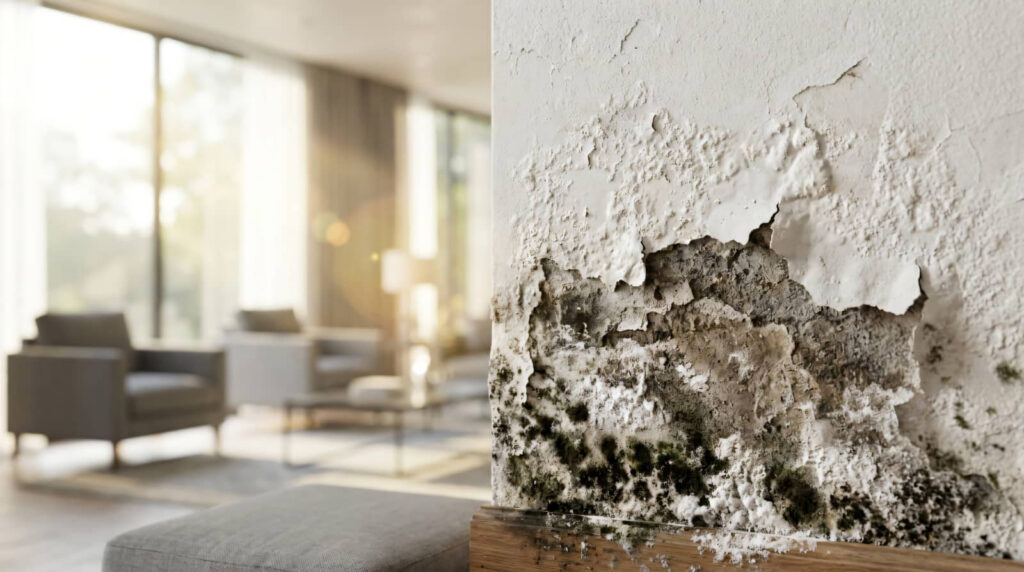
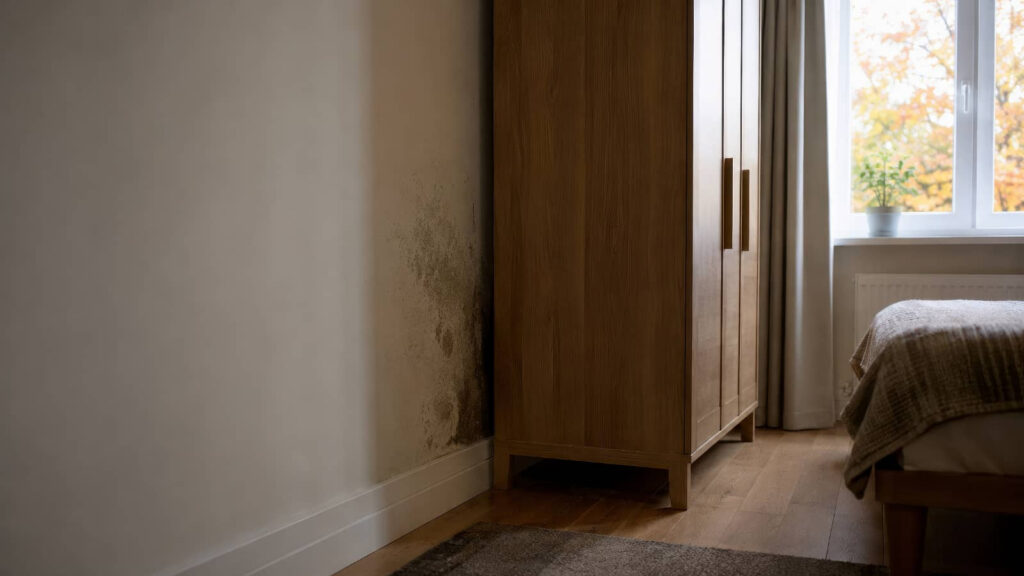
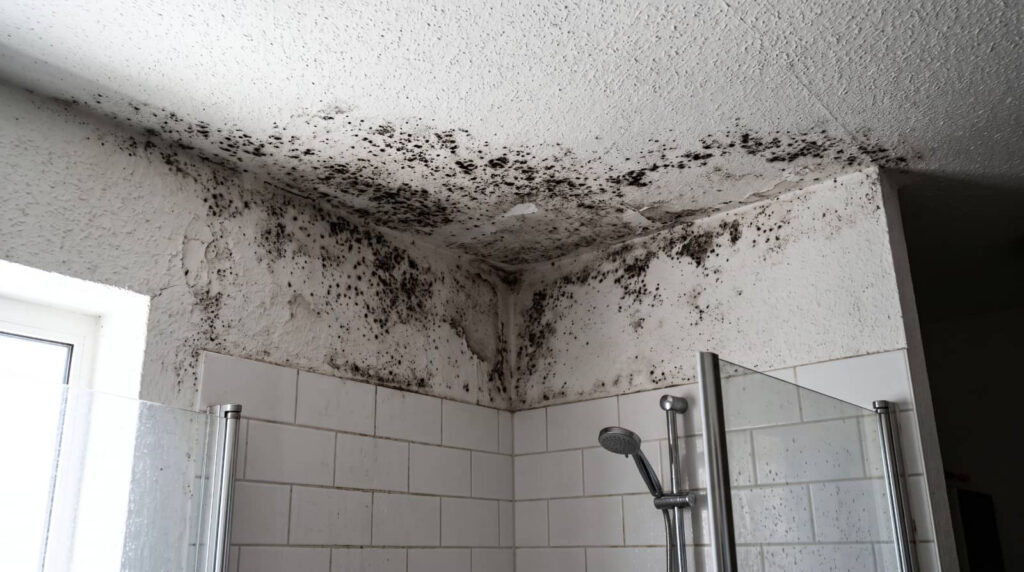
When water lingers in your home, mold can begin developing within 24 to 48 hours, so emergency extraction needs to start immediately. You protect your space by removing standing water, drying hidden cavities, and stabilizing indoor conditions before spores spread. Quick action interrupts the mold lifecycle and helps you keep your home safe for everyone inside.
- Extract water from floors, walls, and carpets fast
- Dehumidify air to support humidity control
- Inspect insulation, baseboards, and vents for trapped moisture
A restoration team uses calibrated moisture meters and targeted drying to verify complete removal. That precision reduces contamination risk and helps you feel confident your home is coming back to normal.
With the right response, you won’t just dry the damage—you’ll protect the community you live in.
Use Professional Drying Methods
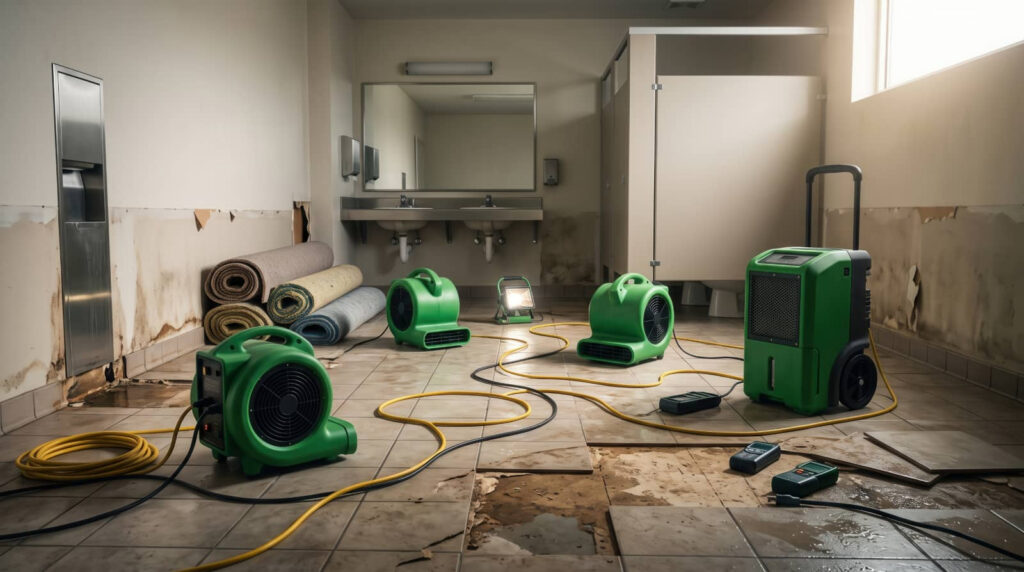
You should use professional drying methods because specialized equipment, like air movers and dehumidifiers, removes moisture far more efficiently than basic fans.
This controlled drying process speeds up moisture removal and helps limit hidden water in walls, floors, and structural cavities.
It also supports mold prevention by reducing the conditions that allow spores to grow.
Specialized Drying Equipment
Specialized drying equipment speeds recovery by pulling moisture from materials more effectively than standard household fans or dehumidifiers. You get controlled airflow, targeted heat, and balanced humidity that support specialized techniques and effective solutions.
That means your walls, floors, and framing dry in a coordinated way, reducing stress on the structure and helping you feel confident in the process.
- Injectidry systems move air through hidden cavities.
- Low-grain refrigerant dehumidifiers stabilize indoor humidity.
- Air movers direct surface moisture away efficiently.
When you work with trained technicians, you’re not left guessing which tool fits each material.
They select equipment based on saturation level, building type, and material density, so you’re part of a precise, professional drying plan that supports your home’s recovery.
Faster Moisture Removal
Professional drying methods remove moisture faster by combining measured airflow, dehumidification, and cavity drying to target water where it’s trapped.
You get a controlled process that reaches wall voids, subfloors, and other hidden areas before moisture lingers. Your team uses moisture detection to verify readings, then updates the damage assessment so every step matches the actual conditions.
That precision helps you recover with confidence, not guesswork. Instead of waiting for surfaces to air-dry unevenly, you benefit from equipment calibrated to move moisture out of materials efficiently.
You stay informed as technicians adjust settings based on progress, keeping the restoration focused and effective. When you work with trained pros, you’re part of a system designed to dry faster, protect materials, and restore normal comfort sooner.
Mold Prevention Strategies
Fast, controlled drying does more than remove visible water—it helps stop mold before it starts. You protect your space by using professional drying methods that target hidden moisture in walls, subfloors, and insulation.
Technicians use mold identification techniques to spot early growth, then adjust equipment for complete evaporation. That precision lowers risk and keeps your home safer.
- Place air movers to accelerate surface drying
- Use dehumidifiers for strict indoor humidity control
- Monitor moisture with meters until readings normalize
When you act quickly, you reduce the chance of spores spreading and keep your belongings and structure in better condition.
You’re not just drying a room; you’re protecting the environment your household depends on.
Prevent Mold and Odors
Once the visible water is gone, you still need to address lingering moisture to prevent mold growth and musty odors.
You’ll want trained technicians to measure hidden dampness, dry materials to safe levels, and keep humidity under control. This level of mold prevention protects your indoor air and helps your home feel comfortable again.
For odor control, they can remove contaminated water, apply targeted antimicrobial treatments, and use professional air-moving and filtration equipment to reduce odor-causing particles.
You’re not handling the cleanup alone; you’re working with a team that knows how to restore a healthy environment efficiently. That support matters when you want your space to feel clean, fresh, and ready for everyday life.
Save Walls, Floors, and Equipment
When restoration starts quickly, technicians can often salvage walls, flooring, and equipment before damage becomes permanent. You get targeted wall protection that limits swelling, staining, and joint failure while crews extract moisture and monitor drying.
For flooring, they map saturation levels and use controlled airflow to reduce cupping, buckling, and adhesive breakdown. For equipment preservation, they isolate appliances, electronics, and machinery, then dry and inspect components to prevent corrosion and short-term loss.
- Protect finishes before they delaminate
- Stabilize subfloors before structural repair
- Preserve assets so replacement costs stay lower
This approach helps you keep your space functional and your team confident. You’re not just cleaning up water; you’re restoring the systems that make your property work.
Keep Employees Safe During Cleanup
During cleanup, your restoration team should control the work zone so employees aren’t exposed to slip hazards, airborne contaminants, or energized equipment.
You protect your crew by enforcing safety protocols, isolating wet areas, and verifying that power stays off before anyone enters.
With clear employee training, your people know how to wear PPE, recognize unstable surfaces, and report concerns fast.
You also keep traffic routes open, mark restricted spaces, and use ventilation to support safer air quality.
When you hire a qualified restoration company, you get a team that works like yours, communicates clearly, and keeps everyone aligned.
That shared discipline lowers injury risk, reduces confusion, and helps your staff feel secure while cleanup moves forward.
Document Damage for Insurance Claims
You should photograph all affected areas before cleanup begins, since clear image evidence supports your insurance claim.
Record detailed notes on the damaged materials, affected rooms, and visible water sources so you can verify the full scope of loss.
Keep these records organized and dated, because insurers often rely on precise documentation to assess coverage and payout.
Photo Evidence Matters
Before cleanup begins, take clear, time-stamped photos of every affected area, including standing water, warped materials, stained walls, damaged furniture, and visible mold growth. Your photo documentation gives adjusters visual evidence that supports your claim and shows the scope of loss before anyone moves items or starts drying. You’re protecting your place and helping your insurer see the full impact.
- Capture wide shots first, then close-ups.
- Include room corners, ceilings, baseboards, and flooring.
- Keep your phone date and time settings accurate.
When you work with a restoration team, you’re not alone; they’ll help you document conditions without changing the scene. This simple step can strengthen your claim, reduce disputes, and keep your recovery moving with confidence.
Detailed Damage Records
Detailed damage records give your insurance claim structure and credibility, so log every affected item, room, and surface as soon as it’s safe to do so. You should note material type, visible staining, warping, odors, and electrical or structural concerns.
Include dates, times, and the person completing each entry, because that detail supports a clean damage assessment. Keep receipts, drying reports, and technician notes together so you can trace costs and track the restoration timeline without confusion.
If you’re working with a restoration company, ask for updated logs after each visit. Clear records help your adjuster verify losses faster and help you feel informed, organized, and included throughout the process.
When your documentation stays precise, your claim moves with fewer delays and more confidence.
Restore Operations Faster
A skilled water damage restoration company can get your operations back online faster by moving quickly from assessment to extraction, drying, sanitation, and repair.
You’ll benefit from disciplined restoration techniques that reduce downtime and help your team re-enter the space with confidence. Their recovery strategies prioritize critical areas first, so you’re not waiting while minor details are sorted out.
- Rapid moisture mapping identifies affected zones
- Industrial drying equipment accelerates safe cleanup
- Coordinated crews keep each step moving
You stay informed through each stage, and that clarity helps your staff feel supported, not stranded.
With precise scheduling and technical execution, your facility returns to service in a controlled, efficient way that protects workflow and keeps your people connected to the recovery process.
Avoid Costly Repairs and Repeat Damage
Fast restoration doesn’t just get your facility open sooner—it also helps prevent hidden moisture from turning into expensive structural repairs later. You avoid warped framing, corrosion, mold growth, and weakened insulation when trained technicians inspect, extract, dry, and verify each affected area.
Their equipment targets moisture behind walls and under flooring, where damage often spreads unnoticed. With a clear cost analysis, you can compare immediate service against future repairs, lost inventory, and downtime. That practical view shows why quick action delivers long term savings.
You’re also protecting your team and joining a community of owners who value smart maintenance and dependable recovery. When you act early, you reduce repeat damage, preserve asset performance, and keep your space safer for everyone who depends on it.
Frequently Asked Questions
How Soon Should Water Damage Restoration Begin After a Leak?
Begin restoration immediately, ideally within 24 hours, because moisture spreads fast. You’ll reduce structural damage, mold risk, and cleanup costs. Prompt emergency response also supports leak prevention by revealing hidden failures before they worsen.
Can Insurance Cover All Restoration Costs?
Insurance coverage can cover much of your water damage restoration costs, but not always all. You’ll need to review your policy, deductibles, and exclusions carefully. Like a safety net, it helps, yet gaps can still appear.
How Do Restoration Teams Detect Hidden Moisture?
You’ll find hidden moisture using moisture detection tools like thermal cameras, hygrometers, and moisture meters. Restoration equipment maps damp areas behind walls and under floors, so you’re guided clearly, safely, and confidently through drying.
What Signs Indicate Structural Damage After Flooding?
You’ll notice structural damage if floors slope, walls crack, doors stick, or the foundation shifts. Check foundation integrity and watch for mold growth, which often signals trapped moisture and hidden deterioration after flooding.
How Long Does Commercial Water Damage Restoration Usually Take?
You’ll usually see commercial water damage restoration take 3–10 days, but the restoration timeline depends on commercial factors like square footage, contamination, materials, and drying needs. You’re not alone; we’ll keep it precise and manageable.
Wrap-Up
When you hire a water damage restoration company, you protect your commercial property before hidden moisture turns into mold, structural damage, or recurring losses. In one industry estimate, 1 inch of standing water can cause more than $25,000 in damage, underscoring how fast costs escalate. With rapid extraction, controlled drying, and clear documentation, you can restore operations safely, support insurance claims, and limit disruption while keeping your employees and assets protected.