Just as a ship must navigate through turbulent waters to reach calm seas, effective flood cleanup requires adhering to best practices for safety and efficiency. Ignoring these protocols can lead to health hazards and extensive damage, making recovery more challenging. Understanding the importance of timely action and the right techniques can greatly impact your restoration efforts. Are you prepared to ensure your cleanup process is both safe and effective?
Key Takeaways
- Following best practices minimizes damage and reduces health hazards associated with mold and contamination after a flood.
- Proper cleanup safeguards property and promotes community health, creating a safer environment for everyone.
- Adhering to safety protocols prevents accidents, such as electrical shocks and exposure to hazardous materials.
- Engaging professionals ensures thorough restoration and effective handling of complex insurance claims, saving time and resources.
- Implementing best practices fosters emotional recovery, helping families regain normalcy and preserve cherished belongings after a flood.
Importance of Timely Flood Cleanup
When flooding occurs, acting quickly to clean up is essential to minimize damage and prevent health hazards. The flood aftermath can create an environment ripe for mold growth and contamination, which poses serious health risks. By initiating cleanup promptly, you not only protect your property but also safeguard the health of your family and neighbors.
Community support plays a vital role during this challenging time. Engaging with local resources and volunteers can expedite the cleanup process, ensuring that no one feels isolated in their struggle.
By working together, you can share tools, expertise, and manpower, which greatly reduces individual burdens. Additionally, maintaining open communication fosters a sense of belonging, reminding everyone that they’re not alone in facing these challenges.
Timely cleanup isn’t just about restoring your home; it’s about strengthening community ties and fostering resilience in the face of adversity.
Safety Precautions During Cleanup
When cleaning up after a flood, prioritizing safety is essential.
You need to wear appropriate personal protective equipment, ensure electrical safety, and handle hazardous materials correctly to minimize risks.
Personal Protective Equipment
As you prepare for flood cleanup, it’s important to prioritize personal protective equipment (PPE) to secure your safety.
Using the right PPE types helps shield you from contaminants and hazards present in floodwaters. Ensure you maintain your PPE properly for maximum effectiveness.
Here’s what you should consider:
Gloves: Use waterproof gloves to protect your hands from chemicals and toxins.
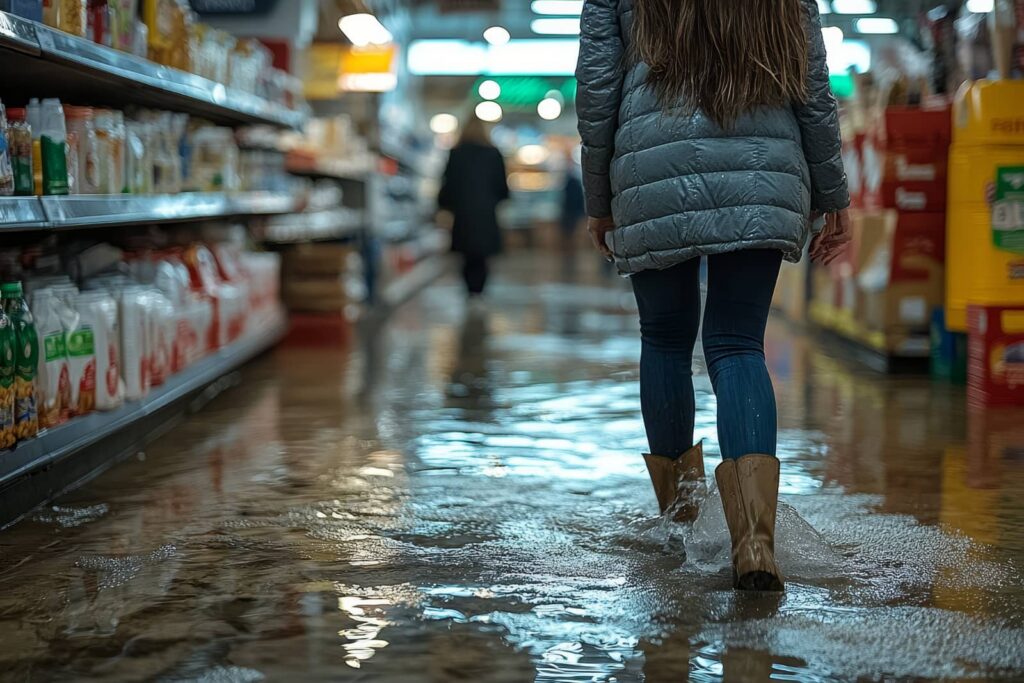
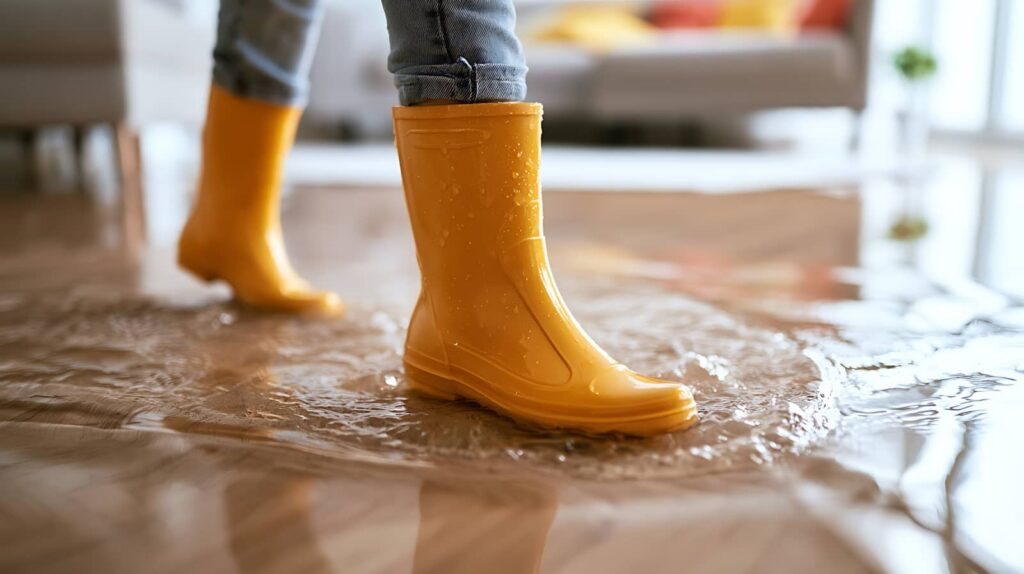
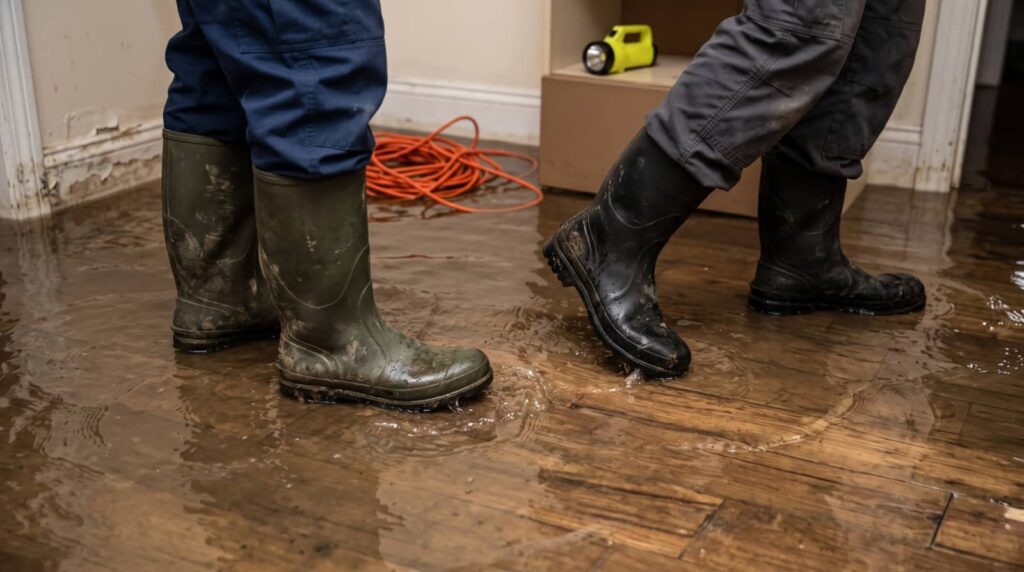
Boots: Wear waterproof, knee-high boots to keep your feet dry and safe from sharp objects.
Masks: A mask or respirator protects you from inhaling harmful particles and mold spores.
Electrical Safety Measures
Since floodwaters can damage electrical systems and create hazardous conditions, you must prioritize electrical safety during cleanup.
Start by disconnecting all power sources to prevent shock hazards. Before re-establishing electricity, conduct thorough electrical inspections of your home. Look for signs of damage, such as frayed wires or water intrusion in outlets.
It’s vital to ensure circuit safety by using ground-fault circuit interrupters (GFCIs) when working in damp areas. If you’re unsure about the condition of your electrical systems, consult a licensed electrician for professional advice.
Hazardous Material Handling
Following electrical safety measures, it’s important to address hazardous materials that may be present after a flood.
You need to recognize the risks associated with hazardous waste and potential chemical exposure. To ensure your safety during cleanup, follow these precautions:
Wear protective gear: Use gloves, masks, and goggles to shield yourself from harmful substances.
Identify hazardous materials: Look for chemicals, fuels, and other toxic substances that could pose risks during cleanup.
Dispose properly: Follow local regulations for the disposal of hazardous waste to prevent environmental contamination.
Assessing Water Damage Severity
When evaluating water damage severity, it’s vital to quickly identify the extent and type of damage to mitigate further issues. Start with a thorough water level analysis; this helps you determine how deep the water reached and which areas are most affected.
Look for signs of saturation in walls, floors, and personal belongings. Next, conduct a structural integrity examination to determine whether the building remains safe for occupancy. Check for warping, cracks, or mold growth, as these can indicate deeper issues requiring immediate attention.
Remember, addressing both visible and hidden damage is critical for effective restoration. By accurately determining the severity, you can prioritize your cleanup efforts, preventing long-term damage and ensuring a safer environment for everyone involved.
This proactive approach protects your property and fosters a sense of community responsibility among those affected.
Proper Equipment for Flood Restoration
To effectively restore a flood-damaged area, having the right equipment is fundamental. Using proper flood restoration equipment speeds up the process and ensures a thorough job. Your toolbox should include important tools that cater to various aspects of the restoration.
Water Extractors: These powerful machines remove standing water quickly.
Dehumidifiers: They help to reduce humidity and prevent mold growth, which is essential for a successful restoration.
Protective Gear: Gloves, boots, and masks protect you from contaminants in floodwater.
With these important tools, you’re better equipped to tackle the challenges posed by flooding.
Effective Techniques for Water Extraction
One of the most essential steps in flood cleanup is effective water extraction, and utilizing the right techniques can greatly enhance efficiency.
You’ll want to start with powerful pumps for quick water removal, as they can handle large volumes with minimal effort. Submersible pumps are particularly effective in deep water situations, while trash pumps can tackle debris-laden water.
Next, consider extraction methods like wet vacuums for smaller areas or carpets. They’re great for extracting residual moisture that pumps may leave behind. Additionally, using specialized equipment like water extractors can speed up the process and minimize damage.
Don’t forget to assess the area carefully; ensure you’re addressing hidden pockets of water that can lead to further issues.
Combining these effective techniques will streamline your cleanup and create a safer environment for you and your community moving forward.
Mold Prevention Strategies
To effectively prevent mold growth after a flood, you need to act quickly.
Timely water removal, proper ventilation techniques, and using dehumidifiers are essential steps in controlling moisture levels.
Implementing these strategies can greatly reduce the risk of mold development in your space.
Timely Water Removal
Since mold can begin to develop within 24 to 48 hours after water exposure, timely water removal is essential in preventing its growth.
Effective water extraction and moisture control strategies are your best allies in this fight.
Here are key actions you should take:
Act quickly: Begin water removal as soon as possible to minimize damage and mold risk.
Use proper equipment: Employ industrial dehumidifiers and pumps for efficient water extraction.
Monitor humidity levels: Keep an eye on indoor humidity, aiming for a level below 60% to deter mold.
Proper Ventilation Techniques
Proper ventilation techniques play a critical role in mold prevention, especially after flood damage. You need to implement effective ventilation methods to promote air circulation in affected areas.
Start by opening windows and doors to facilitate natural airflow, which helps reduce humidity levels. Use fans strategically to direct airflow and enhance circulation, ensuring damp spots dry quickly.
In enclosed spaces, consider exhaust fans to expel moist air outside. Additionally, maintaining a consistent temperature can help minimize condensation, which contributes to mold growth.
Regularly check and clean any ventilation systems, ensuring they’re free from debris. By prioritizing proper ventilation, you’ll create an environment less conducive to mold development and enhance the overall safety of your living space.
Use of Dehumidifiers
Effective mold prevention strategies also involve the use of dehumidifiers, which can greatly reduce humidity levels in flood-affected areas.
By implementing moisture control measures, you can substantially mitigate mold growth.
Dehumidifiers offer several key benefits:
Rapid Drying: They quickly remove excess moisture from the air, speeding up the drying process.
Mold Prevention: Lower humidity levels create an unfavorable environment for mold spores, reducing the risk of growth.
Improved Air Quality: Dehumidifiers help maintain a healthier indoor atmosphere by minimizing musty odors and allergens.
Investing in a quality dehumidifier is essential for effective flood cleanup and long-term mold prevention.
This proactive step fosters a safe, clean environment for you and your loved ones.
Restoration of Personal Belongings
When floodwaters recede, the challenge of restoring personal belongings begins, and understanding the right steps can greatly impact the recovery process.
First, assess the damage to your items, prioritizing those with significant sentimental value. Document everything with photographs before starting any restoration techniques.
For paper items, air-dry them in a cool, dry place, and consider using a freezer for preservation.
For textiles, washing them with a gentle detergent can be effective, but avoid heat, as it may set stains.
Wood furniture requires drying and, if warped, careful sanding and refinishing.
Use specialized cleaning products for electronics, but remember to consult professionals for complex devices.
While you may feel overwhelmed, following these restoration techniques can help you salvage cherished memories and belongings, ensuring you reclaim a sense of normalcy and comfort in your home.
When to Seek Professional Help
After evaluating and attempting to restore your belongings, you may realize that some situations require expertise beyond your capabilities.
It’s vital to seek professional help when faced with significant challenges. A professional assessment can save you time, money, and further damage to your property.
Here are three scenarios where you should consider calling experts:
Extensive Water Damage: If water has permeated walls or flooring, you risk mold growth and structural issues.
Contaminated Water: Floodwaters can carry harmful substances. Professionals have the equipment to handle biohazards safely.
Complex Insurance Claims: Managing flood insurance claims can be overwhelming. Experts can assist in documenting damages accurately.
Don’t hesitate to reach out for professional help. It ensures that your belongings are properly restored and that you comply with the required safety protocols.
Frequently Asked Questions
What Are the Long-Term Effects of Improper Flood Cleanup?
Improper flood cleanup can lead to persistent health risks from mold and contaminants, while also causing structural damage that compromises your property’s integrity. Ignoring these issues can result in costly repairs and health complications later.
How Can I Prepare for Future Flooding Events?
You’ll want to prepare like a superhero facing a monsoon. Start with flood preparedness tips: create an emergency kit with essentials like water, non-perishable food, first aid supplies, and a flashlight to stay safe and organized.
What Insurance Coverage Is Available for Flood Damage?
You can get flood insurance through the National Flood Insurance Program or private insurers, each offering various coverage limits. It’s essential to evaluate your property’s risk and choose a policy that meets your needs.
Can I Use Regular Cleaning Supplies for Flood Cleanup?
You can’t rely solely on regular cleaning supplies for flood cleanup; their cleaning effectiveness falls short. Prioritize flood safety by using specialized products that eliminate contaminants and ensure a thorough, safe restoration.
How Do I Identify Hidden Water Damage in My Home?
To identify hidden water damage, use water detection tools and conduct a moisture assessment in walls, floors, and ceilings. Look for discoloration, mold, or musty odors that indicate potential issues within your home.
Final Thoughts
Following best practices for flood cleanup isn’t just about restoring your space; it’s about ensuring safety and preventing long-term issues. By acting quickly and using the right techniques and equipment, you can minimize damage and protect your health. Isn’t it worth the effort to safeguard your home and belongings from the dangers of mold and contamination? Remember, if the situation feels overwhelming, don’t hesitate to seek professional help to ensure a thorough recovery.