Choosing reliable tools, investing in quality gear, and prioritizing safety are vital when tackling flood cleanup. The right equipment speeds up the process while reducing risks associated with hazardous conditions. By focusing on effective solutions, you can enhance your cleanup efforts considerably. But what features should you look for, and how do they impact your overall success? Understanding these factors is essential for making informed decisions.
Key Takeaways
Quality equipment enhances efficiency, ensuring faster and more effective flood cleanup, which minimizes damage and overall recovery time.
Reliable tools reduce risks associated with hazardous conditions, promoting safer cleanup environments for users.
Investing in advanced features, like ergonomic designs and multi-functional tools, improves user comfort and effectiveness during prolonged use.
Modern equipment with advanced filtration and dehumidification capabilities prevents mold growth, safeguarding health and property.
Choosing trusted brands ensures durability and long-term cost-effectiveness, leading to significant savings on repairs and replacements.
The Importance of Quality Equipment in Flood Cleanup
When it comes to flood cleanup, the significance of quality equipment can’t be overstated. You need tools that offer equipment durability and user-friendly design, ensuring you can tackle the job efficiently.
Consider maintenance tips to prolong the life of your gear and evaluate the cost-effectiveness of your choices. With technology advancements, modern equipment boasts impressive performance ratings, making brand comparisons essential.
Look for options that emphasize versatility, allowing you to handle various cleanup tasks effortlessly. Don’t forget to assess warranty options, as they provide peace of mind.
Additionally, think about environmental considerations; choosing eco-friendly equipment can enhance your cleanup efforts while fostering a sense of community responsibility. Quality equipment isn’t just about function—it’s about belonging to a proactive solution.
Must-Have Features for Effective Flood Cleanup Equipment
Quality equipment plays an essential role in flood cleanup, but it’s the specific features that determine effectiveness. Look for advanced filtration systems that capture even the smallest particles, ensuring a thorough clean.
Portable dehumidifiers are essential for preventing mold growth, while eco-friendly cleaners help protect your environment. Ergonomic design features make handling easier, reducing strain during extended use.
Noise reduction technology is crucial for maintaining a peaceful atmosphere, especially in residential areas. Multi-functional tools save space and time, and energy efficiency ratings can greatly lower your utility costs.
Ease of transportation is critical for quick deployment, while user-friendly controls simplify operation. Finally, verify that all equipment meets durability standards to withstand challenging conditions.
Essential Equipment for Effective Flood Cleanup: Tools You Need
To tackle flood cleanup effectively, you need the right tools to ensure safety and efficiency.
Water extraction equipment is essential for removing excess moisture quickly, while drying tools and techniques help prevent mold growth.
Don’t forget about safety gear; protecting yourself is just as important as restoring your space.
Water Extraction Equipment
Although flood cleanup can be a challenging task, having the right water extraction equipment makes all the difference in restoring your space efficiently.
To successfully implement effective water removal techniques, you need powerful tools like submersible pumps and industrial-grade wet vacuums. These tools quickly eliminate standing water, reducing the risk of mold and further damage.
Moreover, regular equipment maintenance ensures your tools perform at their best when you need them most. By keeping your equipment in top shape, you enhance your cleanup efforts and foster a sense of community resilience.
Investing in quality water extraction equipment expedites the process and gives you peace of mind, knowing you’re taking the right steps to protect your home and loved ones.
Drying Tools and Techniques
Effective flood cleanup hinges on the right drying tools and techniques, and having at least three key pieces of equipment can greatly enhance your restoration efforts.
Start with moisture measurement devices to assess the extent of water damage accurately. This will guide your drying methods, ensuring you target the most affected areas effectively.
Next, invest in high-capacity air movers to circulate air and expedite evaporation. Combining these with dehumidifiers will help you lower humidity levels, preventing mold growth.
Finally, thermal imaging cameras can reveal hidden moisture pockets, allowing for thorough drying.
Safety Gear Essentials
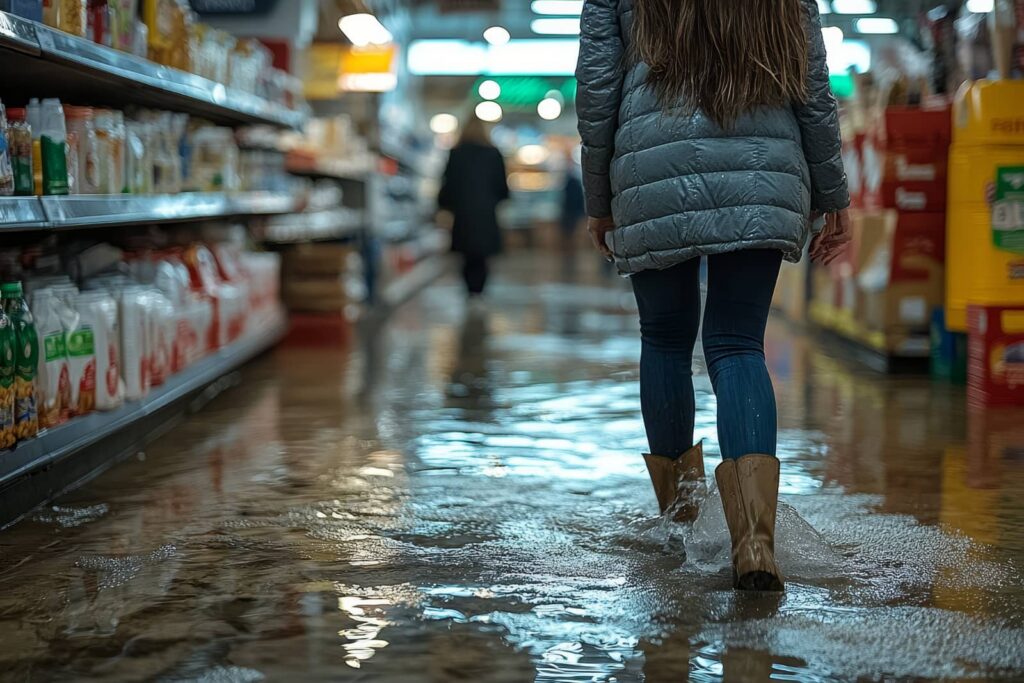
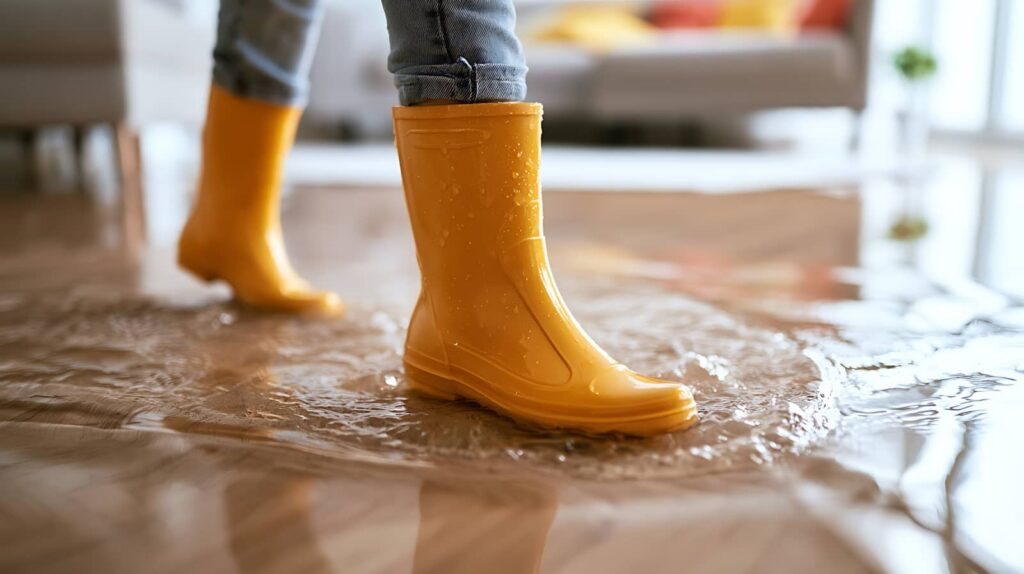
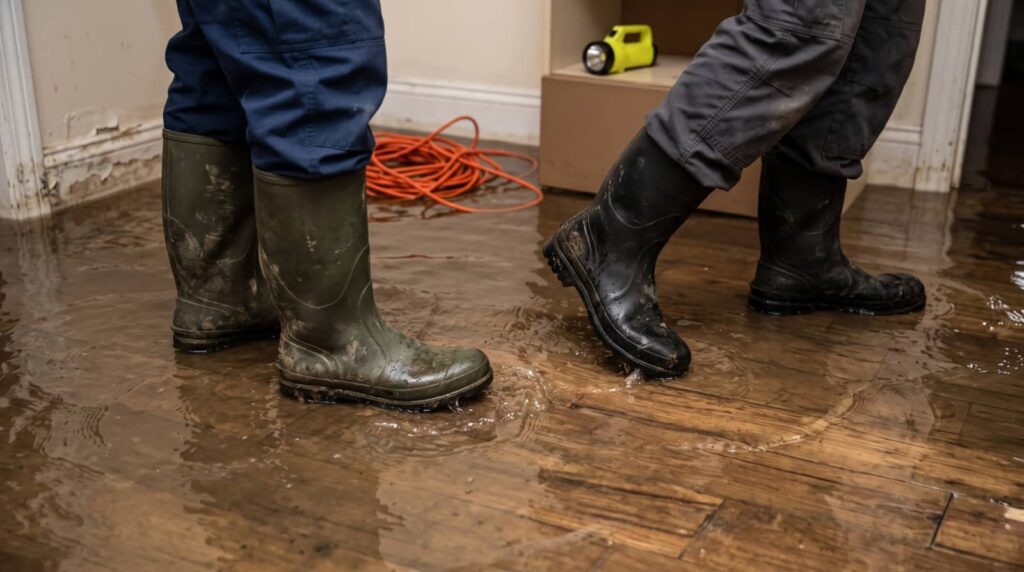
When tackling flood cleanup, having the right safety gear is vital for protecting yourself and ensuring an efficient recovery process. Start with durable protective clothing, including waterproof boots and gloves, to shield against contaminants.
Safety goggles and masks are essential for hazard awareness, keeping you safe from harmful debris and pathogens. Don’t overlook the importance of proper gear maintenance; inspect your equipment regularly to confirm it’s in top condition. This enhances your safety and builds confidence in your ability to handle the cleanup effectively.
How Quality Equipment Cuts Cleanup Time
Using quality equipment considerably reduces your cleanup time by streamlining water extraction methods, enhancing drying techniques, and improving surface cleaning tools.
When you invest in high-performance gear, you boost efficiency while minimizing the risk of secondary damage.
Fast, effective cleanup is essential, and the right tools make all the difference.
Faster Water Extraction Methods
Although flooding can wreak havoc on your property, investing in quality water extraction equipment greatly speeds up the cleanup process.
Using advanced extraction methods, you can remove water efficiently, minimizing damage and preventing mold growth. Innovative techniques, like high-capacity pumps and powerful vacuums, allow you to tackle large volumes of water quickly.
This saves time and reduces the overall cost of repairs. When you choose top-tier equipment, you’re not just making a purchase; you’re ensuring a swift return to normalcy for your home and family.
Enhanced Drying Techniques
After effectively extracting water, the next step in flood cleanup is ensuring that your space dries thoroughly and quickly.
Using quality equipment can greatly enhance this process. Advanced moisture detection tools allow you to pinpoint hidden damp areas, ensuring no moisture lingers to create mold or structural damage.
Coupled with innovative drying solutions, such as high-capacity air movers and dehumidifiers, you’ll create an efficient drying environment that cuts your cleanup time dramatically.
These tools work synergistically to maximize airflow and reduce humidity, protecting your home and belongings.
Investing in the best equipment accelerates recovery while fostering a sense of belonging and safety in your space, enabling you to move forward with confidence.
Improved Surface Cleaning Tools
When tackling flood cleanup, having the right surface cleaning tools can greatly reduce your overall recovery time. Quality equipment enables you to employ effective surface cleaning techniques that target embedded dirt and contaminants.
Specialized cleaning solutions enhance these techniques, ensuring you eliminate harmful bacteria and mold effectively. With tools designed for various surfaces, you can clean efficiently, preventing further damage and promoting quicker recovery.
Investing in advanced equipment speeds up the process and builds a sense of community as you share your success stories with others facing similar challenges.
Is It Worth It? The Cost of Quality Flood Cleanup Tools?
Wondering if investing in quality flood cleanup tools is truly worth it? The answer lies in understanding the cost benefits.
While initial expenses might seem steep, consider the long-term savings these tools provide. High-quality equipment often reduces cleanup time and minimizes the risk of damage, preventing costly repairs down the line.
You’re not just buying tools; you’re investing in peace of mind and efficiency. By choosing durable, effective gear, you’ll find yourself tackling flood challenges with confidence, knowing you won’t need frequent replacements or repairs.
This not only fosters a sense of belonging within your community but also positions you as someone who values quality and reliability.
Ultimately, the choice you make can lead to significant savings and a smoother cleanup experience.
Safety Tips for Using Flood Cleanup Equipment
When you’re tackling flood cleanup, using the right personal protective equipment (PPE) is essential for your safety.
You’ll also want to master proper equipment handling to avoid accidents and maximize efficiency.
Prioritizing these safety measures protects you and ensures a more effective cleanup process.
Personal Protective Equipment
Proper personal protective equipment (PPE) is essential for anyone involved in flood cleanup, as it safeguards against hazardous conditions.
You need high-quality protective gear that meets safety standards to minimize risks like exposure to contaminated water, sharp objects, and harmful chemicals.
Start with waterproof gloves and boots, ensuring they fit snugly to prevent slips and exposure. A mask will protect you from inhaling mold spores and other particulates, while safety goggles shield your eyes from debris.
Don’t overlook the importance of durable coveralls that resist chemical penetration.
Proper Equipment Handling
Handling flood cleanup equipment requires a keen awareness of safety protocols to prevent accidents and injuries. You must prioritize equipment safety by familiarizing yourself with each tool’s manual and operational guidelines.
Always inspect your equipment before use; proper tool maintenance can greatly reduce the risk of malfunction. Wear appropriate personal protective gear like gloves and boots, ensuring you’re prepared for any hazardous conditions.
When using heavy machinery, maintain a clear workspace and communicate effectively with team members. This teamwork not only fosters a sense of belonging but also enhances safety.
Finally, remember to store your tools securely to prolong their lifespan and minimize hazards. Embracing these practices will keep you and your team safe throughout the cleanup process.
Common Mistakes to Avoid With Flood Cleanup Tools
While the right tools can greatly ease flood cleanup, many people make critical mistakes that can hinder their progress and safety. One common issue is neglecting equipment maintenance tips; failing to clean and inspect tools can lead to malfunctions when you need them most.
Additionally, overlooking safety gear is a significant error; without proper protection, you expose yourself to harmful contaminants.
Another mistake is misusing cleanup tools, which can cause damage and prolong the process. It’s essential to familiarize yourself with each tool’s intended use to avoid these cleanup tool errors.
Best Practices for Effective Flood Cleanup
Neglecting best practices during flood cleanup can greatly slow your progress and increase risks.
Start by evaluating flood damage thoroughly; this helps you prioritize cleanup strategies. Use community resources like local organizations for support and volunteer involvement, which can foster a sense of belonging.
Always check insurance considerations to ensure you’re covered for losses. Familiarize yourself with local regulations to avoid additional complications.
Create a clear plan that includes recovery timelines, as this keeps you focused and motivated.
Remember, the emotional impact of flooding can be overwhelming, so lean on your community for support.
Renting vs. Buying Flood Cleanup Equipment: Which Is Better?
When it comes to flood cleanup, should you rent or buy your equipment? Renting offers distinct advantages, especially if you’re facing a one-time disaster. You save on storage, maintenance, and upfront costs, allowing you to allocate resources elsewhere.
Plus, rental companies often provide the latest gear, ensuring you’re equipped with efficient tools.
On the other hand, buying has its benefits. If you anticipate regular flood issues, investing in quality equipment can prove cost-effective over time.
Ownership means you’re always ready, without delays or rental fees.
Ultimately, your decision should reflect your specific needs and future plans. Weigh the renting advantages against buying benefits carefully, and choose the option that best supports your community’s recovery efforts.
Top Brands for Flood Cleanup Tools
As you gear up for flood cleanup, choosing the right tools from reputable brands can greatly impact your efficiency and effectiveness.
Top-rated brands like DeWalt, Milwaukee, and RIDGID lead the market with innovative technologies designed specifically for water damage recovery. Their equipment, from powerful wet/dry vacuums to industrial-grade pumps, enables you to tackle cleanup swiftly and thoroughly.
Investing in these trusted brands enhances your productivity and provides peace of mind, knowing you’re backed by quality and reliability.
When you opt for tools that professionals rely on, you connect with a community that values excellence.
Frequently Asked Questions
How Do I Maintain Flood Cleanup Equipment for Longevity?
To maintain your flood cleanup equipment for longevity, establish a regular maintenance schedule and ensure proper equipment storage. Clean, inspect, and store your tools correctly to prevent damage and extend their lifespan. Your efforts matter.
Can I Use Regular Tools for Flood Cleanup?
Sure, you can use regular tools, but expect flood recovery strategies to become a comedy show. Their effectiveness plummets against water’s wrath. Invest in proper equipment; your sanity and success in cleanup depend on it!
What Are the Environmental Impacts of Flood Cleanup Equipment?
Flood cleanup equipment impacts the environment through energy consumption and waste generation. By choosing tools made from sustainable materials and prioritizing equipment efficiency, you enhance your cleanup efforts and contribute to a healthier planet.
How Do I Choose Equipment Based on Flood Severity?
To choose equipment based on flood severity, use flood assessment techniques to gauge water levels and damage. Confirm the equipment meets durability standards to withstand harsh conditions, providing you with reliability and peace of mind during cleanup.
Are There Training Programs for Using Flood Cleanup Tools?
Yes, you’ll find various flood training courses and tool safety workshops designed to enhance your skills. Participating boosts your confidence and connects you with others who prioritize effective flood cleanup.
Conclusion
Investing in the best flood cleanup equipment is like choosing the right anchor in a storm; it keeps you steady when chaos strikes. Quality tools streamline your efforts and ensure your safety and well-being during the recovery process. Remember, when the waters recede, the right gear can make all the difference in rebuilding your life and community. Don’t underestimate the power of quality—it’s your lifeline when you need it most.