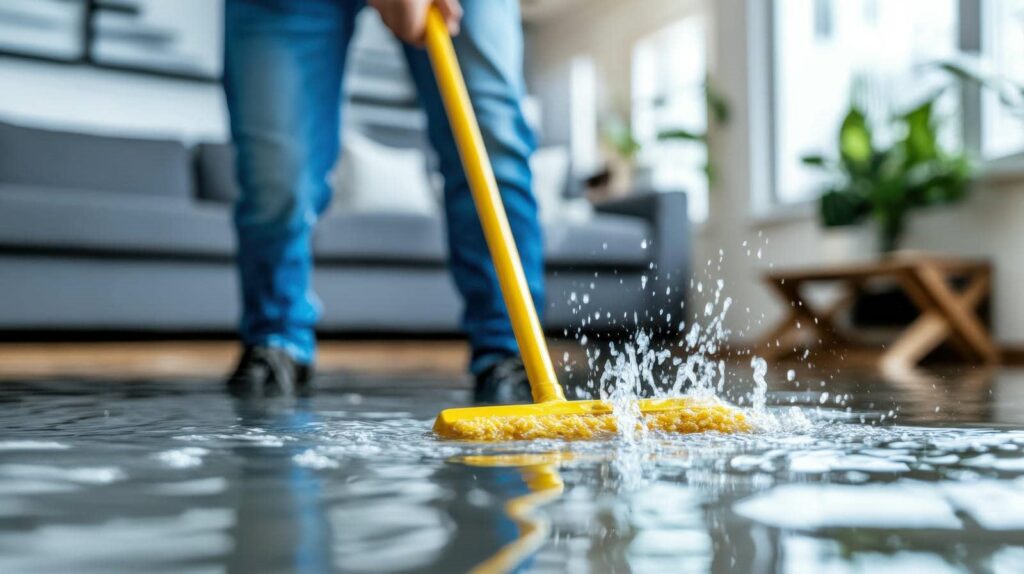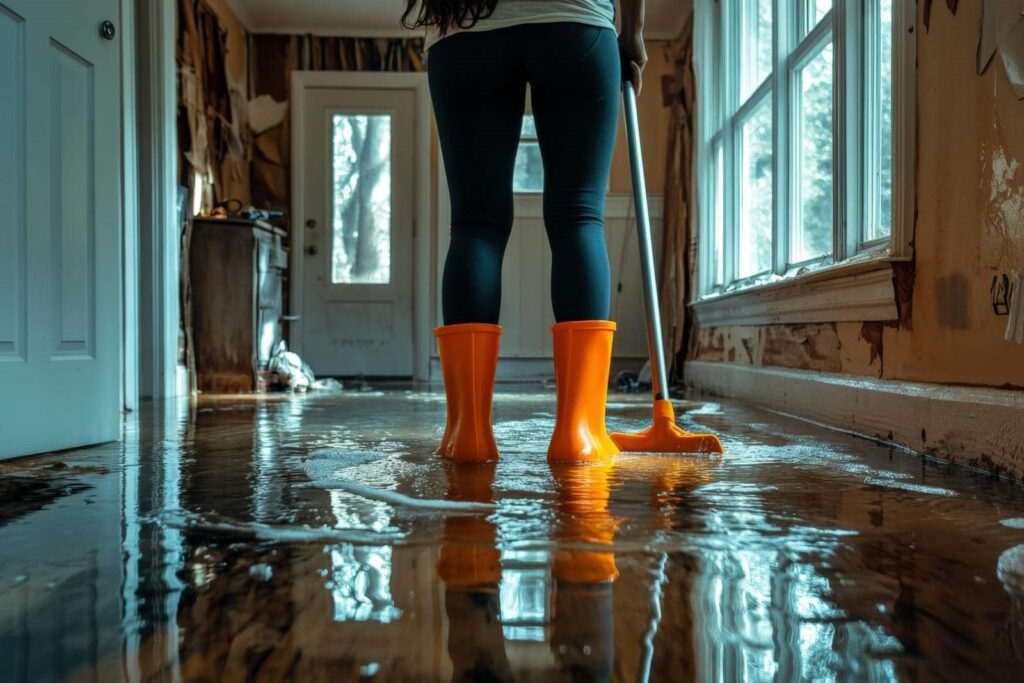
Think of water damage cleanup like a puzzle; every piece needs to fit just right to restore your home. Choosing DIY techniques puts you in the driver’s seat, allowing you to tackle minor flooding or leaks head-on. With the right tools and a little guidance, you can effectively manage the situation while saving money. But before you grab that mop, there are important factors to contemplate that could make or break your cleanup efforts.
Key Takeaways
- DIY techniques can save money on costly professional services while allowing homeowners to take immediate action against water damage.
- Engaging in cleanup empowers individuals to learn essential skills for future maintenance and prevention of water-related issues.
- The process fosters a sense of community by encouraging collaboration among neighbors in tackling shared challenges.
- DIY cleanup allows for personalized attention to specific needs and situations, ensuring thoroughness in addressing unique damage.
- Immediate action through DIY methods can prevent further damage and reduce the risk of mold growth, promoting a healthier living environment.
Assessing the Extent of Water Damage
Before diving into cleanup, it’s essential to evaluate the extent of the water damage. Start with water source identification—this helps you understand where the issue stems from and how to prevent future incidents. Check for leaks, burst pipes, or flooding, noting their origins.
Next, employ damage evaluation techniques. Look for visible signs like warped flooring, discolored walls, or dampness in corners. You can use moisture meters to gauge hidden water levels behind surfaces. This step informs you about the immediate damage and indicates how much time you have before mold sets in.
While evaluating, involve others in your process. Sharing your findings fosters a sense of community and support. Together, you can brainstorm solutions, making the challenging task of cleanup feel less isolating.
Essential Tools and Materials for Cleanup
When tackling water damage cleanup, having the right tools and materials can make all the difference. Start by gathering essential cleaning supplies like mops, buckets, and sponges. These will help you remove standing water and tackle any minor stains or debris.
Don’t forget disinfectants and mold inhibitors to ensure your space stays safe and healthy.
Next, invest in drying equipment. A high-quality wet/dry vacuum can help you extract water quickly, while fans and dehumidifiers will promote airflow and speed up the drying process.
If you have access to moisture meters, they’ll help you monitor the humidity levels in your home, ensuring everything dries properly.
Step-by-Step Guide to DIY Water Damage Cleanup
As you begin the DIY water damage cleanup process, it’s crucial to act swiftly to minimize further damage.
Start by evaluating the area affected by water. Identify the source of the leak and stop it if possible.
Next, remove any standing water using a wet/dry vacuum or towels. Once the water is gone, ventilate the space by opening windows and using fans to promote drying.
Inspect and discard any items that can’t be saved, like soaked carpets or damaged furniture.
For cleanup techniques, scrub surfaces with a mixture of water and mild detergent to prevent mold growth. After cleaning, consider using a dehumidifier to reduce moisture levels in the air.
Finally, keep an eye on the area for any signs of mold in the following weeks.
With these steps, you can restore your space and feel a sense of accomplishment, knowing you tackled the water damage head-on.
Safety Precautions to Consider
While diving into water damage cleanup, it’s crucial to prioritize your safety to prevent injuries or health hazards. Taking proper precautions protects you and helps create a sense of community among those tackling similar challenges.
Here are some essential safety measures to take into account:
Always wear personal protective equipment (PPE) like gloves, masks, and goggles.
Confirm electrical safety by turning off power to affected areas before starting.
Check for structural damage to avoid falls or injuries.
Be cautious of mold growth, which can pose serious health risks.
Keep a first aid kit nearby in case of minor accidents.
When to Call a Professional for Help
Even with all the safety precautions in place, there are times when tackling water damage cleanup on your own isn’t the best option. If you notice persistent moisture, mold growth, or structural damage, these are clear signs needing assistance.
Don’t underestimate the potential hazards of hidden water damage, which can lead to costly repairs down the line.
When you’re faced with extensive damage or contaminated water, it’s wise to call in professionals who have the right tools and expertise. They can perform a thorough cost evaluation and ensure safe, effective cleanup.
Remember, your health and safety matter, and sometimes, it’s better to rely on a team that specializes in water damage restoration.
Frequently Asked Questions
How Long Does It Take to Complete DIY Water Damage Cleanup?
Completing DIY water damage cleanup usually takes a few hours to several days, depending on the extent of the damage. You’ll find that your cleanup efficiency improves as you gain experience and develop a solid plan.
What Types of Insurance Cover DIY Water Damage Repairs?
Your homeowners or renters insurance policies often cover DIY water damage repairs, but be certain to check the coverage limits. Understanding your policy helps ensure you’re adequately protected when unexpected water damage strikes your home.
Can I Salvage My Furniture After Water Damage?
Yes, you can salvage your furniture after water damage. Start with a thorough water damage assessment, then apply furniture restoration techniques like drying, cleaning, and refinishing to bring your beloved pieces back to life.
Are There Any Long-Term Effects of Water Damage?
Water damage can lead to serious long-term effects like mold growth and compromised structural integrity. While you might feel hopeful, neglecting these issues could turn your home into an unsafe environment. Act now to protect it.
What Are Common Mistakes to Avoid During Cleanup?
During cleanup, avoid skipping damage assessment and using improper cleanup methods. Rushing can lead to missed spots and mold growth. Take your time, ensure thoroughness, and use the right techniques to prevent future issues.
Summary
By tackling water damage cleanup yourself, you save money and gain valuable skills. By acting quickly and using the right DIY techniques, you can be part of the solution and prevent further issues like mold growth. Remember, while DIY can be empowering, don’t hesitate to call a professional for extensive damage. Your home deserves the best care!