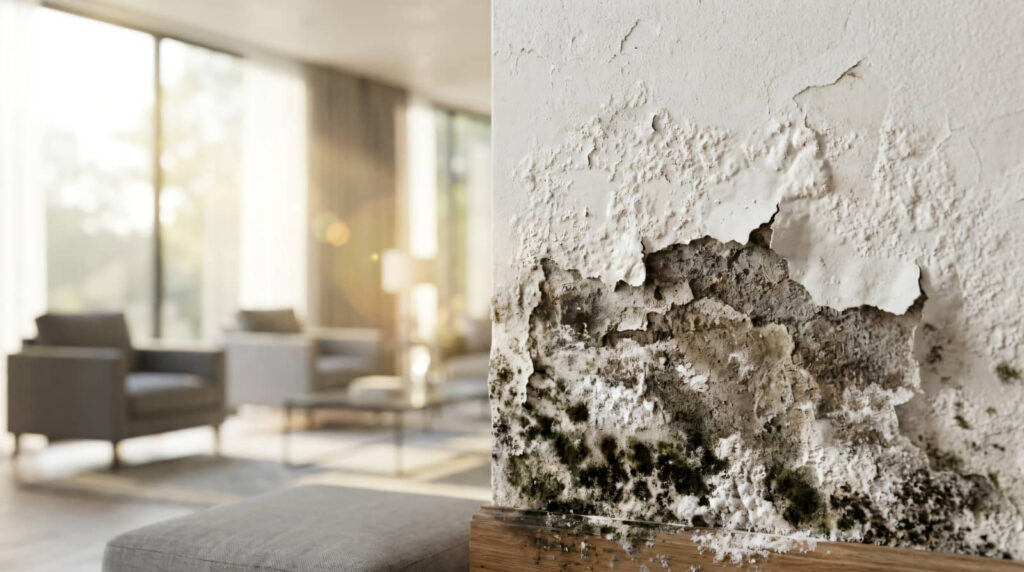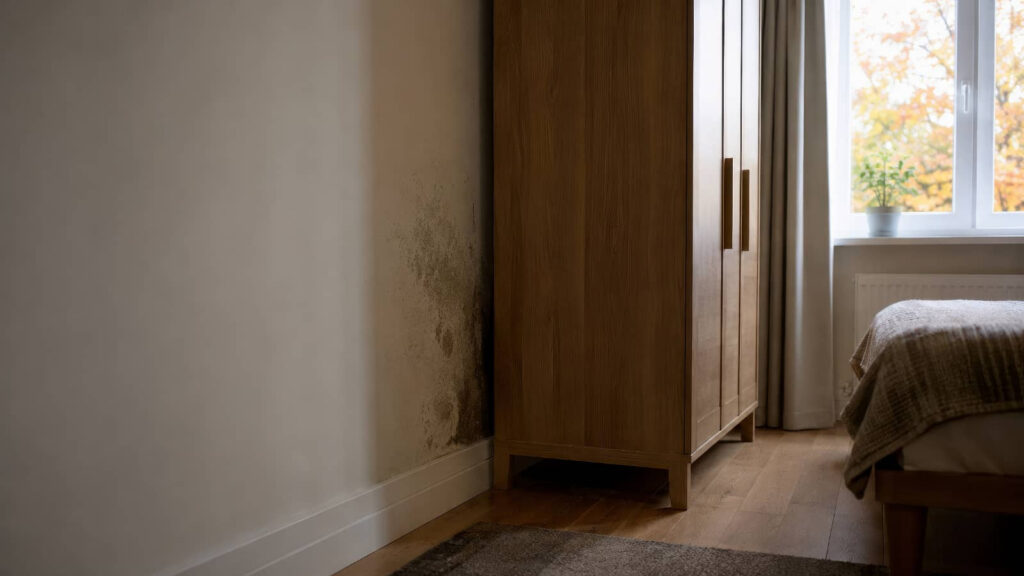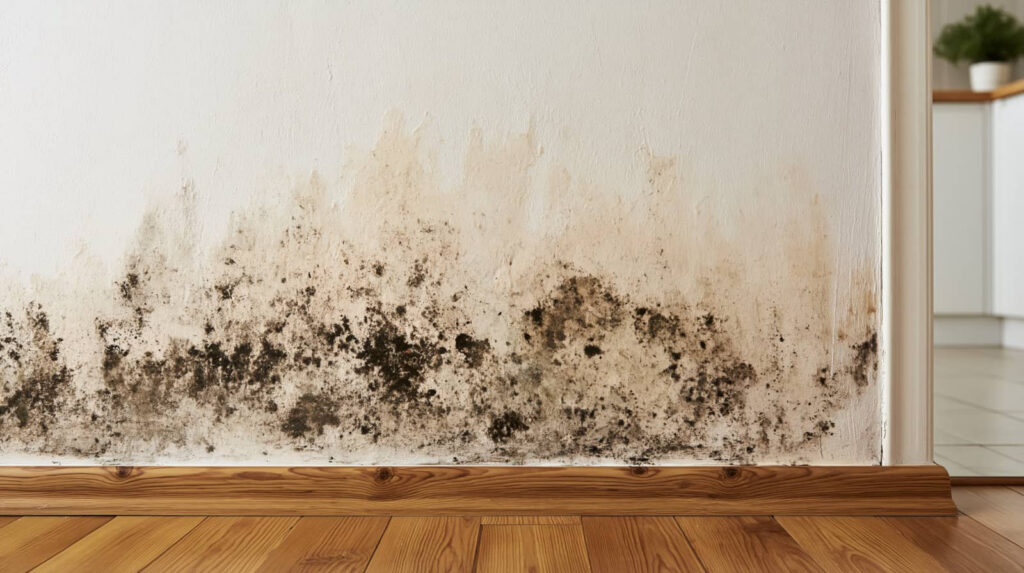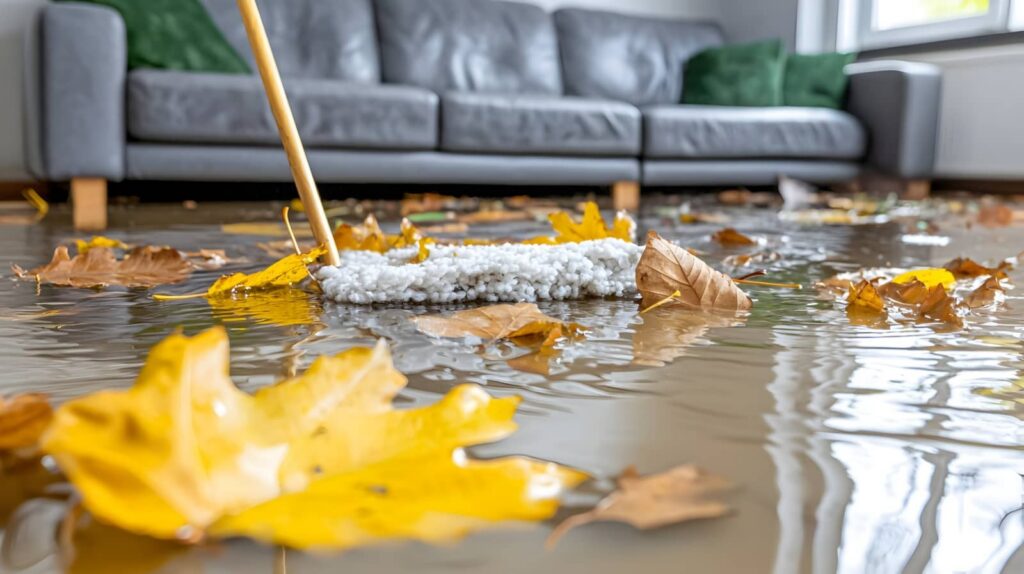
Maintenance Tips After Water Damage can help protect your home after a damaging event and reduce the risk of future problems. Water damage can feel like a disaster waiting to happen, and if you don’t act quickly, it can lead to costly repairs and health risks. You need to prioritize immediate drying to prevent mold, assess structural damage, and consider professional help when needed. But that’s just the beginning. Understanding how to maintain your property and protect your home long-term is essential. What steps should you take next?
Key Takeaways
- Thoroughly dry all affected areas to prevent mold growth and structural damage.
- Regularly inspect for leaks and hidden moisture in walls and ceilings.
- Use mold-resistant products during repairs to enhance long-term protection.
- Maintain proper ventilation in all rooms, especially in moisture-prone areas.
- Schedule periodic professional inspections to ensure ongoing safety and maintenance.
Immediate Actions to Take After Water Damage
When you experience water damage, acting quickly is essential to minimize further complications. Start by referring to your emergency checklist to guarantee you cover all necessary steps.
Turn off the electricity and water supply to prevent hazards. Document the damage thoroughly, taking photos for your insurance claims. Remove any standing water using pumps or wet vacs to mitigate mold growth.
If possible, salvage items and move them to a dry area. Notify your insurance company immediately, as timely reporting can expedite your claims process.
Be sure to keep all receipts related to repairs or temporary accommodations for reimbursement. Following these steps not only helps in effective recovery but also fosters a sense of community support during a challenging time.
Assessing and Documenting Water Damage
After water damage occurs, your first step is to conduct an initial inspection to identify affected areas.
Next, it’s essential to document the damage in detail, including photos and notes on the extent of the impact.
This thorough assessment will help you communicate effectively with insurance providers and plan your next steps.
Initial Inspection Process
Evaluating and documenting water damage is essential for effective restoration, as it helps you identify the extent of the issue and informs future steps.
Start with an initial assessment by using an inspection checklist to systematically review affected areas. Check for visible signs like discoloration, mold, and structural damage.
Pay attention to hidden areas, such as behind walls or under flooring, where moisture may linger. Record your findings with detailed notes and photographs, as this documentation will guide your next actions and support any insurance claims.
Prioritize safety; if you suspect electrical hazards or structural instability, consult professionals before proceeding.
This thorough initial inspection sets the foundation for successful restoration and peace of mind.
Detailed Damage Documentation
- Photograph Everything: Take clear, detailed photos of all affected areas, including walls, flooring, and personal belongings.
These images serve as essential evidence for your insurance claim.
- List Damaged Items: Create an extensive inventory of all damaged possessions, noting their condition and estimated value.
This will aid in obtaining accurate repair estimates.
- Record Moisture Levels: Use a moisture meter to document levels in various materials.
This information is critical for professionals evaluating the extent of the damage and planning the restoration effectively.
Why You Should Call in the Pros for Water Damage?
Water damage can lead to serious structural issues and health risks, making professional intervention vital. When you face water damage, calling in experts not only guarantees thorough remediation but also protects your investment.
Professionals are equipped to handle emergency services, addressing immediate threats like mold and structural integrity. They understand how to document damage properly, which is essential for insurance claims. This expertise can expedite your claim process, ensuring you receive the compensation you deserve.
Effective Tips for Drying Out Your Home
After water damage, it’s essential to act swiftly to dry out your home.
Start by removing standing water immediately to prevent further damage, then increase air circulation to facilitate drying.
Finally, use dehumidifiers effectively to reduce moisture levels and protect your property.
Remove Standing Water Quickly
Swiftly addressing standing water is essential to minimizing damage and preventing mold growth in your home.
Effective standing water removal is your first priority for quick drying. Here are three key steps you should take:
- Use a Pump: If the water level is significant, a submersible pump can rapidly remove large volumes of standing water.
- Mop and Towels: For smaller areas, use mops and absorbent towels to soak up residual water.
Be thorough; every drop counts.
- Check for Hidden Pockets: Inspect corners and under furniture where water may accumulate, ensuring you’ve got a thorough drying process.
Increase Air Circulation
To effectively dry out your home after water damage, increasing air circulation is essential. You can employ several airflow techniques to facilitate this process.
Start by opening windows and doors to create a cross-breeze, which enhances natural ventilation. Utilize fans strategically; place them near damp areas to push moist air out and draw dry air in. Ceiling fans can also help distribute air evenly throughout the space.
Consider using box fans in conjunction with circulation methods that target specific wet spots. If possible, run your HVAC system to maximize airflow and maintain a consistent temperature.
Use Dehumidifiers Effectively
Using dehumidifiers effectively can greatly expedite the drying process after water damage. To guarantee ideal results, follow these tips:
- Adjust Dehumidifier Settings: Set your dehumidifier to a low humidity level, ideally between 30-50%. This helps remove excess moisture quickly.
- Position Strategically: Place the dehumidifier in the most affected areas. Make sure it’s not obstructed by furniture or walls to maximize airflow.
- Regular Moisture Monitoring: Use a hygrometer to check humidity levels. This allows you to adjust settings as needed, ensuring your home dries thoroughly.
Preventing Mold Growth After Water Exposure
Since mold can begin to develop within 24 to 48 hours after water exposure, it’s crucial to act quickly to prevent its growth.
Start by thoroughly drying affected areas using fans and dehumidifiers. Maintain humidity control by keeping indoor levels below 60%.
Check for any hidden moisture in walls, ceilings, and floors, as mold loves damp spots. Use mold-resistant products when repairing water-damaged areas, and guarantee proper ventilation in all rooms, especially bathrooms and kitchens.
Regularly inspect your space for leaks and water accumulation.
Water Damage: Evaluating and Repairing Structural Issues
When evaluating water damage, it’s vital to thoroughly examine structural issues to guarantee the integrity of your home.
Water intrusion can compromise your home’s safety, so addressing these concerns promptly is essential.
Here are three key steps to take into account:
- Inspect Framework: Check for signs of warping or weakness in beams and supports.
- Assess Foundation: Look for cracks or shifting that may indicate serious problems.
- Evaluate Walls and Ceilings: Identify any discoloration, sagging, or mold growth that signals hidden damage.
Restoring Your Belongings After Water Damage
After experiencing water damage, restoring your belongings is essential to prevent further loss and maintain their integrity.
Start by gauging the extent of the damage. For textiles, wash and dry items promptly to prevent mold growth.
Wooden furniture may require deep cleaning and drying to avoid warping.
Electronics should be evaluated by professionals to guarantee safety and functionality.
Documenting the condition of your belongings can aid in insurance claims and provide clarity during the belonging restoration process.
Remember, the emotional impact of losing cherished items can be significant; salvaging what you can helps mitigate that loss.
Prioritize restoration efforts to preserve your possessions and foster a sense of normalcy in your home.
Ongoing Maintenance to Prevent Future Water Damage
To effectively prevent future water damage, regular maintenance is essential. By staying proactive, you can protect your home and belongings.
Here are three key steps to incorporate into your routine:
- Conduct Regular Inspections: Check for leaks in pipes, roofs, and basements at least twice a year. Early detection can save you from costly repairs.
- Follow Maintenance Checklists: Create a checklist to track seasonal tasks, such as cleaning gutters, sealing windows, and checking sump pumps. This guarantees nothing gets overlooked.
- Monitor Humidity Levels: Keep indoor humidity below 50% using dehumidifiers when necessary. This reduces the risk of mold growth and water damage.
Frequently Asked Questions
How Long Does It Take for Water Damage Repairs to Complete?
Water damage repairs typically take one to three weeks, depending on the repair timeline and severity. The drying process alone can last several days, so patience is essential for a thorough restoration.
Can I Use My Insurance for Water Damage Restoration?
Yes, you can use your insurance for water damage restoration. Check your policy for water damage coverage and follow the insurance claim process promptly to guarantee you receive the necessary assistance and funding for repairs.
What Are Signs of Hidden Water Damage?
You can spot hidden water damage through detection methods like moisture meters and infrared cameras. Look for moisture sources such as leaks, stains, or musty odors, as these can indicate underlying issues needing immediate attention.
How Often Should I Inspect My Home for Water Damage?
You should inspect your home for water damage at least twice a year. Regular checks enhance water detection and moisture prevention, helping you catch issues early and maintain a safe, comfortable living environment for everyone.
Are There Specific Plants That Help Absorb Excess Moisture?
Yes, certain moisture-absorbing plants, like peace lilies and spider plants, effectively reduce indoor humidity. By incorporating these plants into your space, you not only enhance air quality but also create a more inviting atmosphere.
Final Thoughts
In the aftermath of water damage, think of your home as a delicate ecosystem. By swiftly drying out affected areas and addressing potential leaks, you’re not just restoring your space you’re nurturing it back to health. Regular inspections and maintenance act like a protective shield, guarding against future threats. Visualize your home thriving, free from mold and moisture, standing strong as a sanctuary. Taking these steps today guarantees your home remains resilient for years to come.