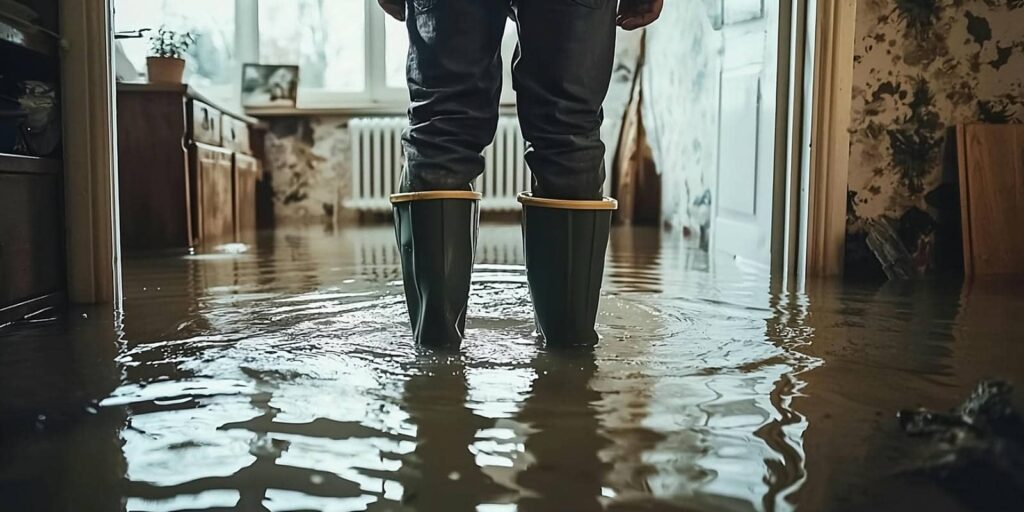
After a flood, the aftermath can feel like a scene from a disaster film, where mold lurks in the shadows, waiting to take hold. To effectively prevent its growth, you need to take decisive action. From evaluating water damage to controlling humidity levels, each step plays an essential role. But what are the specific strategies you can implement to safeguard your space against this hidden threat? Let’s explore these key approaches together.
Key Takeaways
- Conduct a thorough damage assessment to identify affected areas and materials, focusing on hidden spaces.
- Remove standing water promptly using pumps and wet vacuums to minimize moisture retention.
- Use fans and dehumidifiers to create airflow and lower humidity levels below 60%.
- Clean and sanitize all surfaces with mold-resistant products to eliminate potential mold spores.
- Regularly monitor humidity levels and ensure proper ventilation to prevent moisture buildup.
Assessing the Extent of Water Damage
When evaluating the extent of water damage after a flood, it’s crucial to act quickly to prevent mold growth.
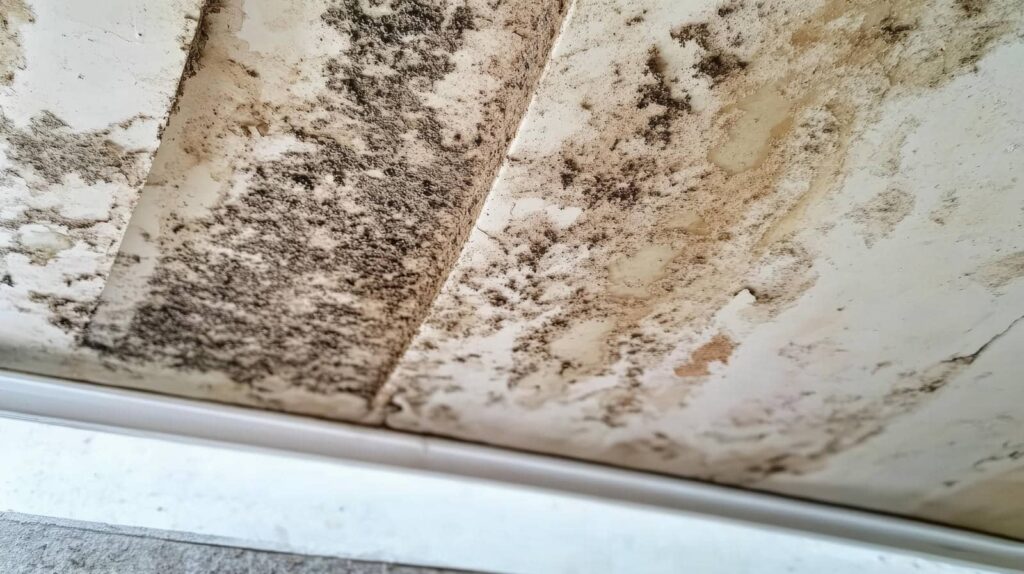
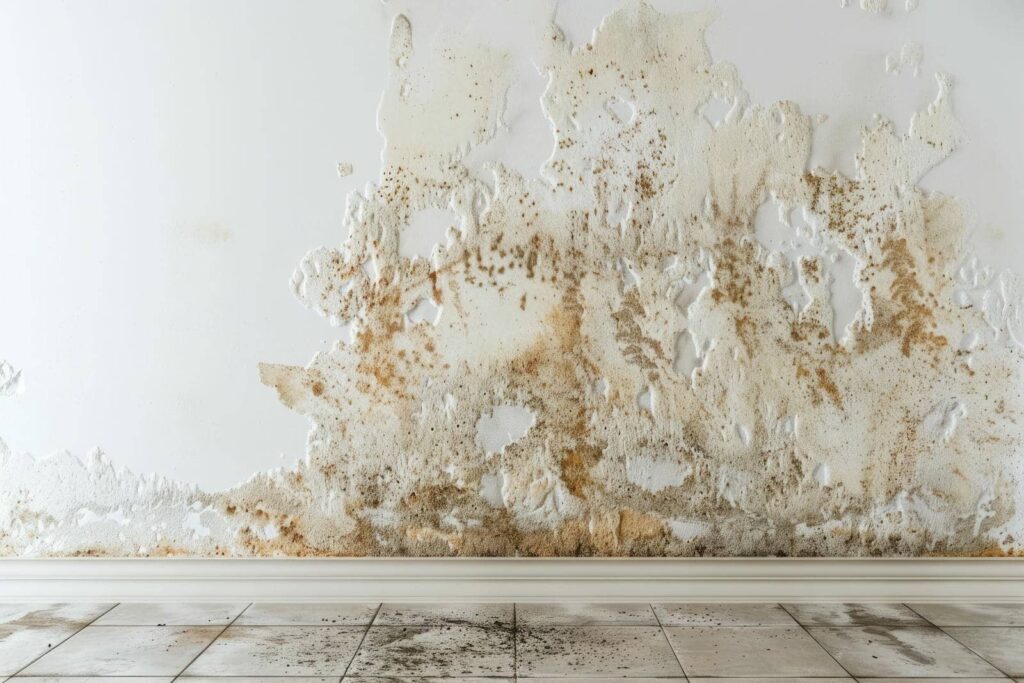
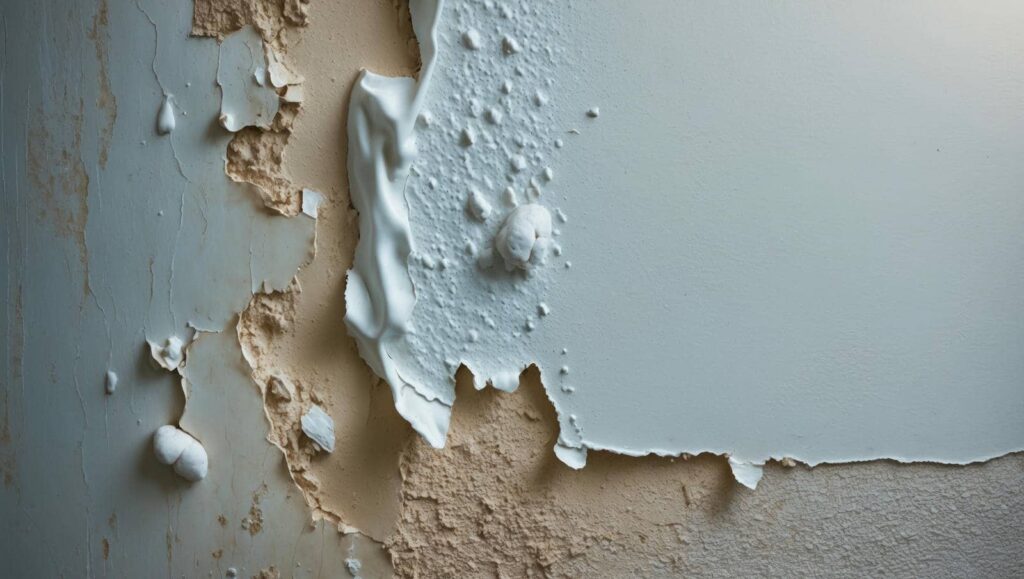
Start by conducting a thorough damage assessment; this helps you identify affected areas and materials. Look for signs of water intrusion, such as discoloration, warping, or peeling paint.
Next, perform a moisture evaluation using a moisture meter. This tool provides accurate readings of moisture levels in various materials, helping you determine which areas require immediate attention.
Pay special attention to hidden spaces like wall cavities and under floors, as moisture can linger in these spots. Document your findings to create a clear picture of the damage, which will guide your next steps.
Immediate Water Removal Techniques
Once you’ve assessed the extent of water damage, it’s vital to act quickly with immediate water removal techniques.
Swift extraction methods, like using pumps and wet vacuums, can greatly reduce standing water and minimize damage.
Following this, effective drying solutions, such as dehumidifiers and fans, are essential to prevent mold growth.
Swift Extraction Methods
Swiftly extracting water after a flood is essential to preventing mold growth. Your flood response should prioritize immediate action using effective extraction equipment.
Start by evaluating the severity of the flooding and identifying the areas most affected. Utilize pumps, wet vacuums, and squeegees to remove standing water. If possible, enlist professionals who’ve specialized extraction tools and experience, ensuring a more thorough job.
Time is of the essence; the longer water lingers, the greater the risk of mold development. Focus on removing as much moisture as possible to create a safer environment for everyone involved.
Effective Drying Solutions
To effectively combat mold growth after flooding, you need to implement immediate water removal techniques that focus on thorough drying.
Start by using drying equipment like industrial fans and dehumidifiers to accelerate moisture evaporation. Position fans to create airflow across damp surfaces, while dehumidifiers help lower humidity levels in the affected areas.
It’s essential to remove any soaked materials, such as carpets or drywall, since they can retain moisture and foster mold growth.
Additionally, installing moisture barriers can prevent future water intrusion, protecting your home.
Regularly monitoring humidity levels ensures that you maintain a dry environment, ultimately creating a safer living space for you and your family.
Taking these actions promptly is key to mold prevention.
Drying and Dehumidifying Affected Areas
As the water recedes, promptly drying and dehumidifying the affected areas becomes essential to prevent mold growth.
Start by selecting the right dehumidifier based on the size of the space and the humidity levels. For larger areas, a commercial-grade unit may be necessary to efficiently extract moisture from the air.
Next, optimize airflow by strategically placing fans to circulate air throughout the space. Open windows and doors when the weather permits, allowing fresh air to aid the drying process.
Ascertain that all surfaces, including walls and floors, receive adequate airflow to speed up evaporation.
Monitor humidity levels regularly with a hygrometer; aim to keep indoor humidity below 60%.
Combining effective dehumidifier selection with airflow optimization creates an environment less conducive to mold.
Cleaning and Sanitizing Surfaces
Once you’ve dried the surfaces, it’s essential to clean them thoroughly to eliminate any remaining contaminants.
Using effective cleaning solutions will help ensure that you’re not just masking potential mold growth, but actively preventing it.
Immediate Surface Drying
Immediate surface drying is essential in preventing mold growth after flooding. To effectively combat surface moisture, you need to employ appropriate drying techniques immediately.
Start by removing standing water with pumps or wet vacuums, ensuring you tackle every corner of the affected area. Next, use fans to circulate air, which accelerates evaporation, and consider dehumidifiers to further reduce humidity levels. Open windows when possible to enhance airflow.
Don’t forget to dry porous materials, like carpets or drywall, as they can retain moisture and foster mold growth. By swiftly addressing surface moisture, you create an environment less conducive to mold proliferation, promoting a healthier living space for you and your loved ones.
Every moment counts in this vital stage.
Effective Cleaning Solutions
Effective cleaning solutions are essential in the aftermath of flooding to eliminate potential mold spores and prevent future growth.
You’ll want to use products that clean effectively and promote a healthier environment. Consider these options:
Mold-resistant products: These are designed to inhibit mold growth on surfaces.
Eco-friendly cleaners: Look for biodegradable and non-toxic options that are safe for you and your family.
Soap and water: Sometimes, a simple solution is all you need for initial cleaning.
Vinegar: This natural disinfectant can kill mold spores effectively.
Baking soda: It’s great for deodorizing and removing moisture.
Using these solutions can greatly reduce the risk of mold resurgence in your home.
Monitoring and Controlling Humidity Levels
As you work to prevent mold growth after flooding, monitoring and controlling humidity levels becomes vital. High humidity can create an environment conducive to mold development, so you’ll want to keep levels between 30-60%.
Invest in a hygrometer to track moisture monitoring effectively; this tool helps you maintain ideal conditions. If humidity exceeds this range, consider using dehumidifiers to extract excess moisture from the air.
Ensure proper ventilation in your living spaces by opening windows or using exhaust fans, especially in areas prone to dampness, such as bathrooms and kitchens. Additionally, be mindful of any leaks or spills, as they can contribute to increased humidity.
Regularly checking and adjusting humidity levels is critical for effective humidity control. By staying proactive, you foster a healthier living environment, reducing the risk of mold and creating a space where you and your loved ones can thrive.
Regular Inspections and Maintenance
Maintaining a routine of regular inspections and maintenance is key to preventing mold growth after flooding. By implementing these preventive measures, you can identify potential issues before they escalate.
Here are some essential routine checks to include:
Inspect for water damage: Look for signs of dampness or discoloration on walls, ceilings, and floors.
Check ventilation systems: Confirm that HVAC systems are functioning properly and aren’t harboring moisture.
Examine plumbing: Regularly check for leaks or drips in pipes and fixtures.
Assess drainage: Verify that gutters and downspouts direct water away from your property.
Monitor appliances: Inspect washing machines, refrigerators, and dishwashers for any signs of leaks.
Frequently Asked Questions
What Materials Are Most Susceptible to Mold Growth After Flooding?
Wood surfaces and carpet padding are highly susceptible to mold growth after flooding. If you don’t dry them quickly and thoroughly, moisture lingers, creating an ideal environment for mold to thrive, compromising your space’s safety and comfort.
How Long Does It Take for Mold to Develop After Flooding?
Mold can sprout in as little as 24 to 48 hours after flooding, making prompt action essential. Follow flood recovery tips to shorten the mold growth timeline and protect your home from this unwelcome invader.
Can I Use Bleach to Kill Mold Effectively?
Using bleach for mold removal isn’t always effective, especially on porous surfaces. It kills surface mold but won’t penetrate deeply. Consider alternative solutions like vinegar or commercial products designed specifically for thorough mold removal.
What Should I Do if I Find Mold After Cleanup?
If you spot mold after cleanup, tackle it promptly. Use appropriate mold removal techniques to minimize health risks. Don’t let this unwelcome guest linger; your space deserves to be safe and welcoming for everyone.
Are There Specific Mold-Resistant Products for Flood-Prone Areas?
Yes, you can use mold-resistant paints and flood-resistant materials to protect your home. These products help minimize moisture retention, reducing the risk of mold growth in flood-prone areas, ensuring a safer living environment for you.
Recap
Preventing mold after flooding hinges on a proactive approach. By evaluating water damage, removing excess water, and effectively drying affected areas, you set the stage for a mold-free environment. It’s interesting how, while you might think cleaning surfaces is optional, it’s actually essential in thwarting mold growth. Regularly monitoring humidity levels and conducting inspections can feel repetitive, but these steps coincide perfectly to ensure your space remains safe and healthy long after the floodwaters recede.