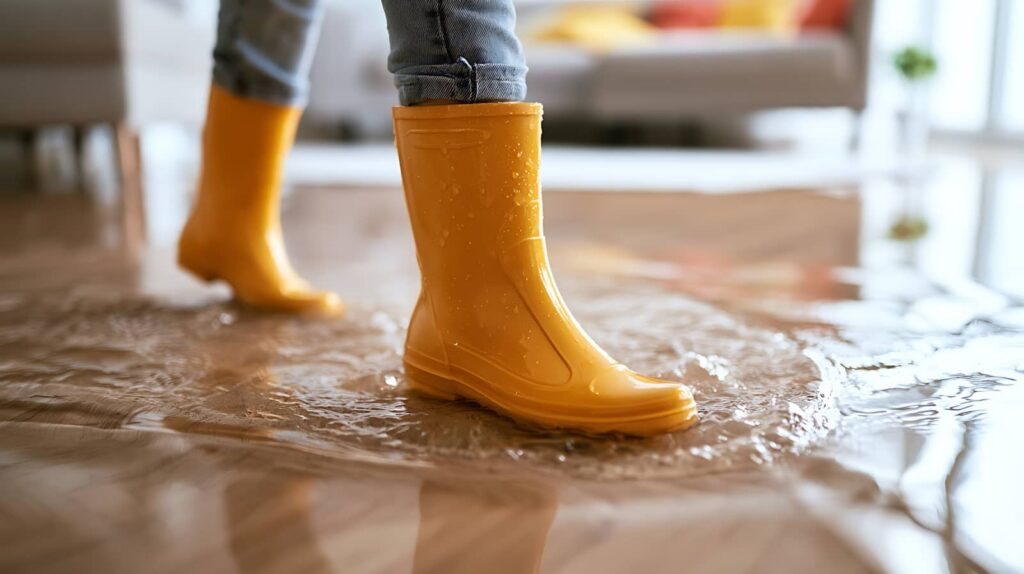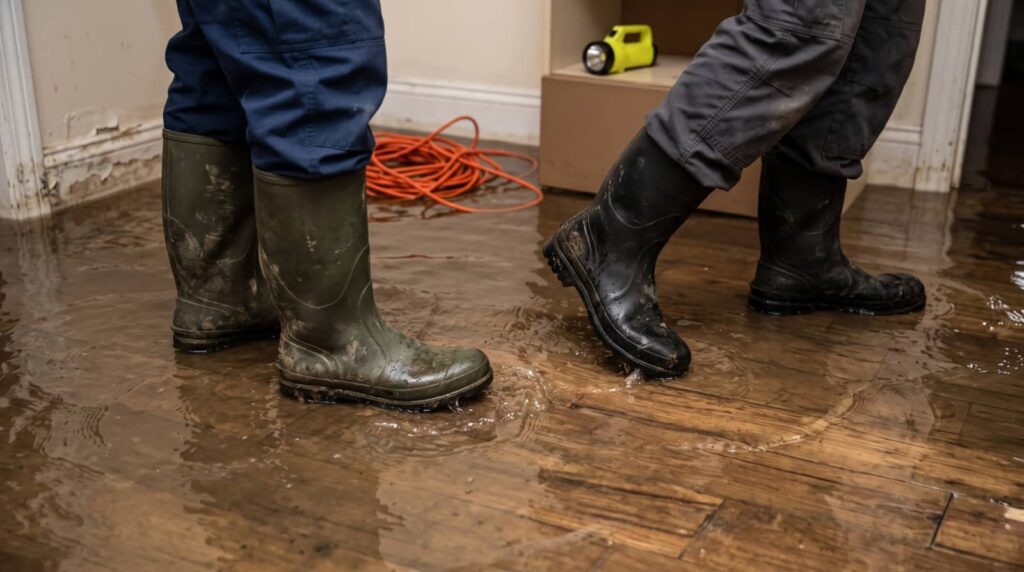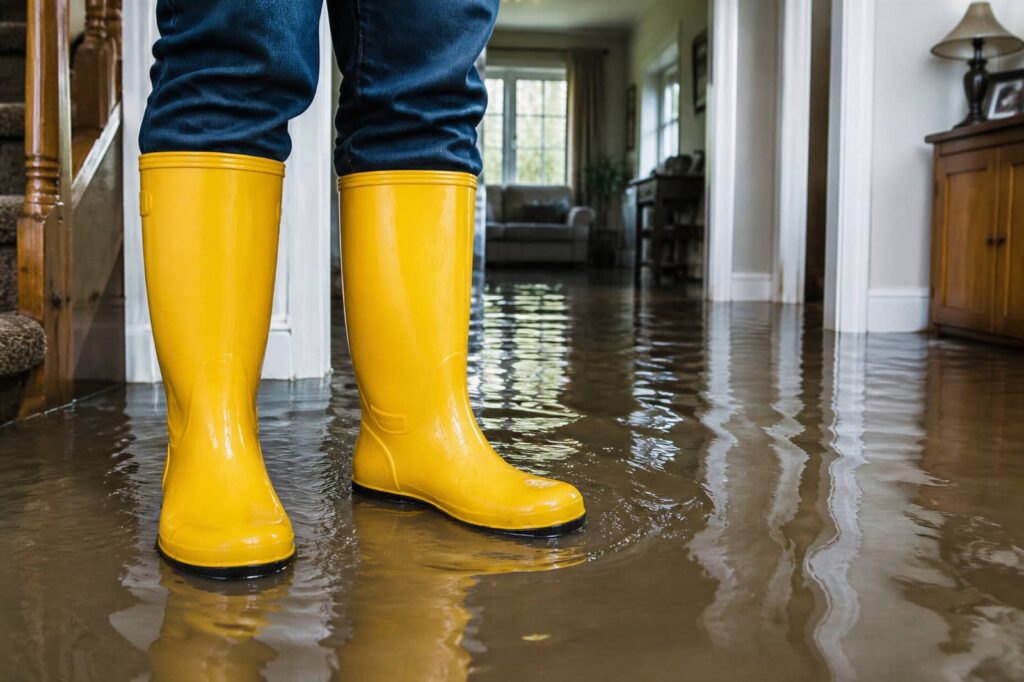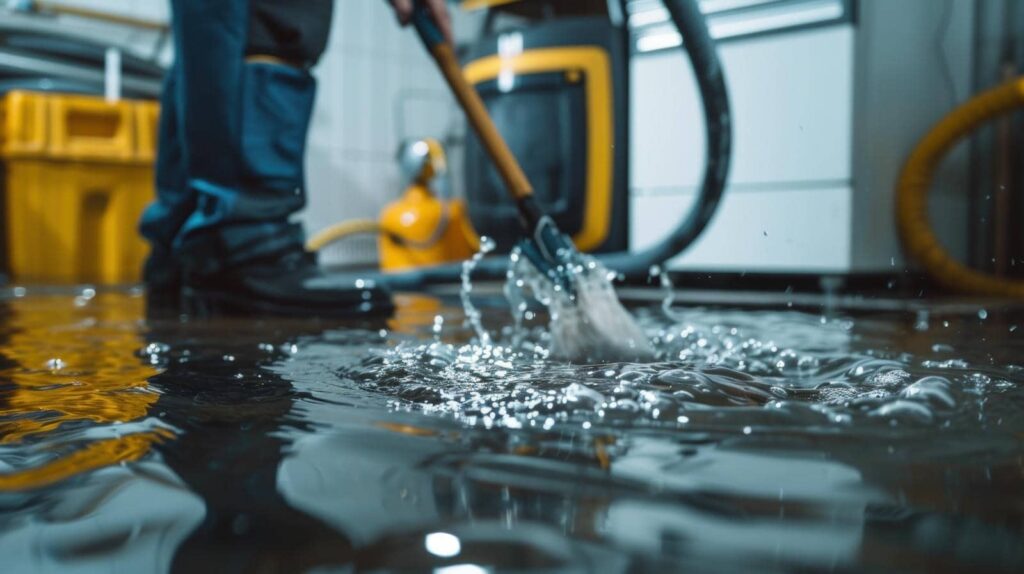
Imagine your business suffers flooding after a heavy storm, causing significant disruption. You need to act quickly to minimize damage and restore operations. Effective flood damage cleanup solutions can make all the difference in how swiftly you recover. From assembling a skilled team to employing the right equipment, every step counts. But what specific strategies should you implement to ensure a thorough and efficient cleanup?
Key Takeaways
- Assemble a dedicated emergency response team to conduct damage assessments and prioritize cleanup efforts effectively.
- Utilize advanced water extraction equipment, such as pumps and wet/dry vacuums, for efficient water removal.
- Hire professional cleanup services to ensure rapid recovery and expert handling of insurance claims.
- Implement mold prevention strategies, including moisture control and comprehensive remediation techniques, to safeguard the environment.
- Regularly update flood damage cleanup plans and prevention strategies based on risk assessments and community collaboration.
Assessing the Damage and Immediate Response
When floodwaters recede, the first step is to assess the damage quickly and thoroughly.
You’ll want to conduct a damage evaluation right away to identify affected areas and prioritize your emergency response. Start by documenting everything with photos and notes; this will help with insurance claims later. Check structural integrity, electrical systems, and any hazardous materials that may have been exposed.
Involve your team in the assessment process to foster a sense of belonging and shared responsibility.
Divide tasks based on expertise, ensuring everyone knows their role. Communicate openly about findings and next steps, as transparency builds trust.
Once you’ve gathered all the necessary information, you can determine the extent of the damage and how it impacts your operations.
This proactive approach helps you respond more effectively and strengthens your community ties during recovery.
Developing a Flood Damage Cleanup Plan
As you begin to recover from flood damage, developing a cleanup plan is vital for restoring your business efficiently. Start by assembling an emergency contact list that includes local restoration services, suppliers, and your insurance agent. This ensures you can quickly reach out for help when needed.
Next, implement flood response training for your team. Equip them with the knowledge to respond effectively during a flood situation, including safety protocols and cleanup procedures. This training fosters a sense of belonging and teamwork, essential for morale during challenging times.
Outline specific steps for cleanup, such as prioritizing areas for inspection and damage assessment. Assign roles to your staff so everyone knows their responsibilities, which streamlines the process.
Regularly review and update your plan to adapt to new challenges. By taking these steps, you’ll be better prepared to handle flood damage and protect your business’s future.
Essential Equipment for Flood Cleanup
To effectively tackle flood cleanup, having the right equipment on hand is essential. Start with flood barriers to protect your property and minimize water intrusion. These barriers can redirect water away from vulnerable areas, safeguarding your business from further damage.
Next, invest in reliable pump systems. These are vital for removing standing water quickly and efficiently, preventing mold growth and structural issues. Portable submersible pumps are particularly effective for tackling flooded spaces.
Additionally, don’t forget about wet/dry vacuums. They can help you remove residual water after the bulk has been pumped out.
Finally, consider high-powered fans and dehumidifiers to dry out affected areas. This equipment speeds up the drying process and helps maintain a safe and healthy environment for your team.
Water Extraction Techniques
Although water extraction might seem straightforward, using the right techniques is essential for effective flood cleanup. Start by deploying flood barriers to contain the water, preventing it from spreading further into your business.
Once you’ve controlled the situation, you’ll need powerful water pumps to remove the standing water efficiently. Submersible pumps are particularly useful for deep water, while portable pumps work well for smaller areas.
After removing the bulk of the water, consider using wet vacuums to tackle residual moisture. They’re excellent for tight spaces and can help extract water from carpets and upholstery.
If you’re facing persistent water issues, don’t hesitate to call in professionals with advanced equipment. Their expertise ensures that you’re cleaning up while protecting your business from future damage.
Drying and Dehumidification Processes
Once you’ve extracted the water, drying and dehumidification become critical to preventing further damage.
You’ll want to employ effective drying techniques, such as using high-velocity air movers and fans to circulate air and expedite the drying process. Position these tools strategically to ensure every corner of your space receives airflow.
Simultaneously, consider various dehumidification methods. Refrigerant dehumidifiers work well in warmer environments, while desiccant dehumidifiers are ideal for cooler spaces.
Monitor humidity levels with hygrometers to track your progress, aiming for a relative humidity below 60%.
Act quickly; the longer you wait, the more likely you are to face significant damage.
By implementing these drying techniques and dehumidification methods, you can safeguard your business from further complications.
Mold Prevention and Remediation
Controlling moisture is essential to preventing mold growth in your business after a flood.
You’ll need effective removal techniques to tackle any existing mold and long-term strategies to keep it from returning.
Importance of Moisture Control
When it comes to flood damage cleanup, moisture control is essential for preventing mold growth and ensuring a safe environment for your business.
You need to focus on moisture measurement and humidity control to create an atmosphere that discourages mold spores from thriving. Start by using hygrometers to monitor humidity levels, ideally keeping them below 60%.
If you notice excess moisture, act quickly to dry out affected areas using dehumidifiers and fans. Regular inspections can help you catch potential issues before they escalate.
Effective Mold Removal Techniques
While dealing with flood damage, effective mold removal techniques are crucial to safeguarding your business.
First, assess the affected areas for mold growth. Use a moisture meter to identify hidden damp spots.
Once you locate the problem, employ proper remediation techniques like scrubbing surfaces with a mixture of water and detergent or using specialized mold removal solutions.
Make certain you wear protective gear to avoid exposure.
After cleaning, thoroughly dry the area to prevent further mold recurrence. Use dehumidifiers and fans to enhance airflow.
Additionally, consider discarding severely damaged materials, like carpets or drywall, that can’t be adequately cleaned.
Long-term Prevention Strategies
After addressing immediate mold issues, focus on long-term prevention strategies to keep your business safe from future infestations.
Implementing effective measures protects your property and fosters a healthier environment for your team and customers.
Install flood barriers to shield your premises from water intrusion.
Enhance drainage systems to efficiently manage water flow and prevent pooling.
Regularly inspect and maintain ventilation to reduce humidity levels, a key factor for mold growth.
Use moisture-resistant materials in construction and renovations to minimize mold risk.
Salvaging and Restoring Affected Materials
As soon as floodwaters recede, prioritizing the salvaging and restoration of affected materials can greatly reduce long-term damage to your business. Start by evaluating the extent of the damage and identifying materials that can be preserved. Use effective material preservation techniques, such as drying out carpets and furniture, to prevent mold growth.
Create a detailed restoration project planning checklist that outlines which items need immediate attention and which can wait. Remember, time is of the essence; the faster you act, the better your chances of recovery.
Engage your team in the process to foster a sense of community and support. This way, everyone feels invested in restoring your workspace.
As you work together, you’re not just salvaging materials; you’re rebuilding your business and strengthening your bonds. Stay organized and proactive, and you’ll navigate this challenging situation with resilience.
Documentation and Insurance Claims
Once the floodwaters have receded, it’s important to start documenting the damage for your insurance claims. This step is vital in ensuring you receive the compensation you deserve.
Here are some documentation tips to help you through the claims process:
- Take clear photos of damaged areas and items, capturing different angles.
- Create a detailed inventory list of all affected equipment and materials.
- Keep records of any repairs or temporary measures taken.
- Document all communication with your insurance company and any contractors.
Hiring Professional Cleanup Services
When flood damage strikes, hiring professional cleanup services is essential for quick recovery.
They bring expertise in water removal and efficient restoration techniques, ensuring your business gets back on track faster.
Plus, their knowledge can assist with steering through insurance claims, making the entire process smoother for you.
Expertise in Water Removal
Flooding can wreak havoc on your business, making swift and effective water removal crucial to minimizing damage. When faced with this crisis, hiring professionals for water extraction is essential. They possess the expertise to handle complex situations and ensure your property returns to normal.
Consider these benefits of professional cleanup services:
Advanced equipment for rapid water extraction
Thorough assessment to prevent mold growth
Expertise in managing flood insurance claims
Efficient response to minimize disruption
Don’t let flooding compromise your business’s future. By trusting experts in water removal, you’ll safeguard your property and foster a sense of community resilience.
Choose professionals who understand your needs and can help you recover swiftly and effectively.
Efficient Restoration Techniques
After effective water removal, the next step in restoring your business is implementing efficient restoration techniques.
Hiring professional cleanup services means you’ll benefit from advanced restoration methods that ensure thorough recovery. These experts utilize state-of-the-art equipment and techniques to address structural damage, mold prevention, and air quality issues.
Their rapid response minimizes downtime, allowing your business to get back on its feet quickly. By working with a knowledgeable team, you gain peace of mind knowing that your property is in capable hands.
They’ll customize their approach based on your specific needs, assuring that no detail is overlooked.
Insurance Claims Assistance
How can you simplify the insurance claims process after flood damage? Hiring professional cleanup services can make a world of difference. They restore your property and help navigate the complexities of your insurance policy.
Here’s how they can assist you:
Documenting damage: Capture detailed evidence of the flood’s impact.
Filing claims: Ensure all paperwork is accurate and submitted on time.
Communicating with insurers: Act as a liaison to clarify the claims process.
Maximizing your payout: Helps you understand your coverage and entitlements.
Implementing Future Flood Prevention Strategies
While unpredictable weather patterns can complicate planning, implementing future flood prevention strategies is essential for safeguarding your business. Start with a thorough risk assessment to identify vulnerabilities unique to your location. Understand the specific threats that flooding poses and prioritize your action items accordingly.
Next, engage with your community. Collaborate with local organizations to create a collective response plan. Sharing resources and knowledge can strengthen your overall flood resilience.
Consider investing in flood barriers, improved drainage systems, or landscaping adjustments that redirect water away from your property.
Regularly update your flood prevention strategies based on new data and community feedback. This proactive approach protects your assets and fosters a sense of belonging among stakeholders.
Frequently Asked Questions
How Can I Prepare My Business for Future Flooding Events?
To prepare your business for future flooding events, develop flood preparedness strategies and implement emergency response plans. Regularly train your team, secure important documents, and invest in proper drainage solutions to minimize potential damage.
What Are the Costs Associated With Flood Damage Cleanup?
Imagine steering through a stormy sea. Flood damage assessments and restoration equipment costs can soar, often reaching thousands. You’ll want to budget wisely, ensuring you’re prepared for any waves life throws your way.
How Long Does the Flood Cleanup Process Typically Take?
Flood cleanup duration varies but usually takes a few days to weeks. The cleanup process factors include the extent of damage, the type of materials affected, and your response time. Quick action can greatly reduce the duration.
Can I Handle Flood Cleanup Myself or Should I Hire Professionals?
While DIY cleanup can save money, hiring professional services ensures thoroughness and safety, helping you recover more quickly and prevent further damage. Choose wisely!
What Types of Insurance Cover Flood Damage for Businesses?
Flood insurance is essential for your business coverage. It protects against water damage from rising waters, while general liability insurance may not cover floods. Check your policies to ensure you’re adequately protected against potential losses.
Summary
So, you’ve survived the flood—congrats! Now, don’t just sit back and let the soggy carpet be your new office décor. It’s time to spring into action with your newly minted cleanup plan. Remember, investing in flood barriers and dehumidifiers beats paddling around in a canoe during your next meeting. Embrace the chaos, but also embrace prevention. After all, a little preparation today means you won’t need to hire an ark tomorrow!